
There was a time when I believed being prepared for landscape photography meant carrying as much gear as possible.
If I was heading out for a sunrise shoot, I packed for every scenario I could imagine: multiple lenses, several filters, spare accessories, extra batteries, cleaning kits, backup bodies, heavy tripods, and anything else that might possibly become useful. I convinced myself it made sense because I did not want to miss an opportunity simply because I had left something behind.
In reality, all I was doing was making photography harder than it needed to be.
The turning point for me came during hikes where I realized I was arriving at locations already tired before I had even taken the camera out of the bag. Instead of enjoying the process of photographing a scene, I was distracted by sore shoulders, wasted time changing gear, and endless small decisions that often did not improve the final image anyway.
Over time, I started stripping my kit back more and more, and what surprised me most was that my photography actually improved because of it.
Traveling lighter forced me to think more creatively, move more deliberately, and simplify my process. Instead of spending time deciding between five different lenses or wondering whether I needed another filter combination, I started focusing properly on composition, light, and timing.
That change made landscape photography feel enjoyable again.
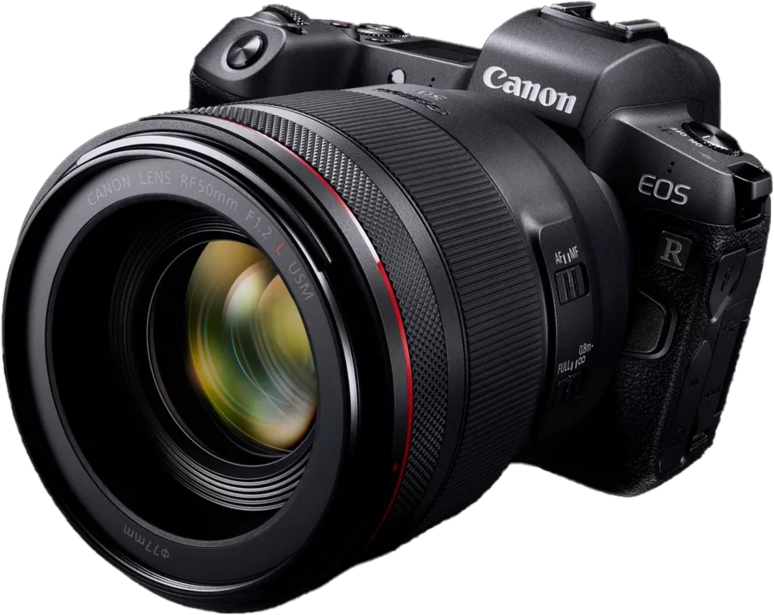
The False Security of More Gear
I think most landscape photographers go through the phase of believing more gear equals more opportunities. It sounds logical on paper.
You bring a wide angle lens for large scenes, a telephoto for compression, a prime lens for sharpness, several filters for different conditions, maybe a drone, and backups for everything just in case something fails.
The problem is that once you start carrying all of it together, the disadvantages begin outweighing the benefits very quickly.
I remember hikes along the Irish coast where my backpack felt more suited to an expedition than a photography outing. By the time I reached the location, I was already physically drained. That matters more than people realize because landscape photography often requires patience, movement, and quick reactions to changing conditions.
Fatigue affects decision-making.
When you are tired, you stop scouting properly. You become less willing to reposition yourself for a stronger composition. Sometimes you settle for the first available shot simply because you do not want to keep moving with the weight on your back.
I also noticed something else happening. The more gear I carried, the slower I became.
I would arrive at a scene and immediately start thinking about equipment choices rather than the landscape itself. Should I use the 16-35mm or the 24-70mm? Would the polarizer help here, or should I use an ND filter? Maybe this scene would work better compressed with the telephoto.
By the time I finished thinking through every option, the light had often changed already.
That was a hard lesson to learn because in landscape photography, timing matters more than having every possible focal length available.
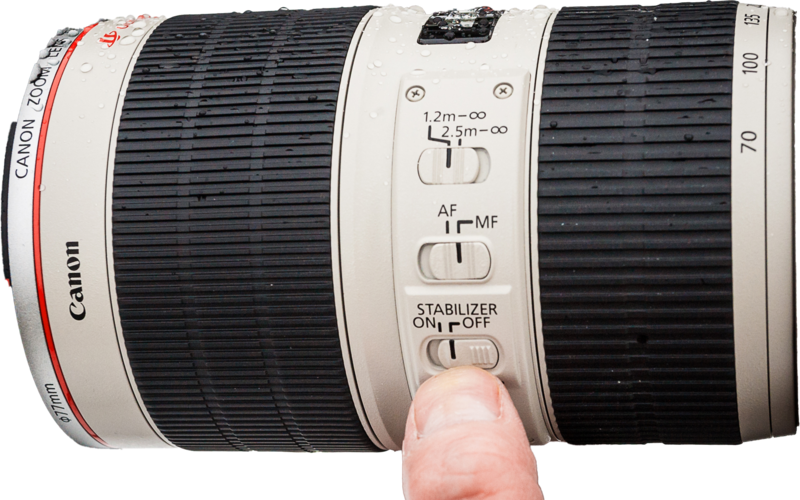
Most of My Favorite Images Were Taken With Minimal Gear
One thing I realized when looking back through my portfolio was that many of my favorite photographs were captured with very simple setups.
Usually it was one camera body, one lens, a tripod, and maybe a polarizer.
That forced me to question why I was carrying so much equipment in the first place.
For most of my landscape work now, I tend to bring a single versatile zoom lens. Something in the range of a 16-35mm or a 24-70mm covers the vast majority of situations I encounter. Wide scenes, tighter compositions, foreground details, stitched panoramas: all of them can be handled with those focal lengths.
There are, of course, exceptions. If I know I am specifically photographing distant mountain layers or wildlife alongside landscapes, then I might bring a telephoto. If I am planning astrophotography, I will bring a faster lens suited to that purpose. The fundamentals of shooting after dark are covered well in Photographing the World 2: Cityscape, Astrophotography, and Advanced Post-Processing.
But the important difference now is that the gear matches the goal instead of trying to prepare for every possible scenario at once.
That shift simplified everything.
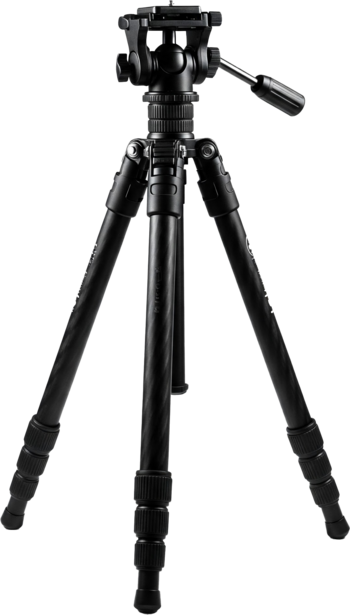
Simplicity Improves Decision-Making
One of the biggest advantages of carrying less gear is mental clarity.
Photography already involves a constant stream of decisions. Composition, exposure, focus, weather, movement, timing, and changing light all demand attention. Adding endless gear choices on top of that often creates unnecessary distractions.
I noticed this especially during sunrise shoots.
Conditions around sunrise can change incredibly quickly. Color develops fast, clouds move rapidly, and moments that look average one minute can become excellent the next. When working in those conditions, speed matters.
A lighter kit allows me to react much faster.
Instead of standing there debating lenses, I can concentrate fully on framing the scene properly and anticipating how the light is evolving. That usually leads to stronger photographs than having every possible piece of equipment available.
Ironically, limitations often improve creativity.
If I only have one lens with me, I naturally begin moving more to adjust compositions. I look for different foregrounds, different angles, or different ways to frame the scene instead of relying on changing focal lengths constantly.
That process tends to produce more thoughtful images.
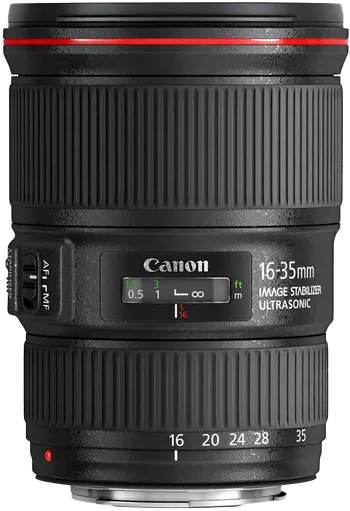
Why One Good Lens Often Does the Job
I think photographers sometimes underestimate how flexible modern zoom lenses really are.
A 24-70mm lens alone can handle an enormous range of situations. Wide enough for many landscapes, long enough for compression and detail work, and versatile enough to adapt quickly when conditions change.
I have spent entire trips using nothing more than that focal range.
One thing I learned over time is that a lot of focal length "problems" can actually be solved through movement and composition rather than changing lenses.
Need a tighter composition? Walk closer or reframe the scene. Need a wider field of view? Shoot a panorama and stitch the images together later. If you want to refine that technique, The Complete Panoramic Stitching Workshop walks through the full process.
I use stitched panoramas regularly now rather than carrying additional ultra-wide gear everywhere. Modern software handles panoramic blending extremely well, and often the final image has far more resolution than a single ultra-wide frame anyway.
That approach reduced my dependence on carrying multiple lenses considerably.
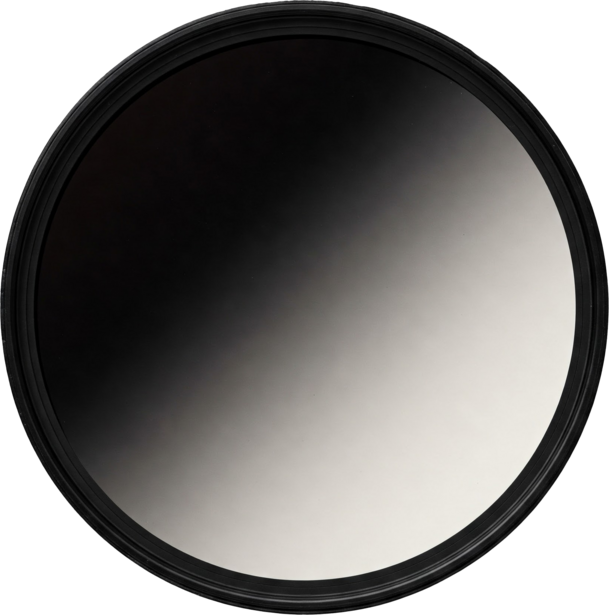
Filters Became Simpler Too
I used to carry far more filters than I realistically needed.
Different strength ND filters, graduated filters, UV filters, backups of everything, and multiple filter holders took up a huge amount of space. The problem was that I rarely used half of them consistently.
These days I mostly rely on a polarizer for general landscape photography because it genuinely changes the quality of light entering the lens. It helps reduce glare on wet rocks, controls reflections on water, and improves color separation in foliage and skies.
Beyond that, I often adapt in other ways rather than carrying excessive filter setups.
If I want a slightly longer shutter speed, I can often lower ISO or adjust aperture within reason. If conditions are too bright for a long exposure, I may simply embrace a faster shutter speed instead of forcing the image into a particular style.
That mindset removed a huge amount of unnecessary clutter from my bag.
Carrying Less Keeps Me More Engaged
One thing I did not expect when reducing my kit was how much more connected I felt to the actual experience of photography.
When I was overloaded with gear, photography often felt overly technical. I spent too much time thinking about equipment and not enough time observing the landscape itself.
A lighter setup changed that completely.
I became more aware of weather patterns, light direction, and subtle compositional details because my attention was no longer constantly pulled toward equipment choices.
I also started enjoying longer walks and hikes again.
That matters because some of the best landscape photographs are often found slightly beyond where most people are willing to stop. If carrying less gear allows you to move further, stay longer, or remain more alert when conditions improve, then it directly improves your chances of capturing stronger images.
Adapting Matters More Than Owning Everything
There will always be situations where you do not have the perfect tool with you.
That is completely normal.
What improved my photography most was learning how to adapt instead of assuming I needed a different piece of gear for every challenge.
No tripod? Use a rock or stable surface. No ultra-wide lens? Stitch frames together. No ND filter? Adjust shutter speed and work with the conditions instead of against them.
The more experience I gained, the more I realized that problem-solving in the field is a far more valuable skill than simply owning more equipment.
Good photographers are usually adaptable photographers.
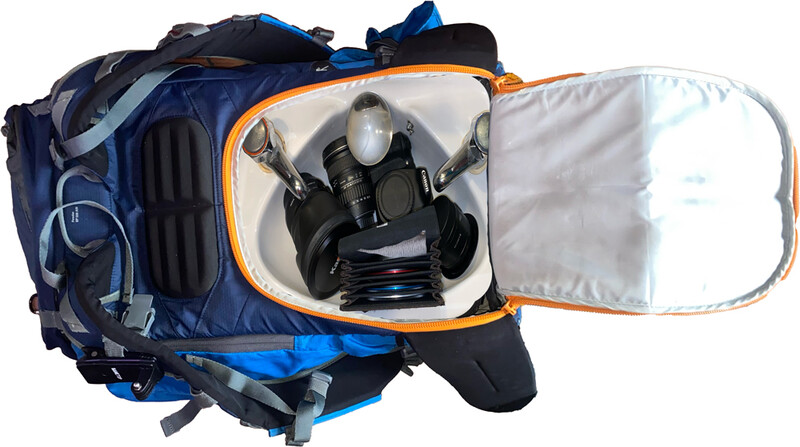
There Are Still Times to Bring More
Of course, there are situations where additional gear makes sense.
Long multi-day trips, client work, astrophotography sessions, or specialist wildlife photography can justify carrying extra equipment. I still pack differently depending on the goal of the shoot.
The difference now is moderation.
Instead of carrying every option available, I carry the equipment that directly supports what I am trying to create. That distinction matters.
Most ordinary landscape shoots simply do not require enormous amounts of gear.
In Summary
The longer I photograph landscapes, the more I believe simplicity is an advantage rather than a limitation.
A camera body, one versatile lens, a tripod, and a few essentials are enough to create the vast majority of landscape images most photographers will ever need.
Reducing gear does not reduce creativity. If anything, it often improves it.
For me, carrying less made photography faster, simpler, and far more enjoyable. It reduced fatigue, improved decision-making, and helped me focus on what actually matters in landscape photography: light, composition, timing, and being present in the environment itself.
Most importantly, it reminded me that great photographs rarely come from carrying the most gear.
They come from understanding how to use the few tools you already have properly.
What are your thoughts on this? Let's continue the conversation in the comments below.


Join the Fstoppers community for free
-
Post comments and join in the discussions
-
Browse the site ad-free
-
Share your work and get featured in the community
-
Compete in the photo contests for fun and prizes
6 Comments
I try to think about the images I'd like to shoot and keep the gear to a minimum, who wants to wear themselves out just getting there and making sure that everything is secured? Whether it's a personal project or a paid shoot, I try to keep it simple and concentrate on the images.
Absolutely, it also forces us to use what we have.. Thanks for your comment
When I went to Bryce Canyon, I knew the type of shots I wanted to get: super wide angle, "close-up" landscape shots or shots of formations and isolated details from places I could not hike to, such as farther-away formations...all in suble lighting conditions. I use a Nikon Z8, at times with the FTZII and the MB-N12 Power Battery Pack; plus an iFootage Cobra-3 monopod with a small ballhead on it. While there is certainly wegith to the equipment, it all fits in my sling pack, with a quicker-access in a side pouch. The lenses I took were the incredily sharp edge-to-edge Z 20mm f/1.8 for the large landscape shots and the realy close formation shots; the AF-S 24-70mm f/2.8G ED for the in-between shots; and the AF-S 70-200mm f/2.8E FL ED VR along with a TC-14E III to zoom even more (or photograph birds / lizrds / mammals, etc). Using the Z8's in-camera DX feature gave me even more focal length possibilities. My filters were a combination Polarizer-ND and a regular Polarizer. The shots, and the videos, all turned out really wonderful, and I hiked about 14 miles with that setup (and with water, as it was July). I would have regretted leaving behind any one of those 3 lenses, and they tend to be my go-to setup when hiking these days, since one can't predict the lighting, nor the unexpected.
Sounds like you have the ideal setup for your needs Franck.. that was a good hike to do too no doubt
Because it is really heavy?
One of the reason alright