If you find your photos flat, two-dimensional, maybe lacking impact and interest—there's one technique I use that can change that. It will guarantee to get you much more interesting and pleasing results. And that's sub-framing: creating a frame within a frame. Why is this so good? Well, it creates depth and interest. For those of you who are frustrated with your travel photography and feel it's boring and same-ol'-same-ol', this technique will take photos from tourist snaps to strong images.
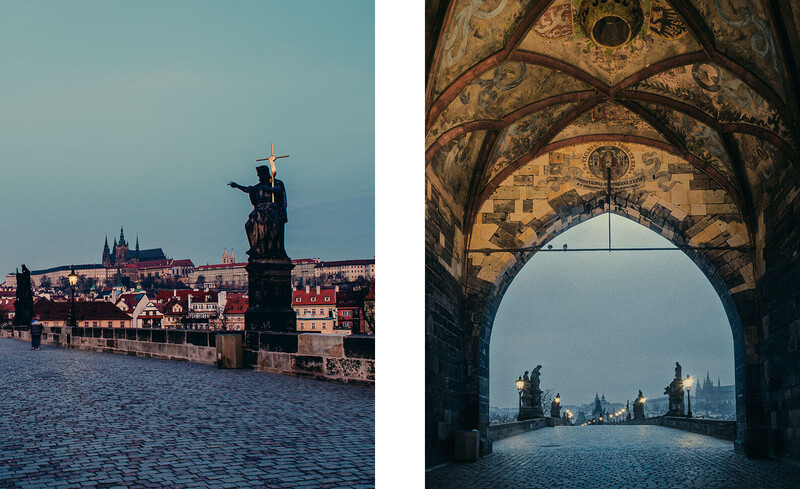
I use sub-framing all the time, like here at Charles Bridge in Prague. Everyone shoots this famous bridge (left), so I decided to step way back and use the arch as a frame for something more interesting (right). Not only did I add another visual layer, I added another layer to the story, showing the ornate detailing that so many people fail to notice.
With sub-framing, you're using elements in your scene to create a secondary frame inside your photograph, like the archway, doorway, window, branches of a tree, people, or even shadows.
This technique helps guide the viewer's eye to exactly where you want it to go.
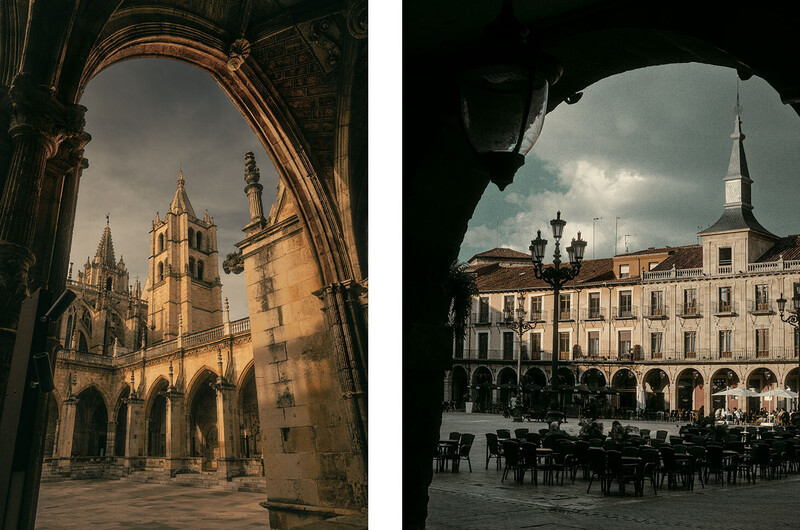
It adds structure and intention, it can provide context to your scene, and maybe most importantly—it adds depth.
In this video I talk about why sub-framing works so well and how it makes an image more immersive. I also touch upon mistakes that you can make, and share a bunch of example photos illustrating different ways I use the frame-within-a-frame technique. If you want to push your travel and landscape work further, Photographing the World: Landscape Photography and Post-Processing dives deep into composition on location.
Another reason to use this technique is that it slows you down and makes you think about what you're photographing. You start to think more creatively, and your photos become much better. Who doesn't want that?





Join the Fstoppers community for free
-
Post comments and join in the discussions
-
Browse the site ad-free
-
Share your work and get featured in the community
-
Compete in the photo contests for fun and prizes
5 Comments
The first image that comes to my mind using this technique is the overhead branches in a landscape that frame a distant mountain, or in my local case, a canyon with rock walls. Almost inevitably because of the great distance between a foreground tree and distant subject, the tree branches are way out of focus. Looks like a careless blurry mess, in my opinion. For most grand view landscape photos, I want the entire image to be in focus. And novice photographers have no idea how to bring the total depth of a picture into focus. Better photographers might jump too quickly into focus stacking before understanding hyperfocal distance.
We don't have much old architecture worth photographing around here. Old is 1970s and it usually gets bulldozed and replaced. Interior and architectural framing is the same challenge... bringing foreground and background into focus. And with interiors, a foreground wall is almost always much darker than the brighter outdoors background, so shadow detail can be a problem. You've posted some wonderful images that seem to handle these challenges, but a lot of photographers make a mess out framing their subject in this manner.
We don't have much old architecture here in smalltown Ontario either Ed, but it's fun to try and find something interesting. I would embrace shadows and not worry about them being dark. You can use that creatively. Appreciate the comment and kind words.
I shot this in Assisi, Italy last night, before watching the video. It was with my smart phone, but the frame thing jumped out at me! I also shot it with my M43, but haven't downloaded it yet.
I now carry a OM-3 and have been able to get more in focus than with my FF bodies. Shallow depth of field can be a plus.... or a drawback...
Thanks for the video, Simon!
An OM-3 is great "every day carry", enjoy!
I didn't mention that I left my Nikons at home, and my Q3 43. I brought my Q3M for Monochromes I hope to take in Greece, but the OM-3 with 4 lenses weighs less than One Nikon with the 24-120. My back is thanking me daily. For the last 2 days I've only carried the OM-3 with the kit lens, 14-150. It might not be as sharp as my 12-45, but I got some great sailboat shots that I never could have gotten without that extra reach.