A constant f/1.8 mid-range zoom on an APS-C body gets you close to the look of a 24-70mm on full frame, with less weight and a smaller footprint. That kind of flexibility is exactly what keeps pulling shooters back.
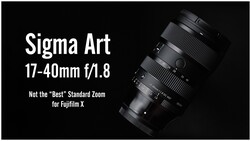
Mitch Lally walks through the Sigma 17-40mm f/1.8, a lens he waited on for months before the Fuji X version finally reached Australia. Lally has spent years jumping between APS-C and full frame, picking whatever suited the project in front of him, and this lens solved one of the main reasons he kept returning to full frame. On his Fuji body, the 17-40mm works out to roughly a 25-60mm full-frame equivalent, and that f/1.8 aperture pushes it into 24-70mm full frame territory. He took it on fashion portfolio tests and some travel work, and it replaced a run of primes he'd normally carry: a wide, a documentary focal length, and a 50mm-style close-up option.
The build gets a lot of attention here, and for good reason. Lally points to custom buttons, autofocus switches, an autofocus lock, and a physical aperture ring with a click and de-click switch that also locks so you won't bump it mid-shoot. The tolerances feel tight, the aperture ring has a satisfying click, and the whole thing is weather-sealed. He rates it a strong value given everything packed in, and he places it right in line with Sigma's recent run, if not a step above. For a lens covering this zoom range at f/1.8, keeping the size and weight in check was the real engineering challenge, and he came away impressed on that front.
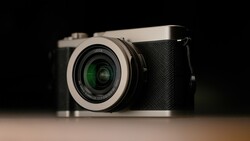
Size is where the honest hesitation shows up. Lally shoots mostly with the Fujifilm X-E5, a small, light rangefinder-style body, and bolting a lens this size onto it makes the setup front-heavy. He suggests the Fujifilm X-T or Fujifilm X-H bodies as a better match, since their larger grips balance the weight. For travel, where he covers long distances on foot, he plans to keep the Viltrox 25mm f/1.7 Air as his main lens and reserve the 17-40mm for portfolio work, lifestyle, and fashion jobs that demand a wide range of framing.
The wider story is about how far APS-C has come as a serious system rather than a budget compromise. For years, the logic ran that full frame was the only way to get shallow depth of field out of a zoom, so anyone chasing that separation eventually upgraded and hauled around heavier glass. A constant f/1.8 zoom flips that math. If you shoot people, a single fast zoom in this range covers environmental portraits at the wide end and tighter, cleaner isolation at the long end without a lens swap, which matters on a moving fashion or lifestyle set where changing glass costs you moments. The takeaway you can apply: match your lens choice to the job, not to a one-size-fits-all bag. A fast zoom earns its weight on paid shoots where versatility wins, while a small prime earns its place on a walk-around travel day. Owning both, and knowing which goes on which body, is the real skill.
Watch the full breakdown in the video above to see the sample images and hear exactly where Lally thinks this lens fits.



Join the Fstoppers community for free
-
Post comments and join in the discussions
-
Browse the site ad-free
-
Share your work and get featured in the community
-
Compete in the photo contests for fun and prizes
No comments yet