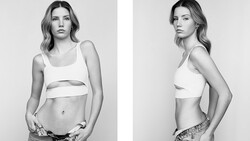
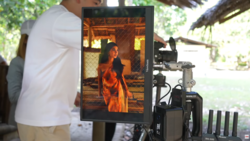
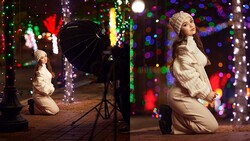
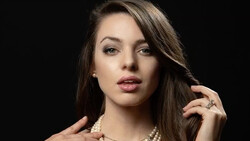
There are myriad ways you can light your subject in portraiture, and whether you're jaded by your go-to setup, or overwhelmed as to where to start, this video can help you add some more styles to your arsenal.
Honestly, I love videos like this. I may have been shooting for a long time at this point, but the value in these sorts of videos is still there as it reminds me of setups I might have forgotten or overlooked. However, when I was starting out, this sort of content was exactly what I needed to learn how to light my subject differently.
For years, I would experiment with every different lighting setup I saw, just to get a feel for the results. It took longer than I expected to really pay off, and it perhaps didn't pay off how I expected either, but it certainly did come through. By practicing lots of different lighting styles, I had many solutions locked up and ready to go. Usually, I would decide how I would light my subject far before the day, but on occasion, I was thrown curve balls. Either the location had to change, it was a last-minute request, or someone changed their mind, and suddenly, I'm in a position where I have to pivot and quickly.
One example is when I was shooting a small magazine editorial and the location we were meant to go was now occupied by people too important to be unseated. So, we had a tiny meeting room to work with, an hour, and no help. My plans were incinerated and I had to work out how to light my subject in a small, dark space, and get something I wanted at the end. I couldn't have done that without a decent selection of setups courtesy of educational videos like this one!

Join the Fstoppers community for free
-
Post comments and join in the discussions
-
Browse the site ad-free
-
Share your work and get featured in the community
-
Compete in the photo contests for fun and prizes
3 Comments
A guy who's using a lightmeter with a digital camera ... Instant cringe.
Let me guess... you're a youngster who thinks he knows better.
The reality is that knowing how to use a meter can make you faster and more accurate. Less chimping and gazing at the screen. Less time telling the model to "hold on, I've nearly got this..."
I use a meter for all of my product, portrait and headshot work. It makes life easier.
But hey, if "up a bit, down a bit" feels more productive for you, then feel free to miss out.
I’d follow this guy anywhere, 35 years of experience here, forget hes using light meter and pay attention to beautiful imagery