Photography Education

Whether you just picked up your first camera or you've been shooting for years and hit a plateau, there's always more to learn. This section is where Fstoppers publishes educational content aimed at genuinely improving your photography — not just gear tips, but the foundational understanding of light, composition, and visual thinking that makes the difference between a competent photographer and a compelling one.

5 Things Most Photographers Should Stop Doing Themselves

There is a particular kind of pride that keeps photographers doing everything alone. You built the business, you know how you like things done, and handing a piece of it to someone else feels like admitting you cannot handle it.

Why AI Might Actually Help Your Photography

Most of the conversations about AI in photography seem to stem from anxiety. The focus is on commercial jobs being replaced, fake images flooding our feeds, or a sense that what makes the craft feel real is eroding. It is a repetitive drumbeat and makes some sense.

Why Your Fast Camera Is Making Your Photos Worse

Modern cameras shoot at 30 frames per second, focus faster than your eye can follow, and stabilize by five or six stops, and all of that speed may be quietly ruining your pictures. The fix has nothing to do with buying more gear and everything to do with pace. 

Preparing for and Executing a Red Carpet Shoot Like a Pro

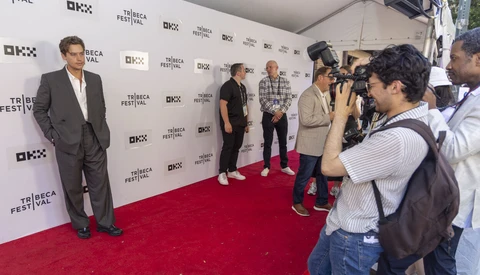
Red carpet photography looks straightforward from the outside, but the access, gear, and etiquette behind a single clean frame are anything but obvious. After nearly two decades away from the assignment, I returned to the carpet at the Tribeca Film Festival and relearned what it takes to shoot one well.


What to Look for in a Laptop for Photography in 2026

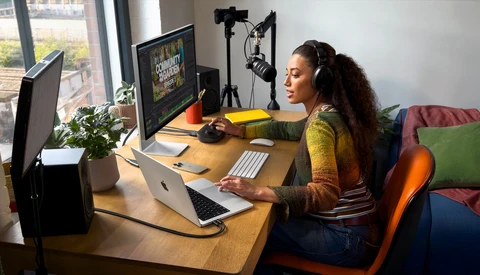
The right laptop edits a wedding on a hotel bed as happily as it does at your desk; the wrong one turns every export into a fan-screaming, battery-draining compromise. Here's how to tell them apart in 2026, and which machines are actually worth carrying. 

How to Get Sharp Photos Every Time: A Beginner's Checklist

Blurry photos almost always come down to one of three things: the camera moved, the subject moved, or the lens focused on the wrong place. That is genuinely most of it. Once you can recognize which of the three is ruining a shot, the fix is usually fast and specific.
Why Your Portraits Feel Flat and the Five Fixes That Change That

Portraits that fall flat usually trace back to a handful of choices made before and during the shoot, not to some missing gear or secret edit. Focal length, color, light, and how your subject moves all pull weight, and small shifts in each one add up fast. 
What to Look for in a Desktop Computer for Photography in 2026

Your camera gets the glory, but your desk is where the hours actually go. Culling a 2,000-frame wedding, stacking a 40-shot Milky Way panorama, running AI masks across a folder of 61-megapixel raw files: none of that happens in the field. It happens on the machine under your monitor, and the wrong one turns each of those jobs into a coffee break you didn't ask for.
7 Mistakes Beginners Make With Their First Prime Lens

Your first prime lens, usually the classic 50mm f/1.8 "nifty fifty," is one of the best teaching tools in photography. It is small, sharp, inexpensive, and it forces good habits that a zoom never demands.

How to Photograph the 2026 Total Solar Eclipse

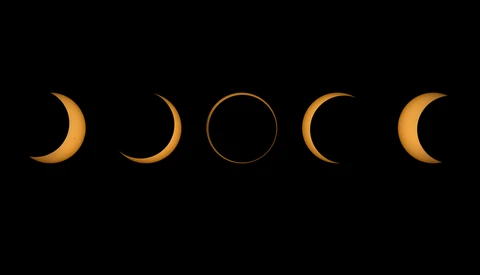
For up to two minutes and eighteen seconds on August 12, the sky along a narrow path running from the Arctic to northern Spain will go dark in the middle of the day. Birds may fall silent, the temperature will drop, and the sun's white corona will appear around the moon.

Ten Lightroom Classic Shortcuts That Cut Your Editing Time

Most Lightroom Classic users move the same sliders the same way every session, never touching the shortcuts hiding one keystroke away. Ten of them can cut real time off your workflow, and a few will surprise even people who have run this software for years. 

Why Fast Primes Might Be Hurting Your Portrait Sessions

A shallow depth of field ruins more portraits than a small aperture ever does. That claim runs against nearly everything you've been told about what makes a serious portrait setup, and it's worth sitting with before you spend money on another fast prime. 

Focus Limiters: The Overlooked Switch That Can Reduce Autofocus Hunting

There is a switch on your telephoto lens that many photographers never touch. It sits in the bank of controls on the barrel, usually labeled something like FULL and 3 m to infinity, and it is one of the quickest things to check when you hit the most maddening autofocus problem there is: the lens racking back and forth through its focus range while the bird you wanted flies away. 

12 Film Cameras Worth Buying in 2026, Ranked by How You Shoot

Twenty dollars can buy a film camera that shoots manual exposure, aperture priority, and autofocus, and it happens to be the same camera one longtime shooter started his whole film journey on. Film photography keeps pulling in new people every year, and picking a first camera without wasting money or ending up with a broken body is the hard part. 

The Hidden Color Grading Tool Sitting Inside Photoshop

Color grading gives you a quiet way to shift the mood of an image without wrecking it, and getting it wrong is how photos start looking fake. Two shots of the same bird, taken in different light, can end up looking like completely separate images unless you know how to steer the color. 

Seven Premiere Tools You've Been Ignoring for Years

Premiere Pro can now bleep out swear words on its own, and that's just the first of several tools buried in the software that most editors have never touched. If you've been cutting video for years, some of these will still catch you off guard. 

Five Rules for Photographing in Bright, Ugly Light

Most landscape advice tells you to pack up when the sun climbs high and the shadows turn hard, yet some of the strongest work happens in exactly those conditions. Learning to read harsh light gives you far more hours to shoot and a look most people never chase. 

Stop Building Your Website Like a Filing Cabinet

Your photography website works against you the second a client needs more than 30 seconds to figure out what you shoot. That's the standard many working professionals now assume, and most portfolios fail it. 

13 Second-Shooter Mistakes That Get You Blacklisted

Second shooting is the most common on-ramp into professional wedding and event photography, and it runs almost entirely on trust. A lead photographer is handing you part of the most important day of a client's life, on their reputation, under their contract, for money the client paid them.

Myth: Full Frame Is a Goal Every Photographer Should Be Working Toward

The way most photographers talk about sensor size gives the game away. There is a ladder in their heads. Phone at the bottom, then the little compacts, then Micro Four Thirds, then APS-C, then the promised land of full frame, and you climb it as you get more serious, upgrading rung by rung until you arrive. Buying a full frame body is treated as a graduation.

The Lighting Mistakes Hiding in Your Portraits

A photographer critiquing a stranger's early work is common enough, but here the images being torn apart turn out to be his own from 15 years ago. The fixes are the same ones any photographer can apply to their own portraits right now. 

Myth: You Need f/2.8 Zoom Lenses to Turn Pro

Somewhere in the path from enthusiast to professional, most photographers absorb a belief they were never quite taught directly: that going pro means owning the holy trinity. A fast wide zoom, a 24-70mm f/2.8, and a 70-200mm f/2.8, all at that magic constant aperture, bought as a set, treated as the cost of admission. The gear becomes a credential.

5 Things Photographers Start Noticing After Seriously Studying Modern Painting

Most photographers reach a point where making technically better pictures no longer changes much. The camera works, your technique is solid, and the world starts to look familiar. One way out has little to do with photography. Time spent with modern painting changes what you notice before you press the shutter by exposing decisions the camera normally makes for you without asking. 

What Actually Separates a Good Portrait From a Great One

Show the same portrait to two working photographers and you can walk away with two opposite verdicts, one calling it strong and the other pulling it apart. Learning to read those reactions, and figuring out which ones are worth your attention, changes how quickly you grow. 

Top Ten With Tina Sokolovska, and the Philosophy Which Led to Two Million Reposts

Tina Sokolovska is a newly appointed Nikon Ambassador, as well as an American-Ukrainian photographer, creative director, and educator based in New York. Her 2017 breakout image, "On the Wave," was noted by 35photo.pro as one of the Top 100 Best Photographs in the World, and has been reposted on social media more than two million times.

Why Boring Subjects Make the Best Photos

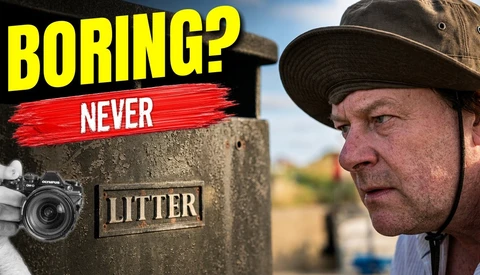
A litter bin by the beach with the front panel missing became a compelling black-and-white image, and the whole thing took a change of approach rather than a change of location. The idea runs through the entire session: the most mundane object can hold your attention if you photograph it the right way. 

Pixel Pitch: Does Camera Pixel Size Actually Matter?

Ask around and you will get a confident answer: bigger pixels are better. They gather more light, so they produce cleaner images with less noise, which is why the low-megapixel low-light specialist supposedly beats the high-resolution body when the sun goes down. It is one of the most repeated ideas in photography, and it is mostly wrong.

The London Shooting Locations Locals Guard for Themselves

London rewards the photographer who stops rushing from landmark to landmark and instead learns a handful of spots inside out. The same corner shifts completely between a July afternoon and a January noon, and knowing when to show up matters as much as knowing where. 

Quantum Efficiency: The Sensor Spec Nobody Publishes

Almost every consumer camera you have ever bought came with a spec sheet, and that spec sheet left out the one number that most directly describes how good the sensor is at its actual job: catching light and turning it into signal. It told you the megapixel count, the ISO range, the frame rate, the buffer depth, the number of autofocus points.

How to Choose Your First Interchangeable-Lens Camera in 2026

Buying your first interchangeable-lens camera is a harder decision than it should be, because the marketing pushes you toward the wrong questions. It wants you comparing megapixels and burst rates between bodies. Those numbers barely matter for a beginner.

Technique or Creativity: Which One Actually Improves Your Photos?

You can win a photo competition shooting JPEGs on full auto, never touching a computer, and uploading straight to a tablet. That claim sits at the heart of a debate every shooter eventually runs into: does technical mastery matter, or does creative vision carry the whole thing? 

How to Use AI in Your Photo Business Without Becoming the Thing Clients Distrust

There are two completely different ways to use AI in a photography business, and clients react to them in opposite directions. Confusing the two is the fastest way to talk yourself out of a tool that would save you ten hours a week, or into a practice that quietly costs you the trust your business runs on.

Three Portrait Setups That Work Every Time You Get Stuck

Standing in front of a person with a camera and no plan is one of the fastest ways to freeze up on a shoot. Having a small set of reliable frames to fall back on keeps you moving and gives every session a solid starting point. 

The Intersect Mask Feature Most Lightroom Users Ignore

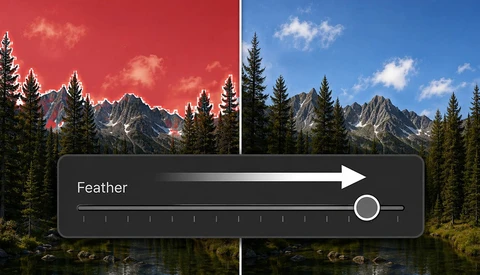
Masking inside Lightroom Classic separates a rough edit from a clean one, and wildlife images demand that precision more than most subjects. Feathers, reflections, and busy backgrounds all fight for attention, and a sloppy mask shows immediately. 


How to Fix Your Website as a Solo Photographer and Filmmaker

After years of evolving as a photographer and filmmaker, I realized my website was cluttered and was not landing paid client work. With guidance from a marketing strategist, I honed my messaging and focused on how I help clients. Let’s discover how we can transform our site into a compelling platform that resonates with our audience.


Why Good Light Won't Save a Bad Photograph

Ask ten photographers what makes a good photograph and you'll get ten different answers, and the person asking might have given a completely different reply three decades earlier. That gap between the beginner's checklist and the experienced eye is where the real lessons hide. 

Why 5 a.m. in the Woods Beats Perfect Weather Every Time

Most woodland advice tells you to wait for flat, overcast light. Summer dawn breaks that rule, handing you a narrow window where low, dynamic sun arcs through the canopy and rewards anyone willing to lose sleep over it. 

What Clipping Is and How to Spot It Before It Ruins a Shot

You take a photo of a beautiful sky, glance at the back of the camera, and it looks fine. Later, on your computer, the sky is a flat sheet of pure white with no clouds, no gradient, nothing to recover. That is clipping, and it is one of the most common ways a promising shot quietly dies.

The Lightroom Panel Most Landscape Shooters Underuse

Warm highlights, cool shadows, and a foreground green cast that has to go: this is the color puzzle behind most sunset landscapes. Getting those tones to feel intentional rather than accidental is the difference between a flat raw file and an image people stop scrolling to look at.