Photography Education

Whether you just picked up your first camera or you've been shooting for years and hit a plateau, there's always more to learn. This section is where Fstoppers publishes educational content aimed at genuinely improving your photography — not just gear tips, but the foundational understanding of light, composition, and visual thinking that makes the difference between a competent photographer and a compelling one.

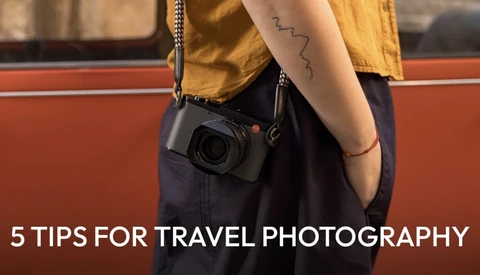
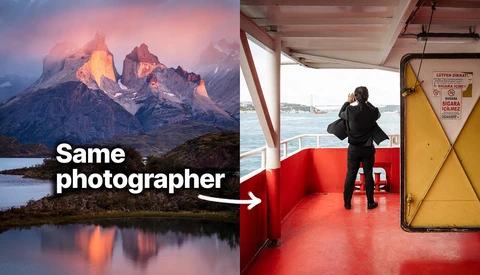
Why the Best Travel Portraits Don't Look Like Portraits at All

Getting a genuine portrait of a stranger is one of the hardest things to pull off in travel photography. The second someone knows a camera is pointed at them, they stop being themselves, and whatever drew you to them in the first place vanishes.

Why Mini Sessions Might Be Quietly Killing Your Photography Business

Mini sessions are one of the most common strategies portrait photographers use to fill their calendars, but the math behind them rarely adds up. When you account for travel, setup, shooting, editing, delivery, and client communication, you're often looking at a pittance even before taxes, equipment costs, or software subscriptions.

The Studio Lighting Tools Most Shooters Overlook

Shooting with a snoot or projector attachment unlocks a level of light control most setups simply can't match. Mark Wallace puts that to the test in a recent studio session, building off a lighting guide created by his colleague and then pushing into entirely original territory.

Why the Best Portrait Photographers Specialize in One Thing and Ignore Everything Else

Choosing a specialty in portrait photography isn't just a stylistic preference. It's a business decision. The photographers who build sustainable careers aren't necessarily the most technically gifted; they're the ones who commit to a recognizable style and understand the world around their images, not just the camera settings.

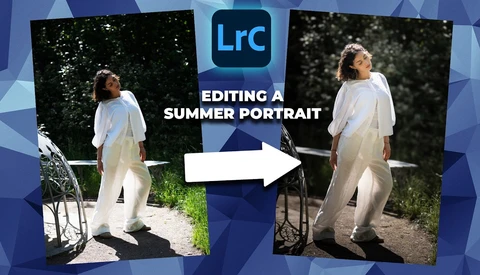
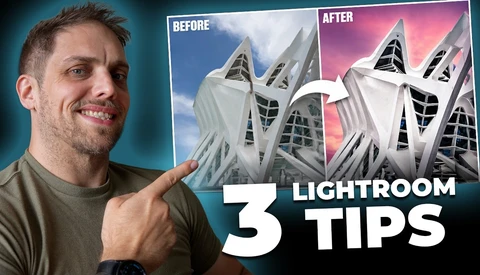
10 Lightroom Mistakes That Are Ruining Your Photos

Lightroom is the most widely used photo editing application in the world, and for good reason. It is powerful, nondestructive, and flexible enough to handle everything from a casual vacation gallery to a professional wedding shoot. But that flexibility comes with a cost: there are dozens of ways to make your images look worse instead of better, and most of them feel like improvements while you are doing them.

The Best Beginner Film Stocks for Color and Black and White

Picking the wrong film stock can ruin an entire roll before you ever press the shutter. ISO, light conditions, and your specific camera's limitations all play into which film actually makes sense for a given shoot, and getting this wrong costs you both money and photos.

Getting Started With Portrait Lighting: 4 Classic Patterns Explained

Lighting is one of those skills that separates snapshots from professional-looking images. Whether you're working in a studio or improvising at home, understanding these four classic lighting patterns gives you a repeatable, reliable system for flattering almost any subject.

The Raw Editing Workflow That Actually Looks Like Film

The Fujifilm X100VI has become one of the most talked-about compact cameras in recent years, and for good reason. It fits in your pocket, goes anywhere, and produces files that can genuinely be pushed toward a 35mm film aesthetic without much fighting.

13 Signs Your Photography Website Is Costing You Clients

Slow load times. No clear pricing page. A portfolio organized by date instead of genre. These are the silent killers that drive potential bookings away before a visitor ever reaches your contact form. Your website might be gorgeous to you, but if it's not converting visitors into inquiries, something is broken, and it's probably one of these things.

How Long It Actually Takes to Make One Perfect Darkroom Print

Slowing down and making a single print from start to finish is one of the hardest things to do when you shoot a lot. Most people never get there, not because they lack the skill, but because the habit of moving on to the next shot is almost impossible to break.

Shooting Beautiful Photos a Few Hundred Yards From Your Front Door

Fuel costs are pushing a lot of people to rethink how far they drive just to take photos, and that pressure might actually improve your photography. Finding compelling images close to home is a skill, and most people haven't developed it because they've never had a reason to try.

10 Camera Settings You Should Change Right Now (and Never Touch Again)

Every camera ships with default settings designed for the broadest possible audience. Those defaults are tuned for safety, not precision. They prioritize avoiding catastrophic failure over delivering optimal results, which is fine if you're handing the camera to a tourist but actively counterproductive if you're trying to produce professional work.

Don’t Say No to the Photograph

Every photographer has experienced a moment where they almost raise the camera but refrain from pressing the shutter. What if, during photography, we began by saying yes instead of no?

This Is Why Your Photography Stopped Improving and How to Fix It

Most people who pick up a camera hit a wall. The early momentum fades, improvement slows, and you find yourself stuck somewhere between beginner and advanced, good enough to know what a great shot looks like but not consistent enough to make them reliably. That gap has a name, and knowing how to navigate it makes the difference between photographers who grow and ones who quit.

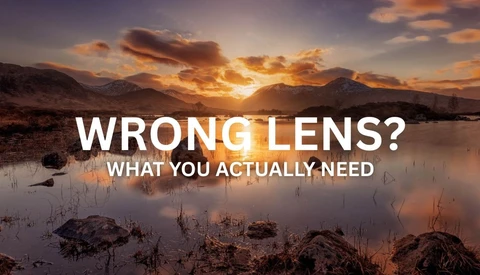
Shooting Red Rock Canyon with a Sony a7 IV, a Pug, and Three Lenses

Picking the right lenses before a shoot you've never scouted is a gamble. This photographer's go-to kit for unknown locations — a 35mm, a 150–500mm, and a 14–24mm — gives a real-world look at how a working travel and landscape setup holds up in the field.

The Right Focal Length for Portraits Isn't What Most People Think

The lens you choose doesn't just affect background blur or how much of a scene fits in the frame. It physically changes how your subject's face looks, and if you're picking focal lengths based on habit rather than intention, you may be getting results that don't match what you're seeing in real life.

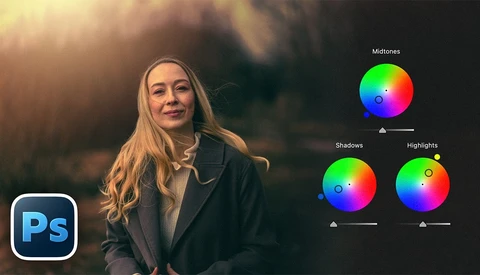
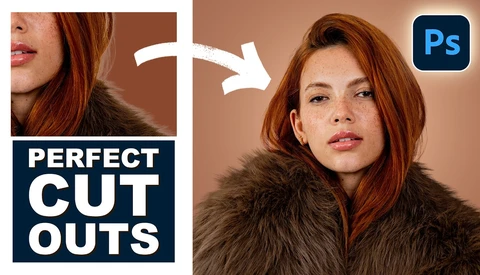
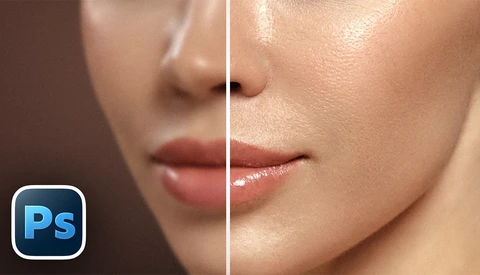
The Right Way to Isolate and Recolor Clothing in Photoshop

Changing clothing color in Photoshop sounds simple until you realize the color you're targeting also exists in your subject's skin. That overlap is where most attempts fall apart, and fixing it the right way requires a few specific steps that aren't obvious if you're just dragging hue sliders.

What Is Dual Gain ISO and Why Does It Matter?

Most photographers think of base ISO as a single number: the setting that produces the cleanest possible image with the widest dynamic range. In reality, even "base ISO" is more complicated than it sounds. 

Lightroom's 4 Sharpening Methods and When to Use Each One

Lightroom has at least four distinct ways to sharpen an image, and most people only use one or two of them. Knowing when to use each one and how to combine them is the difference between sharpening that looks deliberate and sharpening that looks overdone.

The Hidden Lesson Behind a First Photography Print Sale

Deciding to print and sell your own work is one of those things that's easy to keep putting off, and Faizal Westcott finally stopped putting it off. The process taught him things about printing, paper, pricing, and the psychology of selling art that most people don't think about until they're already in it.
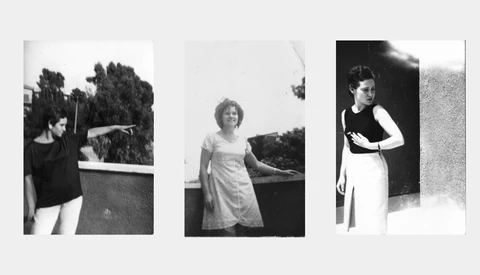
Photo Paper Names Are Mostly Marketing. Here's What Actually Matters

Choosing the right paper for your inkjet prints is more complicated than most people expect, and most of the confusion comes from marketing language, not actual technical differences. Understanding what paper names actually mean, and what's really inside the box, can save you money and frustration.

Four Mistakes That Make Your Film Photos Look Amateur

Shooting film for a decade gives you a clear view of what separates a polished image from one that looks like it came from a beginner. The culprit is almost never the camera or the film stock itself; it's a handful of repeatable mistakes that are completely fixable once you know what to look for.

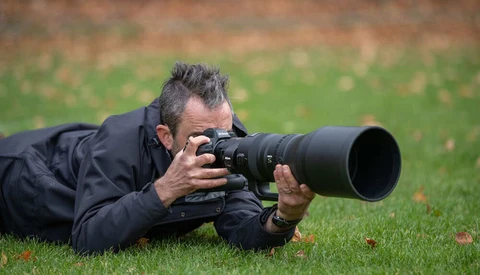
Handholding a Telephoto Lens Wrong Is Costing You Sharp Wildlife Shots

Handholding a long telephoto lens is one of the fastest ways to come home with a memory card full of soft, blurry shots. Even small movements get amplified at long focal lengths, and if your technique is off, no amount of image stabilization will fully bail you out.

What Happens to Your Photos When You Die and What to Do About It Now

Most photographers spend years building an archive worth protecting, but very few have a plan for what happens to it after they die. Copyright, physical media, cloud accounts, and stock licensing don't sort themselves out automatically, and without a plan, decades of work can vanish or get tied up in legal chaos.

The Case for Slowing Down in Landscape Photography

Landscape photography has an intimidating reputation, built up by an industry of tutorials, workshops, books, and courses that treat it like a discipline requiring years of study. But this video makes a compelling case that most of that complexity is noise.

The 3-Step System for Accurate Interior Real Estate Colors

Getting white balance right in real estate interiors is harder than it looks. Competing light sources, colored walls, and reflective surfaces all pull your colors in different directions, and fixing it all globally in post rarely works.

5 Low Light Mistakes That Are Costing You Image Quality

Shooting in low light is one of the most technically demanding situations in photography, and a handful of bad habits can quietly ruin your results before you ever open an editing program. Most of these mistakes are easy to fix once you know what to look for.

How Contrast in Shape and Texture Can Replace Perfect Light

Shooting in bad light isn't a death sentence for your images. In fact, some of the strongest nature photographs come from conditions most people walk away from. Knowing how to read light, use contrast, and process with intention separates images that resonate from ones that just document a place.

How to Find and Frame Epic Sunset Light Before It Happens

Great light isn't random. After 15 years of landscape photography, William Patino makes the case that almost none of his best work has come down to luck. It comes down to reading the sky, understanding cloud behavior, and knowing exactly what to do once conditions start to break your way.

How Layers of Light Create Depth in Any Photo

Flat photos usually come down to one thing: no sense of depth. Understanding how to build layers into your compositions is one of those skills that quietly separates the work of consistently compelling photographers from everyone else.

Lightroom Has a Surprising Fix for Lens Flare

Lens flare is one of those problems that can ruin an otherwise great shot, and the usual fixes in Lightroom take time and skill. A trick circulating in the landscape photography community suggests using Lightroom's reflection removal tool, originally designed for shooting through glass, to clean up lens flares instead. 

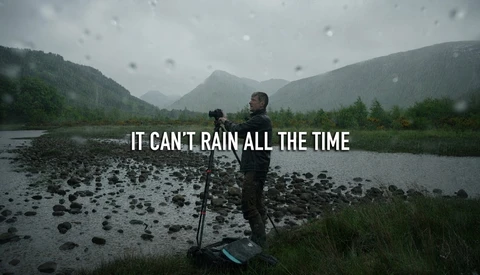
In Good Weather, Pick a Bad Camera

Fog, rain, and low light are the conditions most people pack away their cameras for. This photographer shoots in exactly those conditions on purpose, and the reasoning is worth understanding.

This Photographer Spent Two Hours in One Spot and Kept Finding New Images

Fog, muted tones, and a dull day at Hickling Broad Nature Reserve on the Norfolk Broads make for some of the most compelling images in this video, and that's exactly the point. The difference between a snapshot and a photograph comes down to one thing: how much time and thought you put into making it.
DxO PureRAW 6 Is the Strongest Version Yet — Here's What's New and How to Use It

Raw files straight out of your camera carry noise, chromatic aberration, and lens imperfections that will follow your image through every step of post-processing. Running your files through a dedicated pre-processor before you ever open Lightroom gives you a cleaner foundation to work from, and the results compound as you edit.
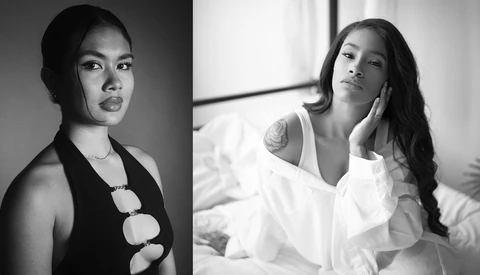
Lighting Demo Reveals What 6 Different Modifiers Actually Do to a Subject

Lighting modifiers can make or break a photo, but most people learn about them by reading descriptions instead of seeing them work in real time. Watching how light wraps, falls off, and creates dimension on an actual three-dimensional subject is a faster path to understanding than any chart or spec sheet.
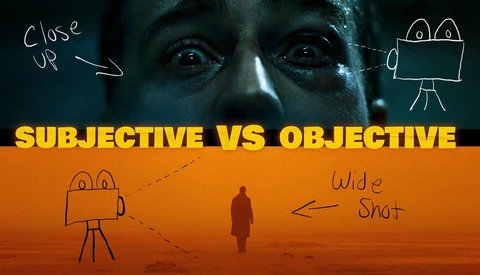
Let Your Creativity Bloom: Cover the Washington, D.C. Cherry Blossom Festival Like a Pro

Every year, the cherry blossom trees around the Tidal Basin and throughout D.C. bloom in a spectacular display of pink and white petals. These annual events provide an opportunity to create stunning landscapes and captivating portraits. In preparation for this year's National Cherry Blossom Festival, here are some tips and tricks to help get you up to speed on where to get the best shots and when to shoot.

10 Unwritten Rules of Photography That Nobody Teaches You

Photography education has a blind spot. Workshops teach you exposure. YouTube teaches you composition. College teaches you history. But nobody sits you down and explains the professional norms that separate working photographers from talented hobbyists who can't figure out why clients aren't coming back. These aren't technical skills. They're behavioral patterns, the kind of knowledge that usually arrives the hard way, after a mistake you can't undo. Here are ten of them, collected so you don't have to learn each one at your own expense.

Three Personal Branding Looks from One Light: Here's How It Works

Shooting personal branding with a single light sounds limiting until you see what Lindsay Adler does with one modifier, a few small adjustments, and a corner of the room. The gap between a dramatic, shadow-heavy portrait and a soft, glowing high-key image can come down to nothing more than removing a grid and pointing a light at the ceiling.

Five Photography Myths That Are Quietly Limiting Your Portrait Work

Shooting portraits only during golden hour with an 85mm lens sounds like solid advice until you realize it's quietly limiting what you're capable of creating. This video breaks down five of the most common portrait photography myths and explains what to do differently.

The Real Reason Wedding Photography Feels So Overwhelming

Wedding photography stress is mostly optional. That might sound like a bold claim, but this video makes a compelling case that the overwhelming feeling most people associate with shooting weddings comes from gaps in preparation, not the job itself.

How to Photograph a Wedding From Start to Finish

Shooting your first wedding is one of the highest-stakes situations you'll face with a camera in your hands. There's no second take on the kiss, no reshooting the vows, and no recovering a moment you missed because you didn't know it was coming.

ISO 100 Is Holding Back Your Wildlife and Landscape Shots

Keeping your ISO at 100 sounds responsible, but it may be costing you sharp, usable shots. This video argues that treating ISO as a strict limit rather than a flexible tool leads to sacrificed shutter speed, compromised stability, and missed moments.

Point Color in Photoshop Is the Color Tool You've Been Ignoring

Photoshop has more color-grading tools than most people ever use, and picking the wrong one costs you time and control. Point Color, tucked inside Camera Raw, gives you precision that the standard Hue/Saturation adjustment simply can't match.