Mini sessions are one of the most common strategies portrait photographers use to fill their calendars, but the math behind them rarely adds up. When you account for travel, setup, shooting, editing, delivery, and client communication, you're often looking at a pittance even before taxes, equipment costs, or software subscriptions.
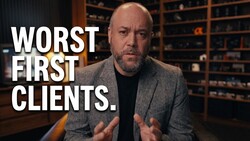
Coming to you from Miguel Quiles, this sharp and opinion-driven video makes a case that mini sessions aren't just financially inefficient — they actively shape how the public perceives your work. Quiles breaks down the hourly reality of a typical mini session day: up at 5:00 a.m., photographing families every 15 to 20 minutes for six to eight hours, then going home to edit 15 separate galleries, and netting somewhere around $100 to $175 per booking. He uses two analogies — a dentist doing back-to-back 20-minute cleanings with no time for X-rays, and a plumber offering 15-minute "mini sessions" under your sink — to illustrate how absurd that model sounds when applied to any other skilled profession. The point lands hard because it's accurate. Pricing, Quiles argues, isn't just a number. It's communication, and a $125 mini session tells potential clients something specific about how you value your own time and craft.
The video also cites real industry data. According to a state of the photography industry report, 65 to 77% of photographers recorded increased business costs in 2024, but pricing hasn't kept pace. Quiles connects that gap directly to photographers competing on price, specifically those running mini sessions at rates that don't cover basic expenses. He also references a 2025 burnout report that links client expectations of 2015 prices with 2025 everything else to photographers leaving the field entirely. That's not a minor trend. That's a structural problem, and mini sessions are part of what's feeding it.
Quiles addresses the most common defenses of mini sessions head-on: the idea that mini sessions convert price-sensitive clients into full-session bookings later. He pushes back on that with a straightforward argument: the client who books a $125 session is telling you exactly what their priority is. He also takes on the "I'm just building my portfolio" argument and reframes it clearly: building a portfolio and building a business are different things, and the price you launch at becomes your brand's baseline. Raising prices with the same audience later is far harder than starting at the right number from the beginning. For those who genuinely want to serve families with tighter budgets, he offers alternatives that don't require burning yourself out: scholarship sessions, nonprofit partnerships, or community projects done on your own terms. The second half of the video shifts to practical alternatives, including in-person sales appointments, subscription-style portrait memberships, annual family session packages, and corporate headshot retainers, which are models that generate predictable income without the assembly-line grind.
Check out the video above for the full breakdown from Quiles, including the specific revenue numbers behind in-person sales and the business models worth considering instead.



Join the Fstoppers community for free
-
Post comments and join in the discussions
-
Browse the site ad-free
-
Share your work and get featured in the community
-
Compete in the photo contests for fun and prizes
No comments yet