
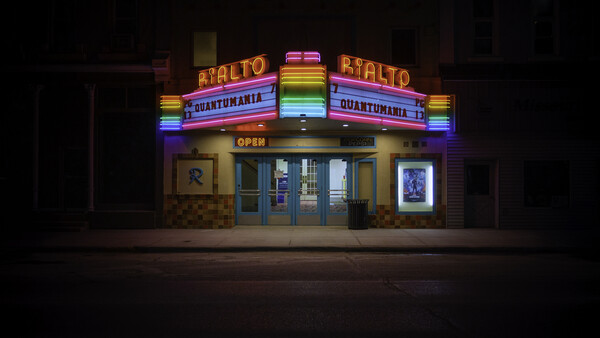
Every photographer has experienced a moment where they almost raise the camera but refrain from pressing the shutter. What if, during photography, we began by saying yes instead of no?
The quiet truth in photography is that the most missed photographs aren't missed because we couldn't take them — it's because we said no too quickly. Too often, we are quick to be judgmental about the scene in front of us. We have a mental checklist we go through when creating a photograph; at times, we check all the boxes except one or two that we think will prevent a great photograph. Since a box or two was not checked, we passed on the photograph. What if we started saying yes more than no? Just saying yes doesn't mean we are taking more photographs; it means staying long enough to let the photograph reveal itself.
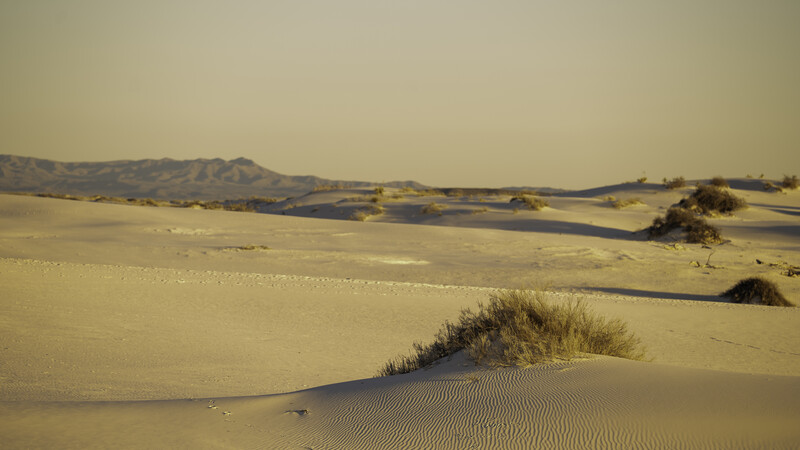
The Real Reasons We Say 'No'
If we dug deeper into the reasons we say no, we could easily change the narrative to "yes" more often. The internet has taught us, as photographers, a great deal of good and bad things. Many times it has taught us that a photograph should not be taken for a number of reasons.
"The light isn't good."
"I've seen this before."
"It's not my style / not a portfolio piece."
"People will think I'm weird."
"I'm in a hurry / not in the mood."
"This won't get likes."
Most of these "reasons" are not technical issues; they are largely permission problems shaped by external beliefs or personal excuses. Frequently, we frame these as technical obstacles to justify feeling better about passing on a photograph. If these are the justifications we use to avoid taking photos, it's essential to examine our mindset more closely, overcome these mental barriers, and stop making excuses.
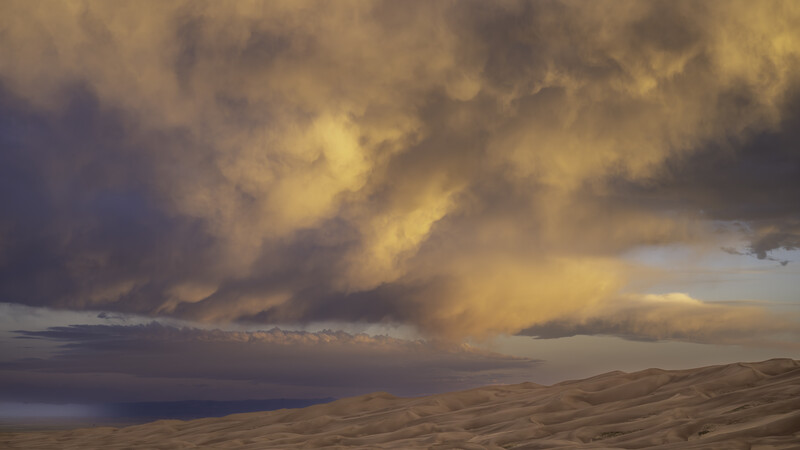
The Hidden Costs of Skipping
Photography is like life; there are choices to be made, and they carry consequences. When we start skipping photographs, we start to lose. Each time we pick up a camera and take a photograph, it's another step toward getting better. Taking a photograph is not just about producing something; it's a practice. The more we practice, the better we become at our craft. To many, photography is a sprint; it's actually a marathon. There is a chain reaction when we photograph, too. At times, I have taken a photograph, and a chain reaction starts. The original photograph I stopped for was not the one, but it was the one that started the chain reaction. Shortly thereafter, I find the actual photograph. Whether that first photograph was great or not, it started the chain reaction that continues throughout the day.
There are many things that hold photographers back. The biggest? Confidence. We start to train our hesitation when we lack confidence. Many times, I have said to myself: good or bad, just take the damn photograph. The more we hesitate, the more we train our brains to hesitate when we imagine a photograph and what we need to do to achieve a final result.
Really, we should never skip a photograph. We are living in the 21st century, which means we're shooting digitally (mostly), not on film. We have nothing to lose but a full memory card that can be easily and quickly formatted. Each frame we create, whether it's good or bad, has the power to teach us for future photographs.
- Transitions (weather shifting, light changing, people entering/leaving)
- Small gestures (hands, posture, glance, routine)
- Odd alignments (shape echoes, symmetry, visual jokes)
- The "ugly" scene with good structure (strong lines, layering, tension)
- Anything that makes you feel something (even if you can't explain it yet)
- Early frames in a location (warm-up shots that unlock the rhythm)
'Not Great Light' Isn’t a Stop Sign
I dislike hearing that poor lighting is a barrier to creating a photograph. I firmly believe that understanding light and its qualities allows you to make a good photo. For a softly lit scene, avoid shooting at noon. If you understand how difficult poor light can be in a certain scene, you can still capture a photograph. So, don't use "light was not great" as an excuse to stop shooting. Instead, think about the situation: the shot I aimed for in this lighting isn't working anymore, and I need to consider what can be photographed under these current lighting conditions. Below are a few tips for when the lighting isn't great.
- Use contrast and shadow as design.
- Simplify: remove elements, change angle, get closer.
- Let grain/noise be part of the mood (within reason).
- Expose intentionally (protect highlights, silhouette, or embrace darkness).
- Convert expectations: treat it as a study, not a masterpiece.
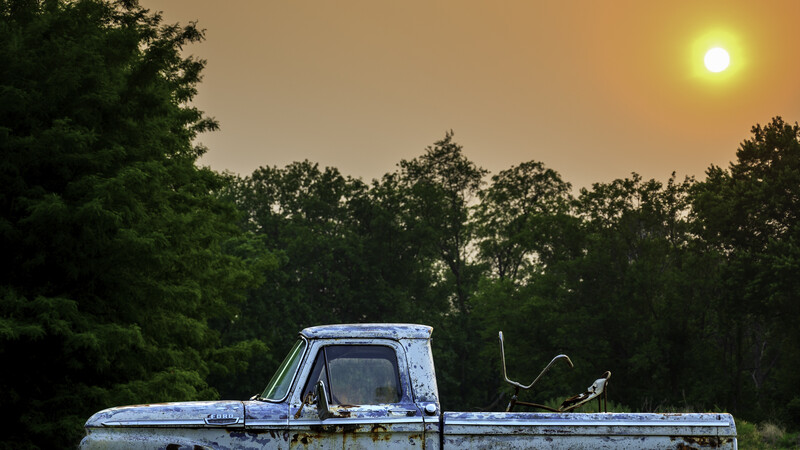
The 30-Second Yes: A Simple Field Rule
A repeatable decision tool:
If you notice it, give it 30 seconds.
Make 3 frames:
- The obvious shot
- A step closer (or longer focal length)
- A different perspective (low/high/through something)
Then leave guilt-free. This keeps it intentional, not endless.
Using this simple tool in your photographic process is an easy way to get started each and every time.
Why the 'Safe No' Is Killing Your Personal Work
We're trained by the internet. I find it interesting that as photographers, we tend to become followers — not in the sense of social media followers, but in terms of listening to others instead of trusting our own perspectives and ideas. Now, don't get me wrong, we need to educate ourselves, but we need to remember that we are artists with our own creative minds. So why do we let others alter our own creative vision? We are taught that we need to get the "banger" shots and watch this XYZ video to set up our camera, or follow these five steps every time and we'll get amazing photographs.
To a point, this is true. Unfortunately, it is not always the case. Many photographers follow these five steps only to realize that it doesn't work out. What we need to do is look at the information, learn from it, and apply it to our photographic processes. This is where the success will come from, not a YouTube video. Another danger that starts to creep up is that we curate our work, even before exposure.
I often find that my best work looks "nothing like a great photo" while I'm creating it. Often, the images I am excited to see are underwhelming, and the ones I overlook are the best of the day. The biggest things I stress to photographers are: don't delete any photographs until you're back at the computer. That screen on your camera lies — a lot. Just remember that what seemed like a good idea yesterday is not always a good decision today.
Editing Proof: The Best Argument for Saying Yes
You're finally back in front of the computer — now it's time to review. At times, the best photographs don't present themselves on the camera; they announce themselves on your monitor. Some images are "slow burners," meaning it takes time for them to present themselves. I like to think of it as your brain being more advanced than it was at the time, and the image is on hold until the right moment presents itself. Slowly, it will present itself; we just don't know when. Occasionally, re-editing, sequencing, or printing can bring great images into their own.
One suggestion I can give is to go to those old hard drives and find those "almost" deleted photographs. Revisit them and see if you missed a few in the past. Taking time to review old work will allow you to evaluate it with a renewed vision and skill set you may not have had before.
When 'No' is Actually the Right Call
There are still many times when you will want to say no to the photograph. This last point is the one that tells me I am done and have exhausted any more ideas. You also need to remember that consideration of others is a big factor in deciding whether to take or pass on a photograph.
- If shooting would violate someone's privacy or safety.
- If it's pure procrastination disguised as "being open."
- If you're repeating the same frame with no variation.
Practical Challenges
- The "No-Skip Walk": 20 minutes, photograph every time you feel resistance.
- 3-Frame Rule for a week.
- One block, 10 photos: prove there's always something.
- Shoot the boring thing: make it interesting through composition.
In the End
Not every photograph you create will become a keeper — that's a delusional expectation. Every keeper keeps you in the game as a creator, artist, and photographer, helping you find the real photograph you are striving to create. Your future favorite image is often the one you almost didn't take.


Join the Fstoppers community for free
-
Post comments and join in the discussions
-
Browse the site ad-free
-
Share your work and get featured in the community
-
Compete in the photo contests for fun and prizes
5 Comments
Really liked this article. I never sign up and comment on anything. Thank you for sharing
Your welcome! Glad you enjoyed it.
I need to push back myself into photography. No excuses whatsoever 😁
One step at a time!
I would have liked to see an example of the three-frame approach you mentioned.