Photography Lighting

Light is the raw material of photography — and learning to see it, shape it, and control it is the single most transferable skill you can develop. This section covers photography lighting in depth: the physics of how light behaves, the gear that controls it, and the practical setups that professional photographers use across every genre. Whether you're starting with a single speedlight or building out a full studio, this is where lighting knowledge lives on Fstoppers.

What You Need to Know About the Inverse Square Law of Lighting

One of the most crucial things any photographer working with artificial light needs to learn is the inverse square law, which has deep consequences on how light behaves and the look of your images. If you are new to working with artificial light and want to learn the inverse square law, check out this excellent video tutorial that will show you what you need to know.  

How to Shoot and Edit Portraits in Direct Sunlight

We are often taught that when it comes to portraits, soft light is the most flattering, while hard light, which introduces stark shadows and emphasizes skin texture, is to be avoided. While it is true that softer light is considered more flattering, that does not mean you should never use hard light; in fact, it can be fantastic for the right look and scenario.

6 Things Every Photographer Should Have in Their Lighting Kit

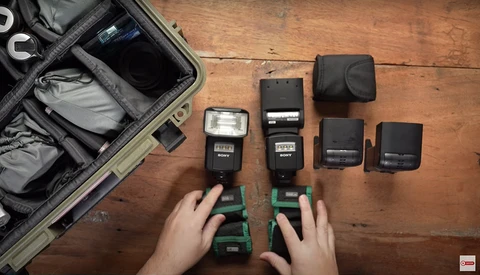
The more you get into working with artificial lighting, the more you will realize you constantly little gadgets and accessories besides the lights and modifiers themselves. This great video tutorial will show you six things you should have in your bag that will keep your shoots running smoothly and help you tackle any problems that might arise.  

What You Need to Know About Negative Fill

When you are creating a lighting setup for a portrait, you probably approach it from the standpoint of adding lights and modifiers until you get the result you want. However, while adding light is, of course, important, it is also crucial to know where to take it away. This is where the idea of negative fill comes in. However, negative fill can sometimes be misunderstood.

A Portable and Effective Minimalist Flash Kit

Learning how to work with artificial light will make you a far more versatile photographer and enable creative opportunities that simply would not be possible otherwise. However, there are a couple of ways to approach building a lighting kit, and if you plan to be on the go quite a bit, you should carefully consider the size, weight, and power requirements of your equipment.

Three Powerful Natural Light Portrait Scenarios

There is sometimes the misconception that natural light only offers one look, but it can be a lot more versatile than you might think. If you know how to read the light, you can create a wide variety of looks suitable for many different applications.

Learn How This Wedding Portrait Was Lit, Shot, and Edited

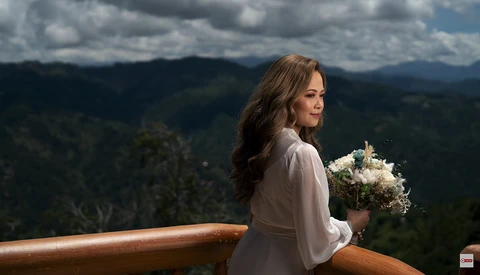
When it comes to working with artificial lighting, there is sometimes the misconception that professional images require multiple sources, all of which are big, heavy, and expensive. That is not always the case, though.

Common Misconceptions About Artificial Lighting

Artificial lighting is its own world, and it can be a bit overwhelming to try to tackle it all when you are new to the pursuit, which leads to some common misconceptions about the different types of flash, what they are used for, and how they work.

Learn How This Vintage Nude Pin-up Portrait Was Lit and Photographed

The pin-up model was one of the most iconic styles of the 20th century, and even today, decades after its heyday, it is still a very recognizable and eye-catching look that makes for great portraits. In this great video tutorial, you will learn how a vintage nude pin-up portrait was conceptualized, lit, and photographed.  

How to Use a Flash Outside to Freeze Motion

Why not just a fast shutter speed to freeze motion? That's what I always think, but there are good reasons to use a flash or speedlight to do it instead. Take a look to see what they are. 

Which Fresnel Is Right for Your Portrait Photography

Should you add a Fresnel-type light to your collection of gear for portrait photography? Besides looking like a great prop in your shot, is it a light you can use as your main source for photos? 

How to Use Clamshell Lighting for Portraits

Clamshell lighting is one of the most classic and commonly used setups for portrait photography, and when done right, it can produce eye-catching and flattering results. If you have not used it before, check out this great video tutorial that will show you how to create a proper clamshell setup for portraiture.  

How to Create Your Own Golden Hour

For years, photographers have understood that creating the best photograph possible means shooting in the best possible light. For natural light shooters, the best light often comes at a time known as the golden hour. This occurs when the sun is setting and the angle of the sun to the earth causes the light to travel through clouds and air pollution creating soft, diffused light.

What Is the Difference Between a Speedlight and a Strobe?

If you are new to artificial lighting, the array of terminology and equipment can be a bit overwhelming at first. One of the most important distinctions is that between a speedlight and a strobe. Though the terms are sometimes used somewhat interchangeably, they are fundamentally different devices with distinct purposes.

The Essentials of Off-Camera Flash: Gear and Tips

If you are new to the world of artificial lighting, it can sometimes feel like trying to learn a foreign language. It is really worth taking the time to learn it, though, as it will open up creative opportunities that simply are not possible otherwise and make you a far more versatile photographer.

How to Create Eye-Catching Window Light With Only One Speedlight

Even to the non-photographer, the look of light through a window is quite recognizable, and as such, it is an excellent way to give your portraits an elegant and timeless look. Of course, we do not always have the ability to just use a window with natural sunlight streaming through, and as such, knowing how to create it in studio is a useful skill.

How to Create Three Distinctive Looks Using One Octabox

The octabox is one of the most fundamental and useful lighting modifiers out there, able to provide a wide variety of looks for portraiture while remaining relatively easy to set up and master, making it an ideal first choice for anyone working on learning artificial lighting.

How to Light and Capture Nighttime Portraits

Nighttime portraits can be a highly effective way to add a bit of drama to your images and open up entirely new creative avenues. If you are interested in learning how to shoot portraits after dark, check out this fantastic video tutorial that will show what you need to know to get up and running.  

A Simple and Effective Two-Light Location Portrait Setup

When you are working in a studio, you can enjoy all the equipment you own without having to worry about how to carry it all along with you. When you work on location, however, you need to balance the complexity of your creative setups with how easily you can transport all your equipment.

How to Add Depth to a Portrait

A photograph is a two-dimensional representation of a three-dimensional world, and as such, part of the challenge to the photographer is to recreate a sense of depth in the image. This excellent video tutorial will show you how to use lighting and other techniques to create a deep sense of depth in a portrait for a more compelling overall image.  

How to Properly Use a Light Meter

Back in the days of film, where there were no image previews and every frame cost money to take, light meters allowed you to ensure that an image would be properly lit and the results would be what you expected. With digital, you can now check the results instantly and make adjustments right away with no penalty. So, while light meters are not necessary anymore, they can still be quite useful.

Create Beautiful Portraits With This $20 DIY Light

Photography can be an expensive pursuit, with cameras, lenses, and lights setting you back thousands and thousands of dollars. While that is true, the operative part is "can be". There are lots of ways to create amazing images on a modest budget. 

How to Balance Flash and Ambient Light

Knowing how to balance flash and ambient light is one of the most crucial skills a portrait photographer can have, as it will give you the ability to shoot in just about any environment with full creative and technical control.

How to Take Better Portraits in Hard Light

Like it or not, hard light happens a lot outside, and if you are a portrait or wedding photographer, you can't just reschedule the ceremony or session every time you don't have clouds to give you soft light. So, what can you do to still create flattering images?

How to Precisely Control Soft Light for a Portrait

Soft light is generally the preferred style for portraits, as it is more flattering on the subject. However, soft light produces more gradual transitions and requires relatively larger sources, which can make it more difficult to precisely control where it is falling in the frame.

How to Correctly Place a Softbox When Lighting a Portrait

When it comes to portrait photography, the softbox is one of the most fundamental and versatile tools you can have in your kit. If you are new to working with artificial lighting, check out this fantastic video tutorial that will show you how to properly place a softbox to get the best results.  

Continuous Lights Versus Flash for Portrait Photography

It used to be that continuous lighting was either way too hot or simply not powerful enough for lighting portraits, but LEDs have come quite a long way in recent years, and they are now a viable alternative to strobes in certain situations. This great video examines the two options while showing off a unique light that can do both.  

How to Create Eye-Catching Portraits With Just One Light and an Umbrella

There are a ton of different modifiers available for working with artificial lighting, and it can be a bit overwhelming (and expensive) to pick one when you are just starting out. Umbrellas are some of the cheapest modifiers out there, and as such, they are a fantastic tool for learning how to work with artificial light, and they can do a lot more than they often get credit for.

Continuous Lights Versus Flash: Which Is Better for Portrait Photography?

Portrait photography is arguably the biggest segment in the photography industry. The majority of photography equipment tends to focus more on portrait and people photography. Lighting is one of those key bits of equipment. The kind of lighting you use can impact a lot of things and not just the results you produce.  

A Creative and Eye-Catching Two-Light Portrait Setup

When you are new to working with artificial light for portraits, you should generally start with a single source until you are comfortable with all the basic properties and techniques. Once you feel comfortable with those, you can begin to embrace more complex multi-light setups.

How to Balance Flash and Ambient Light in Portrait Photography

Whether you are a portrait, wedding, or family photographer, one of the most useful skills you can learn is how to balance ambient light and flash. If you would like to improve your portraiture work, check out this helpful video that will show you a method for balancing flash and ambient light to create more balanced and complete portraits.  

How Off Camera Flash Elevates Your Market Value

Many photographers start their careers by learning natural lighting techniques. Once these skills are established, complacency can set in and the photographer might choose not to stretch themselves to learn more advanced lighting skills. When photographers do this, they leave a significant amount of value on the table.   

How to Create Very Soft and Flattering Light for Portrait Photos

When it comes to portrait photography, soft light is often the method of choice, as it provides flattering renderings suitable for a wide range of styles and subjects. If you are new to working with artificial lighting and interested in learning more, check out this helpful video tutorial that will show you how to create elegant soft light for portrait work.  

The Fundamentals of Lighting Portraits

When it comes to portrait photography, learning to work with artificial lighting will make you far more versatile and enable creative opportunities that simply would not be possible otherwise. If that is something you would like to start diving into, check out this fantastic video tutorial that will show you the fundamentals and have you ready to tackle your first shoot.  

Learn How to Light and Photograph This Cinematic Portrait

Lighting portraits is about more than simply creating a technically correct exposure and rendering your subject in a flattering way. It is your chance to create a certain atmosphere and develop a recognizable personal style. This helpful video tutorial will show you how to use hard lighting to create a cinematic portrait.  

5 Tips for Shooting Backlit Portraits

Backlit portraits can be a fantastic way to add drama and visual interest to a photo, but they also require some special considerations to get the effect you want and to maintain the best possible image quality. If you would like to improve your backlit portraits, check out this great video tutorial that features five excellent tips to help you get your photos just right.  

How to Add Artificial Light to a Natural Light Scene

Adding artificial light to your natural light scene is a relatively simple technique that you can use to create an image that depicts the scene more dramatically than it appeared to your eyes when you were there. 

Godox Parabolic Light Modifiers: Better Than Broncolor?

Parabolic light modifiers are some of the most versatile on the market. Coincidentally, they are also some of the most expensive ones out there. Loved for versatility, hated for the price, and very few photographers actually own them. Godox set out to create an affordable but also a truly parabolic softbox. So, how did they do? Spoiler alert: much better than I expected. 

How to Blend Ambient and Artificial Lighting

Using natural or artificial light is not always a binary choice; often, you will want the two to complement each to produce a more balanced overall photo. If you would like to make your lighting skills more versatile, check out this fantastic video tutorial that will show you how to blend ambient light with flash for portraiture work.  

How to Create Subtle Light With Off-Camera Flash

When you think of using artificial light for portrait photography, you might think of it being a calculated, obvious aesthetic, but often, using flash is more about creating a subtle, understated effect that makes your images more balanced and well exposed.