Whether you are a portrait, wedding, or family photographer, one of the most useful skills you can learn is how to balance ambient light and flash. If you would like to improve your portraiture work, check out this helpful video that will show you a method for balancing flash and ambient light to create more balanced and complete portraits.
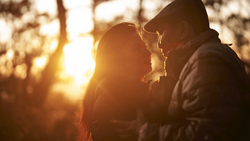
Coming to you from Miguel Quiles, this awesome video tutorial will show you how to balance flash and ambient light for portrait photos. It is often the case that you will want to augment the ambient light in a scene. For example, a portrait backlit by a sunset is a timeless look. However, to avoid blowing the highlights, you will need to expose for the sky, which will, in turn, cause your subject(s) to be significantly underexposed. This is when a bit of flash can make all the difference by balancing the exposure across the entire frame, improving your overall image quality. Check out the video above for the full rundown from Quiles.
If you would like to continue learning about how to light a portrait, be sure to check out "Illuminating The Face: Lighting for Headshots and Portraits With Peter Hurley!"



Join the Fstoppers community for free
-
Post comments and join in the discussions
-
Browse the site ad-free
-
Share your work and get featured in the community
-
Compete in the photo contests for fun and prizes
2 Comments
He took 10 minutes to explain what can be taught in a sentence. When mixing strobe and ambient, the aperture controls the strobe and the shutter controls the ambient. There. Done.
Also, he was blending strobe and ambient more than he was balancing them. His final results, looking at the density of the background, seem as though he adjust the final exposure because his flash was over-shooting the f2 he was aiming for. The conditions were a poor choice for this demonstration. Had he simply turned around and used the open area behind him it would have made a more intelligent choice to demonstrate how aperture and shutter speed can be used to control different aspects of the lighting effect.
The reason is that with film you couldn't check the results instantly that's why the light meter exists. Before the only instant check you could do on your lighting is by using a Polaroid print on your 6x6 or by using the light meter and... really knowing about lighting and film reactivity inside of your head.🤟. So in your head you would make the image calculating say.. minus two stops in the background... Plus half a step in front for highlight and then you with your brain decide if that's okay with the image that you are pursuing.🤖 😉