
Have you ever wondered why some photographs stand out more than others? Let’s explore advanced compositional techniques that can elevate photography from simple practices to more artistic expressions. By carefully composing, you can also develop your own style and narrative through various methods. The techniques discussed aim to inspire a deeper understanding of visual storytelling in photography.
When I first started photography, I focused on the Rule of Thirds, leading lines, centering your subject, etc., which are indeed helpful for creating visually appealing images. These are the go-to and well-known principles that every beginner employs. However, as I progressed and studied the work of professional photographers, I realized that true mastery goes beyond these foundational guidelines. The more I noticed, the more I realized that compositions need to be crafted much more artistically and subtly than by following these rules, even in genres like street photography, where there isn’t much time for composition. This comes with practice, and this is what we call developing an eye.
Let’s discuss five compositional choices; once you master them, your approach to composition will be enhanced.
Anchor Your Photos for Visual Stability
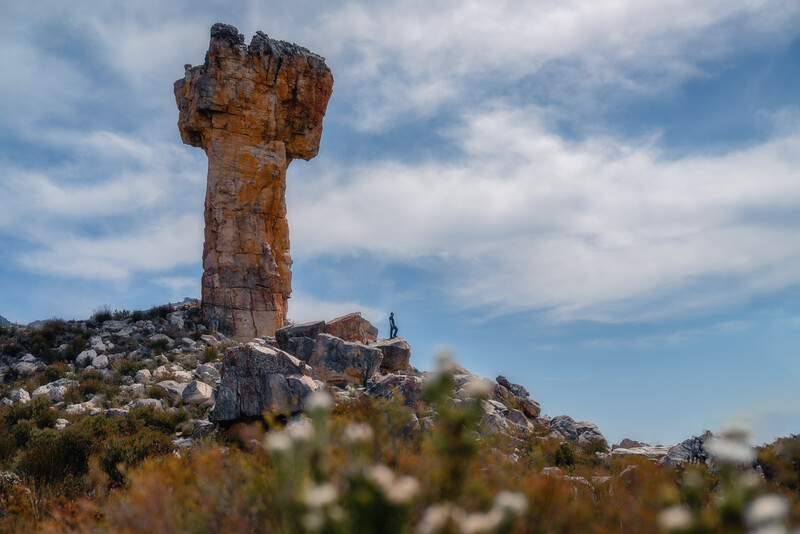
A compositional anchor in photography is a key visual element that provides stability and focus in an image. It helps you guide the viewer's gaze and can be any prominent feature and not necessarily the main subject. The best part is that you can have a compositional anchor and use traditional techniques, such as the rule of thirds, in the image at the same time. For example, in the landscape photograph below featuring the Maltese Cross in South Africa, the person in front serves as the subject, while the cross functions as the compositional anchor by adding visual weight.
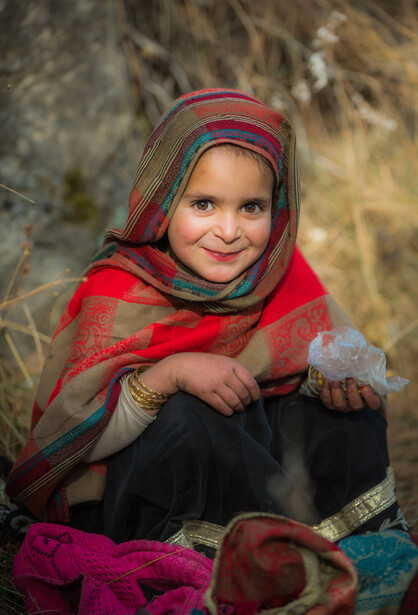
In the case of portraits, the eyes of the subject may act as the anchor that draws the viewer directly into the frame.
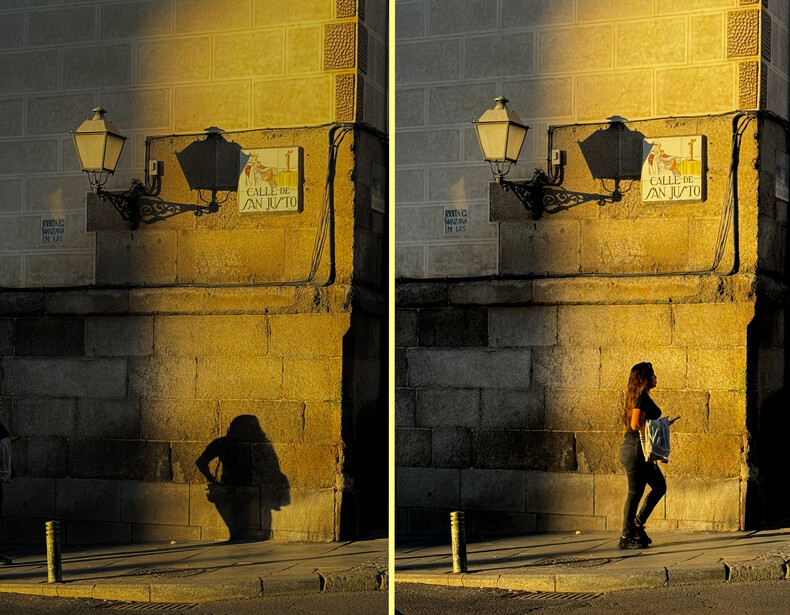
Anchors can manifest not only as tangible objects but also as elements of light or shadow. The shadows in the images below are effective anchors due to their strategic placement and the necessary contrast they provide, which is a key stability element often overlooked by beginners.
Control the Mood With Emotional Distance
Emotional distance refers to the psychological space between the subject and the viewer, shaping how an image is perceived emotionally. It influences the viewer's connection to the subject and can evoke various feelings, such as intimacy or detachment.
This can be achieved through various techniques, such as filling the frame with close-up shots to create a sense of connection. A subject making eye contact can intrigue the viewer about their world. Additionally, using a wide aperture to create a shallow depth of field isolates the subject, drawing viewers into their experience. Other examples include using a lower angle to look up toward the subject to make them appear dominant, or using a higher angle to make them appear small.
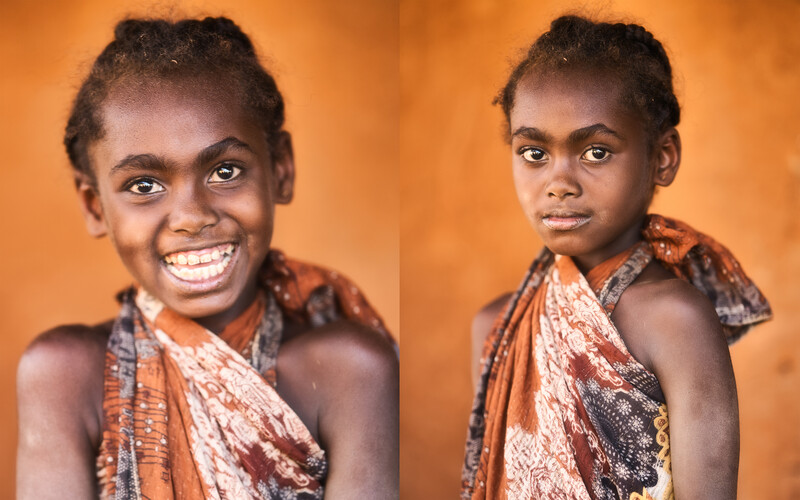
The same subject, when shot differently through elevated and lowered angles, changes the emotional distance. Here, the girl appears more dominant due to the choice of angle.
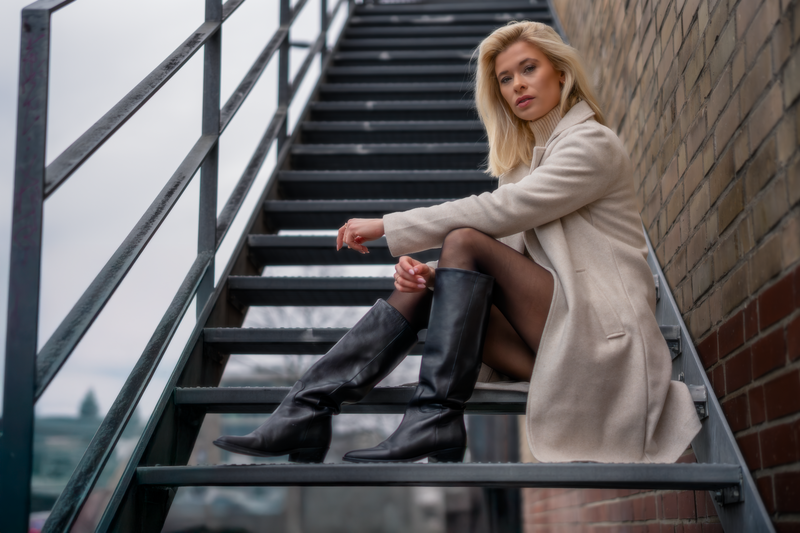
Ultimately, your choice of emotional distance depends on the narrative you wish to convey. A cheerful portrait of a child in poverty-stricken Madagascar will tell a markedly different story compared to one where the child appears serious, with that distinction lying entirely within your control.
Embrace the Power of Vertical Shots
Many photographers default to horizontal orientations for landscapes, but shooting vertically can provide a fresh perspective that emphasizes depth and height. It involves more than merely rotating your camera. This format can foster intimacy and minimize distractions from the broader vista, effectively allowing for a deeper appreciation of each layer within the image.
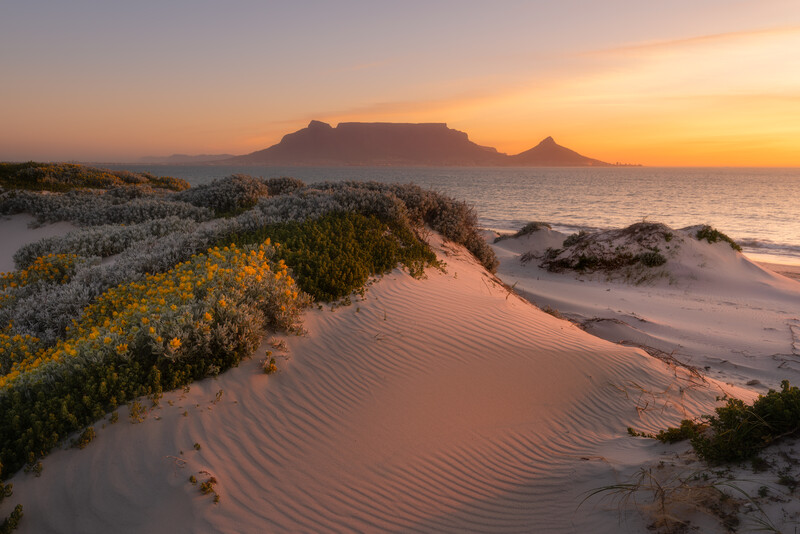
For instance, in photographs of Table Mountain, although the horizontal composition is visually appealing due to its colors and patterns, the vertical image is my absolute favorite, so much so that I have even printed it for my own studio.
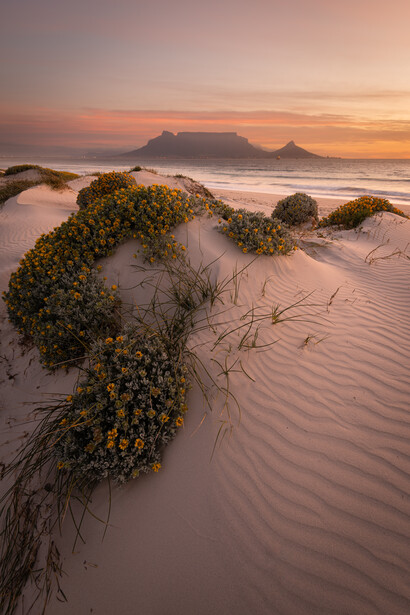
It is important to note that powerful vertical compositions can also be achieved from horizontal captures through careful cropping during post-processing. This approach affords flexibility during shooting while enabling creative control in editing.
Soft Framing With Natural Blurs
Incorporate environmental framing in your images, where blurred elements in the scene help to add emphasis to your subject, especially when the scene in front of you is somewhat chaotic, e.g., a busy street.
The key is to use blur thoughtfully. You can place your subject behind a blurred foreground element or surround it with out-of-focus aspects. The goal is for viewers not to notice the framing consciously; their eyes should naturally gravitate toward your subject.

It’s a refined way of highlighting that sometimes what remains out of focus (the soft blur) is as significant as what is clear (the sharp subject).
Enhance Your Subject With Separation
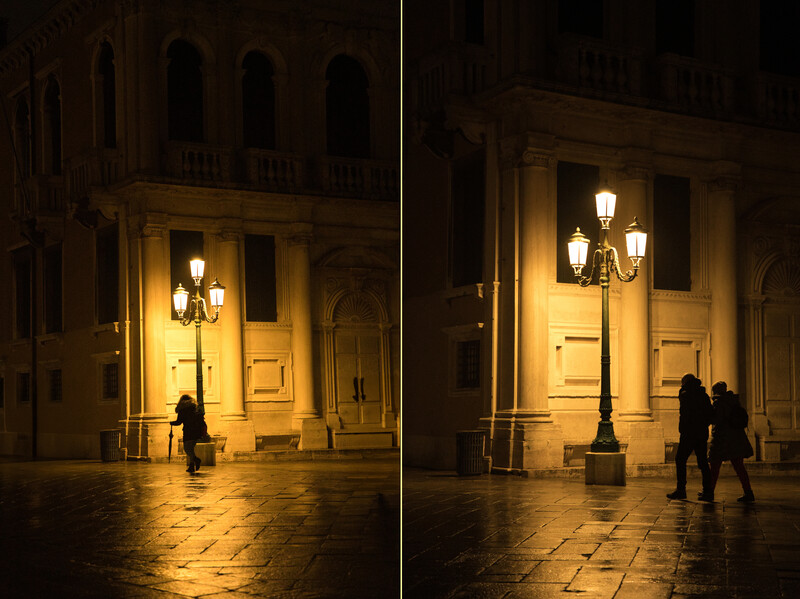
Subject separation means recognizing and sidestepping visual conflicts. If your subject and background share similar brightness or color tones, or if background elements awkwardly overlap, the composition loses its effectiveness.
In the left image below, the person is blending in with the lamppost, whereas in the image on the right, you can clearly see the people walking into the frame without confusion.
Conclusion
These five compositional enhancements require practice, but once you get the hang of them, you'll move beyond basic rules and start creating photographs that genuinely resonate with viewers.





Join the Fstoppers community for free
-
Post comments and join in the discussions
-
Browse the site ad-free
-
Share your work and get featured in the community
-
Compete in the photo contests for fun and prizes
No comments yet