
Sometimes, the most powerful image isn't the one you take, but the one you leave behind. In a society fixated on constant creation, mastering restraint can be more important than clicking the shutter. Modern cameras can shoot 120 frames per second or even more, but the real skill lies in understanding when not to photograph. Cultivating patience and trust and learning to hold back from capturing every moment often requires greater skill than simply snapping endless shots.
The Power of the Untaken Frame
As photographers, we're often told that taking more photos increases our chances of capturing the perfect shot. But maybe we've been wrong. What if real expertise lies in knowing when not to click the shutter? Restraint isn't about doubt; it's about purpose—something the photography community has overlooked lately. Having intention is crucial for photographers, although it’s seldom discussed, and it can distinguish true maturity behind the camera. Being able to decide whether you're taking the time to capture an image simply to capture it, or intentionally creating an image with meaning and thought, is essential. In terms of intent, it's the most straightforward way to describe what many are missing.
The Myth of More
There is a modern obsession in photography that started with the introduction of the digital camera. No longer were we purchasing a few rolls of 24 or 36 exposures. Perhaps you had only 48 frames to photograph, which meant you really had to consider whether each photograph was worth taking. Eventually, that was set aside because we now had hundreds of photos that could be stored on a memory card. The obsession began with the number of frames per second that the newest camera could capture, digital storage, and the largest hard drive available at the time. It shifted to a focus on more, more, more, rather than the intent behind the image-making process. A new problem became apparent in what I like to call digital hoarding. We were saving every photo because we could. Hard drives upon hard drives were filled and then stored, mainly to be seen again only rarely. With this, we lost intentionality. Overabundance begins to lead to visual noise, distracting us.
The Discipline of Observation
Observation is one of the most crucial skills a photographer can possess, alongside technical skills. To observe better, one must slow down. Slowing down ultimately leads to sharpened awareness. When you are aware, intention comes alongside. We now notice elements that make a great photograph: light, color, timing, emotion, and subject matter. Cartier-Bresson emphasized “the decisive moment,” not “every moment.” These photographers were not chasing moments; they were waiting for them to occur. The decisive moment refers to the precise instant in time when a photographer captures the most significant essence of an event, achieving a perfect harmony of form and content that may never be repeated.
If we start to see mindfully, then we can photograph with purpose rather than impulse. We are all guilty of impulsively shooting. We are not intentionally creating the image we are presenting. We ignore light, color, and subject matter, only to create a document of a moment. Again, we're all guilty of this, including myself, yet we still do it. It's the act of clicking the shutter that we believe makes us happy, when, actually, it's the process.
Emotional and Ethical Restraint
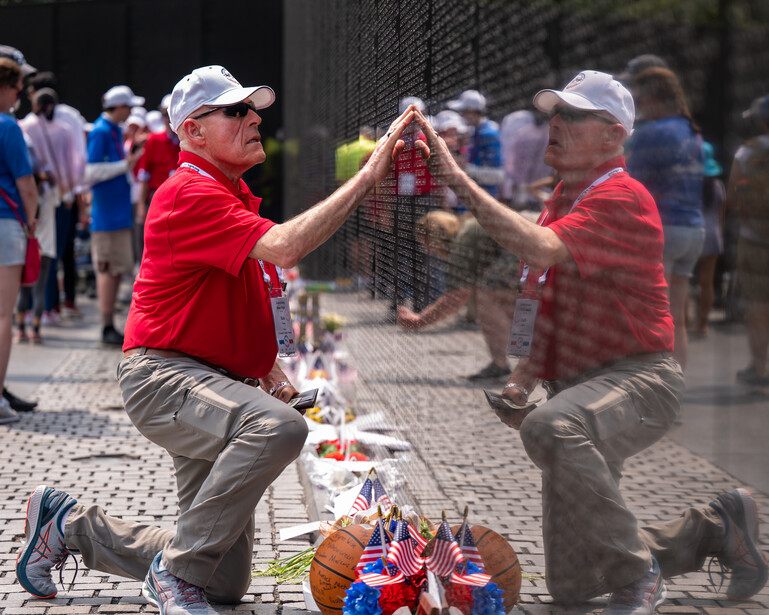
Restraint, emotionally and ethically, is a challenge and a fine line to walk. There could have been a time when photographing a scene could have crossed a line for some. Not taking a photograph in itself is an act of empathy. There was a time when I was working for a local newspaper, and I was asked to photograph a scene that ultimately became a fatal vehicle versus train accident. At the time I was asked to go out, it was all over. Not much was left at the scene. A simple photograph taken at the location of the accident upset a few people, and they received some unkind messages. I was there to do a job, and there were elements at the scene that I chose not to photograph. It was not a choice to exploit a scene; it was photojournalism, and some did not see it that way. Sometimes, not taking a photo is an act of respect or empathy.
Editing Starts in the Mind
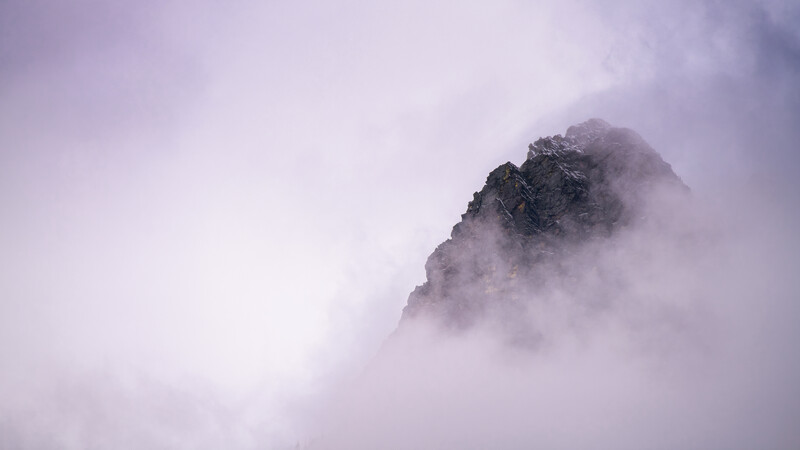
Restraint is the start of the editing process, long before layers in Photoshop and sliders in Lightroom. It begins the moment you decide that a scene is deserving of a photograph. You raise the camera to your eye and you're making a decision: Does this moment align with what I am trying to capture? Choosing not to create a photograph is a form of curating, a conscious removal of visual clutter.
Photographers who use restraint at the beginning of the image-making process often find that they spend less time sorting through thousands of images and duplicates. Efficiency is not what it is about; it's about taking the time to develop intention. By pausing, waiting, and actually seeing, you strengthen your visual judgment. You start recognizing what elements in the photograph belong and what do not, to strengthen the story. This is where the real editing begins.
In the End
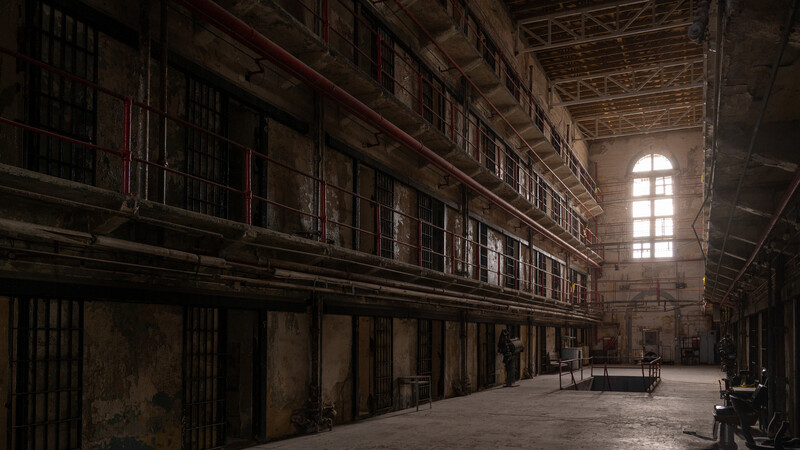
A mark of photographic maturity is restraint, a hidden art form. Being self-aware when the camera is in your hands and making choices early on in the image-making process leads to better photos in the end. Success isn’t based on the number of images you upload at the end of the day; it is based on how much restraint you show in presenting. While you may see restraint as a missed opportunity, it is actually a form of photographic wisdom. Every frame you skip makes the one you take matter more.



Join the Fstoppers community for free
-
Post comments and join in the discussions
-
Browse the site ad-free
-
Share your work and get featured in the community
-
Compete in the photo contests for fun and prizes
No comments yet