Starting in photography feels harder than it should. You’re told to buy more gear, follow trends, chase presets, and somehow build a style at the same time. Here's how to make it easier.
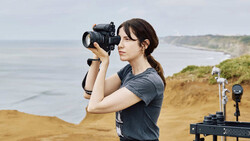
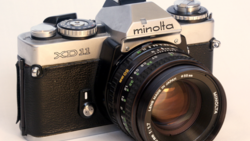
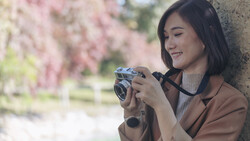
Coming to you from Justin Mott, this straightforward video cuts through that noise and takes a hard line: gear is not the answer. Mott suggests buying used, keeping it simple, and working with one camera and one lens. A basic mirrorless body with interchangeable lenses is enough. Full frame or crop sensor does not matter at this stage. He mentions brands like Sony and Fujifilm as solid options, but he does not push upgrades or prestige names. The point is to stop obsessing and start working.
He also recommends committing to a fixed focal length, ideally 35mm, though 28mm or 50mm also work. That single choice changes how you see. A prime lens forces you to move your feet, step closer, back up, crouch down. You stop zooming and start thinking. It slows you in a way that builds awareness. Limitation becomes structure. That structure builds discipline faster than any piece of new equipment.
From there, Mott insists on mastering manual mode. Not dabbling in it. Learning it. You need to understand aperture, shutter speed, and ISO as cause and effect, not memorized settings. Change one variable and watch what happens to light, motion, and depth. Shoot in controlled settings at first. A friend by a window. Five frames. The subject stays still. You move. Shift your angle. Lower your position. Shoot through a doorway or foreground object. You start to see how small adjustments can reshape a frame without changing the subject at all.
He pushes you to practice where you live. Not on big trips. Not only when everything looks exotic. Familiar places remove distraction. You see patterns instead of chaos. You notice light at different times of day. That repetition builds instinct. If you only practice while traveling, you overload yourself and call it growth. It rarely is.
Once you have control over exposure and composition, Mott turns to study. Not endless scrolling, intentional study. The names matter less than the act of looking closely. Study framing. Study distance. Study light. Ask why an image holds your attention. Imitate at first. Reverse engineer what you admire. Then move past imitation before it hardens into habit.
Eventually, technique isn’t enough. You need direction. Mott talks about building projects with limits and timelines. Three months. Six months. A year. A theme. A question. A clear focus. Publish something at the end, even if the audience is small. Print a book. Share on a simple platform. Show the work somewhere physical. A deadline shifts how seriously you treat the process.
He also offers a few blunt reminders. Progress is slow. Recognition is slower. New gear gives excitement, not direction. Editing your work with a critical eye matters as much as making it. You need to learn when a frame fails and why.
There’s more in the video about sustaining momentum over decades and avoiding common traps that stall growth early, and that perspective only comes from someone who has stayed in the field long enough to see cycles repeat. Check out the video above for the full rundown from Mott.
Join the Fstoppers community for free
-
Post comments and join in the discussions
-
Browse the site ad-free
-
Share your work and get featured in the community
-
Compete in the photo contests for fun and prizes
1 Comment
A prime lens would be the last thing I'd recommend. Generally speaking, I think the flexibility of a zoom lens is better for new photographers. Old ones too. Landscape photography requires different focal lengths, lenses and gear than portrait photography. A prime lens is not practical when having to step forward causes you to fall off a cliff, or having to trespass on private property to get closer to your subject.
If going the route of used cameras, a 10 year old DSLR might be enough, and you can save some serious money. A wildlife photographer undoubtedly wants the more advanced focusing features and frames per second that a new mirrorless offers, but for most commercial, portrait and landscape photography, many of the newest features are overkill.