Stiff portraits usually come from a subject who feels watched and unsure, and no lens or lighting setup hides that tension once it settles into someone's shoulders and face. If you photograph people who aren't professional models, how relaxed they feel shapes nearly every frame you take.
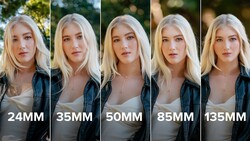
Shooting environmental portraits on a 35mm prime lens means standing close, and that closeness can feel like a lot to someone who has never been in front of a camera. Julia Trotti loves that focal length for showing the location while keeping the person prominent in the frame, though she watches closely for signs the proximity is getting to them. When she sees it, she swaps to an 85mm lens and steps back, which gives the subject their personal space again almost instantly. She'll then work her way back toward the wider look as the person settles in, or keep trading between wide and telephoto lenses throughout the session. If you only own a 35mm or a 50mm lens, she suggests changing your distance as often as you can: full-body frames from farther back, tighter shots up close, then movement shots with some room again.
Trotti keeps most sessions between 30 minutes and an hour, and she usually knows she has the shots within the first 40 minutes or so. Past that point, she finds you mostly collect more frames instead of better ones. Being in front of a camera feels vulnerable for most people, and while that feeling fades as the shoot warms up, it starts building again the longer things drag on. She pairs the short session with a quick pace. A few frames in one spot, a walk to the next, a switch from standing to sitting, a new pose. Lingering gives a subject time to wonder whether they're doing something wrong, and that self-doubt shows up on their face. To find where your own time goes, look back through past shoots for locations where you stayed too long or kept shooting the same setup.
Anthropologists who studied personal space in the 1960s described rough zones around the body: an intimate range out to about 18 inches, a personal range to about 4 feet, and a social range stretching to roughly 12 feet. A waist-up portrait on a wide angle lens can easily put you inside someone's personal zone, sometimes edging toward the intimate one, which most people reserve for friends and family. A stranger holding a camera at that distance triggers the same unease as a stranger standing that close in an elevator. Longer focal lengths let you fill the frame from social distance, which is part of why the 85mm has held its place as a portrait standard for decades. You can turn this into a working rule on any shoot. Open from farther away, let trust build, and move in once the person's posture loosens. The same thinking carries over to phone and video work, where small wide lenses tend to push you closer to people than you'd stand in normal conversation.
Communication starts before anyone picks up a camera. Trotti puts together a simple mood board for clients and notes exactly what she likes in each image, such as the movement in one photo or the relaxed pose in another. Specific notes give your subject a clear picture of what you're after, so they show up knowing what to expect instead of guessing from a pile of reference shots. During the session, she keeps conversation going about anything other than the shoot, like pets or vacations, so the person's attention drifts away from the lens. She talks while walking between spots and sometimes while she's shooting. Directing took her practice too, and she suggests starting with something as small as telling your subject when a pose or a scene looks good.
There's also such a thing as too much direction. Detailed instructions on chin angle, shoulders, hands, and fingers can leave a subject convinced there's only one correct way to stand. People in that state tend to freeze, afraid that any movement will ruin a shot you've planned out. Trotti keeps her instructions general, offers a loose starting point, and reminds subjects throughout the session that they're free to move however feels comfortable.
The exact wording Trotti uses to keep her direction open-ended is in the video above.
Join the Fstoppers community for free
-
Post comments and join in the discussions
-
Browse the site ad-free
-
Share your work and get featured in the community
-
Compete in the photo contests for fun and prizes
No comments yet