Shooting landscapes solo sounds peaceful in theory, but for many people it's genuinely difficult at first, especially if you've spent most of your life surrounded by others. Ian Worth spent nearly two decades earning a living with a camera, and even he found the transition jarring.
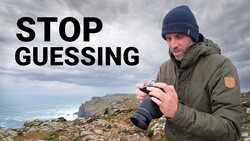
Coming to you from Ian Worth, this thoughtful video follows Worth along the Pembrokeshire Coast Path in Wales, where he's scouting locations inspired by a hiking guidebook rather than any photography-specific resource. That detail alone is worth noting: Worth uses walking books to find caves, Iron Age forts, and abandoned mining sites that most landscape shooters would never think to look for. On this particular walk, he's hunting for a yellow lichen-covered cave called Ogof Felen and a coastal hill fort. He shoots with a 70-300mm lens at around 200mm to isolate the cave entrance with shallow depth of field, and he works a cliffside stone arch on a tripod while fighting relentless wind off the Atlantic.
The location itself is stunning, but Worth is candid that the light isn't cooperating for the arch shot. Rather than forcing it, he treats the outing as a scouting run and mentally files it for a return visit at sunrise, when the light would hit the cliff edges head-on. That kind of patience runs through everything he talks about in the video. He connects it directly to the larger theme: spending long hours alone in the field, waiting on light that may never come, forced him to get comfortable with his own company. Early on, he says, being out alone with his camera felt isolating in a way that was genuinely hard to shake.
The distinction Worth draws between loneliness and simply being alone is the real substance of the video. At the start of his career, those two things felt identical to him. Over time, they separated. The quiet stopped feeling like a lack of something and started feeling like room to think, observe, and slow down. Photography, he argues, pushed him into that mental space whether he wanted it or not, and the result was a shift in how he relates to being outdoors entirely. He now notices details he'd have walked past before, thinks about how a location changes across seasons and weather, and covers more ground without thinking of it as effort. Pembrokeshire's coastal path, he mentions, has more total elevation gain than the ascent to Everest, which puts into perspective just how much ground dedicated scouting actually covers. He also shares how he finds locations in the first place, and there are a few specific techniques in the video that don't get fully covered here. Check out the video above for the full rundown from Worth.


Join the Fstoppers community for free
-
Post comments and join in the discussions
-
Browse the site ad-free
-
Share your work and get featured in the community
-
Compete in the photo contests for fun and prizes
No comments yet