
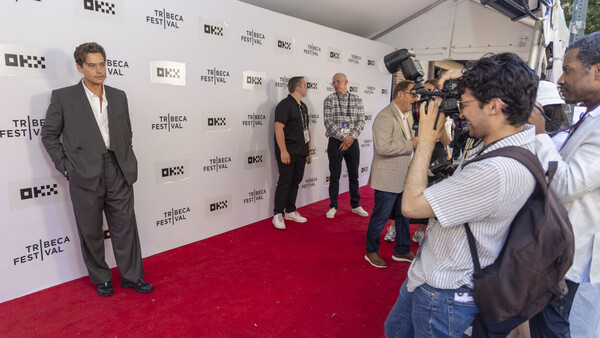
Red carpet photography looks straightforward from the outside, but the access, gear, and etiquette behind a single clean frame are anything but obvious. After nearly two decades away from the assignment, I returned to the carpet at the Tribeca Film Festival and relearned what it takes to shoot one well.
Introduction
When I left the Marine Corps in 2007, I worked as a freelance photojournalist in New York City. I only worked in this role for a year, but during that time, I photographed the goings-on around NYC, including the entertainment industry. One of the most common entertainment events to cover in the city was the red carpet. What's interesting about red carpet events is that they don't just occur with the release of a new film, but can be set up for the release of anything. I remember showing up at a red carpet for the opening of Justin Timberlake's new restaurant. This was actually my first-ever red-carpet event and taught me quite a bit about the ins and outs of red-carpet photography.
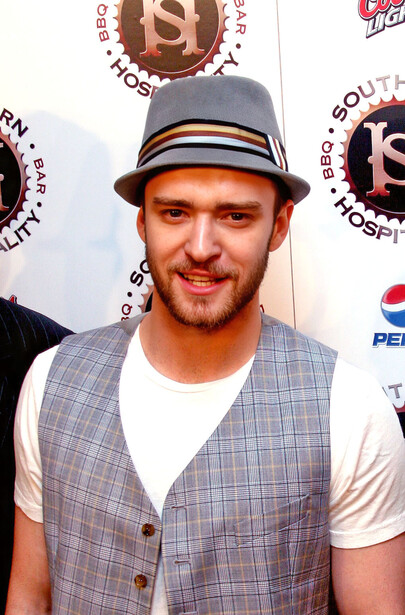
The biggest takeaway I gleaned from this first experience is to respect everyone's space. On this particular red carpet, I was placed in the back row of a three-row press scrum, so my vantage point for photographing celebrities or high-profile visitors was a bit limited. I kept wanting to angle in closer to try to get a better shot. This irritated the other photographers, so I quickly backed off and just shot what I could, which were mostly mid-length and head-and-shoulders shots, not full-lengths. My hope in this article is to help you, if and when you have the opportunity, shoot on a red carpet, because I had no training on this particular aspect of the craft before my first shoot.
Credentialing
Fast forward to June 3-14, 2026, the dates of the Tribeca Film Festival. Before getting on the red carpet, I needed to be credentialed, as red-carpet shoots typically require press credentials. For Tribeca, I acquired these credentials through Fstoppers.com. Each organization running a carpet will have different hoops to jump through to get credentialed. As a major film festival, the credentialing process required an official request letter and examples of my work. Being credentialed wasn't guaranteed, and even after being credentialed, I wasn't guaranteed a spot on any red carpet. There were numerous popular carpets that I was denied the ability to cover, as their spots were limited and they went to larger or more established organizations. Regardless, I was able to shoot at least one red-carpet event each day while covering the festival.

If you're trying to cover an event for the first time or have limited experience, it might be difficult to secure an official position on the carpet. If this is the case and the carpet is visible to the public, don't hesitate to attend the event as a passerby and take the available photos. It probably won't be possible to get shots of the subject looking directly at the camera this way, but at least there will be an opportunity to get something and to build a portfolio or experience trail. Even when I had the opportunity to shoot subjects looking directly at the camera, I also got shots where they looked off-center in order to get another look. Both types of looks are attractive to organizations that intend to use said photos, so it's good to get both.
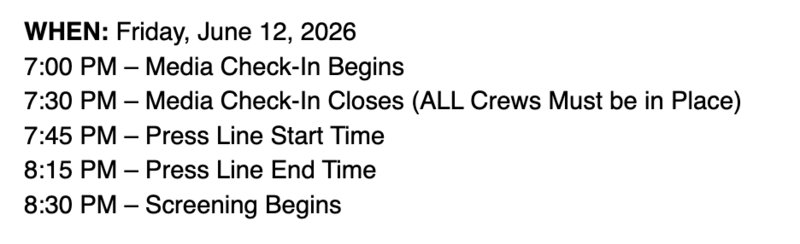
If approved to shoot the red carpet, the PR agency responsible for the credentialing will provide instructions on when and where to be. Typically, a 30-minute press check-in takes place about an hour before the carpet begins. Then there is a waiting period before the carpet begins, lasting anywhere from 15 to 30 minutes, depending on the event. Most events will then allow subjects 15 minutes to walk across the carpet and get their photos taken. The structure of the carpet typically front-loads the photographers at the beginning and concludes with interviews from other media outlets. I actually tried to get on the interview side for a few red carpets, but those positions were much harder to get because there were fewer of them. The key with any of this is that if approved for a red carpet, be there on time or early. It's good to present yourself and your organization as reliable. The last thing any working photojournalist needs is a bad reputation.
Gear Prep and Equipment
Shooting a red carpet event doesn't require a ton of gear; in fact, at its most basic level, there are really only three things needed for a good red carpet experience. The first is the camera. It's good to have a relatively new camera with a high-resolution sensor. Honestly, anything in the last five or ten years with a sensor around 20 MP or higher should be sufficient. It's possible to get away with less, but to be competitive among the potentially dozens of other photographers, it's good to have something comparable, or preferably better. My camera was the Canon EOS R5 C, a very good hybrid cinema camera that shoots 45 MP stills. Why didn't I bring my R5? Well, I thought I would do video interviews on the red carpet as well, and wanted a dedicated video camera. Regardless, the camera served me well and allowed me to take high-quality photos.
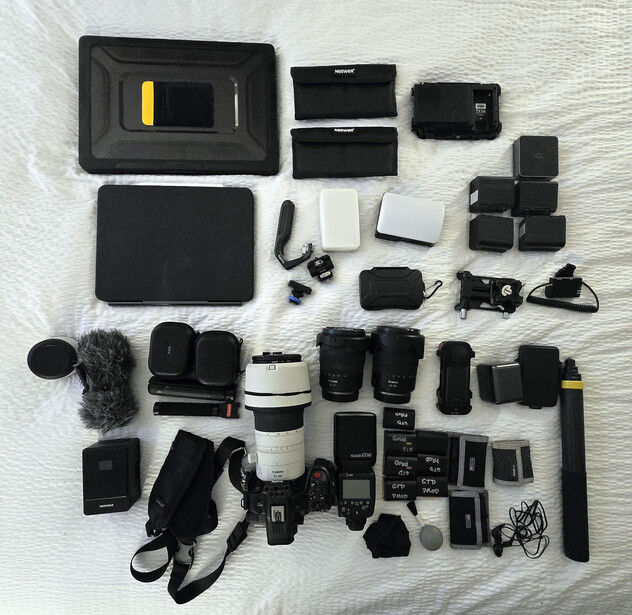
The next most important piece of gear is, of course, the lens. In this case, I chose the Canon RF 24-105mm F4 L IS USM. This lens offers a great range and speed. Because the subject is only a few feet away in most cases, usually five to ten feet, there's no need for anything longer in focal length. This lens served me well for both individual full-body and head shots, and large groups. The final necessary tool in the toolbox is a good flash. I used the Canon Speedlite 600EX-RT for my needs, and it performed admirably. Because I was shooting in a controlled environment, I dialed in all the camera and flash settings. The key with a flash is to keep the flash's power output relatively low to conserve battery life and enable rapid shooting. I kept my flash in manual at around 1/8 power, shot at around 400 ISO at f/4, and used a shutter speed of around 1/125. I say around, because I experimented with other power levels and shutter speeds to get the best look as each red carpet was different.
Beyond these basic tools, a few additional accessories can enhance the overall image the camera produces. One of those items for me was a diffuser, which I didn't bring to the shoot. I actually ended up having to get one at B&H Photo while I was up in NYC. I ended up getting the Godox Collapsible Diffusion Dome, but really, almost anything can work as long as it diffuses light. The key is to reduce harsh shadows and light to create a more pleasing image.
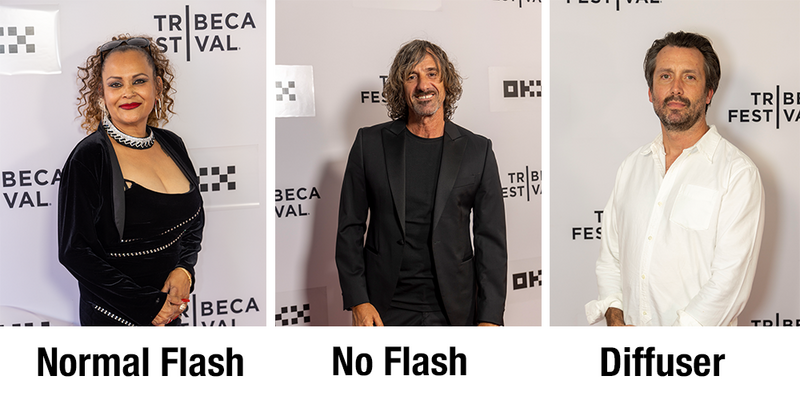
Another tool, which I'd only recommend for those who plan to shoot red carpet events frequently, is the Custom Brackets Rapid Fire PRO Flash Rotating Bracket with 1/4"-20 Mount. I saw a number of photographers using these, and while I can't vouch for the quality difference, the photographers who used it sang its praises. Now, most major red carpets also have constant lighting, so if my flash didn't work or I'd forgotten it, I would use theirs.
Beyond these major tools, any photographer should also have memory cards and extra batteries by default. Also, before a red-carpet event begins, it is important to ops-check gear. For the most part, I would do this instinctively, adjusting the camera and flash settings as needed, as every red carpet is different. One time, though, I forgot to double-check the camera's remaining battery power. This mistake cost me a photo of one of the celebrities because I wasn't ready, and they had to move on to the next person in the group. While it only took about 10 seconds to swap out the battery, I still wasn't able to get the shot again. It was a hard but important lesson to learn.
Red Carpet Etiquette
This was my first time shooting red carpets since 2007, but I fell quickly back into the rhythm. The biggest change between my earlier experiences and those at Tribeca was space. For the most part, the photographers were in a single line rather than stacked. Furthermore, we each had our own space to navigate and to interact with the subject. In fact, subject interaction was one of the biggest differences between this red carpet and previous ones. Before we get too far into the process of shooting on the red carpet, let's get into some of the specifics related to getting on the red carpet in the first place.
In one of the first red carpets I shot for Tribeca, I slipped into my regular photographer persona and would just photograph the celebrities in whatever pose they took on the carpet. I didn't want to slow down the line, nor did I think I could. In the past, I used to just call out the celeb's name so they would look at my camera for a few seconds, letting me get the shot. But then I started to notice something: the photographer next to me was actually giving the subjects direction. He was having them pose in certain ways or remove unsightly items, like cell phones, from their pockets. These quick little adjustments didn't take too much time and resulted in an overall better photo. When I asked my fellow photographer about this, he said his name was on the photo and wanted to make sure it looked good.
I took this philosophy to heart and started giving my subjects some small instructions to make them look good. I also researched popular red-carpet poses that would give the subject something more to do than stand facing forward with their hands at their sides. Having this kind of control was refreshing and helped lead to better overall photos. That said, it's not a guarantee that this kind of luxury will be afforded at every red-carpet shoot, and the subject may or may not be amenable to instruction, depending on how experienced they are at walking the carpet. In the end, read the room, see what others are doing, and don't be afraid to direct if the opportunity presents itself.
There were a couple of ways to shoot subjects on the red carpet, depending primarily on how the red-carpet managers wanted to manage the flow of traffic. One way is for the subject to go to each photographer one at a time, moving down the line. This works out best for the photographer as they get one-on-one time with the celebrity and can pose them and engage with them easily. It also offers the best view of the subject against a flat, direct background. Another way some red-carpet directors arrange the carpet is to have the subject take a central position and simply look across the way at all the photographers. This is less personal in many cases, but it will at least result in the subject looking at the camera lens. This type of posing is used for large groups of subjects who need to move through the line quickly, with many photographers.
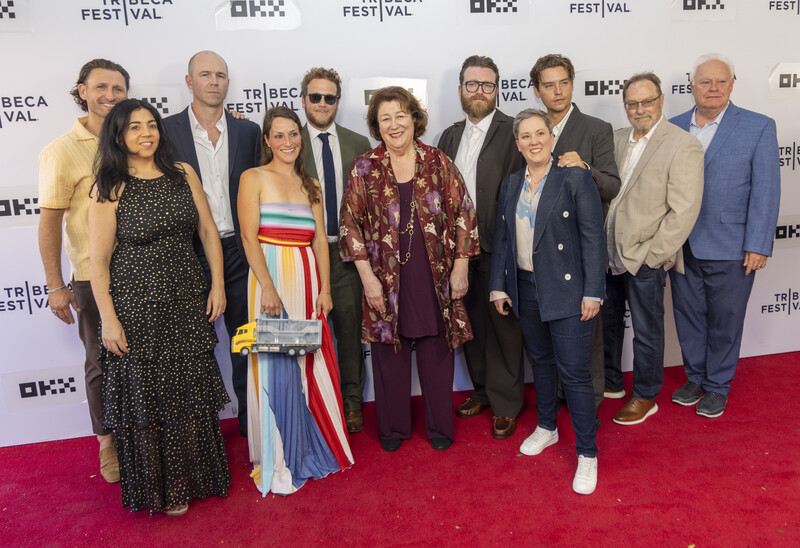
The only other type of photo on the red carpet is the group shot. Usually, at a film premiere, all members of the cast and crew will want a group photo. Because of the size of most groups, it makes sense for the photographers to round-robin from a central point rather than move the group. While each of the photographers works for different organizations and is technically a rival, we are all cordial with one another and work together so we can rotate quickly and ensure everyone gets their shot.
Additional Tribeca Experiences
In addition to photographing the red carpet, I also had the opportunity to interview some of the filmmakers associated with the films premiering at the event. I've compiled my interviews here: https://www.aroundthelens.com/2026/06/12/atl-x-tribeca-filmmaker-interviews/ and below.
Short Films:
Ran Ran Wang - "I Think About Killing You"
Blake Winston Rice - Victoria Ratermanis - DISC
Branislav Jankic, Monika "Jac" Jagaciak - White Belt
Jesse Weglein - Roar | Mohamed Taher - 32B
Feature Films:
Eddie Sanchez - Mexicanamerican (Winner of best documentary)
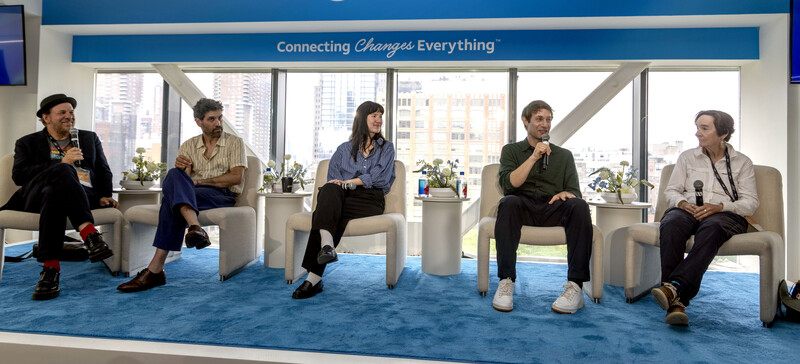
I also shot other events around the festival, including various panels and the Tribeca Games section. In fact, for the Tribeca Games event, I interviewed various game designers and developers and had an opportunity to play their games. I also made a review video and a tier list of all the films I had the chance to see during the festival. You can find my interviews with developers here: https://www.youtube.com/@unlimiteddrawdistance.
Conclusion
Shooting a red carpet can look easy at first glance, but there are nuances to it that separate the average photographer from the pro. Hopefully, some of these tips and insights will help you better capture a red-carpet event if given the chance. Furthermore, if you've covered a red carpet event in the past and have any advice or tips, feel free to include them in the comments down below. I'm always interested in hearing from others.


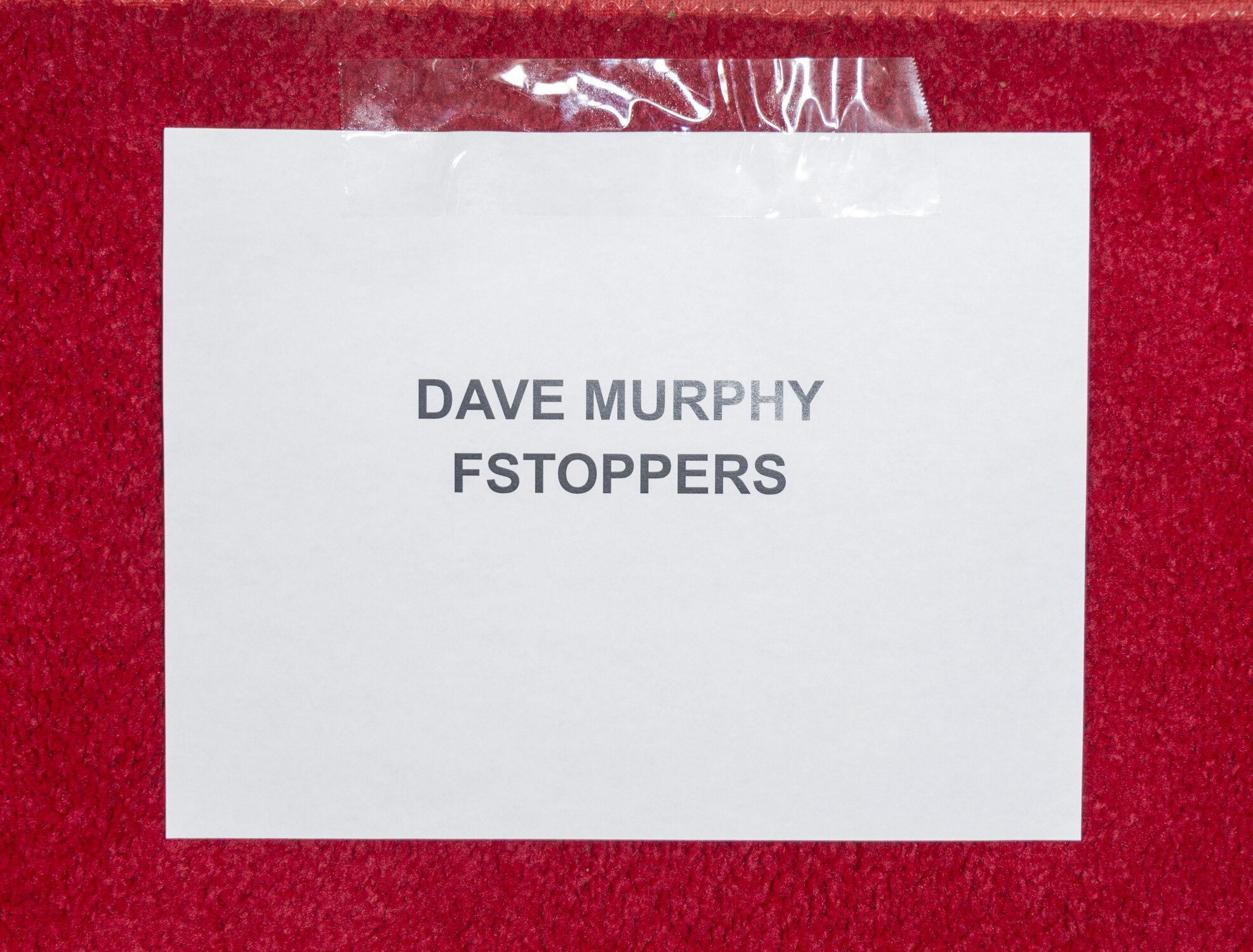
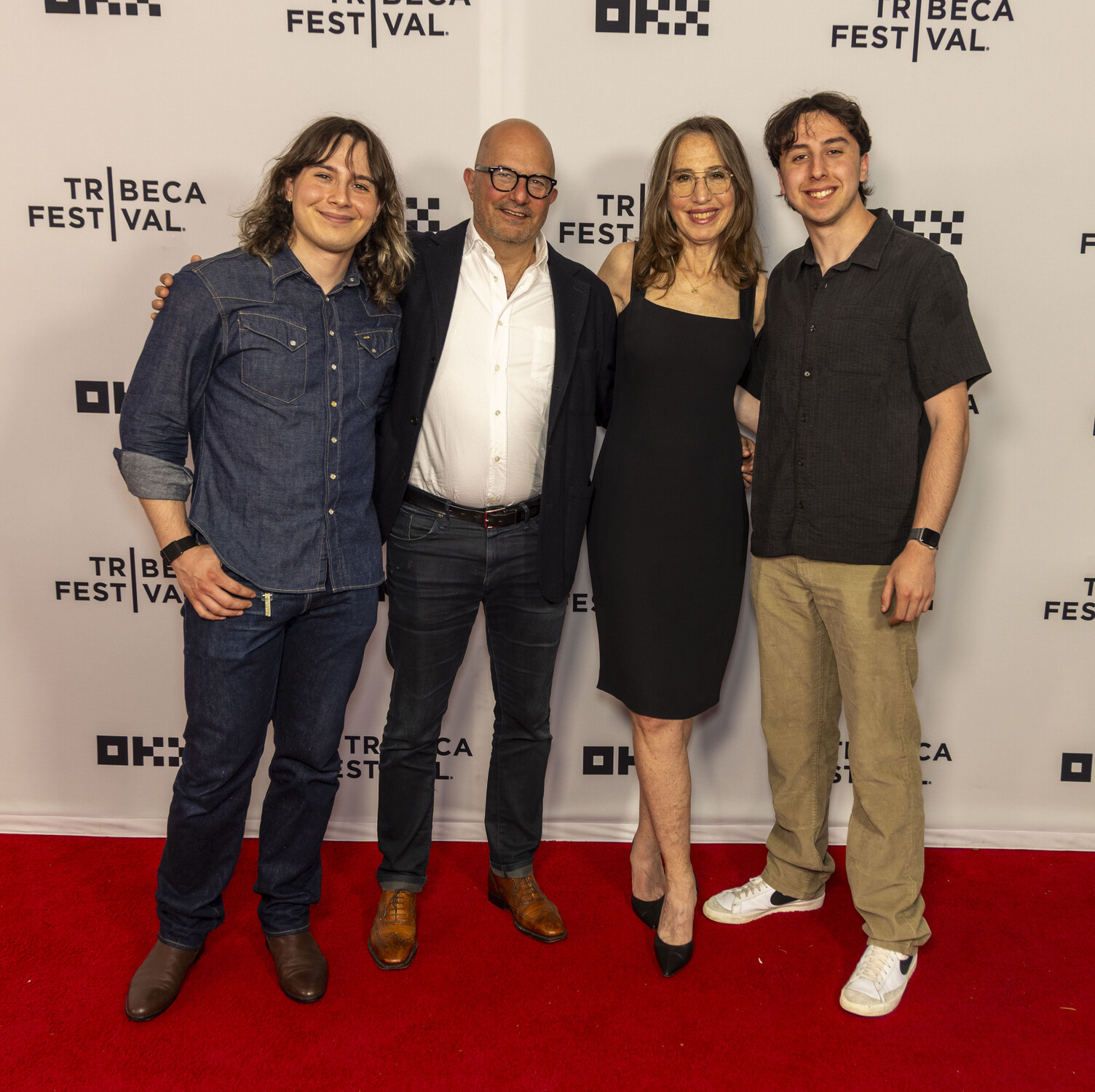
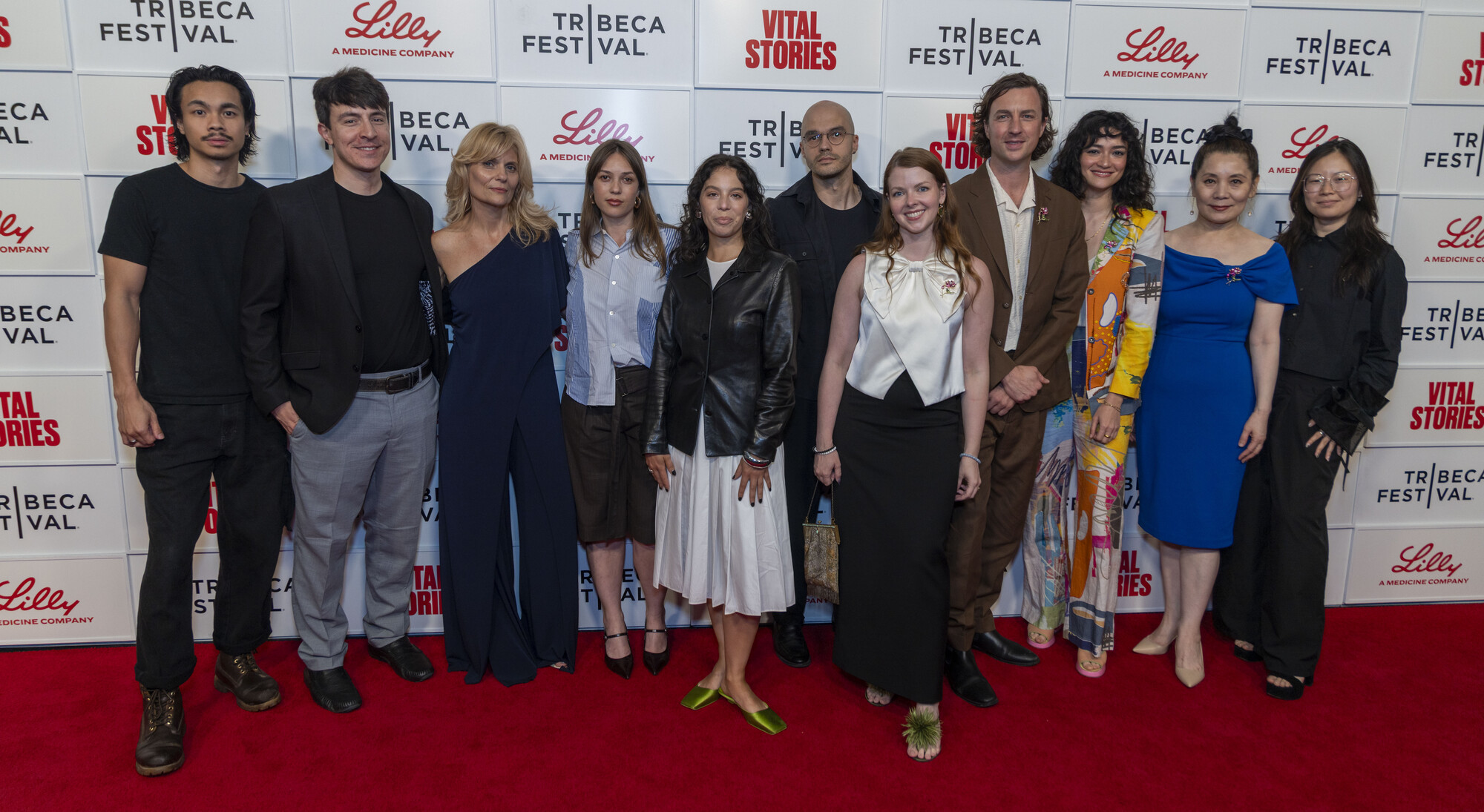
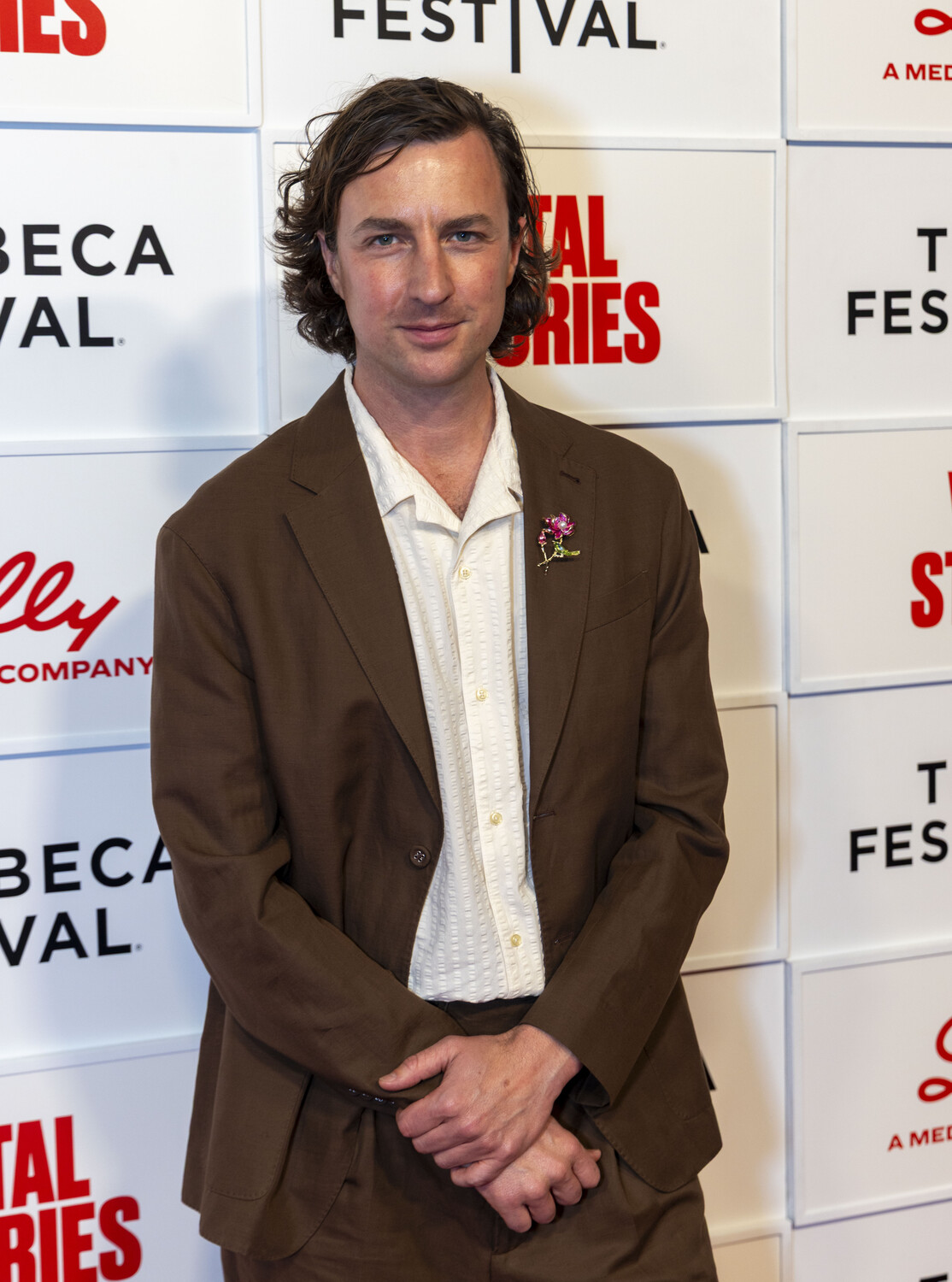
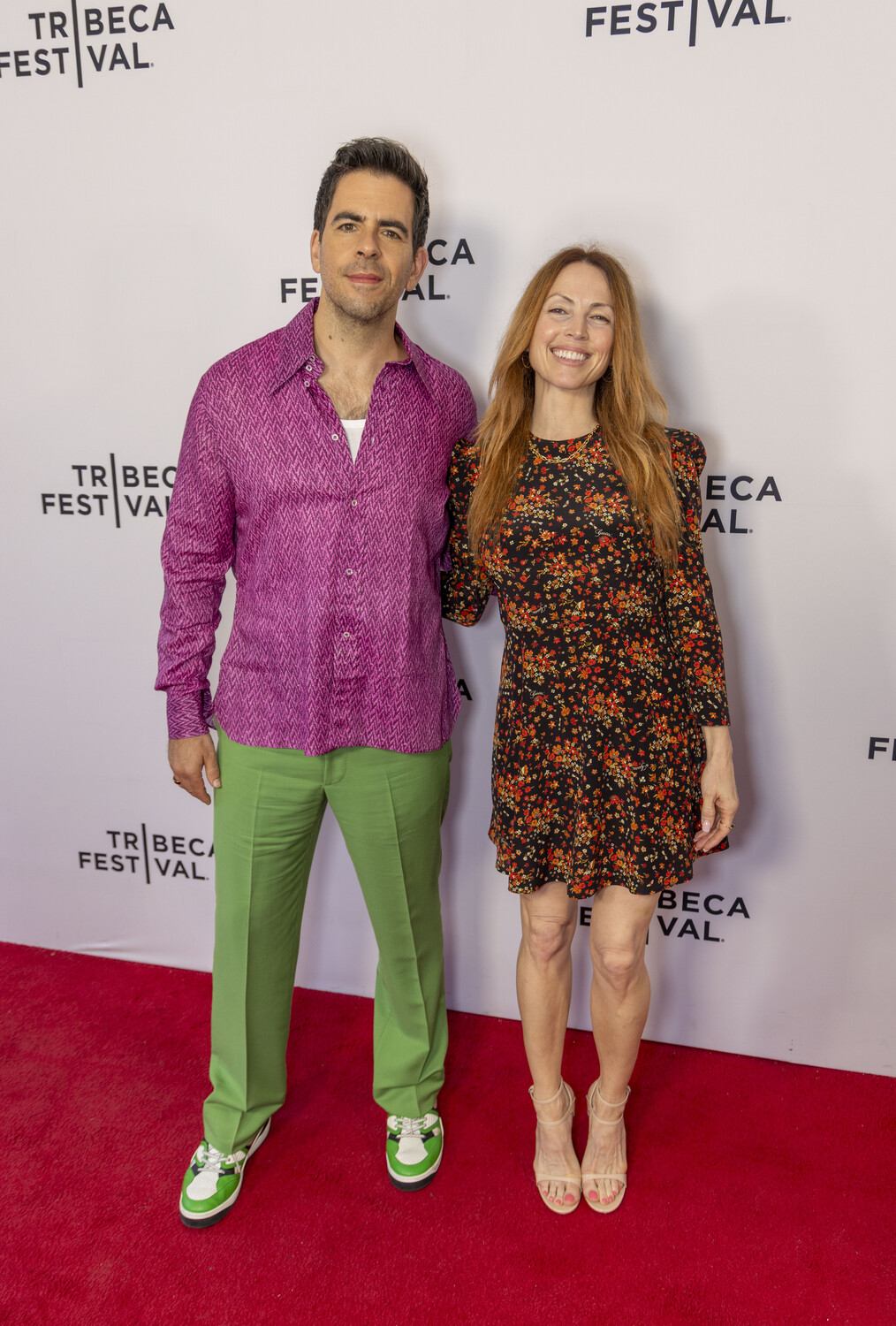
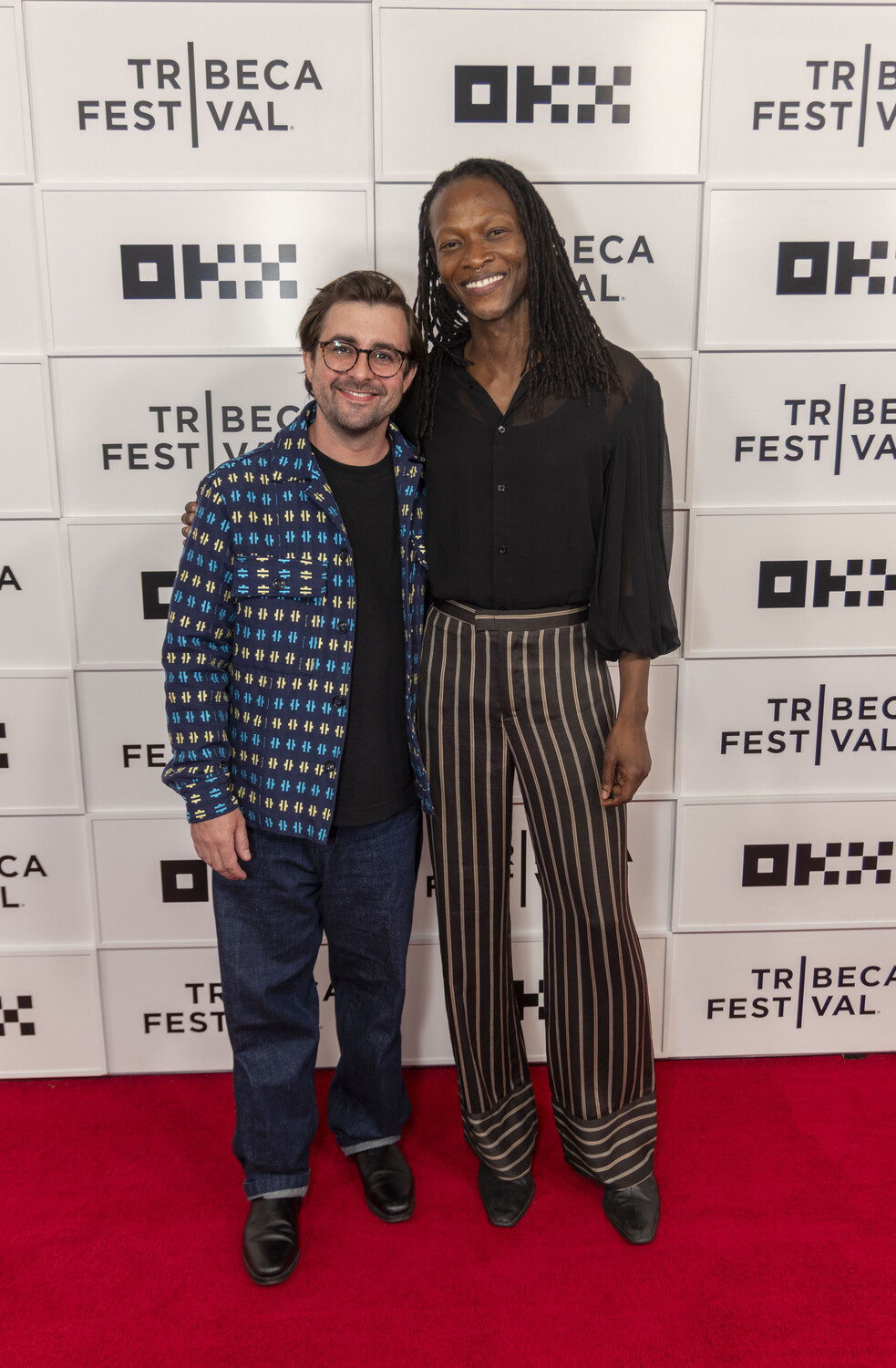
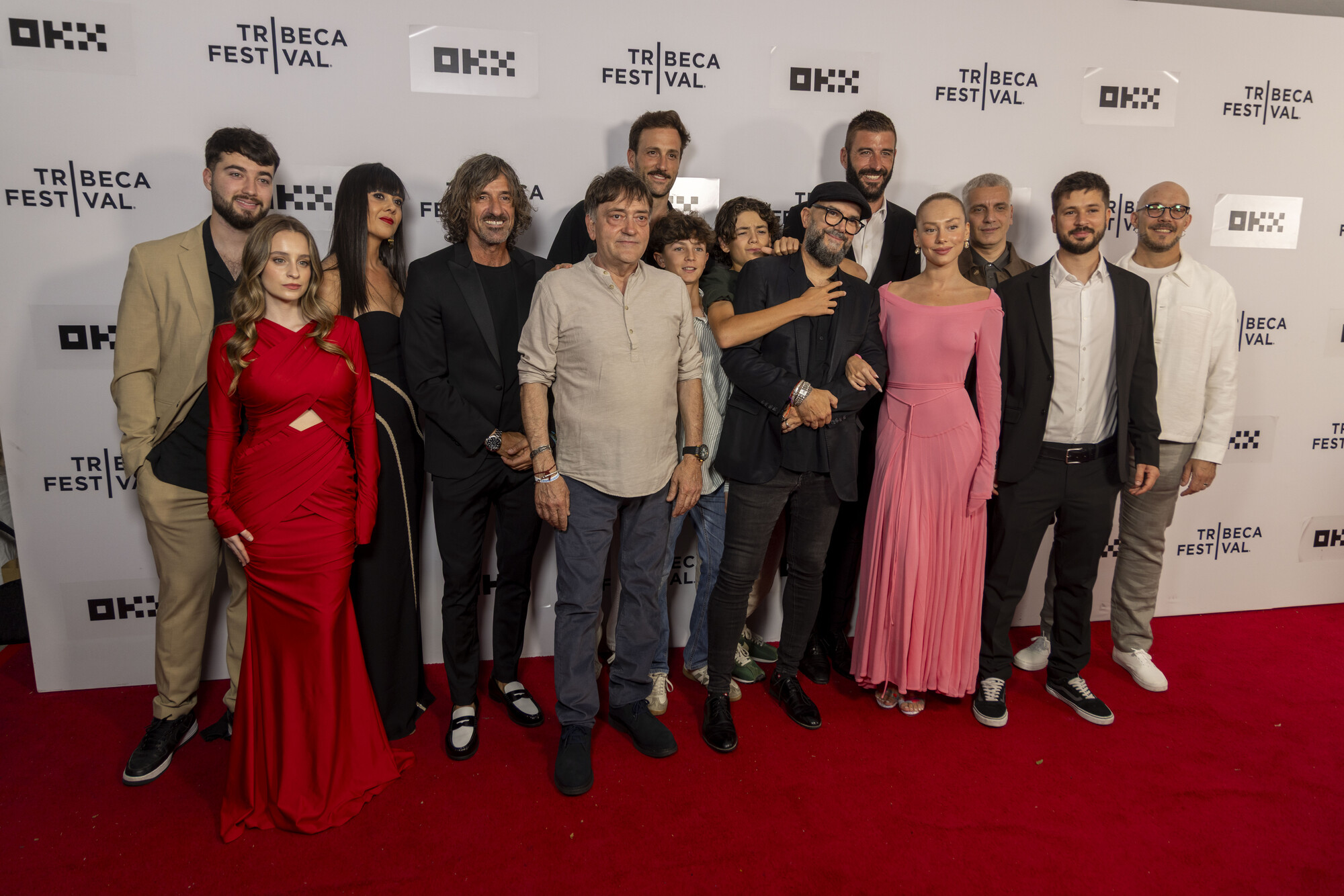
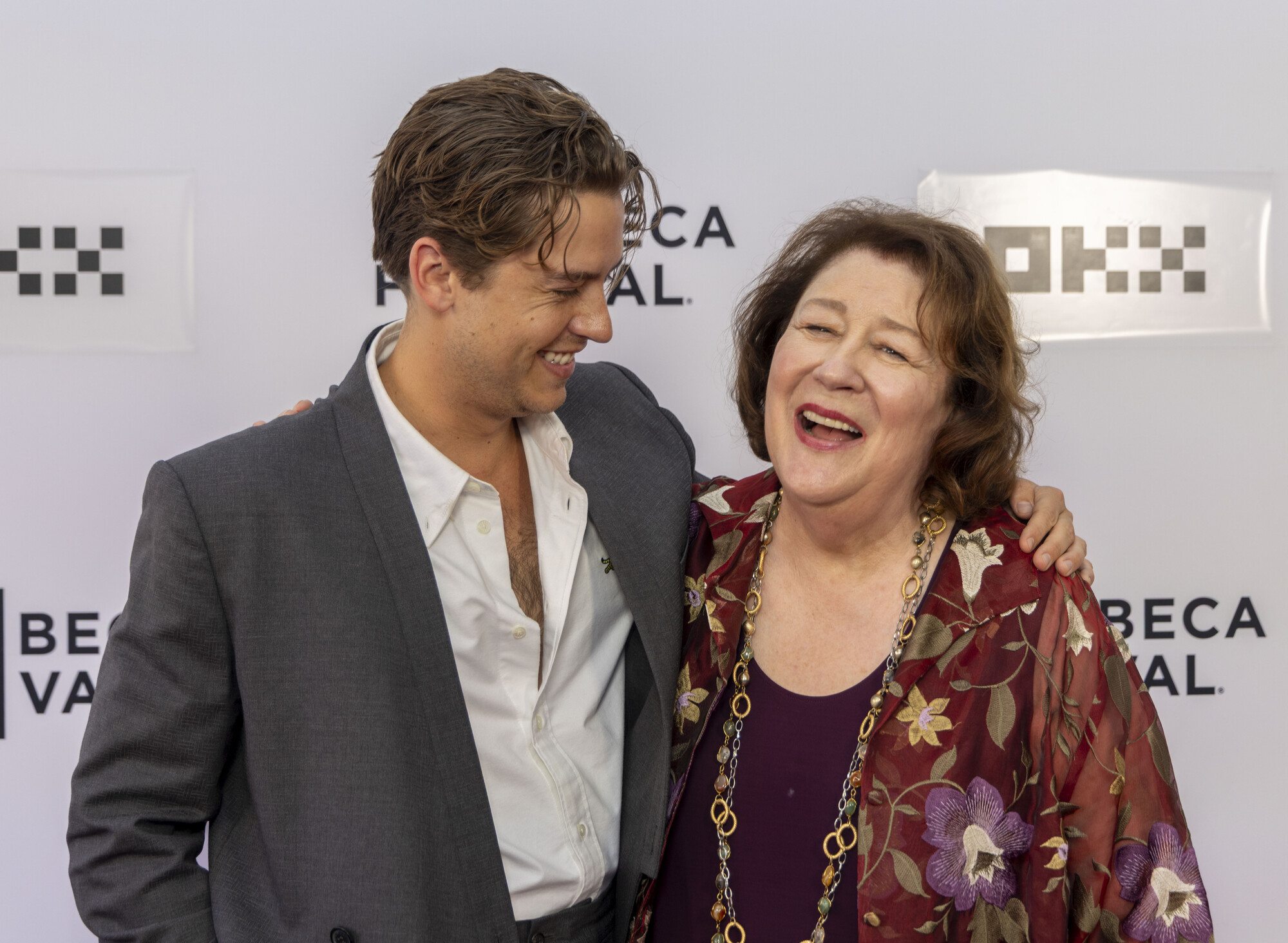
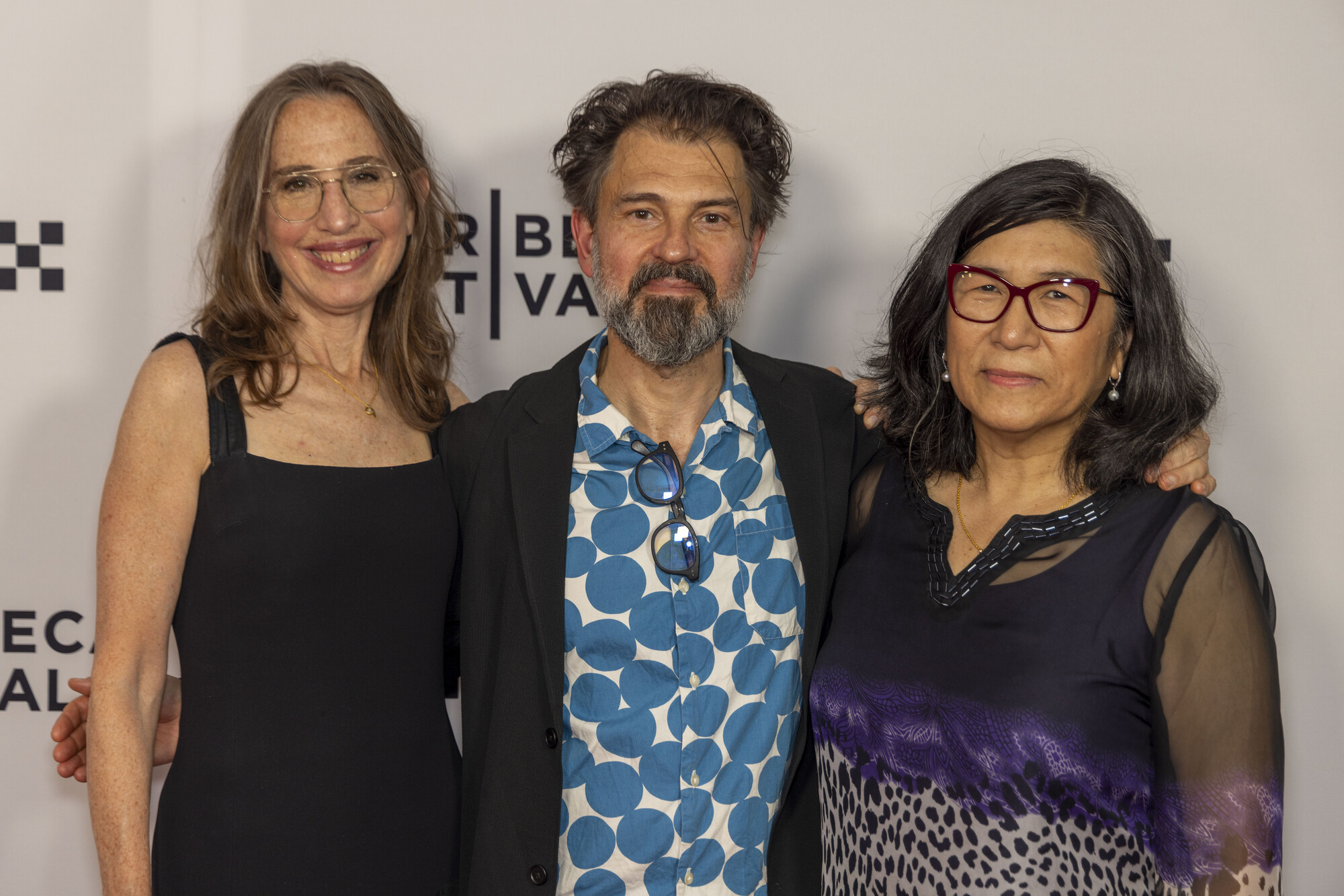
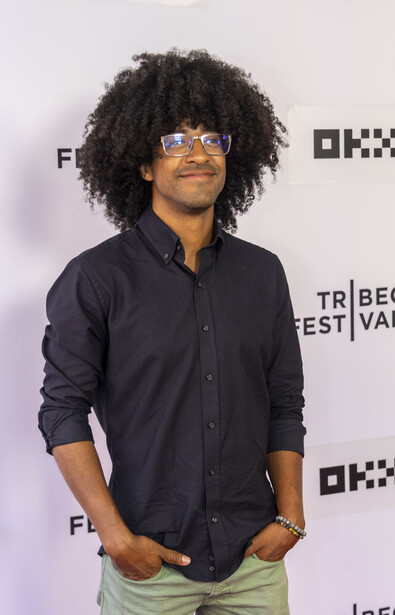
Photos from various red carpets and events during the Tribeca Film Festival.

Join the Fstoppers community for free
-
Post comments and join in the discussions
-
Browse the site ad-free
-
Share your work and get featured in the community
-
Compete in the photo contests for fun and prizes
No comments yet