Clients ask about your style constantly, and most of the time they're actually asking two separate questions without realizing it. Answering both well is the difference between a booking and a polite pass.
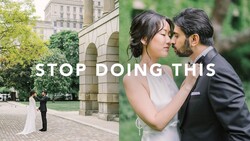
Chris Tellez breaks down those two questions for anyone shooting portraits, weddings, or events, and the split turns out to matter more than you'd expect. The first question is about what your photos look like. Tellez recommends an elevator pitch, a short line an average person understands, and his is that he wants his images to feel like a still frame from a movie: rich, dense, deep, better than the moment actually looked. He isn't chasing hyperrealism. Your version might be the opposite, something light and airy like a postcard from vacation, and Tellez says if that's true for you, tell couples exactly that because plenty of them want to hear it.
The second question is about your approach, meaning how you actually behave with people in front of the camera. For a portrait session, Tellez focuses on making the subject comfortable, starting with clothes they feel good in and continuing by showing them the back of the camera so they can weigh in as you go. Most people have no idea what's happening in the frame while they pose, so guiding them through it becomes part of the job. For weddings, his pitch is different: he spends more time with the couple than anyone else that day, so getting along genuinely and folding into the friend group leads to better pictures. What you like to shoot and how you go about getting it are two different skills, and treating them as one is a common mistake.
The most useful stretch is his method for finding a style if you don't have one yet. Pick your 100 favorite photos and hunt for through lines. Look at composition, subject, and the way you edit. Tellez prints his and studies them physically, which is how he learned he strongly prefers horizontal framing over vertical, positions people off center, and leans on high contrast ratios. He explains contrast ratios plainly in the video, from a 4:1 clean commercial look up to a heavy 128:1, and points to the horror film Midsommar as an example of a filmmaker flipping the rule with bright, unsettling high-key light. On color, he wants deep reds, burnt oranges, and rich blues pulled from the pigments of old oil paintings, while subduing greens and avoiding purples.
Worth connecting this to the wider moment: the reason "what's your style?" feels harder to answer now is that the tools have flattened the visible differences between photographers. Presets ship a look in one click, and AI generates polished frames on demand, which means the surface qualities that once signaled a personal style are cheap and everywhere. Tellez's print-and-sort exercise sidesteps that entirely. Instead of borrowing a look, you reverse-engineer the one you already have by studying decisions you make without thinking, such as where you put the subject, which orientation you reach for, and what you refuse to photograph. That's a repeatable habit any shooter can run, professional or hobbyist, and it produces something no preset can hand you: an honest description of your own instincts. The more you name those patterns, the faster you can lean into them on purpose.
He closes on an idea he admits he borrowed and can't fully source, that there's a chasm between your taste and your ability. You'll see images you love and lack the skill to make yet, but the gap narrows the more you shoot with intention, then widens as your taste grows, then narrows again. Understanding your visual language is what pulls the two closer over time.
Give the video above a watch to hear how Tellez frames his full pitch to couples and walks through his contrast-ratio thinking in detail.
Join the Fstoppers community for free
-
Post comments and join in the discussions
-
Browse the site ad-free
-
Share your work and get featured in the community
-
Compete in the photo contests for fun and prizes
No comments yet