
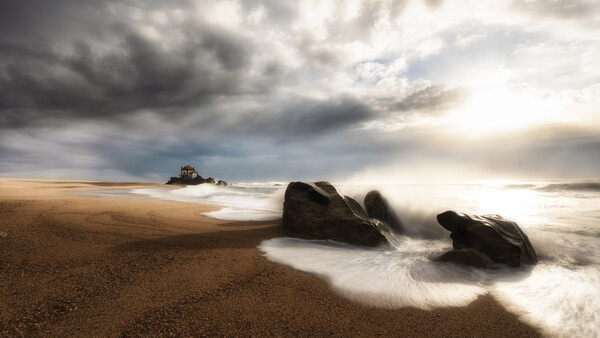
You know how it goes. You peel the curtain back just a fraction to get a glimpse of what kind of conditions are in store for you. It's that moment of truth. Beginner photographers might check the forecast for cloudless skies and gentle breezes—the kind of "safe" weather that makes for a pleasant walk. A more experienced photographer is checking for fog, heavy snow, or those unique, brooding storm conditions that most people run away from. Let's talk about the weather.
I have no doubt we have all been there—getting side-swiped by big old fat rain and howling winds. There's that specific sensation of the jacket hood rustling so loud against your ears that the decibels reach a point of deafness. You're standing there, hunched over the tripod, and you think to yourself, "Right, that's it. I'm done. See you later." But I want us to take a look at how this adversity and these conditions should not be seen as an obstacle. Instead, I want to help you shift your mindset so that the weather becomes the most challenging and rewarding photography teacher there is.
Less-than-ideal conditions force your hand to be more creative. They improve your problem-solving skills, produce unique emotional qualities, and reveal textures and atmospheres that a simpler, sunny day can never achieve. I am such a huge fan of extreme weather photography. I've never really had the opportunity to partake in those tornado-chasing photo workshops or the epic storm chasing that my fellow US photographers have the joy of doing—that's not to say that Europe doesn't have its own weather systems, but seeing those big epic storm skies has forever sparked my curiosity and creativity. I'd like to discuss four key lessons that bad weather can teach: the mastering of mood, light resourcefulness, compositional simplicity, and the vital skill of mental resilience.
The Lesson of Mood: Weather as an Emotional Filter
So, what can bad weather teach us about mood and "moody" photography? A lot, it would seem. Just to clarify, when I say "mood," I'm talking about those images that have a particular feeling to them—that weight you can sense before you even see the subject.
Atmosphere imposes emotion: Isn't it funny how the weather plays such an important role in how you personally feel on any given day? The exact same can be said for your photography. When you go out and photograph beautiful sunny skies and gorgeous golden light as it rolls over the mountains, creating those beautiful long shadows, there is an inherent cheerfulness and a positive mindset to these images. Bad weather, on the other hand, imposes a very specific, strong, and highly dramatic emotion. It brings melancholy, closeness, mystery, and weight.
We can take advantage of these heavy emotions and translate them directly into the frame as we set out to capture the landscape. Both scenarios are wonderful, don't get me wrong, but the latter—the struggle—is what separates the wheat from the chaff. It forces you to stop looking at the "pretty" version of the world and start looking at the honest one.
Narrative weight: All this being said, images photographed in bad weather conditions seem to have a heavier narrative weight to them. For me, some of the most memorable landscape images I have ever seen—and captured myself—are the ones that hold on to these ideas. It's not just a storm we see in the final image; it's a storm we can feel. When you look at an image where the clouds are heavy and the air is thick, your brain fills in the gaps. You can almost hear the wind and feel the dampness. And with careful post-production, we can so wonderfully enhance this narrative weight, creating images that we can be really proud of because they tell a story of endurance.
The Lesson of Light: Mastering Diffused and Directional Contrast
The light itself comes with its own lessons to be taught. While I have briefly touched on this topic in other articles I have written for Fstoppers, it is once again worth reiterating because of the power it holds over the final result.
The resourcefulness of light: When the conditions are ideal, it can sometimes feel like the photographs take themselves. I absolutely love basking in the glory of perfect photographic conditions that I've had to work for, but dare I say, it is a little easy. (Don't shoot the messenger!) When the weather is in that "I'm going home" territory, we can retrain our mindset and focus more on becoming masters of all lighting conditions, not just the easy ones.
Overcast and diffused light: Overcast and diffused light teaches us how to focus on cooler saturated palettes, tone, and fine detail. When there are no harsh shadows or deep contrasts within the scene, your compositional focus must be absolute. If you pull back the curtain and see a grey, flat day out the window, don't think to yourself that you're going to stay home. Instead, think: "How can I take advantage of this, what can I learn?" If you are close to a forest or perhaps a waterfall, these are the ideal conditions to photograph these scenes. There is a soft intimacy to the light. The moisture in the air really helps to saturate colors—making the greens of a forest pop and the yellow of the gorse sing. Wet rocks have a deeper tone, and all of this combined stands to enhance the visual texture of everything it touches.
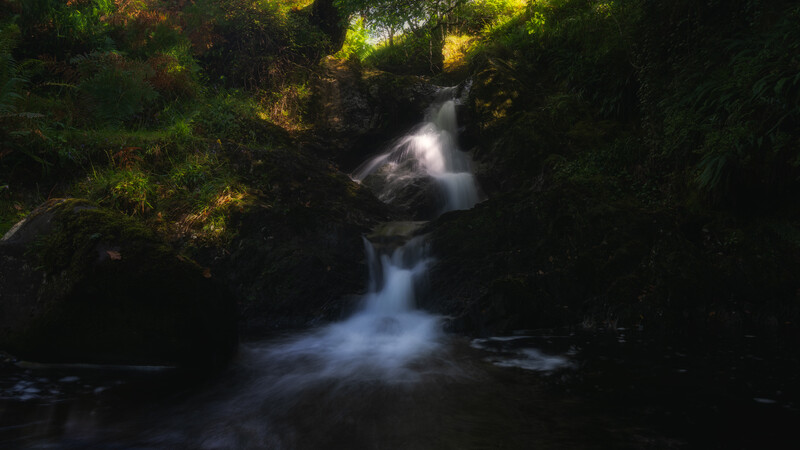
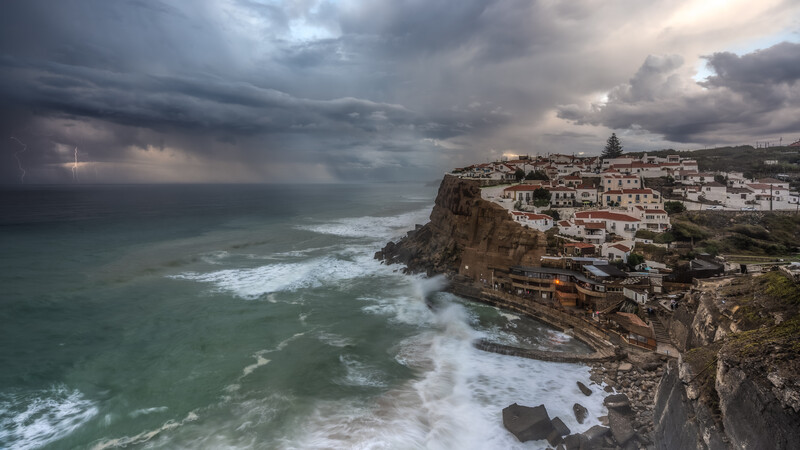
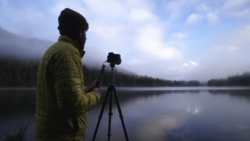
Storm breaks and post-rain light: This is my favorite part of the "weather lesson." You have kept your head down, your collar up, and your sheer determination to wait and see what Mother Nature can throw at you next has kept you on the cliff edge or knee-deep in water as it rushes around you. This is the ultimate lesson in directional light and rapid execution. The sun breaks through the dark, dramatic storm that once made you question what it is you are doing, and it creates a wonderfully powerful, fleeting directional light. Because you persevered through all the adversity, you are ready.
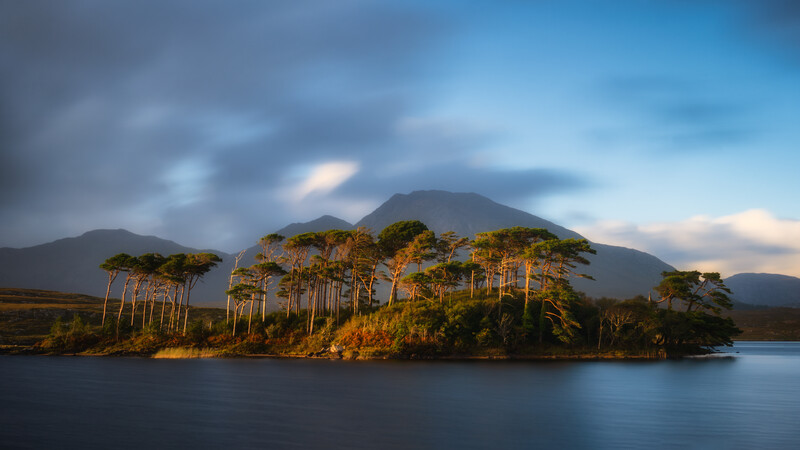
Your familiarity with your camera, the pre-visualized vision you set out with, and nature's answer all align. You are primed to capture the full dynamic range of the scene and the motion in the water. You can then bask in the moment and the glory that it was. Beautiful.
If you want to dive deeper into making the most of these moments, Photographing the World 4: Advanced Landscapes is a great resource for working through changing conditions in the field.
The Lesson of Compositional Simplicity
When you have mustered the gusto to get in the car in sheets of rain and you're questioning your sanity, know that there is a deep lesson waiting for you in simplicity.
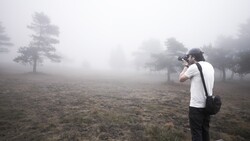
Fog as a tool for focus: I love a bit of fog just as much as the next guy. Being in a scenario where fog is present with a camera in your hand is a good day in my book. Fog almost acts as a natural airbrush. What it can do so beautifully is eliminate a distracting background—those power lines, ugly fences, or cluttered horizons. It can simplify a very complex scene into something more minimalist and focused. The way the background disappears into obscurity adds an extra element of mystery to a frame, particularly in a woodland. All that being said, fog and mist will force your hand to solely focus on the shapes, tones, and the intimacy of the scene before you.
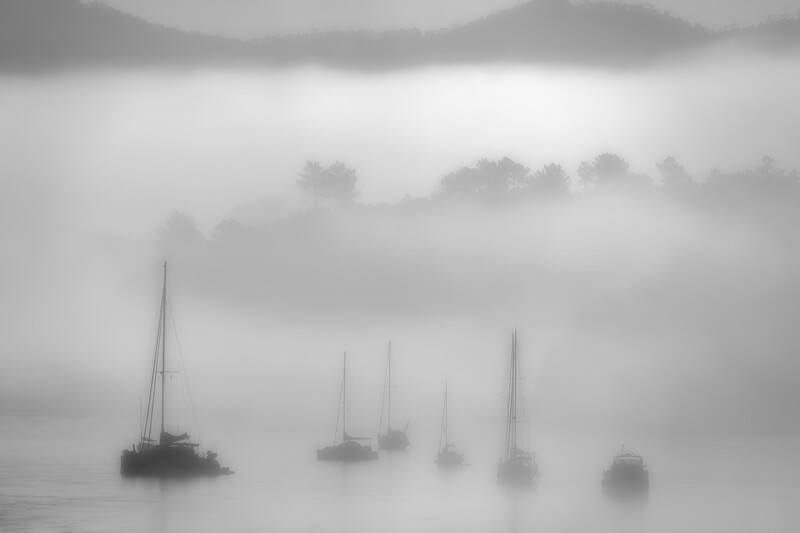
Negative space and isolation: When you can find a lone tree where the background falls into obscurity, you can then start to introduce a feeling of isolation and take advantage of negative space within your frames. Pause for a moment and think of a solitary tree shrouded by mist, defined by the white void beyond. When you can see an image like this in your mind, it teaches the compositional power of isolation and gives your subject "visual breathing space." This, in turn, adds a hugely significant weight to the tree and, by contrast, the fog itself. (Please feel free to share your misty lone trees in the comments, because I can't find one.)
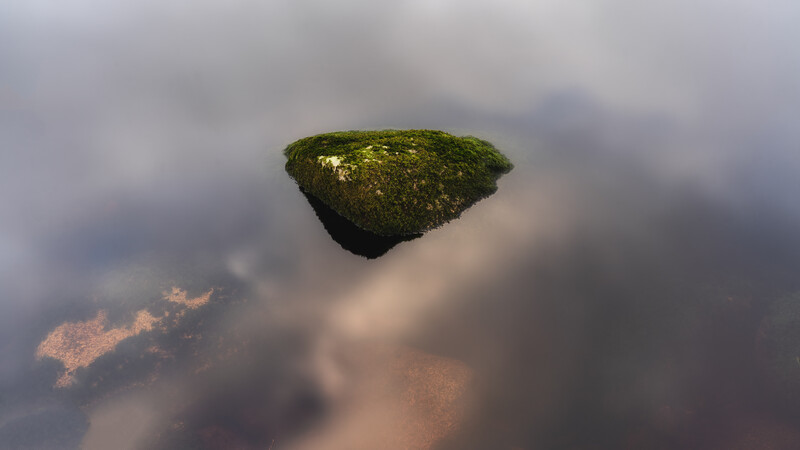
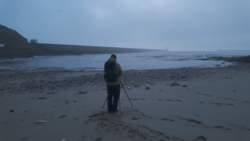
Finding the foreground: Often, when the horizon is completely shrouded and the mist is rolling in faster than you anticipated, you might feel like the shot is gone. But this is when the weather forces your eye to look down. When you do, a whole new world opens up before you—a world of intimate details. A reflective puddle can hold countless photographic opportunities. A pattern in wet sand is full of depth, contrast, and tiny details. Even the patterns and textures of moss growing on a rough face hold teachable lessons. Just because you are not coming home with the grand vista you set out to photograph does not mean you are coming home empty-handed.
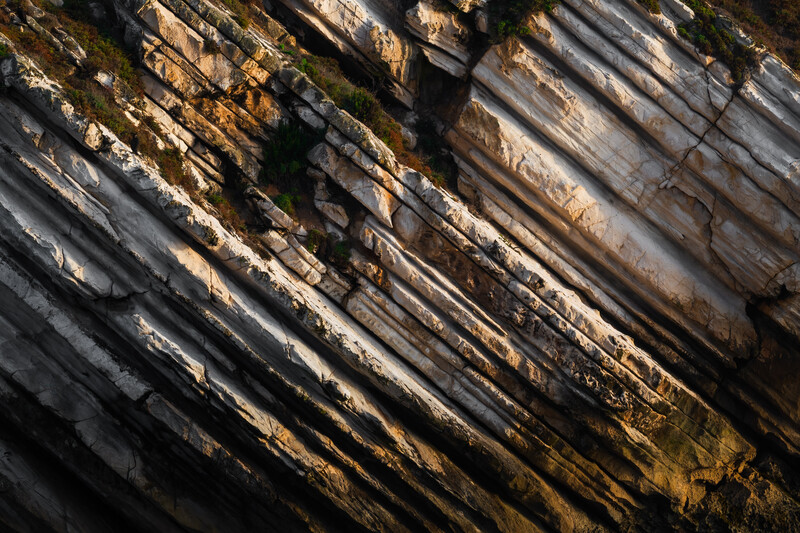
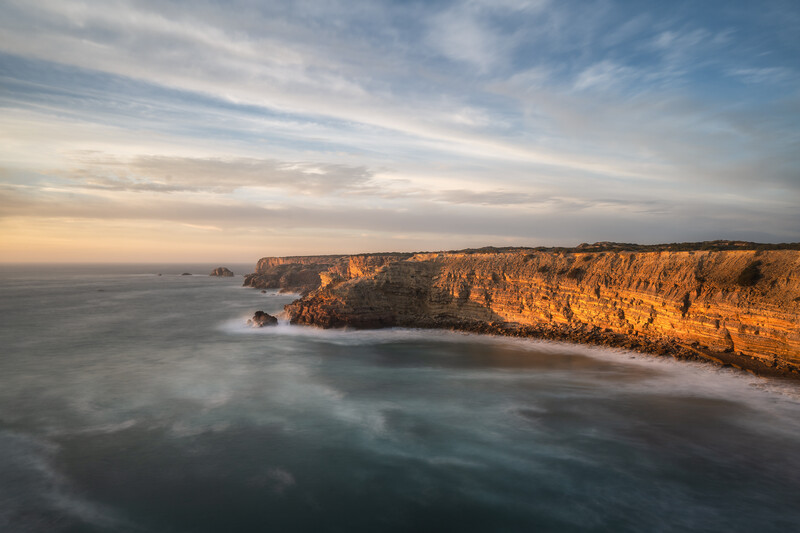
The Algarve and the power of repetition: Unless you're constantly traveling to new locations every day with an unlimited bank account, you have likely photographed the same scenes many times. Having the opportunity to photograph the very same place over and over again—including in bad weather—can transform a familiar location completely. Having lived in the Algarve in southern Portugal for a few years, I was lucky enough to live very close to the coast. I photographed nearly every inch of it. Every time I went out, regardless of conditions, I came away with a deeper understanding of how the tide affects the frame, or how the winds affect the water surface. Something as small as the way waves break on rocks in different weather can have a huge impact. Those lessons culminate in a knowledge I still use today.

The Lesson of Resilience: Mental Toughness for Better Work
For me personally, I think this is the strongest lesson of them all. If you can bring yourself to continuously go out when you planned to, regardless of conditions, you build a level of resilience and mental toughness that directly improves your work.
The separation factor: It is so much easier to sit back down on the couch and turn on the TV when the rain starts hitting the window. But building a resilience to go out in those conditions not only improves your opportunities to capture something awesome, it has huge ramifications in your own life. Your commitment and determination are directly proportional to the strength of the resulting work.
The value of discomfort: When you are standing braced against the howling winds and driving rains, you no doubt feel uncomfortable. But just as you lean into the wind, you must lean into that discomfort. You will inevitably and instinctually capture a much greater emotional depth in your images because of that struggle. You gain a greater respect for the elements around you, and these translate into more substantial work.
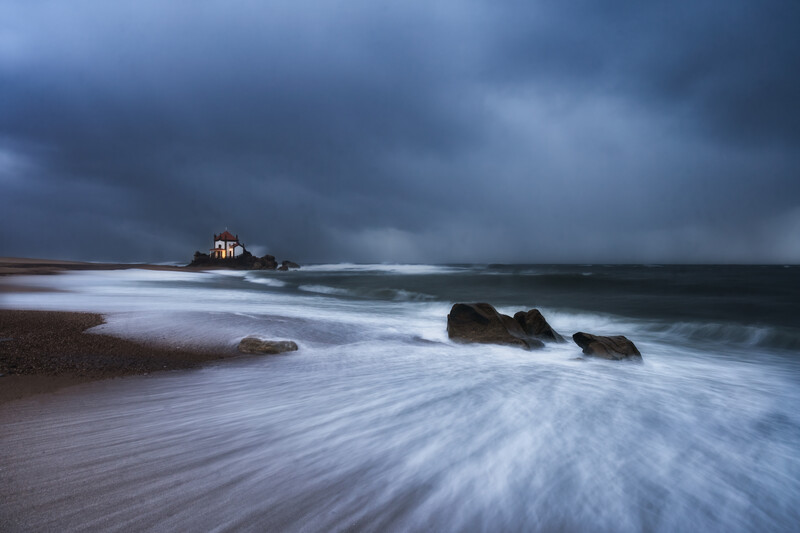
Technical mastery and the subconscious: As frustrating as it may be for a new photographer, trial and error is your greatest ally. If it was your first time in a storm, you might come away feeling like you didn't capture everything you wanted. But rest assured, a technical mastery subfolder was created in your subconscious. The lessons learned from wind, rain, and low light force you to master your gear—exposure bracketing, lens cleaning on the fly, and rapid execution. These all build vital muscle memory. For the seasoned adventurers reading this, the same rules apply: we never stop learning, and each encounter with Mother Nature in bad conditions is a lesson unto itself.
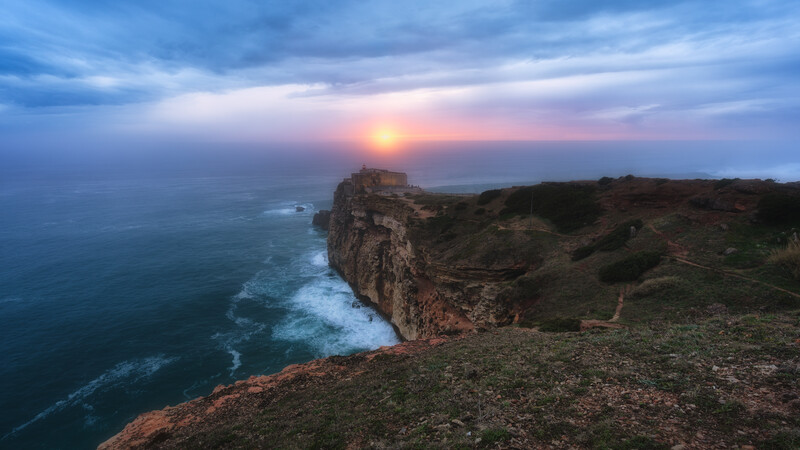
The reward: There is no question that the most unique images are often captured in bad weather. For the majority of photographers, these will be the standout images in a portfolio precisely because they offer a perspective that most people refuse to endure. And what's even cooler is if you get questions about your images—the answer I like to come back with is that the elements themselves helped shape the final image. And that just sounds extra awesome!
Conclusion
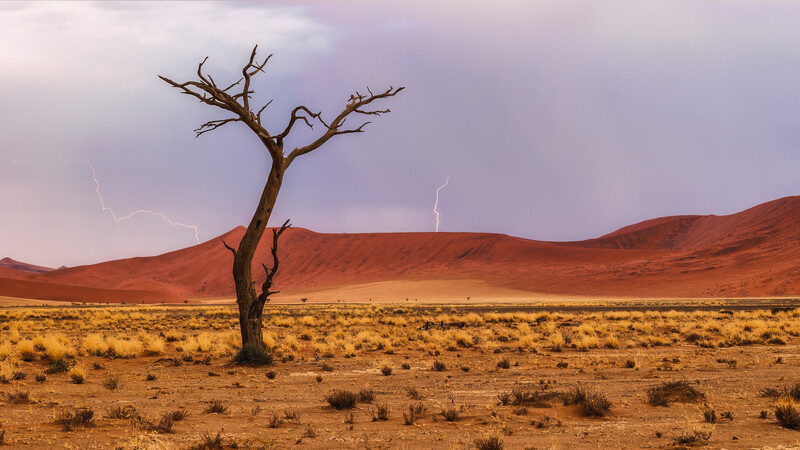
So there we have it—phew, we made it! Bad weather is not a reason to stay home; it can be a wonderful creative opportunity that teaches you mood, light, resourcefulness, and compositional simplicity better than any sunny day could.
Please take it from somebody who, for many years, used the weather as an excuse not to go out. Just grab your gear and head out. If not for creating new work, then to build your resilience and mental toughness. All of what I've talked about combined will make you a stronger photographer.
Call to action: I love my little calls to action at the end of these articles. I would encourage you to look at the weather app you use, find a really crap day, and plan something around that. Try your best to stay out for a minimum of two hours and lean into your discomfort. I will be honored to see the results below in the comments.
Cheers.


Join the Fstoppers community for free
-
Post comments and join in the discussions
-
Browse the site ad-free
-
Share your work and get featured in the community
-
Compete in the photo contests for fun and prizes
No comments yet