Camera gear often becomes deeply personal, with certain models leaving lasting impressions that shape how you approach photography for years to come. The cameras that inspire you aren't always the most expensive or technically advanced—sometimes it's about timing, circumstance, or simply how a particular tool unlocks new creative possibilities.
Coming to you from Peter Forsgård, this thoughtful video explores the concept of inspirational cameras through a conversation between Matti Sulanto and Forsgård, who share their most meaningful gear relationships. The discussion kicks off with an interesting observation about how the photography industry markets "fun" cameras. They question why low-tech, lower-quality cameras are often positioned as more enjoyable than high-performance tools that actually help rather than hinder your creative process. This perspective challenges the common narrative that limitations breed creativity, suggesting instead that having reliable, capable gear allows you to focus on the actual art of photography rather than fighting with your equipment. The conversation touches on how certain camera features can spark creative ideas, even if the camera itself isn't the right tool for the job.
The discussion reveals how camera choices evolve alongside your career and personal style, with both photographers describing significant shifts in their preferences over decades of professional work, finding themselves moving from larger, professional-grade cameras to increasingly compact systems as his work shifted from traditional assignments to street photography and video content. This evolution reflects a broader trend in the industry where technological advances have made smaller cameras viable for professional work, something that wasn't possible in earlier eras when serious photography demanded substantial, heavy equipment. The hosts discuss how their fundamental preferences for certain camera types have remained consistent even as specific models and sizes have changed over the decades. They also touch on the appeal of film photography as a deliberate, process-oriented approach that some find rewarding despite its inconveniences.
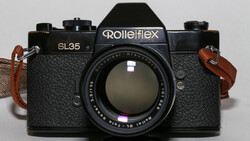
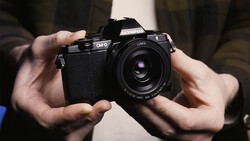
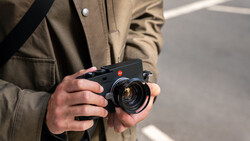
Both Forsgård and Sulanto share three cameras that significantly influenced their work and approach, spanning different eras and formats from the 1980s through today. The selections range from medium format film cameras that launched freelance careers to early full frame digital bodies that felt like coming home after years of crop sensor limitations. What emerges is a pattern where inspirational cameras often represent turning points—the first professional tool, the transition to digital, or the first truly pocketable camera that delivered professional results. These aren't necessarily the cameras that received the most critical acclaim or won the most awards, but rather the ones that opened doors to new types of work or ways of seeing.
The conversation also highlights how certain cameras become workhorses that you rely on for years, sometimes until they literally break from heavy use. Both photographers mention cameras they used extensively for professional assignments, building deep familiarity and trust with specific tools. This relationship between photographer and camera goes beyond mere technical specifications to encompass reliability, ergonomics, and the confidence that comes from knowing your equipment won't let you down in critical moments. Check out the video above for the full rundown.


Join the Fstoppers community for free
-
Post comments and join in the discussions
-
Browse the site ad-free
-
Share your work and get featured in the community
-
Compete in the photo contests for fun and prizes
No comments yet