The Fujifilm X-H2 packs a 40-megapixel sensor, in-body stabilization, and a modular design that accepts a cooling fan and a broadcast-level file transfer grip, yet it sits in the shadow of the cheaper X-T5. That gap says a lot about who each camera is actually for.
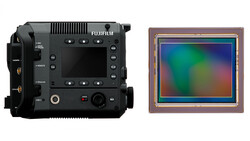
A planned head-to-head between the X-H2 and the X-T5 turns into something more useful in the hands of Take Kayo, who quickly decides the two cameras aren't really competitors at all. Both share the same sensor, processor, and IBIS unit, so on paper they look like siblings. The differences live in the hardware. The X-H2 uses a CFexpress card slot, a deep grip built for larger glass, and a fully articulating screen, while the X-T5 keeps the dial-driven top plate that made the X-T line a bestseller. Kayo pairs it with lenses like the 56mm f/1.2 and the 100-400mm to show where that deeper grip earns its keep.
Kayo traces the X-H2 back to the original X-H1, a camera he still admires but calls a lost-in-the-shuffle release. The X-H1 arrived as a flagship carrying a second-generation sensor just months before the X-T3 showed up with the newer third-generation chip. Its design borrowed from the GFX 50S, with a top-panel screen and traditional dials. The X-H2 goes the other direction with a PASM dial and a button-centric layout that will feel familiar to anyone coming from Sony, Canon, or Nikon. Kayo is honest that he tolerates PASM on Fujifilm and would prefer a hybrid of dials and a large top screen, and he explains in the video why the body only ever ships in black.
The extras are where the X-H2 separates itself. A screw-on fan mounts to the back for prolonged continuous shooting and video, and the optional FT-XH file transfer grip adds wired LAN so you can control and upload from multiple bodies across a network. That grip runs over $1,000 and targets media and publishing work, the kind where a photo needs to leave a stadium and hit the internet within seconds. No other Fujifilm camera does this except its sister body, the X-H2S. Kayo is also clear that he wouldn't pick the 40-megapixel sensor for heavy video, since it has to crop or discard pixels, and he steers hybrid shooters toward the 26-megapixel cameras and their open-gate capture instead.
The clearest way to read the X-H2 is through the lens of who already reaches for a body like it. Professionals happily shoot APS-C, and plenty shoot Micro Four Thirds for sports and wildlife, taking advantage of the extra reach a smaller sensor gives long telephotos. Fujifilm holds the APS-C throne, and the X-H2 is the flagship built for that crowd: wedding and event shooters, wildlife and nature photographers, anyone balancing big zooms who wants to drop into a vertical grip fast. The X-T5 dropped its vertical grip option, which nudges that professional buyer toward the X-H2 by design. If your work looks like that, the roughly $300 to $400 premium over the X-T5 buys real capability. If it doesn't, you're paying for features you'll never switch on, and the X-T5 or even the smaller bodies make more sense.
Watch Kayo's full breakdown in the video above to hear why he'd choose the X-H2 over the X-T5 for professional work, and where he thinks the X-H series should go next.





Join the Fstoppers community for free
-
Post comments and join in the discussions
-
Browse the site ad-free
-
Share your work and get featured in the community
-
Compete in the photo contests for fun and prizes