
new to comunity
hello I like to shoot some Architectural images from time to time and happen to work in a placew that lends it's self to some potentiality good images. what are your thoughts?
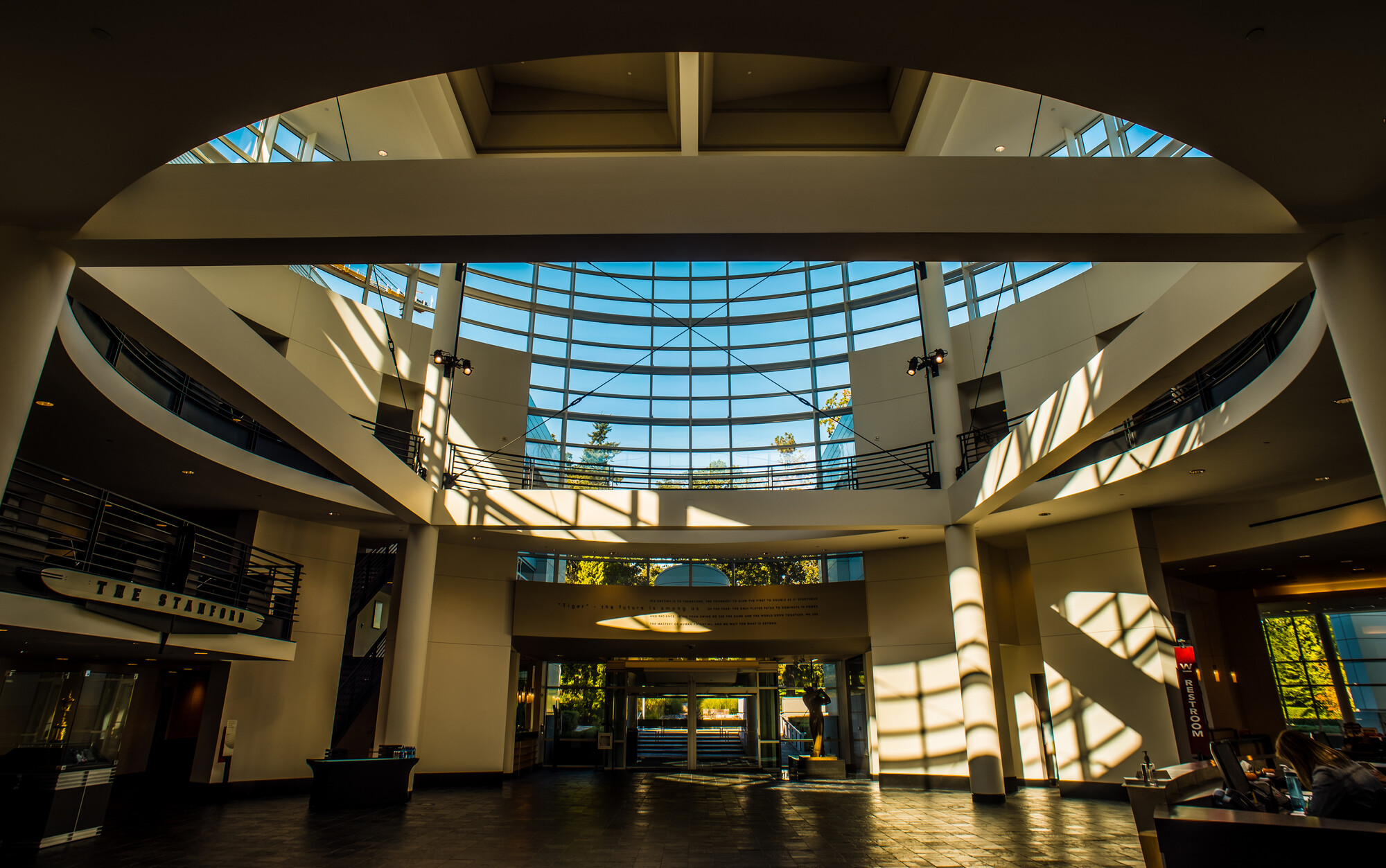
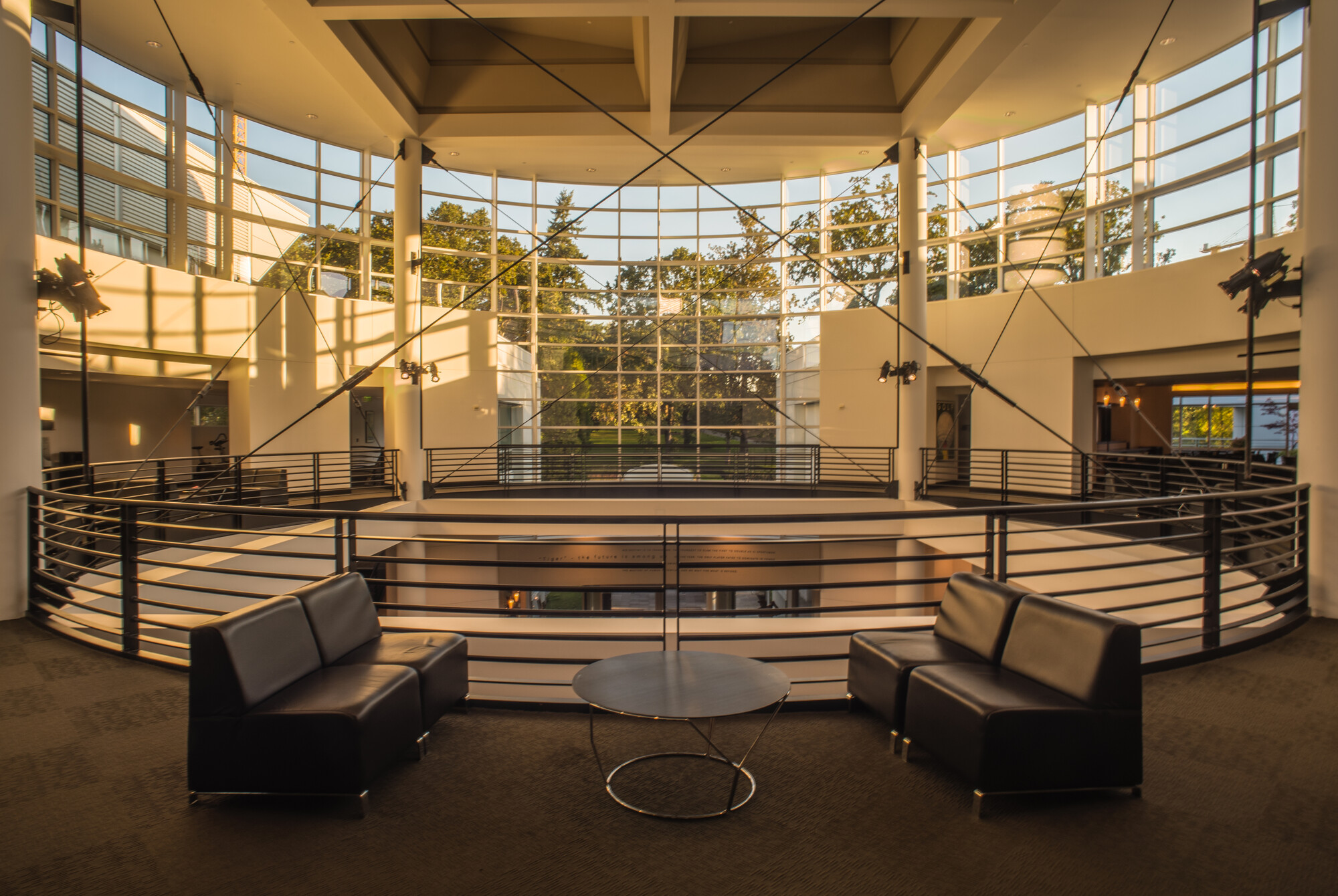
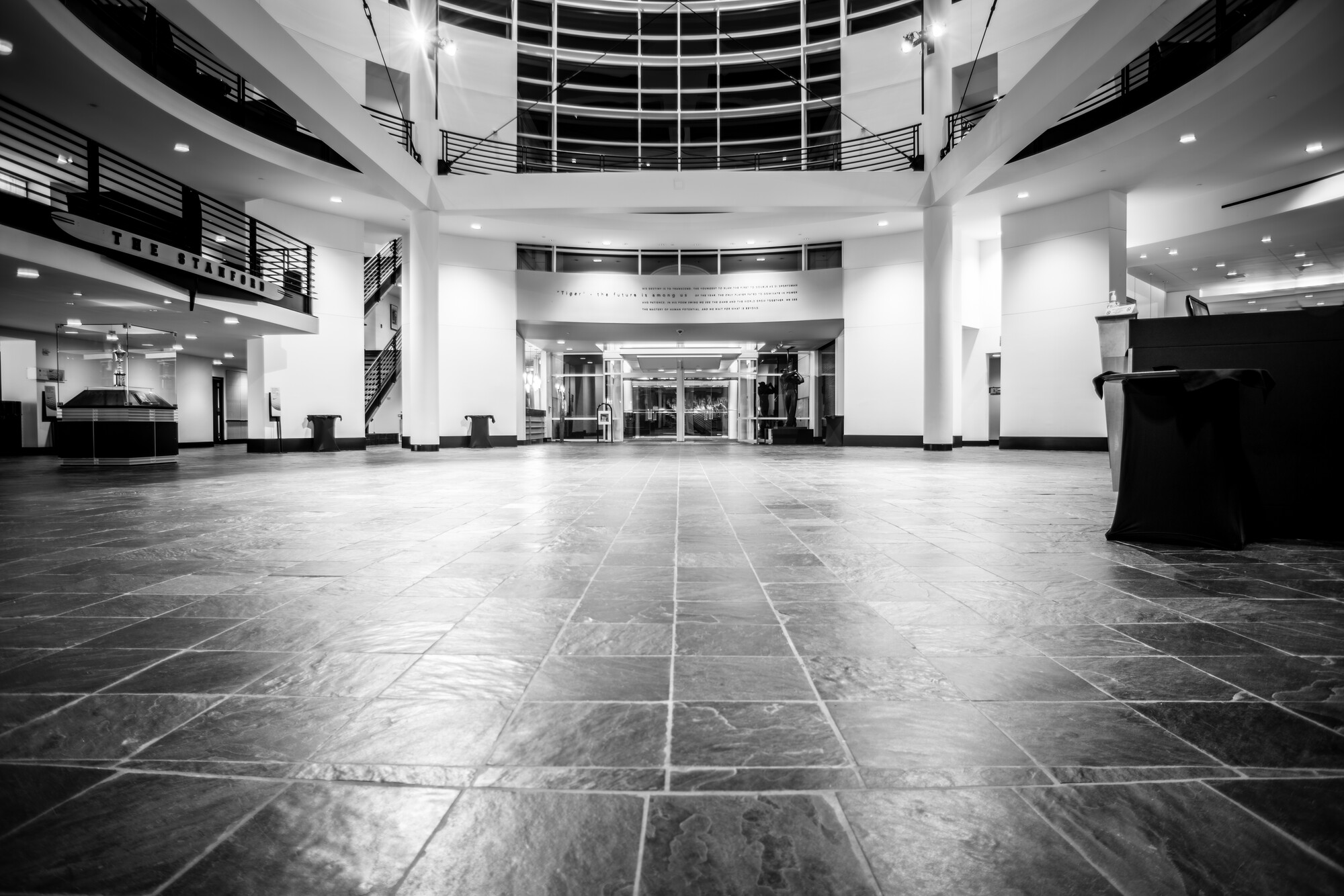
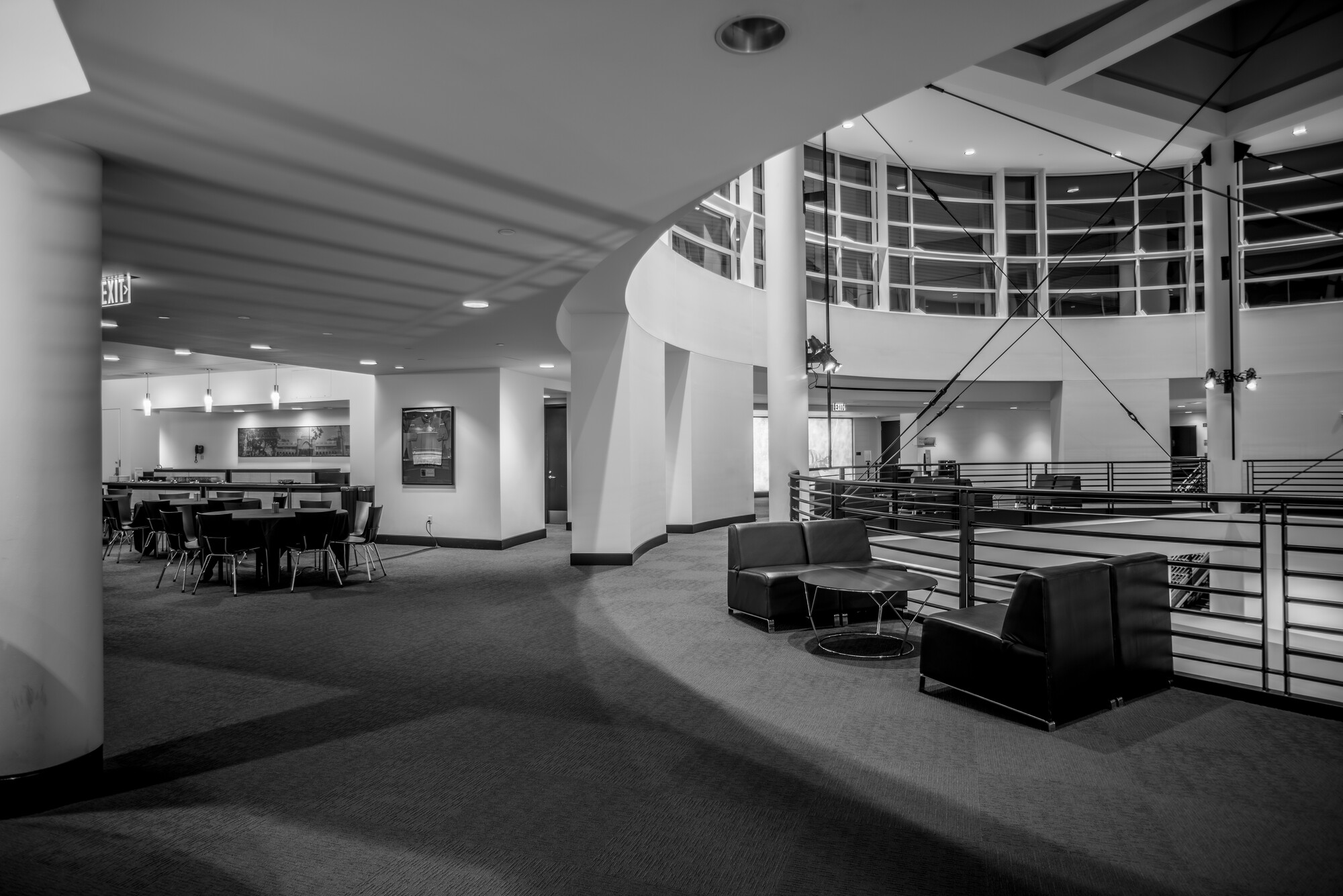
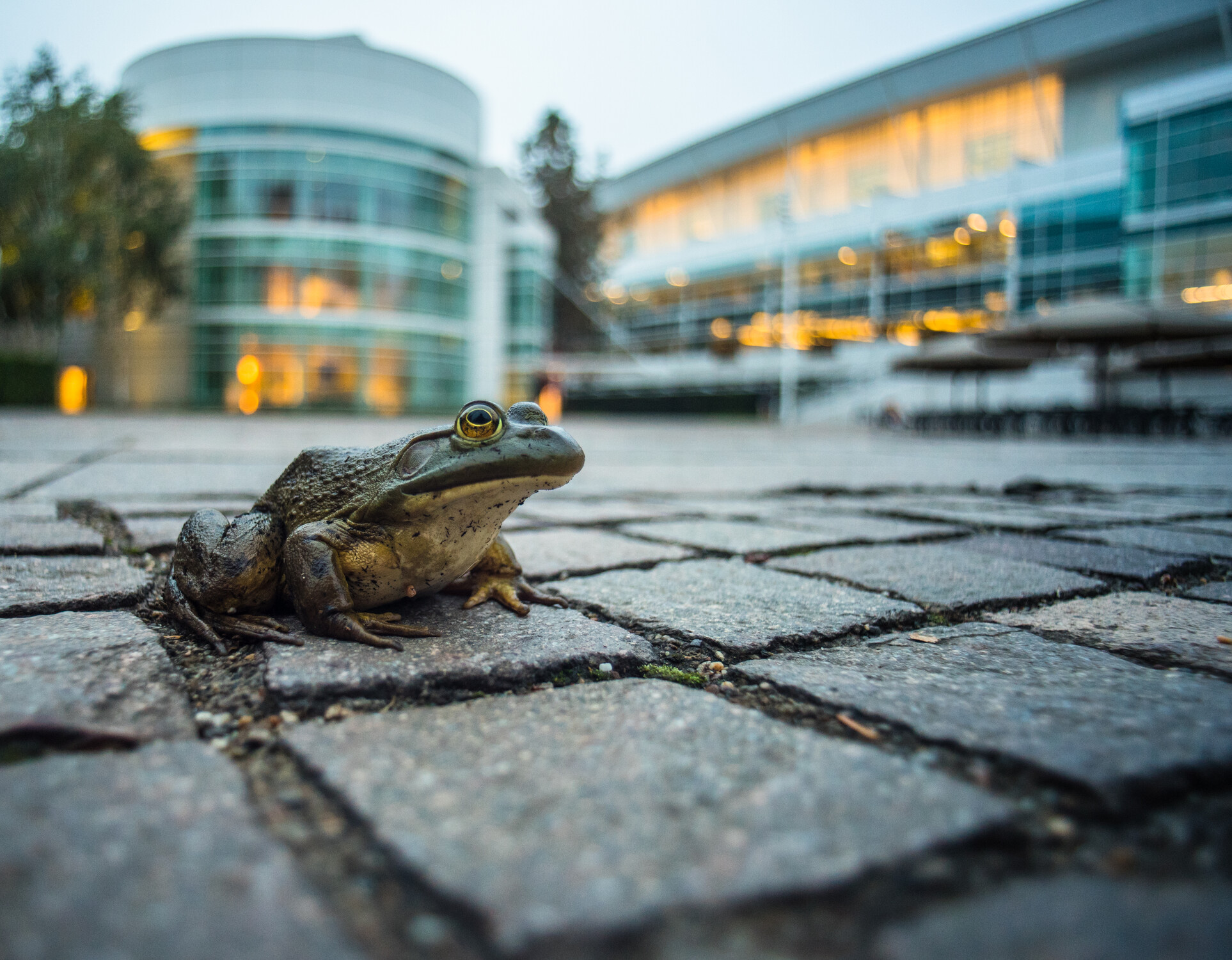
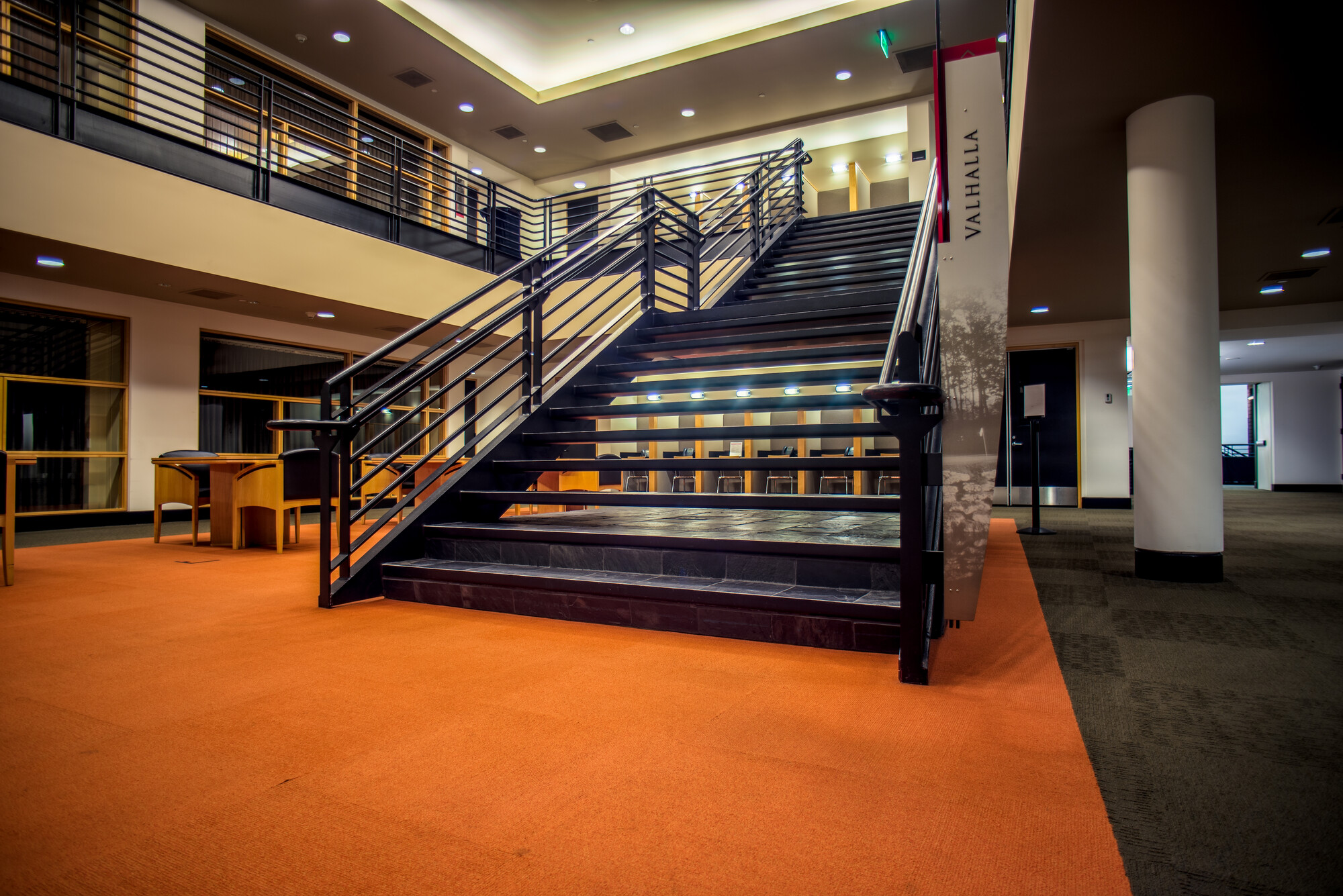
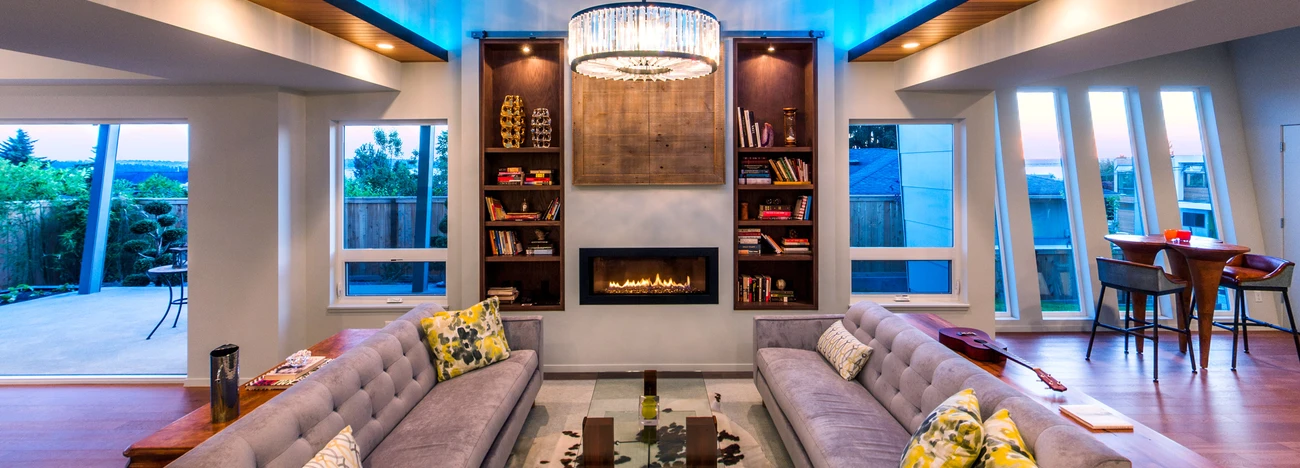
hello I like to shoot some Architectural images from time to time and happen to work in a placew that lends it's self to some potentiality good images. what are your thoughts?

...was the challenge some weeks / months ago. I did: approaching the topic "deepscape".


As we were planning our shoot, Iria said she needed a swimwear look. I wanted lifestyle with my car. We compromised. I think it turned out great. Hope you like it.


A bird I have not come across before. In my ignorance I just assumed it was a variety of Toucan.
I feel fortunate to have ben able to capture it with my lens.





1 Comment
Some general guidelines:
With your D750 shooting at f8-f12 is ideal. Shallow depth of field is rarely a tool used in this industry.
Shoot level or use perspective corrections (Lightroom > Develop > Lens Corrections > Basic > Vertical)
Black and white is typically reserved for iconic architecture or abstraction (minimal depth info)
When starting out, white balance to make sure white walls look white.
Any life (humans, creatures, plants) should be in a supportive/subordinate role to the architecture/space.
There appears to be severe corner softness, chromatic aberration, and lens vignetting in most of these photos. See if Lightroom has a Lens Profile that can improve things, otherwise consider a new lens.
Personal recommendation:
IMO interiors are much harder to master than exteriors. (mixed color temps, minute changes in perspective drastically affect things, and are geometrically more complex) I would recommend doing a photo walk and capture some buildings with simple geometry and work your way up from there. Understanding two-dimensional translations of a 3D space is much easier when you're not inside the object ;) Best of luck!