Let’s cut the fluff! If you’re relying solely on social media trends, aesthetic reels, or gifting your clients cupcakes to stay top-of-mind, you’re missing the long game. In an industry drowning in performative marketing, the most powerful and most slept-on strategy is simple: ethics.
I’m not talking about the kind of “ethics” people post for clout. I mean actual integrity. The kind that doesn’t scream for likes but speaks volumes in the way you treat people when no one’s watching. This isn’t a hashtag; it’s how you build a career that actually lasts. I learned this not from some Harvard MBA but from my immigrant parents who ran a small shop and treated every customer like they mattered. Turns out, that’s the best client retention strategy there is.
The Trust System
In my video, I break down my T.R.U.S.T. system—five simple, powerful principles that not only make you a better creative but also a better business owner. It starts with Treating others how you want to be treated. That means you don’t sneak behind the backs of those who hired you. You communicate when fees change. You don’t ghost when things get hard. You act like an adult. Wild concept, right?
Respect is next. If someone brings you onto a project—say, an Usher shoot—they’re extending their reputation to you. If you use that access to pitch yourself to the client directly, you're done. You’ve just broadcasted that you can't be trusted. And guess what? People talk. Publicists talk. Agents talk. Your whole network can either grow or rot depending on how you handle situations like this.
Then there’s Upholding transparency and Staying accountable. Messed up on a shoot? Say so. Own it. I’ve had gear fail on a Spike Lee project. I didn’t hide it—I immediately called the client, found a solution, and didn’t bill them for that day. Because my mistake is my responsibility. That level of honesty? It builds trust faster than any cold email ever will.
And finally, T: All of these together equal trust. And trust is the real currency. It's how you get rehired, referred, and respected. It’s how you turn one small gig into a long-term relationship. Ethics aren’t just about being a good person—they're about being a smart businessperson. They're your brand insurance in an industry where everyone’s trying to shortcut the system.
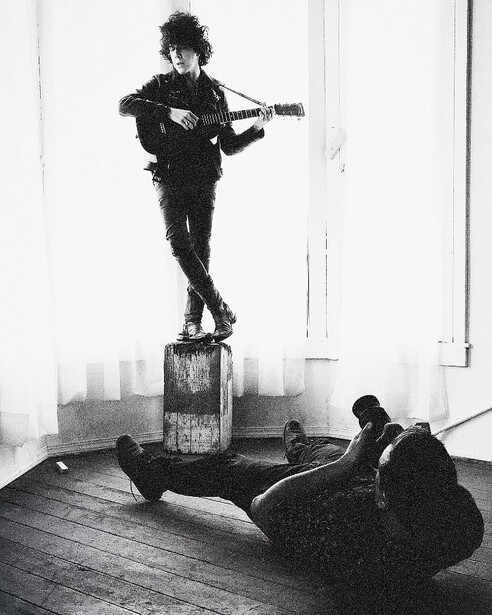
This isn't about being perfect. It's about being consistent. Be the person people feel safe hiring. Be the person who does the right thing even when it’s uncomfortable. Because while everyone else is trying to sprint their way to the top, you’ll be the one actually staying there.
If you’re a photographer, videographer, or creative who’s tired of chasing likes and wants to build something real, watch the full video. I break this down with real stories, numbers, and examples of where people fumble the bag—and where you can stand out without selling out.



Join the Fstoppers community for free
-
Post comments and join in the discussions
-
Browse the site ad-free
-
Share your work and get featured in the community
-
Compete in the photo contests for fun and prizes
6 Comments
The topic is truly important.
But in your video and text, there seems to be a subtle shift of meaning: “ethics” is presented as a strategy rather than a principle. As a result, a moral category turns into a customer-retention tool. The points about honesty, respect, and responsibility are absolutely valid, yet the overall tone feels too commercial, and ethics starts to sound more like a sales tactic than a fundamental value.
Ethics shouldn’t serve your reputation or brand — it’s what makes that reputation possible in the first place.
Really interesting take and I see your point.
My Youtube channel is largely there to help photographers have a successful business, so maybe that's why the lean in the business direction.
I don't disagree with anything you said BUT I would like to add another perspective.
My goal was to say:
"hey look, if you don't have ethics and haven't been programmed with ethics by your parents then let me show you another reason to apply this code of conduct, money. I don't care why you choose to treat others with integrity, but use whatever motivates you to get there"
The end product for me is the same: People behaving ethically, no matter the reason. If it's to treat another person kindly, great! If it's to get financial gain, then so be it.
I want to make sure photographers are treated the right way, whether its by their own community or the clientele.
I really appreciate your input, thank you.
Thanks for the thoughtful reply, it helps me to understand your angle a bit better.
The world of real estate photography seems to have been infested recently by AI-modified scenes that one would never see in real life. We, as real estate photographers, have an ethical responsibility to document a property in the best light possible WITHOUT exceeding the limits of credibility. When I shoot a property, I feel it essential to create images that a potential buyer will find attractive and believable such that they will instantly recognize a property when they drive up, with no unpleasant surprises. Realtors have a similar ethical responsibility to be truthful in their representation of any properties that they bring to the market. As a documenter, I cannot replace skies with sunsets on the east side of the house, nor change the color of existing grass from mottled brown to solid green, nor remove power lines, etc. If any customer realtor wants to play fast and loose with the realities, I'll withdraw from the project rather than accept a stain on my reputation. That's just how it is.
I can almost understand the sky replacement cause that's gone in about an hour. The power lines etc, that ought to be false advertising right?
Really??? Please take the time to compare the unedited version against the AI-edited version of the same photo that often appear together on the MLS sites. Note where the shadows are in the unedited version and then note that the shadows are still there in the AI-edited versions regardless of the superficially created "sunset". I respectfully submit that the AI-edited version is false advertising. And in the case of sky replacements, please note where the light is apparently coming from in the non-sky portion of the photo and where the light is coming from when it hits the clouds. If you can't see any difference, the photo "may" be genuine, but if the light sources differ, it's most likely to be a fake, as in false advertising.