Photographers talk a lot about gear, technique, and style, but one of the biggest factors in whether you get hired (or keep getting hired) has nothing to do with your camera. It comes down to how you show up as a team member. A member of my private community asked how I hire for my sets and for staff. I decided to create a casual video about it, and I’m hoping you are able to benefit from my experience.
Since I was asked this question, I realized that most photographers don’t actually know what the standards are. They apply for jobs blind, hoping for luck, making up experience instead of understanding what producers, creative directors, and big photographers are actually looking for. So here’s how I hire, and how you can measure your own approach against it.
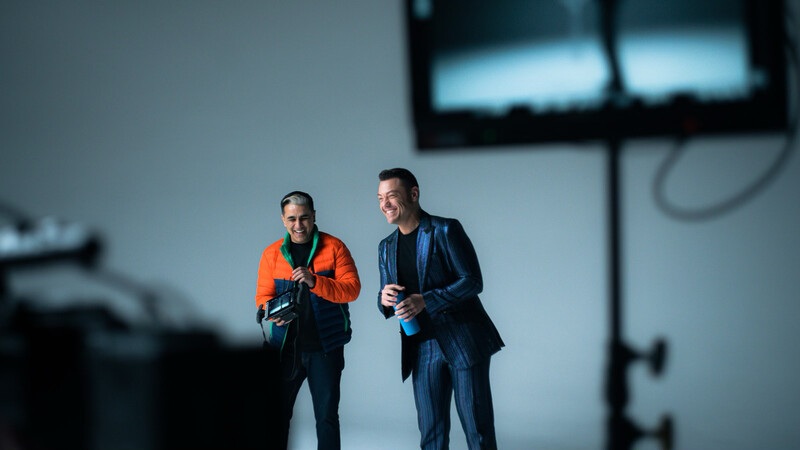
Referrals Rule Everything
If you take away one thing, it’s this: referrals are king. When someone I trust vouches for you, you automatically move to the top of my list. Why? Because referrals vet things I can’t see on a résumé:
-
Character Approved: Character is your operating system. Skills can be trained. Honesty, respect, and basic decency can’t. You were taught those things, or the parents were busy. Some got the software and its updates; some are operating on something else. Or you didn’t get the software update.
-
Work Ethic Approved: Are you dependable, or will you disappear the moment the day gets tough?
-
Experience Verified: Not just what you’ve done, but how you’ve done it.
When a trusted colleague puts their name on the line for you, I know you’re not a risk to my client, my project, or my reputation. That’s priceless.
Communication Is Non-Negotiable
Here’s a quick way to lose a job: refuse to pick up the phone. I once called a stylist I was about to hire. He texted back: “I prefer text over calls.” That was the end of that conversation. You’re a grown man, a professional, and a freelancer. Pick up the phone!
On set, things move fast. Sometimes I need a quick ETA, a budget answer, or a last-minute pivot. Some things are quick enough for a text; others require a call and a conversation. If I can’t reach you directly, you’re not reliable. If you’re not reliable, you are drilling holes in my boat.
Texting has its place (running 5 minutes late? Fine, text me). But when it comes to big-picture communication, if you avoid phone calls, you won’t last long in this business, and you won’t have my signature on your paychecks.
Conflict, Critique and Problem-Solving
Every shoot has problems: budgets shrink, timelines crash, things break. I pay close attention to how someone handles conflict. Do they freeze? Do they panic? Or do they adapt and find solutions?
Just as important: how do you respond to critique? Professionals know critique isn’t personal. It’s a chance to sharpen your skills and deliver better results. If you take it as an insult, you’re not ready for professional sets.
I need to be able to say the outfit isn’t working out, the makeup is off, or the lighting isn’t where it needs to be without fearing an emotional breakdown. Professionals speak directly, they don’t waste time, and they cut through the B.S. We employ people who can handle constructive critique without a hug after every sentence.
Hiring Photography Staff? Test Them!
For staff hires like editors, retouchers, designers, etc., I never just pick one. I hire three candidates on a short, paid trial. Same project, same conditions, no guarantees. Why? Because résumés lie. Cover letters are often copy-paste jobs. Real performance tells the truth.
And every time, I’ve been surprised. The candidate who looked “perfect” often ended up second or third. The underdog, the one who almost didn’t make the cut, sometimes blew everyone away. That’s why you test.
While this blog post quickly covers the basics, it’s really important to watch the video to catch all of the steps!
The 3 Seats on Every Team
Think of your team as a rowboat. There are three kinds of people:
-
The ones who paddle — they move the whole boat forward. Look for them, reward them, pay them more. Keep them!
-
The ones who just sit there — they won’t sink you, but they’ll slow you down. Don’t see yourself in them and want their success more than they want it for themselves. Phase them out!
-
The ones drilling holes at the bottom — they’ll ruin everything if you don’t act fast. Get rid of them.
Your job as a photographer (and leader) is to know who’s who. Build up the paddlers. Replace the dead weight. Cut loose the saboteurs. Hiring isn’t just about who has the flashiest portfolio. It’s about character, communication, and collaboration. Producers, big photographers, and directors are watching how you solve problems, how you handle critique, and how reliable you are under pressure.
If you’re trying to get hired more often, ask yourself: Would I want me on my own team?





Join the Fstoppers community for free
-
Post comments and join in the discussions
-
Browse the site ad-free
-
Share your work and get featured in the community
-
Compete in the photo contests for fun and prizes
No comments yet