

While the photography world obsesses over the latest mirrorless sensors and pixel-peeping debates, we've forgotten one of photography's most powerful features: its ability to make us laugh until our sides hurt. In an era where every Instagram feed demands perfection and every portfolio must demonstrate technical mastery, these irreverent collections remind us that some of the most memorable images are born from pure, unfiltered joy.
These ten photography books prove that sometimes the best camera settings are spontaneity, the best lighting is natural chaos, and the best composition is whatever happens when life decides to photobomb your carefully planned shot.
1. Awkward Family Photos
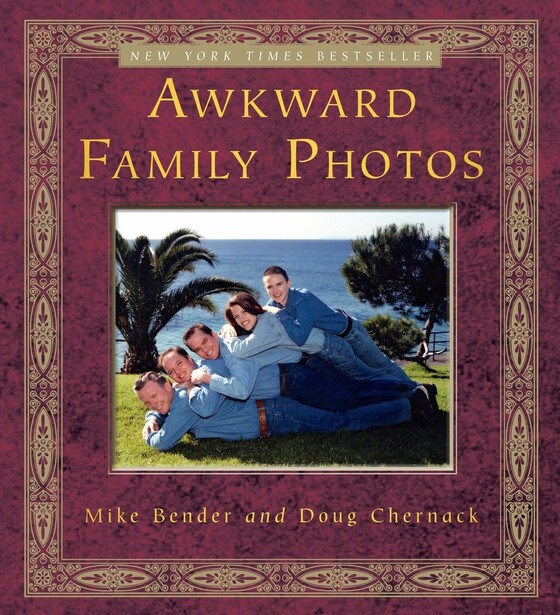
The genius of the Awkward Family Photos phenomenon lies in its documentation of late 20th-century American photography practices. These images provide a stunningly accurate photographic record of American family culture, featuring everything from matching outfits and forced poses to bad hair and dreary studio backdrops. The collection inadvertently chronicles the democratization of photography—from expensive studio sessions with "professional" photographers arranging families by height under blinding lights to the rise of mall portrait studios and their signature tilted-head, hand-on-shoulder compositions that defined suburban family photography for decades.
The technical limitations of consumer cameras from the 1970s through 1990s—slow autofocus, limited ISO performance, harsh on-camera flash—actually contributed to these photos' awkward charm. Modern photographers using current technology can learn from these "failures": sometimes technical imperfection creates more authentic emotional connections than pixel-perfect precision. The original book's success spawned an entire industry of awkward photography collections, each proving that authenticity trumps technical perfection in creating memorable imagery.
Purchase: Awkward Family Photos
2. Last Laughs

Before his death in November 2023 at age 95, Elliott Erwitt personally curated this final collection of approximately 120 photographs spanning five decades of his career. Published in a substantial 27.5 x 34 cm format across 208 pages, "Last Laughs" represents the culmination of a career that began when Erwitt joined the legendary Magnum Photos agency in 1953 after being invited by Robert Capa himself. What makes this collection extraordinary isn't just its pedigree—it's Erwitt's uncanny ability to find the surreal humor embedded in everyday moments, from celebrities to street scenes to his beloved canine subjects.
Erwitt mastered the art of capturing special moments in seemingly casual everyday scenes with his camera, whether photographing stars like Marilyn Monroe and Jackie Kennedy or unknown faces in the streets. His approach to street photography revolutionized how we think about the "decisive moment"—Cartier-Bresson's famous concept—by proving that decisive moments could also be delightfully absurd. Throughout his seven-decade career, Erwitt carried two cameras: one for commercial work and one for personal observations, a practice that allowed him to develop the keen eye for irony that permeates every frame in "Last Laughs."
Each page turn in this collection feels like a curtain opening to a classic movie, with carefully sequenced images that show how a sense of humor can prevail not just during the moment of capture, but during the curation process. This isn't merely a retrospective; it's a masterclass in how technical proficiency serves emotional storytelling. Erwitt's use of Leica rangefinders and his preference for available light created the intimate, human-scale perspective that made his humor feel accessible rather than condescending—a lesson that remains as relevant in our digital age as it was during the height of film photography.
3. The Art of the SNL Portrait
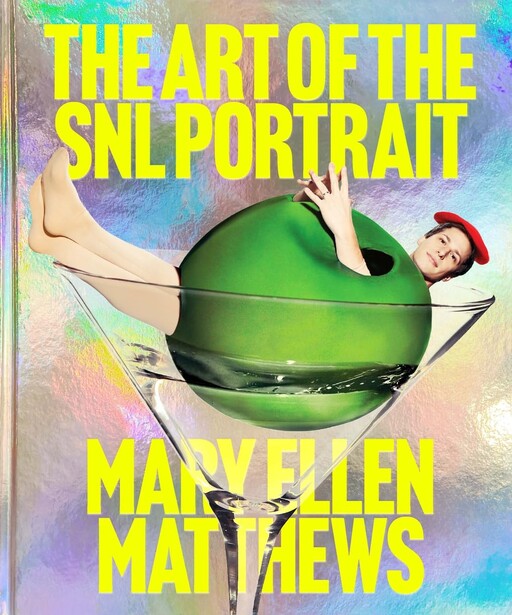
Matthews' technical expertise spans both traditional studio lighting and rapid-response photography that captures performers in character. Her work requires mastering complex multi-light setups that can accommodate everything from elaborate costume pieces to quick character changes, often working within the compressed timeline of live television production. The challenge of photographing comedy performers—who by nature resist the static, serious poses of traditional portraiture—has pushed Matthews to develop techniques that encourage movement and genuine expression while maintaining the technical precision required for broadcast and print applications.
Her contribution to comedy portraiture extends beyond technical execution to cultural documentation. These images capture not just individual performers, but an entire era of American comedy, from the subtle timing of facial expressions to the elaborate production design that frames each shot. For photographers working in entertainment and celebrity genres, Matthews' approach demonstrates that humor can elevate rather than diminish the sophistication of professional portraiture, proving that clients often respond better to photographers who can balance technical proficiency with the ability to create genuinely enjoyable shooting experiences.
Purchase: The Art of the SNL Portrait
4. This Book Is Literally Just Pictures of Cute Animals That Will Make You Feel Better
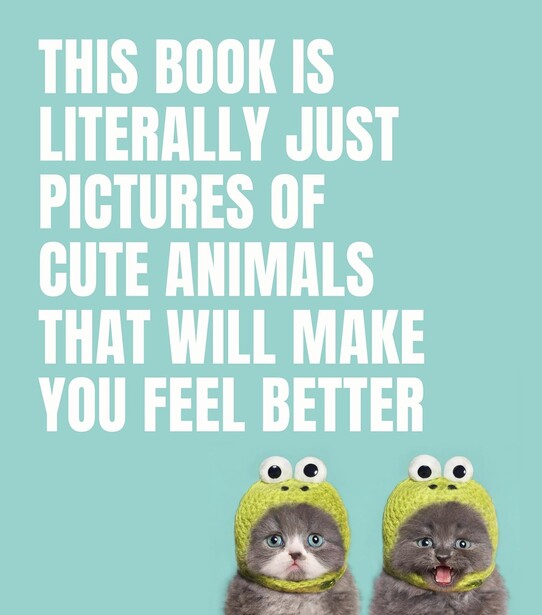
The technical democratization represented by this type of collection reflects how digital photography has enabled rapid capture and curation of animal behavior that would have been prohibitively expensive or technically challenging in the film era. Modern high-ISO performance, continuous autofocus systems, and burst shooting capabilities have made it possible to document fleeting animal expressions and behaviors that earlier generations of photographers could only hope to capture. This technological accessibility has led to an explosion of animal photography that prioritizes personality over formal composition.
What makes collections like this culturally significant is their role in expanding photography's emotional vocabulary. By presenting animal photography without artistic pretension or conservation messaging, these books demonstrate that immediate joy and connection represent valid photographic goals. For working photographers, this approach suggests that clear, honest presentation of subject matter—whether animals, people, or objects—can be more engaging than elaborate conceptual frameworks. The success of such straightforward collections indicates that audiences often crave authenticity over sophistication, making them valuable study material for commercial and stock photographers.
Purchase: This Book Is Literally Just Pictures of Cute Animals That Will Make You Feel Better
5. Awkward Family Pet Photos
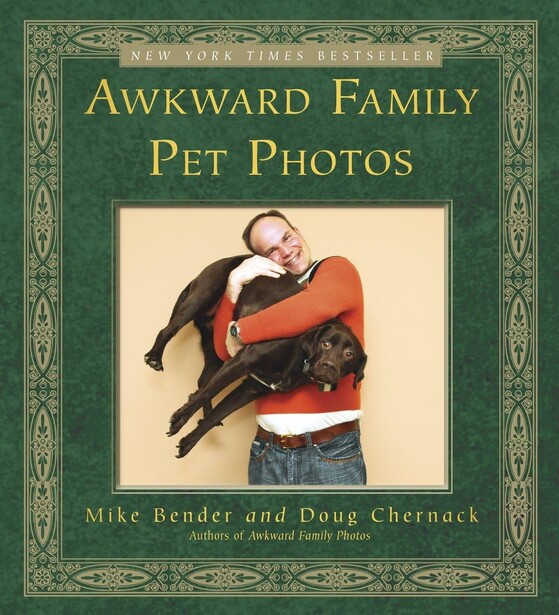
The technical challenges of pet photography in formal settings become comedic goldmines when animals refuse to cooperate with traditional portrait posing. Professional studio lighting that appears natural to human subjects can confuse or startle animals, leading to expressions ranging from bewildered to terrified to blissfully unaware. The book showcases the gap between pet owners' vision of their "well-behaved" animals and the reality of how those same pets respond to foreign environments filled with unfamiliar equipment, strangers, and artificial lighting.
What emerges from these failed formal portraits is accidentally superior documentation of genuine pet personalities. While traditional pet photography aims to capture animals at their most photogenic, these awkward moments reveal authentic character traits that scripted sessions often miss. The collection demonstrates how technical "failures"—motion blur from sudden movement, unexpected focus shifts, or animals looking away at crucial moments—can create more emotionally honest images than perfectly executed formal portraits. For contemporary pet photographers, these examples highlight the value of embracing spontaneity within structured shooting environments.
Purchase: Awkward Family Pet Photos
6. Comic Genius: Portraits of Funny People

The technical complexity of photographing professional comedians extends beyond traditional portrait considerations. These subjects often resist the stillness and seriousness that classical portraiture demands, requiring photographers to work quickly and adaptively while maintaining consistent lighting and composition. Many comedy performers use physical comedy, facial expressions, and timing as part of their artistic toolkit, creating opportunities for portraits that capture professional skill rather than just physical appearance.
These portrait collections serve as important archival documentation of comedy performers at specific moments in their careers, creating visual histories of an often ephemeral art form. For photographers specializing in entertainment portraiture, this work demonstrates how understanding subjects' professional skills can inform photographic approaches and create more authentic representations.
Purchase: Comic Genius: Portraits of Funny People
7. Comedy Wildlife Photography Awards Vol. 2
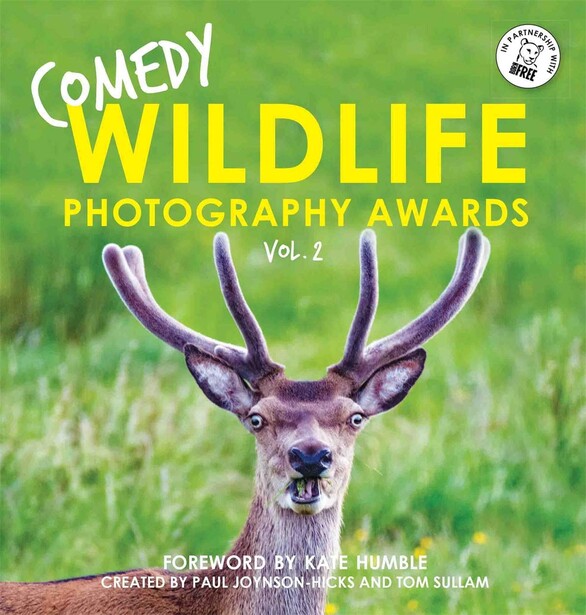
The resulting annual book series, published in partnership with the Born Free Foundation, features the finest submissions from photographers worldwide, with proceeds supporting wildlife conservation efforts. Each volume presents approximately 100 full-color images with carefully written, informative captions that include species and location information, proving that humor and education aren't mutually exclusive. The technical challenges of wildlife comedy photography are immense—capturing split-second expressions requires not just fast autofocus and high frame rates, but also profound patience and understanding of animal behavior.
The awards have fundamentally shifted wildlife photography from purely documentary or aesthetic pursuits toward emotional engagement. As Joynson-Hicks explains, "A funny animal photo is incredibly effective because there are no barriers to understanding, or taboos that must be negotiated." This approach has influenced an entire generation of wildlife photographers to look beyond the classic "noble animal in landscape" compositions toward moments of vulnerability, playfulness, and personality that make viewers see animals as fellow inhabitants of our planet rather than distant subjects.
Purchase: Comedy Wildlife Photography Awards Vol. 2
8. Cats on Catnip
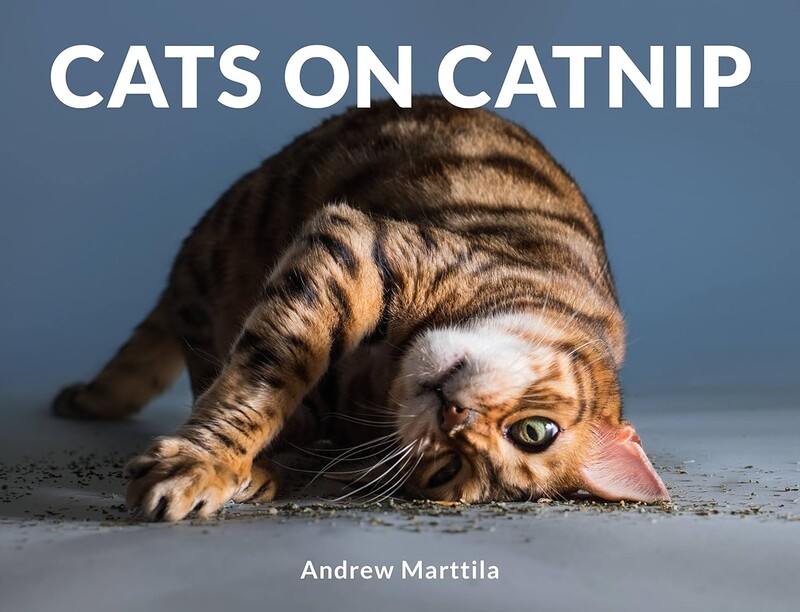
Catnip (Nepeta cataria) contains nepetalactone oil in its bulbs, stems, and leaves, which binds to cats' nasal receptors and stimulates responses in the hypothalamus and amygdala—brain regions key to emotional and behavioral responses. This produces a mild euphoric effect lasting ten to twenty minutes, creating a finite window for photographers to capture genuine, unguarded expressions. Marttila's technical approach includes 10-15 minute acclimation periods before introducing cameras, understanding that the best cat photographs happen when subjects are relaxed and comfortable.
Marttila's technique involves patience above all else. His method of leading cats' gazes with crinkle toys positioned directly behind the camera lens demonstrates sophisticated understanding of animal psychology combined with precise technical execution. His 2020 book "How to Take Awesome Photos of Cats" shares these techniques freely, embodying photography's collaborative spirit while proving that specialized genres require both technical proficiency and deep subject knowledge. The resulting "Cats on Catnip" images showcase photography's power to reveal subjects' authentic personalities when environmental conditions are carefully controlled.
9. Treat!

Vieler's portable flash system allows him to work with shutter speeds as fast as 1/8,000th of a second, but the real magic happens in understanding that flash duration, not shutter speed, controls motion freezing. This counterintuitive principle—that a 1/160th second shutter can freeze a dog mid-leap when paired with a 1/8,000th flash duration—represents fundamental flash photography knowledge that many modern photographers never learn in the age of continuous LED lighting and high-ISO performance.
Vieler's setup in his Waltrop, Germany studio demonstrates that technical mastery serves emotional revelation. His work proves that humor in photography isn't about lucky accidents—it requires understanding your subjects (dogs behave because he's "the guy with the treats"), mastering your equipment, and recognizing that the most joyful photographs often emerge from the intersection of technical precision and spontaneous moments.
10. Awkward Family Holiday Photos
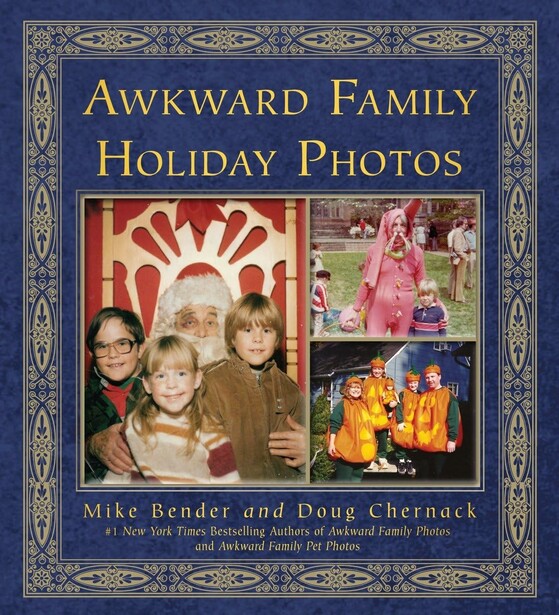
The collection showcases how holiday photography traditions create perfect storms of awkwardness. Christmas morning photos with harsh on-camera flash illuminating pajama-clad families opening presents; outdoor snow sessions where frozen family members struggle to maintain natural expressions; elaborate holiday card setups that require multiple takes as children lose patience and adults grow increasingly frustrated.
The gap between aspirational holiday photography seen in magazines and retail advertising versus the reality of actual family dynamics creates a cognitive dissonance that manifests visually in these collections. The book demonstrates how the most honest family photographs often emerge from the moments when carefully planned holiday shoots fall apart, revealing authentic family relationships beneath the seasonal performance.
Purchase: Awkward Family Holiday Photos
Conclusion: The Enduring Power of Photographic Joy
In an industry often paralyzed by technical perfectionism and artistic gravitas, these collections prove that photography has real power to reveal the delightful absurdity that permeates everyday life. From Elliott Erwitt's seven-decade mastery of finding humor in human nature to Christian Vieler's accidental discovery of dogs' treat-catching expressions, the most memorable photographs often emerge when technical expertise serves spontaneous joy rather than calculated composition. If you want a smile, I highly recommend picking up a few of them.
Join the Fstoppers community for free
-
Post comments and join in the discussions
-
Browse the site ad-free
-
Share your work and get featured in the community
-
Compete in the photo contests for fun and prizes
1 Comment
Bored couples by Martin Parr is another great one