Landscape photography punishes lazy habits and vague plans. If you want images that stand out among other photographers instead of blending into the scroll, you have to confront some blunt lessons about light, gear, and how much effort you are actually putting in.
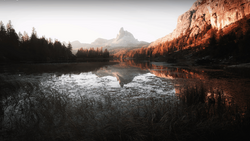
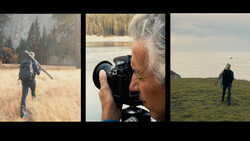
Coming to you from Michael Scott, this honest video pushes past the usual “gear doesn’t matter” comfort talk and shows where that idea breaks down in real landscapes. Scott starts with light, hammering home that no camera, no sensor, no editing trick can invent light that was never there. You see why golden hour is not just a buzzword but the difference between flat, washed out scenes and images with depth, texture, and color that feel alive. He also calls out the fantasy that everything can be fixed later in Photoshop, and you can tell he has learned that the hard way in the field. The point is simple: if you are not willing to get up for sunrise or stay through the last light, you are capping your results before you ever press the shutter.
From there, he gets practical about gear without turning it into a shopping list. The cheap tripod in moving water that ruins the long planned trip is a scenario you can probably imagine all too clearly. Scott talks about how sensor size, dynamic range, and low-light performance become real limits when you want large prints or clean shadows, and why a basic phone shot will not hold up the same way as a good full frame DSLR when you push it. At the same time, he does not dismiss smaller or simpler setups when your final use is modest, which keeps the message grounded instead of gear obsessed. When he mentions a medium format camera or even a large format film camera, it is tied to specific goals like maximal sharpness front to back. You come away thinking less about brands and more about whether your current setup actually matches what you say you want to do.
Lenses and accessories get the same straight talk treatment. Scott is clear that in real terrain, a solid zoom lens often beats the sharpest prime lenses because you cannot always step forward on a cliff edge or wade farther into a river. He warns against putting cheap filters in front of expensive glass, especially bargain polarizer options that can degrade the image. The way he talks about a graduated neutral density filter is refreshingly specific, pointing out those scenes where bracketing and software tricks still struggle with extreme contrast. He also walks through how planning tools like PhotoPills and The Photographer's Ephemeris help you know where the sun will be and when the light will actually hit your subject, so you are not guessing in the dark or discovering too late that the sun sets behind the wrong ridge. It is very much a “use what works” approach rather than a lecture about rules.
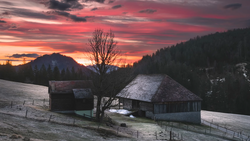
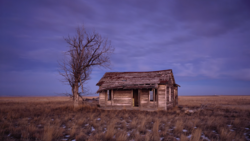
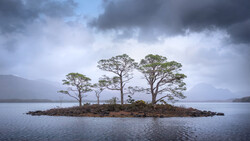
The video also pushes you to rethink comfort and expectations in a way that might sting a little. Scott argues that “good” weather is often the enemy of interesting images, and that moody skies, mist, and storms create the atmosphere that clean blue skies cannot. He talks about arriving long before sunrise, staying after sunset, and not packing up the moment you think the show is over, because some of the most intense color can appear when you are already halfway to the car. There is a strong reminder that beauty in real life does not automatically translate into a strong photograph unless you find balance, foreground, and a clear visual path through the frame. He also hints at how chasing only iconic locations, waiting for perfect conditions, and trying to polish every file in post can quietly stall your growth. Check out the video above for the full rundown from Scott.
And if you really want to dive into landscape photography, check out our latest tutorial, "Photographing the World: Japan II - Discovering Hidden Gems with Elia Locardi!”
Join the Fstoppers community for free
-
Post comments and join in the discussions
-
Browse the site ad-free
-
Share your work and get featured in the community
-
Compete in the photo contests for fun and prizes
1 Comment
Great lessons Michael, nothing beats having walked the walk. Only quibble would be sunrise over sunset, perhaps location plays a role but here on the West Coast, predawn even in summer is cold and damp and walking to locations in the dark increases odds of a slip and fall, especially when wet. Then there is around 30 minutes of pre-sunrise then a huge bright orb rises dead ahead and unless a view behind you, you are done. With sunsets you travel to locations with lots of light, air is a lot warmer and golden hour, sunset and post sunset can give you several hours of light and then, home for a beer. Thank you.