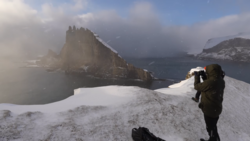
Snow can make a familiar spot feel blank. If winter light keeps tricking your eyes, this video is a sharp reminder that the basics still decide whether the frame works.
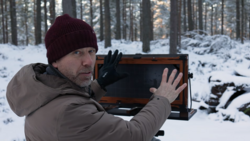
Coming to you from Andrew Banner, this grounded video starts in the uncomfortable middle ground where everything looks bright but meters dark. Banner talks through why snow often forces higher ISO than you expect, especially in wooded areas where the sky isn’t doing you any favors. You hear the real-time tug of war between sticking with a longer lens and admitting it might be the wrong tool for the scene. There’s also a useful point about color, or the lack of it, and how quickly brown and gray can collapse into near-black once you start shaping contrast. If you’ve ever arrived somewhere and felt weirdly out of ideas, the way Banner narrates that mental stall will sound familiar.
The most helpful stretch is when Banner explains how snow doesn’t just “look pretty,” it separates shapes that usually mush together. A hillside tree that would normally disappear into visual clutter can read as a clean subject because everything around it loses contrast first. Banner shows how a simple shift in position can fix a problem that’s easy to miss in the moment: two trees lining up in a way that creates a distracting clash. Instead of accepting it, Banner slides the camera until the farther tree tucks behind the nearer one, so your eye stops bouncing between them. That idea translates to any season, but snow makes the lesson easier to see.
Banner also gets specific about building structure when the scene feels like it has no obvious subject. Watch how he treats trees as “anchors” on the left and right edges, then uses a lighter strip of snow as a line that pulls you into the frame. He even switches to a 16:9 composition to trim the parts that aren’t helping, cutting away top and bottom clutter rather than pretending it isn’t there. There’s a candid moment where a promising portrait-oriented setup starts to feel too heavy in the foreground, and you can almost feel the micro-adjustments happening as he tries to keep attention on the main tree instead of the closest patch of snow. If you tend to accept the first composition that looks decent on the rear screen, this sequence pushes back on that habit without preaching.
Technical choices get treated like practical guardrails, not trivia. Banner admits he doesn’t lean on the camera histogram much, but in snow he checks it anyway to avoid blown highlights, since bright snow can clip faster than your eyes notice. He talks about timing frames to reduce visible snow streaks, and how tilting the camera up invites snow onto the lens even with a hood attached. Later, the video shifts into a more personal note about drifting into apathy, heading home early, and what that looks like in the middle of a shoot. Check out the video above for the full rundown from Banner.
And if you really want to dive into landscape photography, check out our latest tutorial, "Photographing the World: Japan II - Discovering Hidden Gems with Elia Locardi!”
Join the Fstoppers community for free
-
Post comments and join in the discussions
-
Browse the site ad-free
-
Share your work and get featured in the community
-
Compete in the photo contests for fun and prizes
No comments yet