
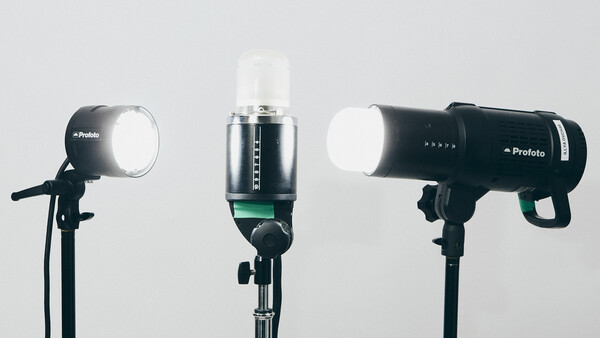
There is a war going on in the lighting community: To dome or not to dome? Does the recessed front make a difference? Are the flat-front lights not usable anymore? Well, having had the privilege of owning a number of lighting variants, I did rigorous testing to settle the debate once and for all.
If you’re anything like me, you might be familiar with the problem photographers are facing in 2024. It’s not the know-how of marketing, or aesthetic skills; none of that. It’s the problem of having a recessed flash tube. While I am being sarcastic, and my point is that it barely matters, there are valid cases when it does. Currently in my studio, I have everything from tiny C1 Pro lights to ProHeads. With the lovely advantage of having every variant of light source possible, I decided to put them to the test and see how much of a difference having an exposed flash tube makes.
It’s already been a while since the recessed flash tube became a thing. While other lighting manufacturers are somewhat reluctant to make the switch to it, Profoto seems to be riding the wave. For good reason, if you ask me. There are valid instances where having such a design saves space and protects the tube during travel. However, there are times when having such a design limits the number of light shaping tools you can use. Plenty of users left the Profoto system because the claim is that such a design simply won’t fill up a softbox as evenly as an exposed flash tube. To counter this, Profoto released a dome attachment, which is supposed to make the problem go away. But does it? Is there even a problem? If there is a problem, where is it? Hint, it’s not with softboxes.
The Exposed Flash Tube
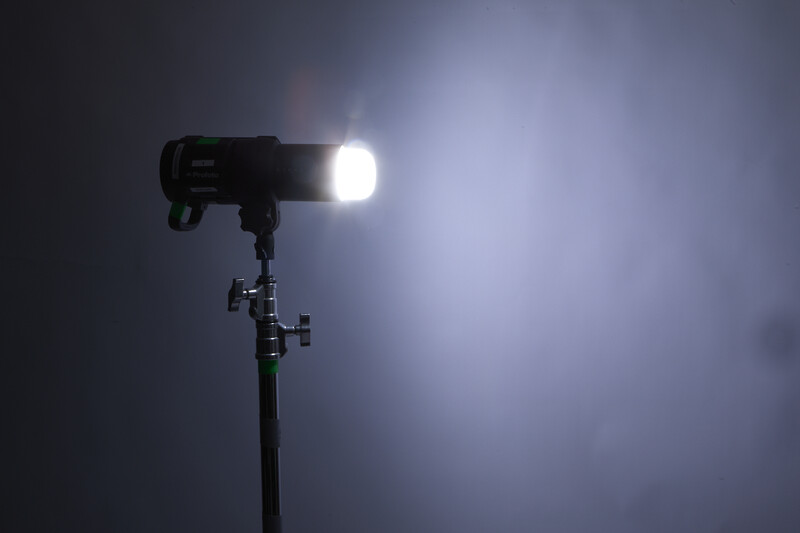
This is the so-called holy grail. Back in the days of compact lights, you would get an exposed flash tube whether you went monobloc or pack & head system. Then, the D1 came along, and the tube became hidden away under glass. You could no longer get the performance of an exposed flash tube in relatively inexpensive monobloc lights. While the users were quite unhappy about it, the benefits were obvious: more portability with little sacrifice for performance.
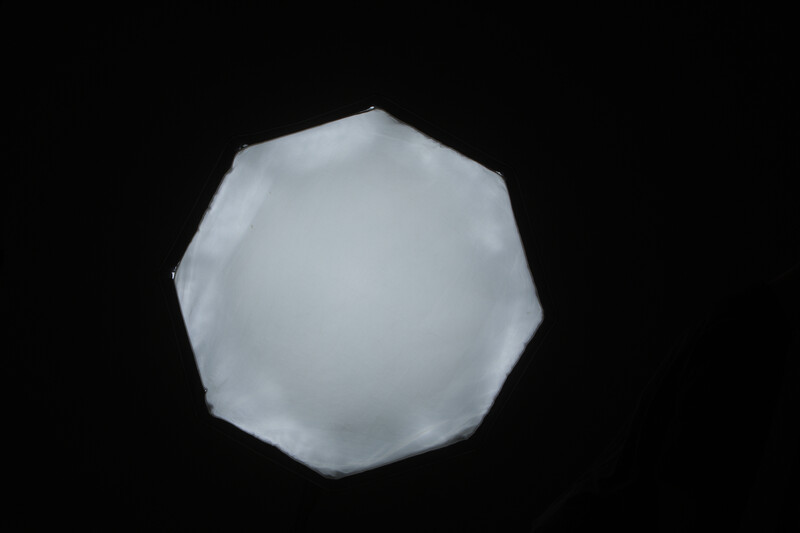
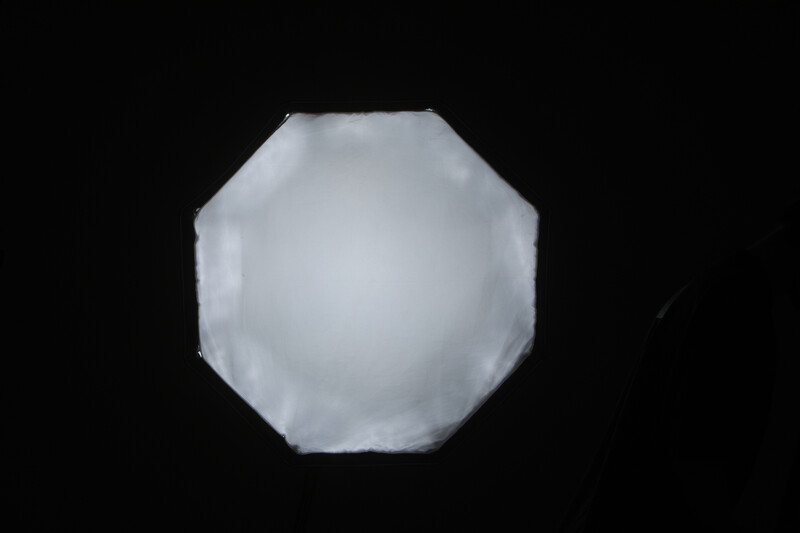
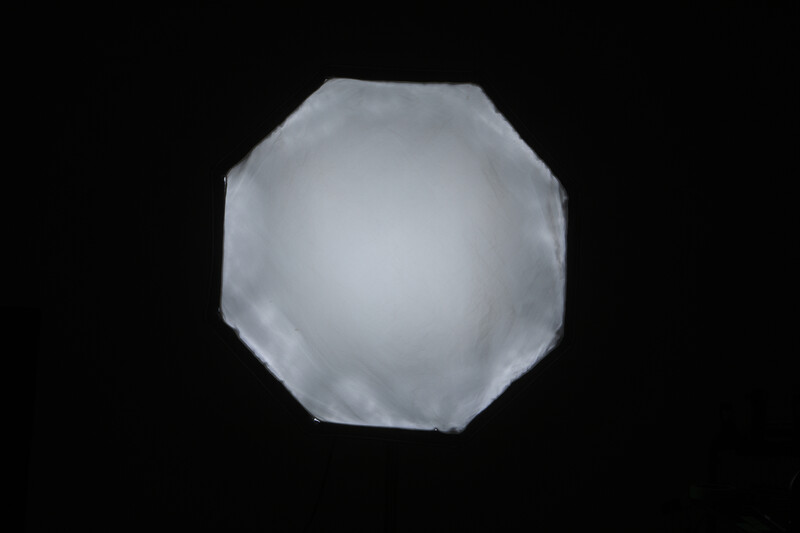
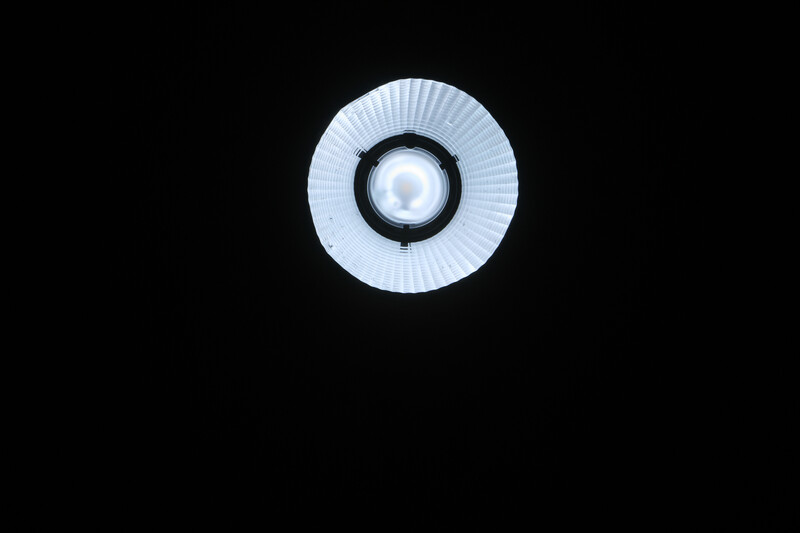
The exposed flash tube in a softbox doesn’t make a difference, as we can see. This is because in a softbox, the light does not need to go more than 77 degrees, and by the time the light has bounced around the softbox, it will be identical to that of a recessed front, or a dome. As far as using softboxes goes, all three lights will have the same performance.
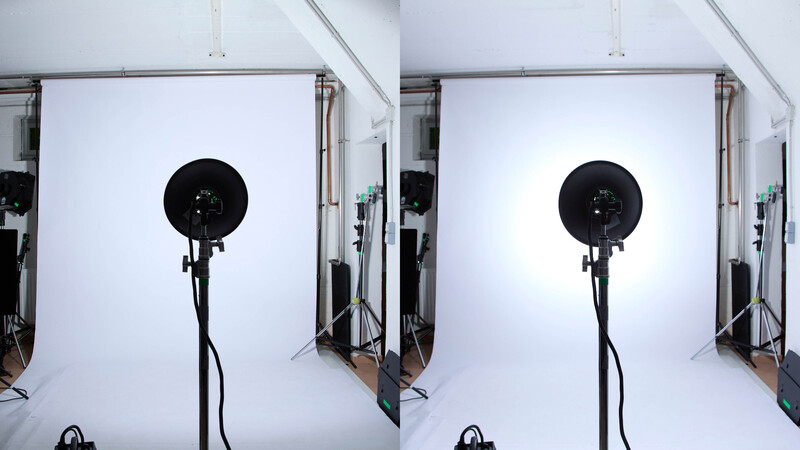
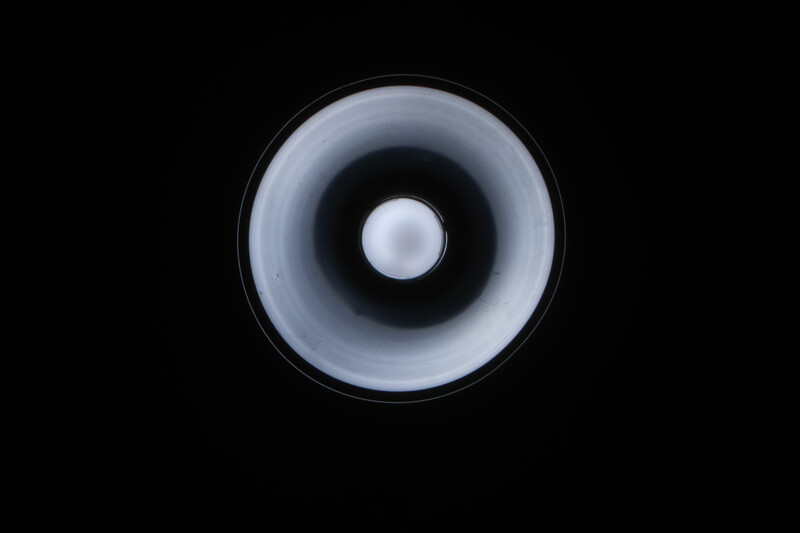
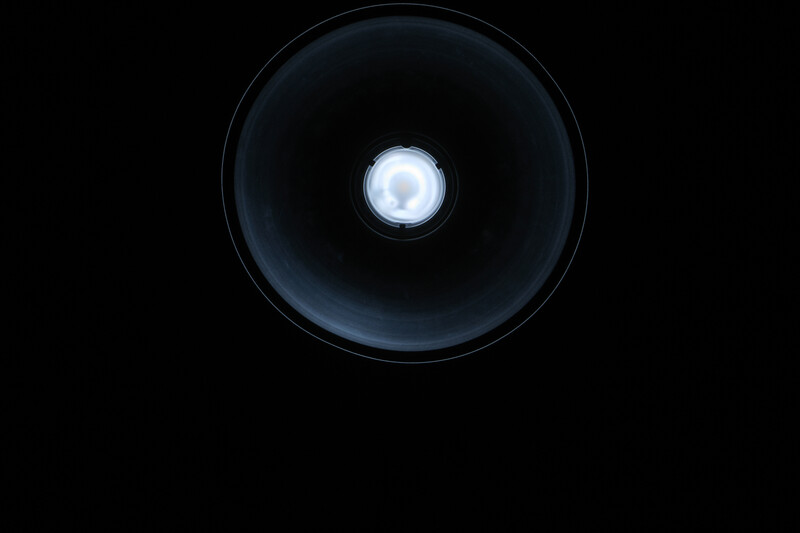
The same cannot be said when using a hard reflector. The exposed flash tube is able to evenly illuminate the hard reflector surface, utilizing 100% of the material used to construct the reflector. This is because hard reflectors were designed to be used primarily with the ProHead. This is evident from the zoom positions on the light, too. As such, a classic zoom reflector is best used on a ProHead as it will give the results shown on the side of it. The same is said about the narrow beam reflector. Using it on a ProHead takes full advantage and lights up the whole surface of the reflector at position 4, and all the necessary surfaces at other positions. This is important because you want to make sure that your hard reflectors give full performance. When it comes to the ProFresnel, the same is true. You are only able to take full advantage of flood and spot on a ProHead.
The Dome
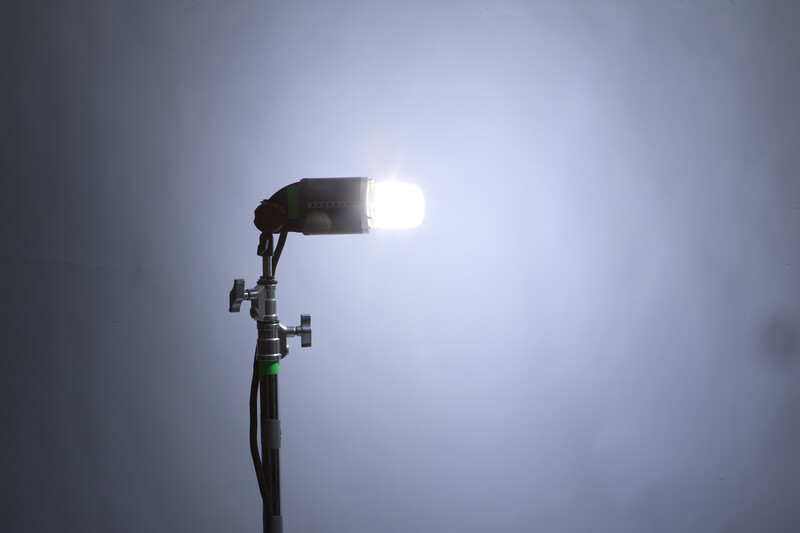
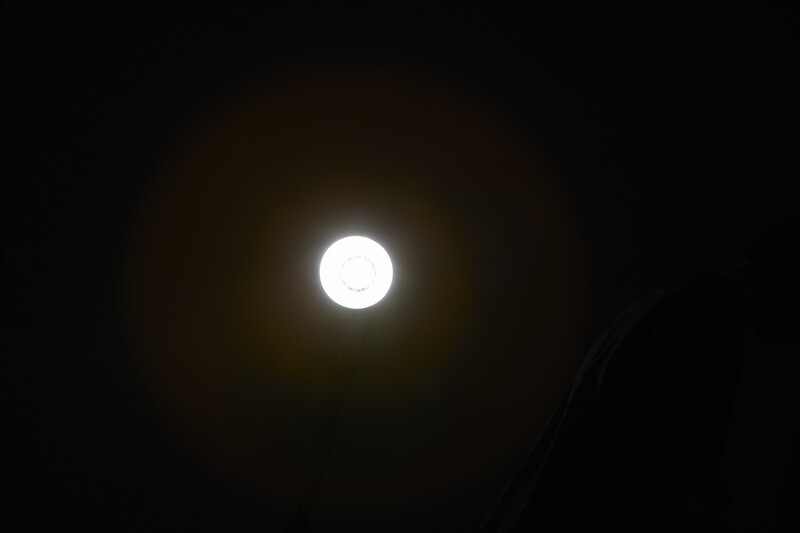
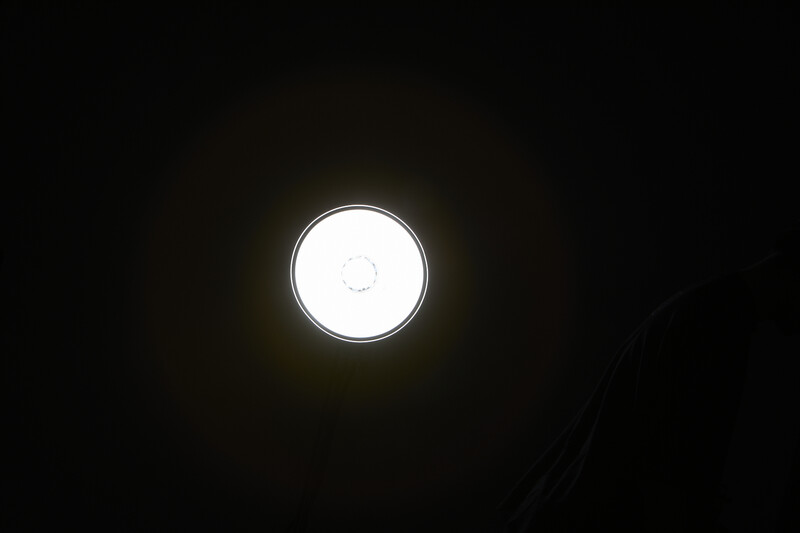
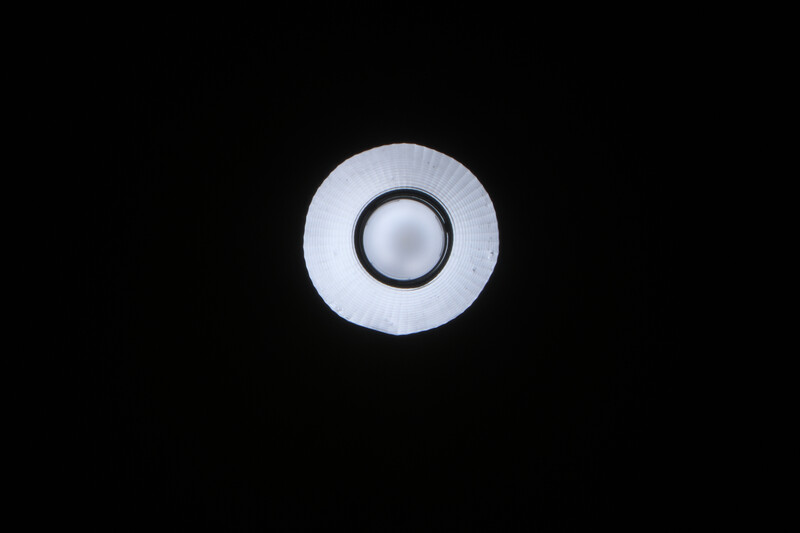
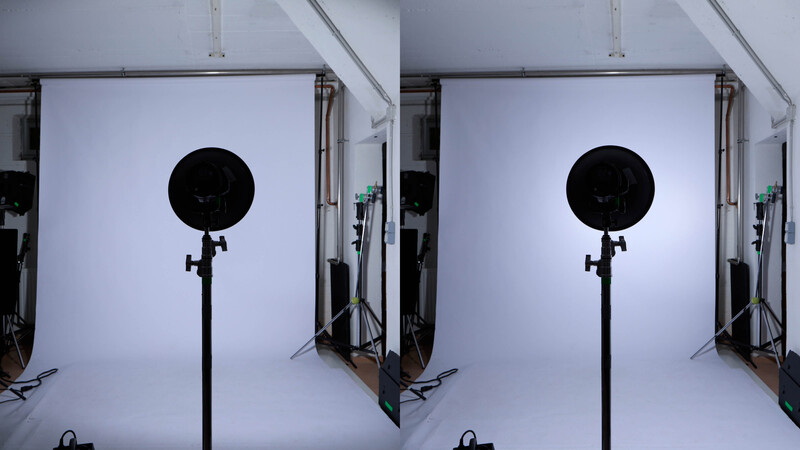
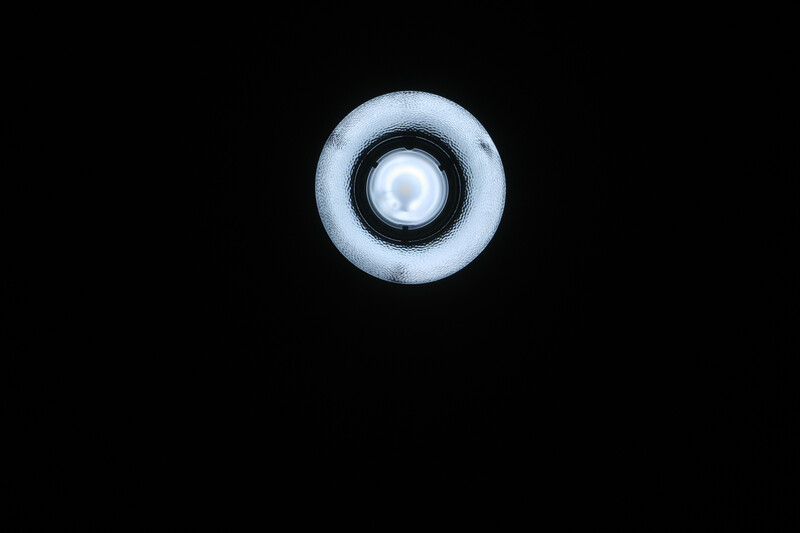
The dome is somewhat of an improvement over the simple recessed front. As we can see, it still throws light mostly forwards, but some of it does go backward, and makes the light more similar to a ProHead. In my opinion, the dome is a fairly pointless attachment as it offers a marginal improvement.
The Recessed Front
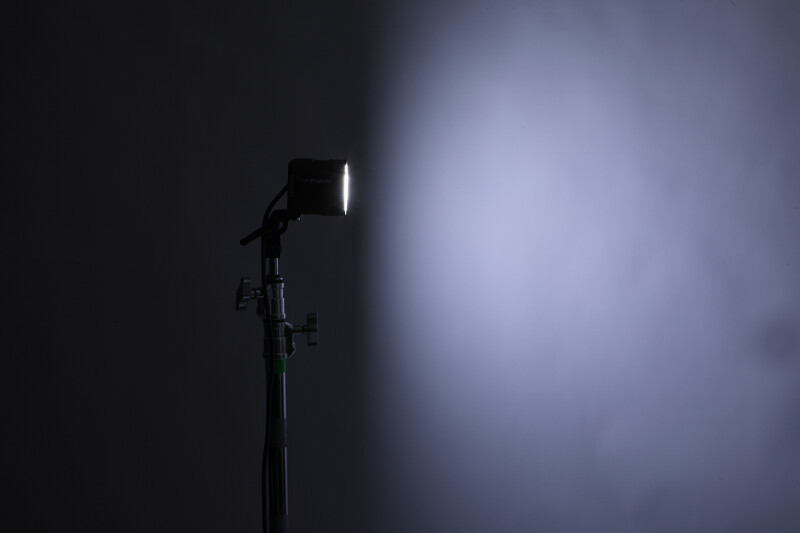
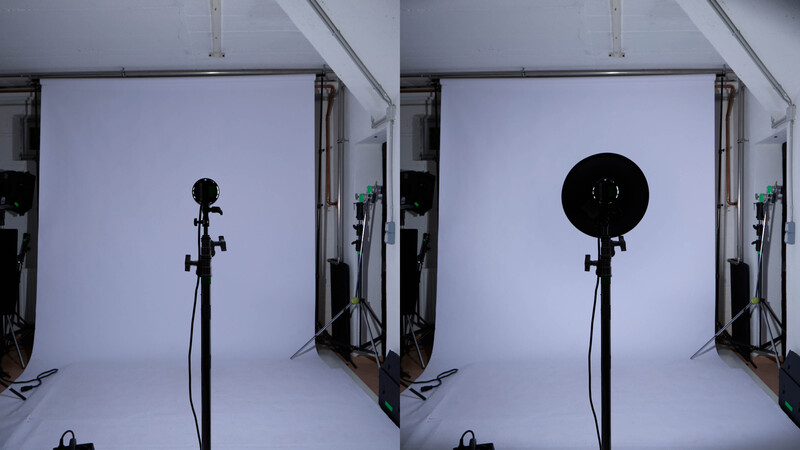
The recessed tube is the travel-friendly design that makes packing and protecting the fragile flash elements super easy. I never had a flash tube crack during travel, probably because of such a design.
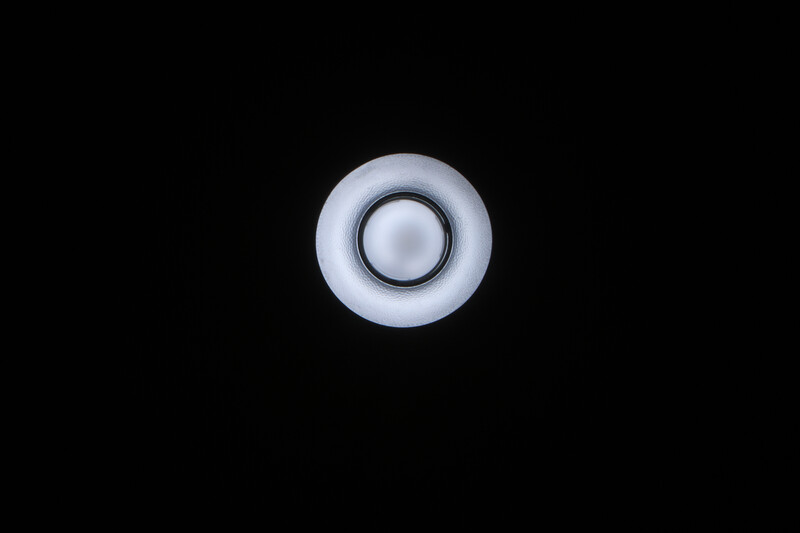
This is the design I am a fan of, and it’s either recessed front or a full-on ProHead. The recessed front will be least efficient when it comes to things such as proper hard reflectors. That said, Profoto does offer an OCF zoom and magnum reflectors which are designed for lights with a recessed front. While the OCF zoom is a fairly useless reflector, the OCF magnum is a fantastic option for on-location work. I love my OCF Magnum because it can turn my fairly low-power lights into much more powerful units. So much so, I used to use it in the studio all the time before getting the ProHeads.
The Final Verdict
To dome or not to dome? Well, that is the real question. The answer is simple: don’t waste your money on the dome. The recessed front can fill up a softbox as well as a ProHead can. If you want to use the original hard reflectors on a recessed front light, you can, but the performance will not be the same. If you are finding yourself using hard reflectors a lot, I say go and buy a fairly inexpensive Pro-7a or a Pro-B2 system. The Pro-B2 is something that I will be replacing my B1X with in the near future, in fact. But that’s best saved for a different article.

Join the Fstoppers community for free
-
Post comments and join in the discussions
-
Browse the site ad-free
-
Share your work and get featured in the community
-
Compete in the photo contests for fun and prizes
6 Comments
i LOVE the quality of light produced by an exposed flashtube. It really makes a massive difference. You'll lose a bit of licht compared with a recessed front. And also exposed flashtube deliver more contrstly light. Even compaired to PF equipet with only a dome accesaries. Especially when using reflectors, beaty disches and umbrella's. But my all time favorits are elinchrom softboxes with indirect speedring. Regardles Broncolor, Elinchrom or PF witch exposed flastubes to fill th eindirect softboxes.
Softboxes like those from Chimera and Plume are specifically designed to perform optimally with an exposed flash tube. The Broncolor Hazy light (which I would consider the gold standard in softboxes) is similarly designed for a protruding light element. I believe, though I have not tried, the Broncolor focusable deep lights are predicated on using the exposed element.
Perhaps you haven't had experience with these brands, but you really should before drawing the conclusions in this article.
In general, I do prefer the flat plate, and I do prefer the OCF Reflector and Magnum over the old ones, simply because of size and it's easier to narrow the beams down.
When using softboxes, the quality of light is identical, but there are some modifers where the plate simply doesn't work, at all. Hardbox, Giant 150, 210, the new Giant Reflector 120 and 180's, the flat plate just can't fill them correctly.
In my experience, the domes you can get for the D1/2/B1's work pretty alright to fix that, but they're less than ideal compared to an Acute, Pro, or ComPact head.
It was >10 years ago that I last checked. But the D1 didn't work as well in a 6' strip box compared to the Compact, that's the one softbox where it made a difference.
Also, my Mola beauty dish.
The main difference I've noticed is the double shadow when using a hard modifier like the Profoto Magnum or Zoom reflectors with the recessed tube. When using Pro-heads with the dome that effect can be minimized.
Illya is making a big mistake by judging the effectiveness by simply looking at how much of a modifier is illuminated by a dome / flat face. Because as we all know, one of the most important factors with light is the directionality and the paths of the light, and merely looking at how much is bright, just doesn't tell the full story.
I have quite a bit of Profoto gear and I've tested against the ProHeads. Here's what I've found.
Firstly the dome DOES make a difference. It doesn't get us as far as the ProHead exposed tube, but it gets us closer than a flat face.
Yes it does make a difference with softboxes. My favourites are the 60x90 RFI and the Elinchrom 100cm Deep Octa and I'll choose to use a flat face or dome depending on the creative reasons for doing so.
With a dome, the light inside a softbox is encouraged to bounce around internally and so the outward rays of light are highly randomised by the time they reach the front baffle. With a flat face, those same light rays have a more direct path to the front baffle - even if they have to go through a first baffle. And this increased directionality does make a difference.
I find that I get a slightly more directional feel to a softbox with a flat faced strobe and I also get a slightly exaggerated falloff of light which is very useful when I'm benefitting from feathering the light. Now maybe looking at the front baffle may not give as much of that as an impression, but it's partly down to the directionality of the light.
Strangely I find not as much difference when using my Deep Umbrellas, and that surprises me. But I'll quite happily use my S, L and XL deep brollies with a flat faced strobe. Not what I initially expected.
When it comes to using a beauty dish - well a flat faced strobe fails miserably. My first tests were with the Profoto metal white dish using a ProHead and a D1 (with and without a dome).
Unsurprisingly, the ProHead gave perfect results, exactly what I'd hope for.
But the D1 with a flat face was rather pathetic. The focussing of the beauty dish's light was not good and because the direct light from that flat face partly misses the central disc completely, you can easily get a rather nasty hot ring of light. (Oops... I learned that on my first shoot with the dish and it nearly screwed the shoot).
With the dome, the metal PF dish works a lot better. Not as well as the ProHead, but then it was designed for an exposed tube, and if you look at the flat-backed dish design, it isn't a big surprise. But it does work a lot better than a flat faced D1. One of the limitations wit the PF dish is we are not allowed to adjust the mounting position. I have modified my PF dish and it gives a much better result now with the dome. (Still trying to persuade PF to buy my modification idea, but as usual they don't listen much...)
Now when it comes to using other beauty dishes like the excellent Westcott Rapid Beauty Dish, I get amazing results and a very even, predictable light - but ONLY when using the dome.
I will disagree completely with Illya on this one. I've been using the domes for over a decade (I have three of them for my 8 Profotos), and yes they make a difference. You can see and experience the difference in actual use, rather than just staring at the modifier.
Sorry Illya, you're wrong on this one.