Elder Icelanders say that long before the volcanoes shaped the island, and even before the first humans set foot on its shores, the gods walked freely through the Northern Realm. Among them, the most vigilant was Eirún, youngest daughter of Freyja and guardian of the paths between worlds.
Eirún had a sacred duty: to protect the Bifröst, the rainbow bridge that linked Midgard with Asgard. Yet on the coldest winter nights, when the world fell silent and the ice sang over the lakes, the young goddess would descend to the farthest reaches of the North. There, where the winds speak with the voices of spirits, Eirún would sweep her silver spear across the sky, tracing great circles above the horizon.
From those motions, the first northern lights were born.
The people of that age, fearful and awestruck, believed those lights were warnings or omens of war. But the gods knew better. The auroras were simply the luminous echo of Eirún’s passage — a reminder that the bridge between worlds remained strong, vibrant, alive.
One night, however, the frost giant Hrimkald attempted to shatter the Bifröst. He seized the darkness and the gods’ slumber to cloak the bridge in eternal ice. Eirún, sensing the trembling of the structure she guarded, descended in fury upon the northern sky. She struck the air with her spear, and light exploded.
The auroras that rose that night were so intense they painted the entire world — green like Freyja’s meadows, purple like Odin’s cloak, red like Thor’s burning steel. The giant’s ice cracked and fell away, and the Bifröst shone once more.
Defeated, Hrimkald retreated to the frozen caves beneath Vatnajökull, vowing to return. And so, ever since, when the auroras dance with unusual strength, Icelanders say that Eirún is battling once again, keeping the bridge open so that the light can never fade.
For every aurora is a story written by the gods — an eternal bridge shimmering above our heads.
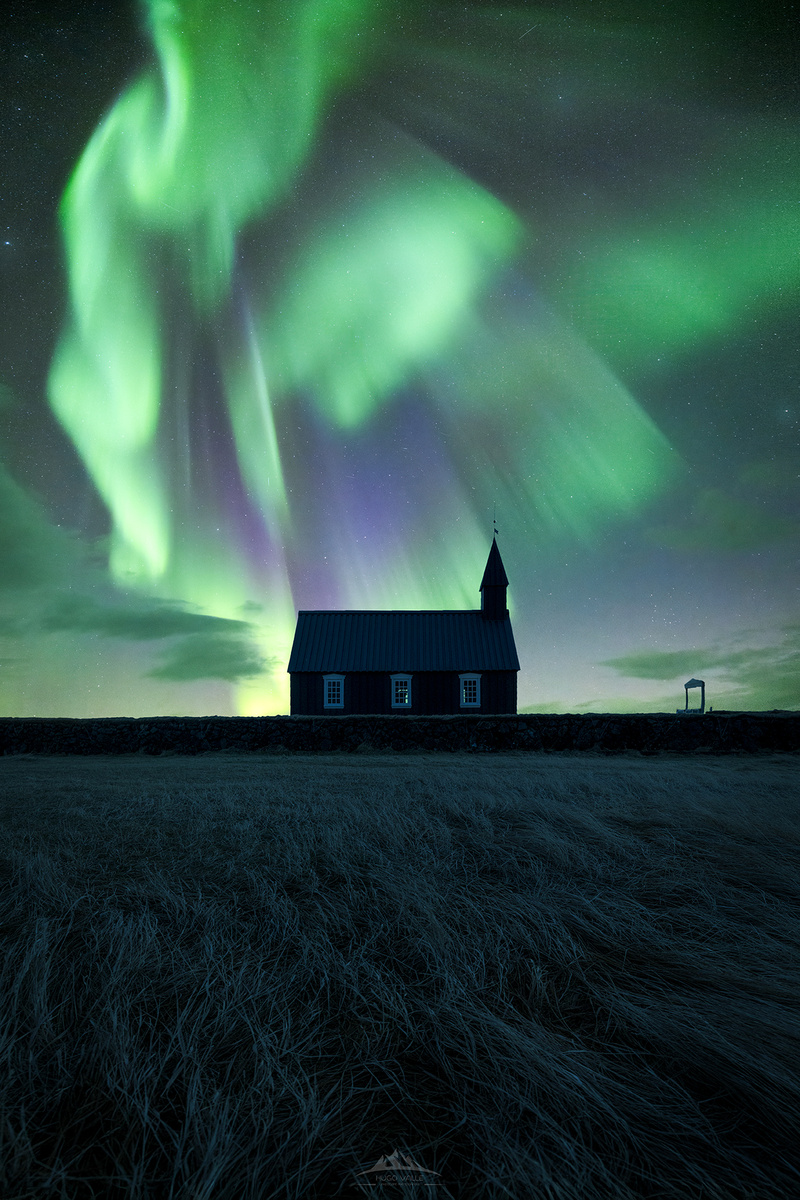
Ljósabrúin
Join the Fstoppers community for free
-
Post comments and join in the discussions
-
Browse the site ad-free
-
Share your work and get featured in the community
-
Compete in the photo contests for fun and prizes
More From Hugo Valle

Eldamar’s Hidden Sanctuary
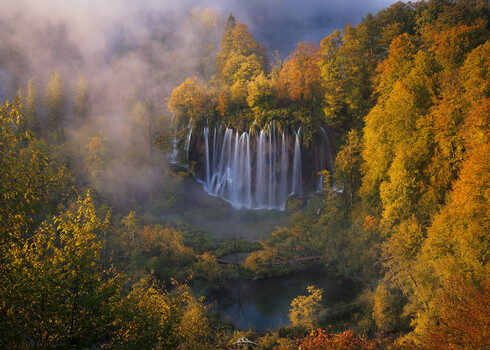
Roots of Yggdrasil

The Midas Mirror
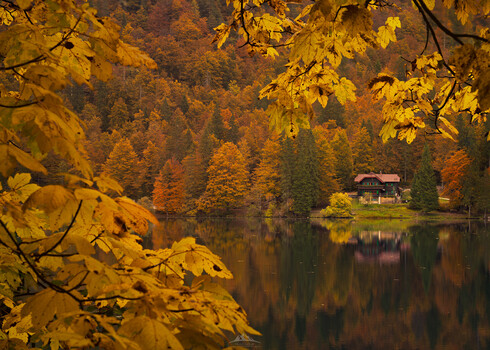
Chasm of Emerald

Niflheim's Breath
The Spire of Time

Gleipnir's Fall: Light and Shadow in Chamonix

La Meije - The Sundered Throne
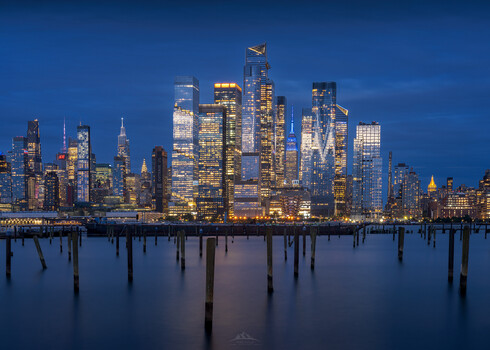
Azure Metropolis
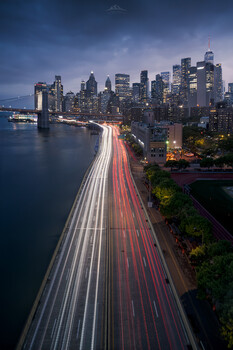
The Awakening City

Veins Of Metropolis
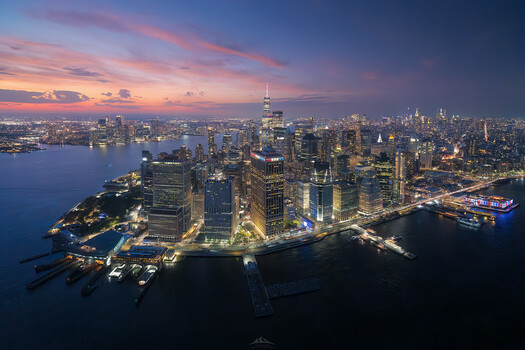
Urban Solitude

Lowe Edge
🗼 The Heartbeat of Minato ✨

Glassy echoes of Mt. Fuji
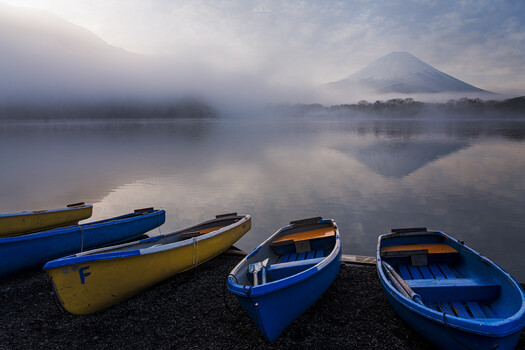
Kanarra Falls

Spirit Falls

The Ring

Hamnoy Wake Up

Riaño Sunset

The Catlins
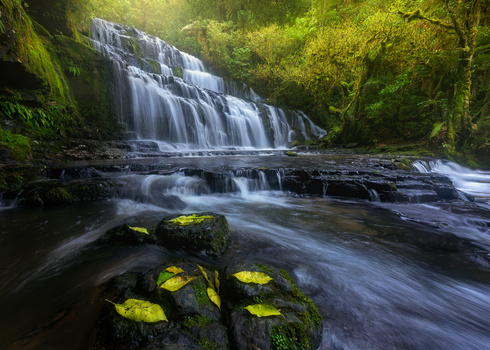
Badlands Night

The last Light

"Pure Soul"
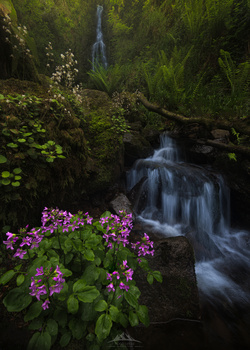
"Hidden Falls"
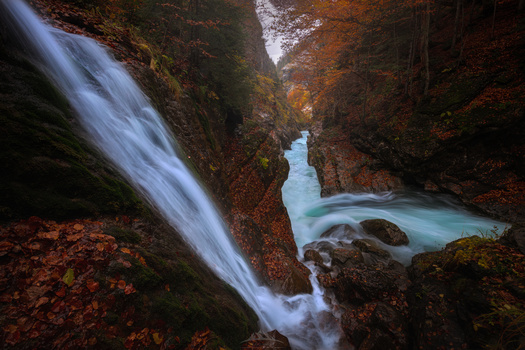
"First Lights"

"Lavender Storm"

"Light Pillar"
"On a Cloud"

"Gotham Skyline"

"Among Tulips"

The Temple
Volcano Flights

Frozen Aurora

Tuscany Lights

Isolated
Extranger Shapes

Red Shapes

Places of Nowhere
Añisclo Autumn
No comments yet