
Most night photographers never seem to have this one accessory with them. But they should. We're talking small gear, huge impact. I'll go over nine great uses for this accessory too. And one reason may have saved someone's life!
What Should You Have in Your Backpack for Night Photography?
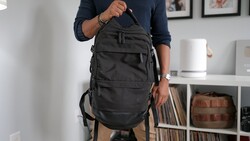
I'm sure you can produce a list: a DSLR or mirrorless camera, a lens with a wide aperture, a sturdy tripod, an intervalometer, associated cables, microfiber cloth, spare batteries, and water.
But there's something else that should be in there: the humble roll of gaffer's tape. It’s often overlooked, but I’ve seen this save a shoot, protect gear, and make life a whole lot easier. Here’s why you should always have it in your backpack when you’re out in the field doing any kind of night photography.
Why Gaffer’s Tape Is a Night Photographer's Best Friend
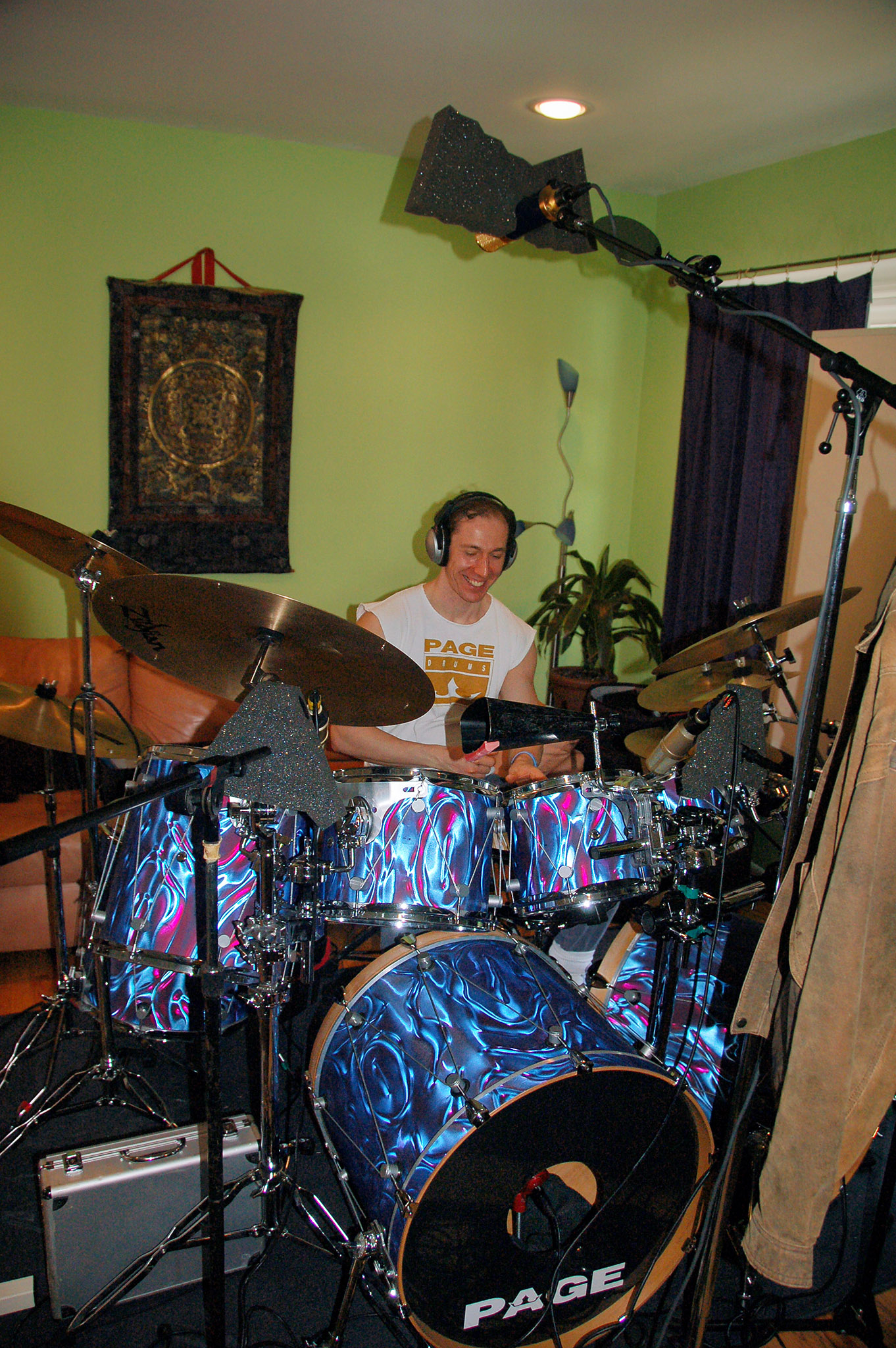
I also do recording engineering, recording my own music as well as other people's music. Previously, I had seen that film crews were using gaffer's tape. It was super sticky but peeled off without leaving sticky residue. Nice. Taking a cue from them, I began taping down my audio cables to the floor so people wouldn't trip over them, and everything would be nice and neat.
It only seemed natural that I would apply it to night photography.
Perhaps because of my background as a recording engineer, I use white or orange gaffer's tape most of the time. You'll see why.
9 Brilliant Ways to Use Gaffer’s Tape After Dark
1. Cover Stray Lights That Ruin Long Exposures
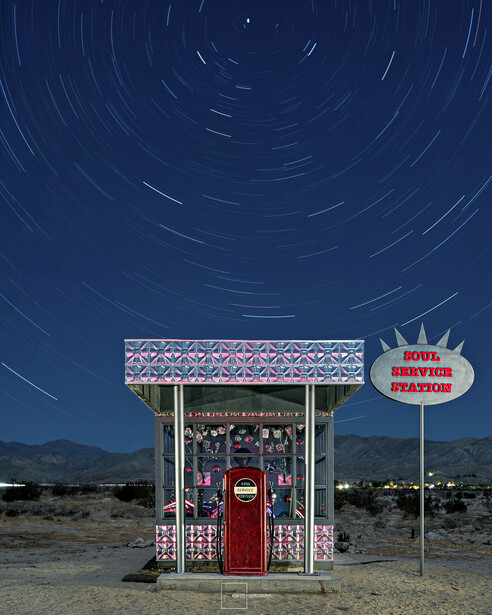
Why not use gaffer's tape to cover up the small red LEDs on intervalometers and other light sources? When using high ISO, these can be surprisingly obtrusive. But more than that, sometimes there are other light sources that glow profusely. If possible—and safe—you can use your gaffer's tape to stick a black garbage bag or cardboard onto something to stop a light source. I describe covering a light in more detail in my Fstoppers article about photographing Desert X.
2. Save the Day When Mounts Fail
If your tripod's ball head or Arca-Swiss plate breaks, all is not lost. Wind some gaffer's tape around your camera and your tripod. Just a few wraps of tape can stabilize things long enough to finish your shoot—no need to call it a night.
3. Save the Day When Remote Shutters or Intervalometers Fail
I've had intervalometers or remote shutter releases fail. When this occurs, it's not always practical to hold the shutter release button down, either. For example, if we're trying to do star trails, long multi-minute exposures, or light painting, we can't hold the shutter release button down (which would also introduce the possibility of shaking the camera and blurring the photo).
What we can do, however, is grab a pebble or something similar, then tape it firmly to the shutter button so it holds it in place.
4. Make Gear Visible Without Blinding Yourself
Most tripods are dark. Wrap a bright strip of white gaffer's tape around tripod legs or gear handles so you can spot them easier at night.That said, while that works, I've been using glow-in-the-dark tape and reflective tape more often in the past few years.
5. Add a Quick Weather Shield
Dusty high desert wind? Sudden drizzle? Tear off a couple of strips to attach a plastic bag or rain sleeve to your camera or other sensitive equipment and keep shooting.
6. Lock Down the Focus Ring
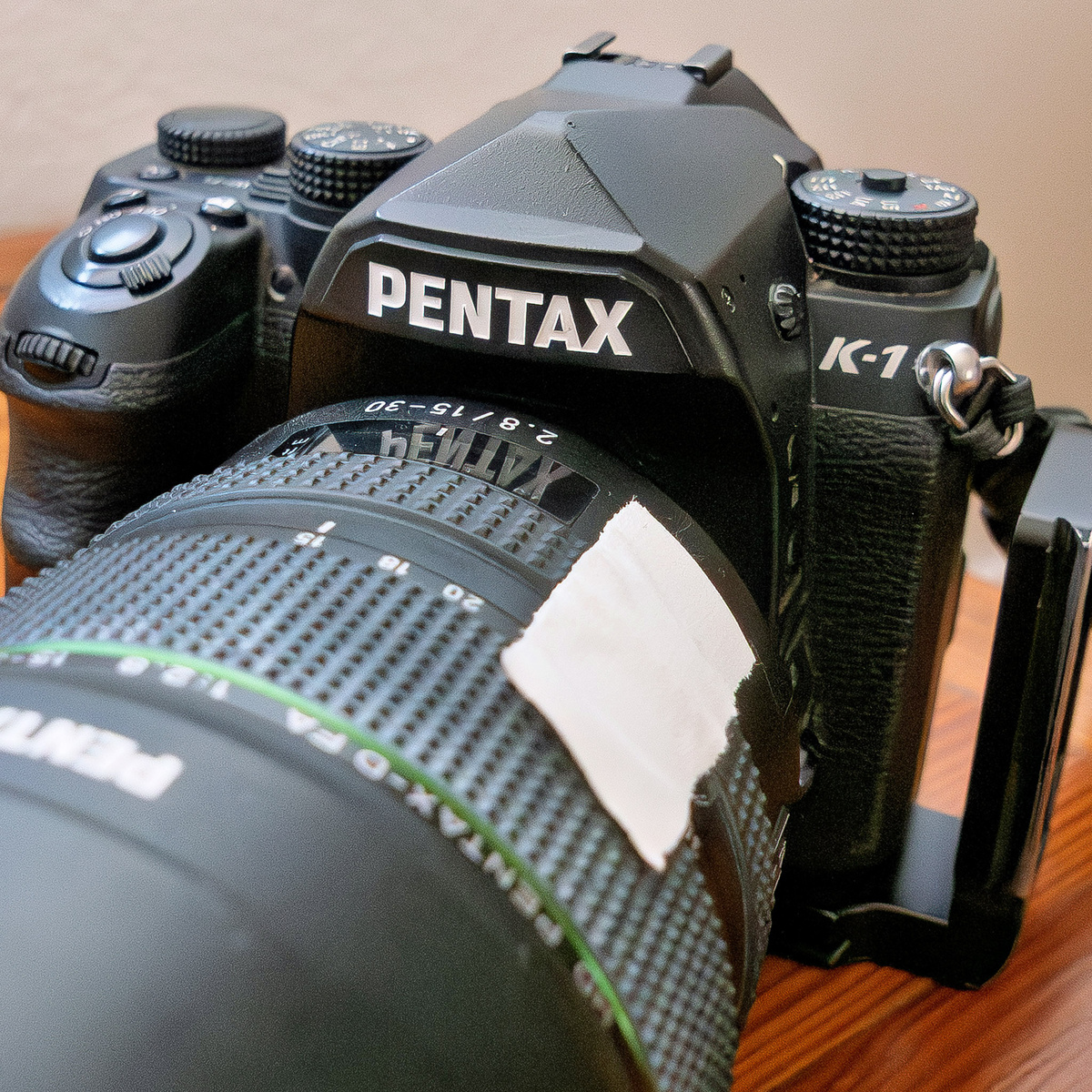
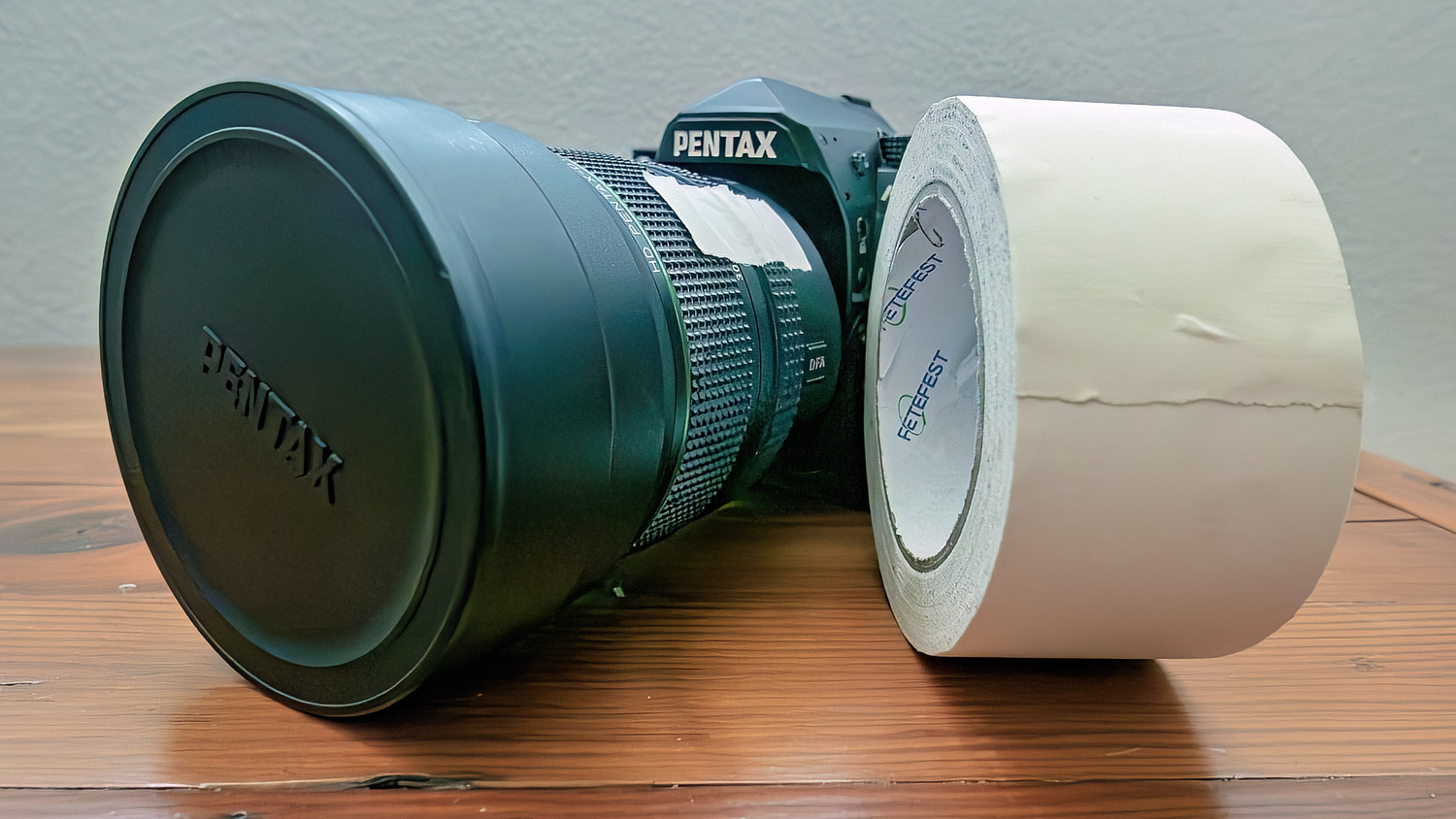
I first thought of using gaffer’s tape for this reason. After carefully setting your lens to infinity, a small piece keeps the focus ring from shifting while you compose or reframe. Without it, I’d almost certainly bump the ring.
7. Labeling Cables and More
I sometimes use gaffer's tape to differentiate between intervalometer cables that look alike in the dark. I also use it to label my chargers. If I'm in daylight, I don't need to differentiate so much. However, in the dark, I feel like this helps my workflow more.
8. Repair Your Clothing in the Field

If you’re traipsing around in the dark, you’re going to rip your clothes sooner or later. We explore abandoned buildings, wander through cactus and creosote, and inevitably tear fabric. Gaffer’s tape can keep a rip from getting worse until you can change.
9. I Sincerely Hope You NEVER Have To Use Gaffer’s Tape for THIS!
An acquaintance of mine was photographing at night in the remote desert by himself when he fell, badly injuring his leg. He was far from his car and didn't have a cell signal. He also realized that he couldn't bear weight on his leg. He used a light stand and created a leg splint, holding it together with—you guessed it—gaffer's tape. He managed to slither up a hill, then hobble back to his car. He then drove to the hospital to seek medical attention. Things could have gone considerably worse for him without gaffer's tape.
Pro Tips for Carrying Gaffer’s Tape in the Field
- You can reduce the size of the tape for your backpack as well. I keep some in my backpack by wrapping it around an expired AAA card. Cards in the shape of a credit card are perfect for winding 2-inch gaffer's tape. This way, you don't have to pack the entire roll.
- Some night photographers wrap their gaffer's tape around their tripod leg as well. This is also a great solution, one which I haven't done myself yet.
- Matte black blends into the dark; neon colors work well if you’ll use it mainly for visibility. I like visibility, so I mostly use white gaffer's tape.
- Remove tape from delicate surfaces as soon as you’re done. Heat and moisture can eventually soften the adhesive, making things a little stickier, although still not nearly as bad as many other kinds of tape. I have a bad habit of not removing gaffer's tape from some of my cables. In other words, listen to what I say, not what I do.
Final Thoughts
A roll of gaffer’s tape weighs almost nothing, costs less than ten dollars, and can save an entire night’s worth of work. Whether you’re out in the desert chasing the Milky Way or capturing star trails, this unsung accessory deserves a permanent spot in your backpack.
What Accessories Are "Must-Haves" in Your Camera Bag?
What is an absolute must? For some people, it's reading glasses. For others, it's hot chocolate. What are your must-have accessories?

Join the Fstoppers community for free
-
Post comments and join in the discussions
-
Browse the site ad-free
-
Share your work and get featured in the community
-
Compete in the photo contests for fun and prizes
10 Comments
I use painter’s tape, same same but different.
Similar idea. Gaffer's tape leaves less residue while being stickier and stronger than painter's tape. I was finding that when I was taping down cables and such while doing recording engineering, gaffer's tape seemed to work better than painter's tape.
The cheap green tape or the blue tape will definitely leave a residue, the nicer green tape is clean as a whistle though. It’s funny how we both landed on a similar thing that differs based on what we had on hand. For you gaffing audio cables, for me doing painting. I’ll keep eyes open for gaffer tape and try it out sometime
Good to know! And let me know what you think of gaffer’s tape.
WOW! Who would of thought of all the uses! Great info!!!
When doing night astro captures many extra things. I stay around locally Florida and Georgia coastal areas or in the country farm area of Mississippi. First and foremost some kind of bug repellent, the best is Avon Skin so Soft lotion or oil (a few drops in a small bottle of water), but first thing in the blue hour the no see mees come out most have netting around their heads, also just dry your clothes with dryer sheets. For those nights in the dark out in a hay field or cow pasture there are red bugs that climb up your your legs and dig in and make a lot of red dots and itch not just for next day but for months. Vicks on your socks as well as feet and up legs also add Skin So Soft to head, arms, head hair. the deal is they burrow down eating and breathing through the tunnel, if you had no protection before the Vicks will block the tunnel and kill the red bug this takes awhile so scratching for a month or so even.
One thing I do not understand is those out west no wearing Snake boots but even at night around coastal areas there are snakes but rubber boots serves just as well also because of high tides going out.
Few think of this but Gators like where I like Jekyll Island where March and April and May are mating months and to get to the beach you have to walk a path between two swampy areas and yes sometimes you may see one going to the other but like being up in hill country bear spray also works for snakes.
For sandy areas tennis balls on tripod legs and also if using a bike the stand.
There are also foggy nights so a cloth for your lens also use a lens heater, there are lens and camera bags clear even cover the rear LCD area.
One thing is either glow paint or tape on buttons. Another can not stand is the red head lamp of others for it is the hardest to clone out. I worked the flight deck of an aircraft carrier for year and as a electronic person and we had to use a green filter (a green marker across the clear lens) it is great you can see believe me or a blue one (used by hunters to track blood) best head lamp is the military type with different color filters. Also after a half hour your eyes adjust and there is no need for lights !
I have no idea of other camera makers but Sony A7/R/S Mod 2 and all newer have the least know "Right Monitoring" that is hidden deep in button selections and not till you show someone they do not believe it but is great for framing without a flashlight for it is a bright image on your camera LCD. I found a Life Guard stand using it on a very dark beach.
Never Ever change a lens in salt air areas BUT if you have to a clear trash bag open only with the opening facing in the opposite direction of the wind and close tight but I'll go back to my car first. Sensor cleaning is not my favored thing.
Light sticks that will light up the inside of a structure or car etc...
Just for info, MW arches done using a panorama head but camera is in portrait view and on a arm so you will want a total camera and lens that is lightweight totally first the lenses that are like f/1.4 or f/1.8 and 14mm are great. But in July and August you may need a wider lens there is today the Laowa 10mm f2.8 lens or before for Sony cameras the E 10-18mm (15-27mm in 35mm) f/4 OSS that can be used in full frame mode at 12mm why because both are small and lightweight but mainly not having to do more than one row of images but also the Arc of stars will be over your head and beyond some and you will want more stars above the arc.
1. FE 12-24mm f/4 G 2017 heavy
2. FE 12-24mm F/2.8 GM 2020 heavy
3 and 4. E 10-18mm f/4 OSS at 12mm in 2015 2 years before a 12mm lens by anyone.
Great suggestions. The tennis ball thing works well. I also use glow-in-the-dark tape and reflection tape on my tripods. If you do night photography, it's extremely helpful. I have two kinds of bug repellent, although I keep that in the car and not my bag.
another thing to have: a headlamp with a red light filter/cover/lens. Being able to see camera controls in the dark without the disorienting switching from bright to dark....except I'm not wearing it near others, so I am not annoying Edwin and others, so we're good.
This helps for sure, but I do agree that it can cause problems when other photographers are near, as red light seems to "leak" into other people's photos very readily, and there's not much you can about it once it's done that.
Just one important addition: Gaffer's tape is NOT duct tape! They look and feel and behave a lot alike, except when removing them; the adhesive is very different. Gaffer's tape will not leave goo behind.
Duct tape is your enemy, and it's not suitable for duct work either.
Haha! Yes, THAT much is certain. Do NOT use duct tape in place of gaffer's tape for ANYTHING that I've mentioned in this article!!