
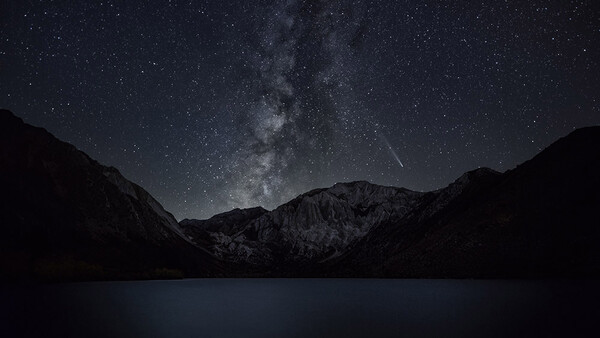
Is there a difference between blending and compositing in post-processing? Some photographers make no distinction between the two. But for many, there's a notable difference. It can represent the difference between deception and handling noise or dynamic range.
I've noticed that night photographers in particular find it important to distinguish between blending and compositing. I’m going to describe how most night photographers use the two terms.
How Night Photographers Distinguish Blending from Compositing
Blending
For most night photographers, when they say that they are blending, they are keeping the same camera setup while taking multiple photos. In other words, the camera, lens, and position are the same, and the photos are taken reasonably close to the same time, and quite often, in quick succession to each other. Then, they take these photos and blend them together to handle either noise, dynamic range, or both.
Compositing
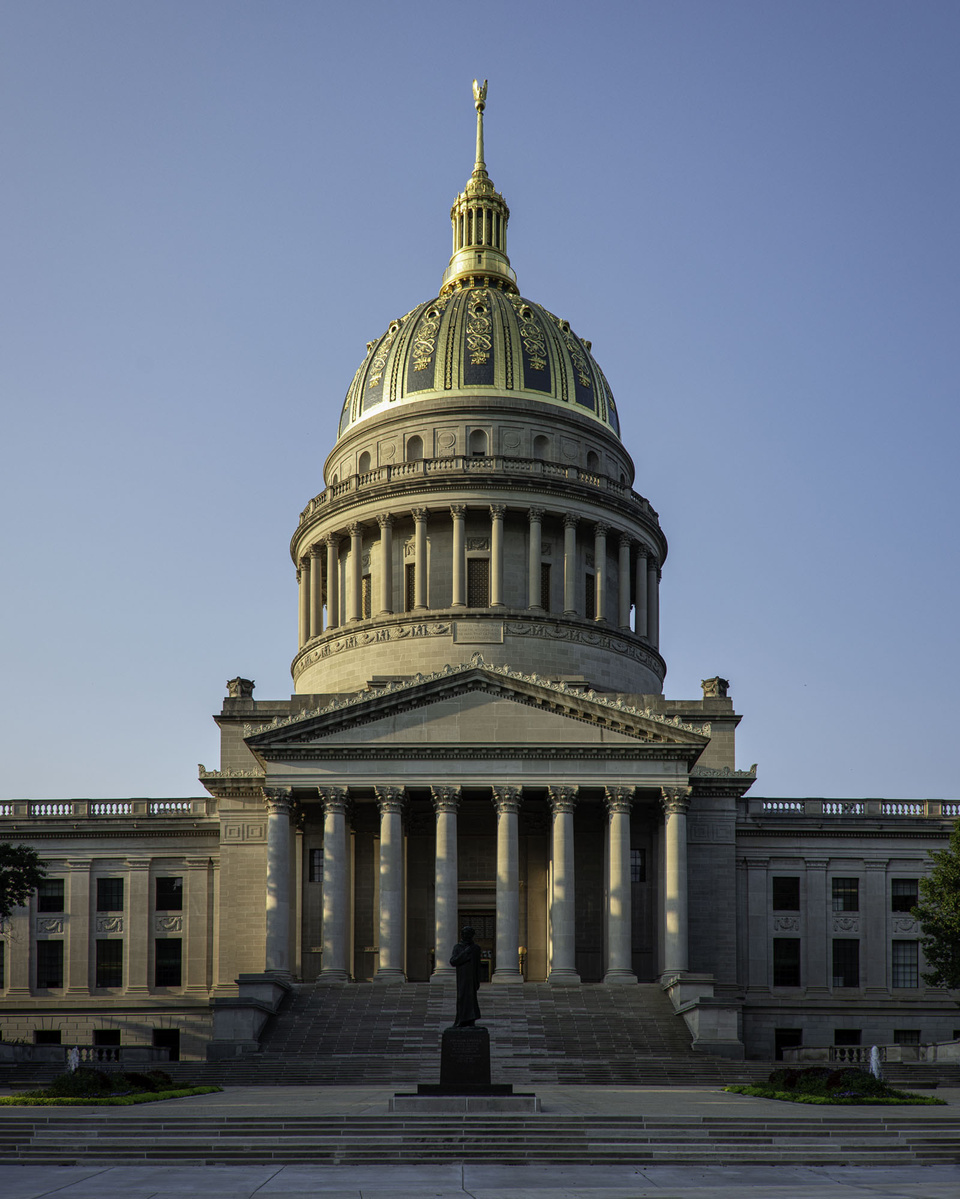
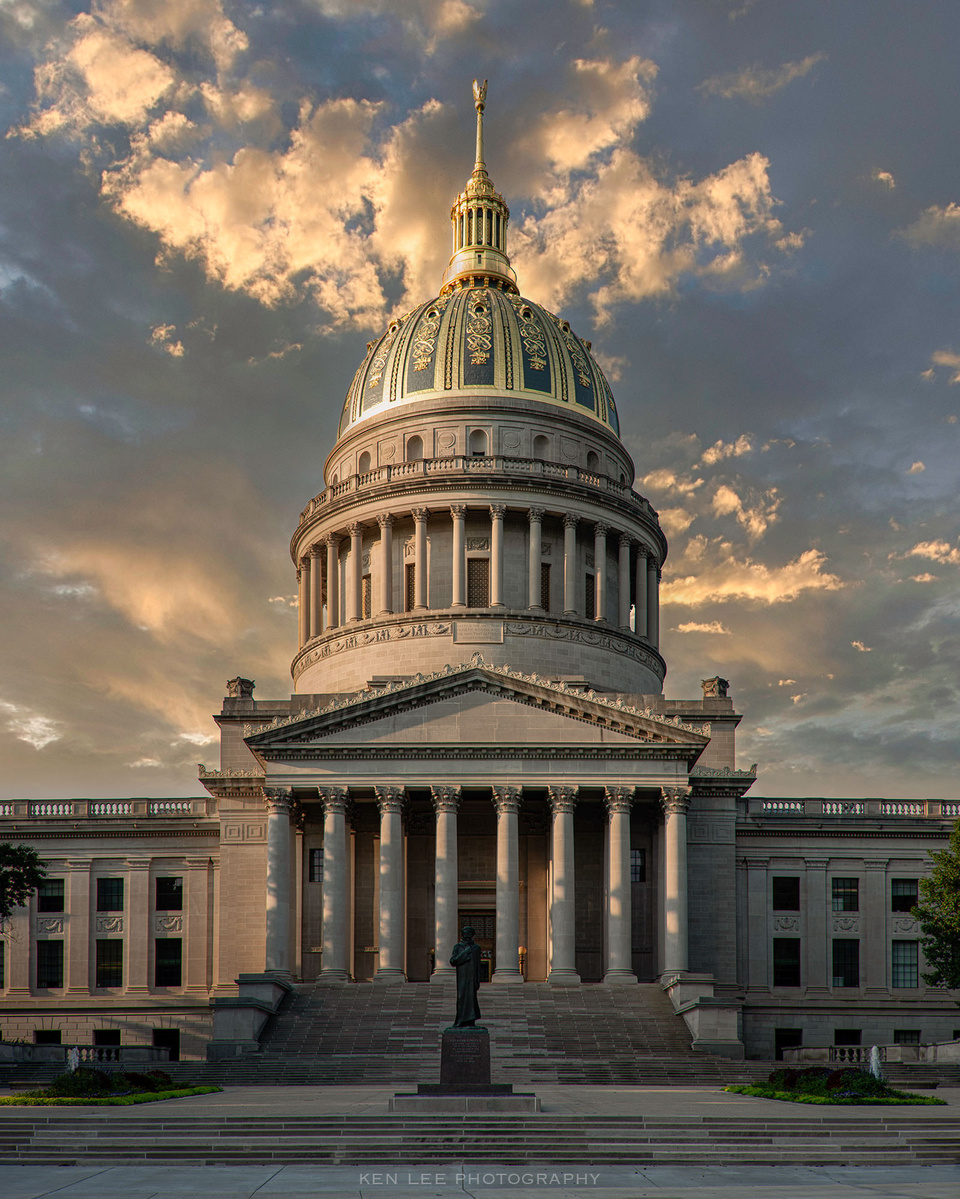
For most night photographers, a composite is something different. A composite is combining two entirely different photos together. In other words, the position, camera, and/or lens are different from each other. An example of this would be to take a foreground photo from the Northern Hemisphere and combine it with a Milky Way photo taken in the Southern Hemisphere. Another example might be if you use Luminar Neo or Photoshop to perform sky replacements with skies that they provide.
Conceptually, it’s similar to someone cutting out a picture of a person from one magazine and pasting it onto another picture, only considerably more sophisticated (except when I do it... my composites are usually done for laughs, and not so much for realism!).

With composites, the photographer is no longer attempting to create something that is a realistic depiction of what actually existed at the time of the photo. And this is the reason so many night photographers go out of their way to make a distinction between blends and composites.
Why Does a Night Photographer Blend Photos?
There are several reasons why a night photographer blends photos. I will cover the ones that do not involve deception or fakery.
HDR Blending

HDR (High Dynamic Range) is almost a dirty word in photography. Many of us are still traumatized from the hideous, garish HDR photos from 2010–2013 or so. But the truth is that HDR has existed since the mid-1800s (take a bow, Gustave Le Gray!). For night photographers, we might use HDR if there's a wider dynamic range than what the camera can capture in a single exposure.
We create an HDR blend by setting our camera on a tripod, then taking several different exposures of that same scene in succession so we capture more of the dynamic range. Then in post-processing, we blend those multiple exposures together into a single image. The goal, one hopes, is to render the scene naturally.
Blending a Foreground With the Sky

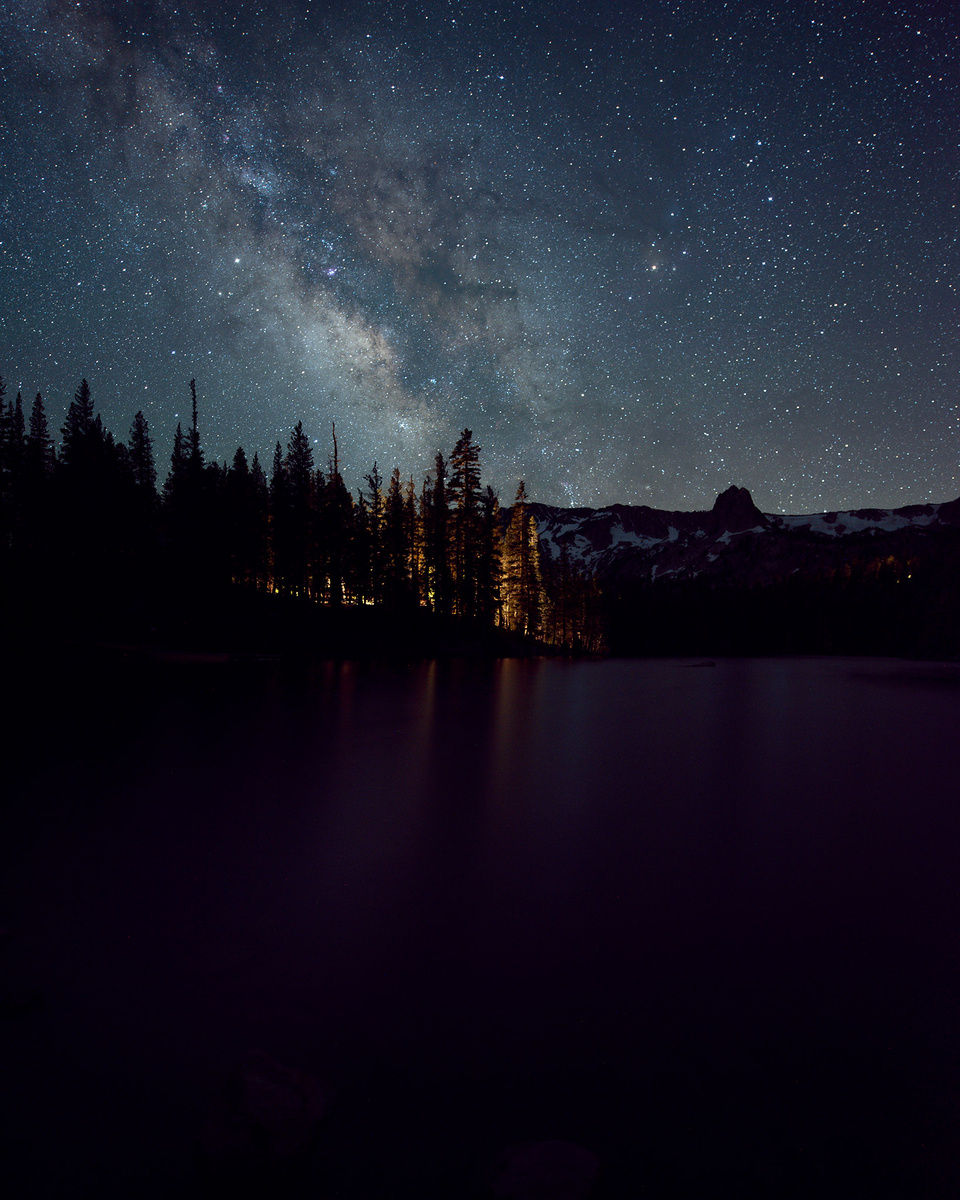
This first involves taking a very long exposure, low-ISO photo of the landscape. This first photo can be a "blue hour" foreground, or a foreground that is lit by the moon or even the stars themselves. Why do we do this? The main reason is so we can have less noise in the foreground. And sometimes, the foreground is simply too dark, and this is a nice way of having some of it be visible in the photo.
After taking the foreground photo, we take another photo. This one is a shorter exposure, high-ISO photo of the starry sky or the Milky Way.
Focus Stacking

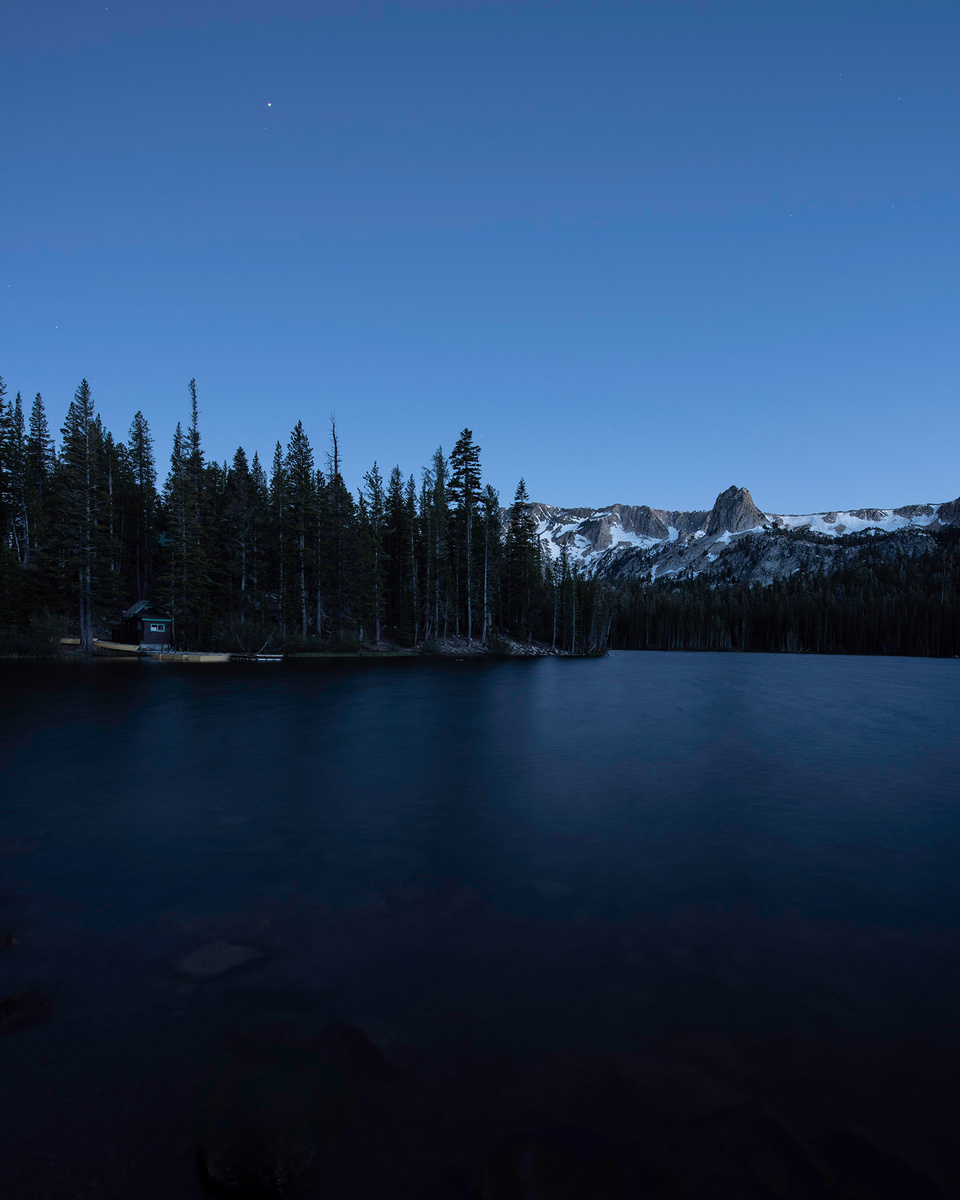
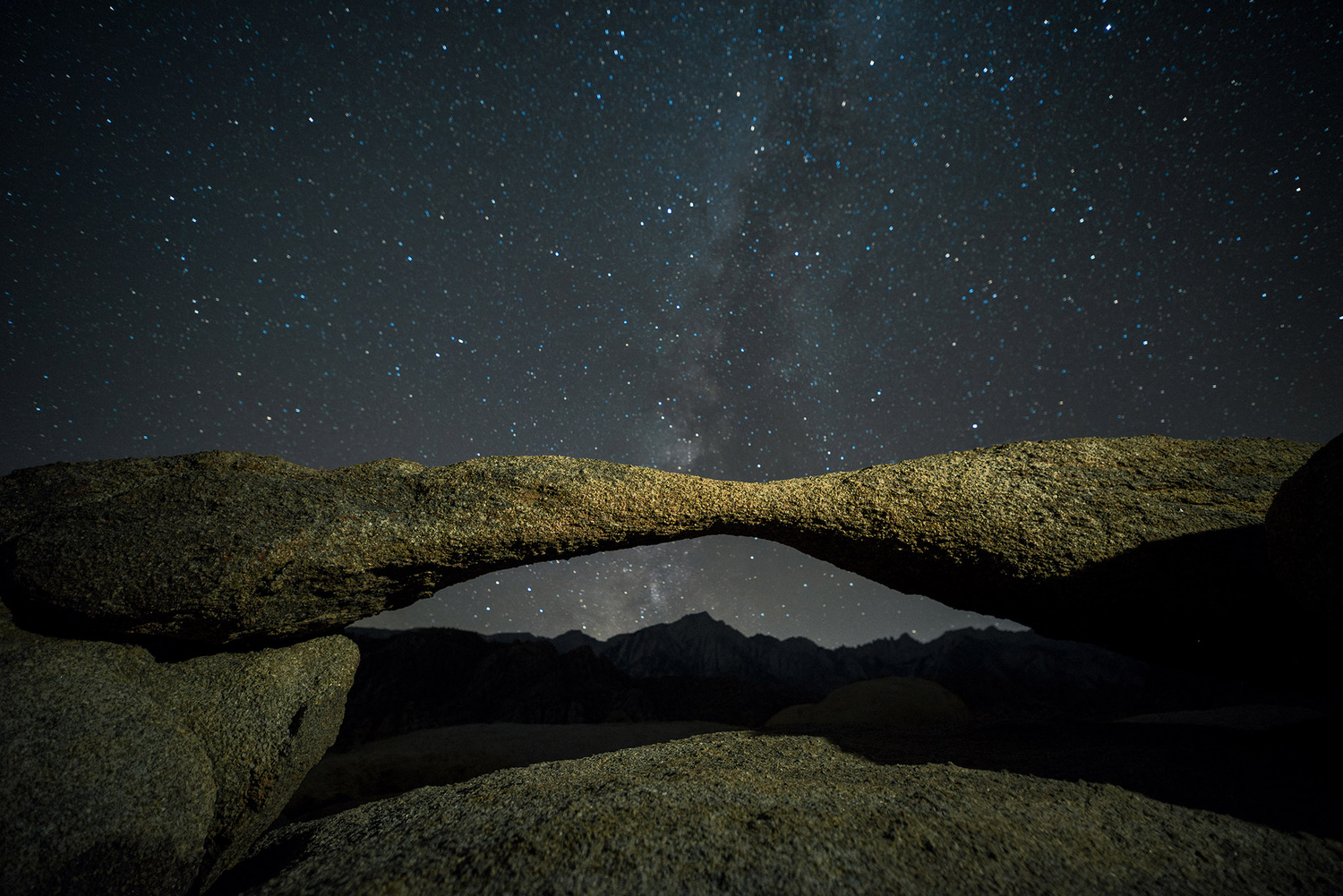
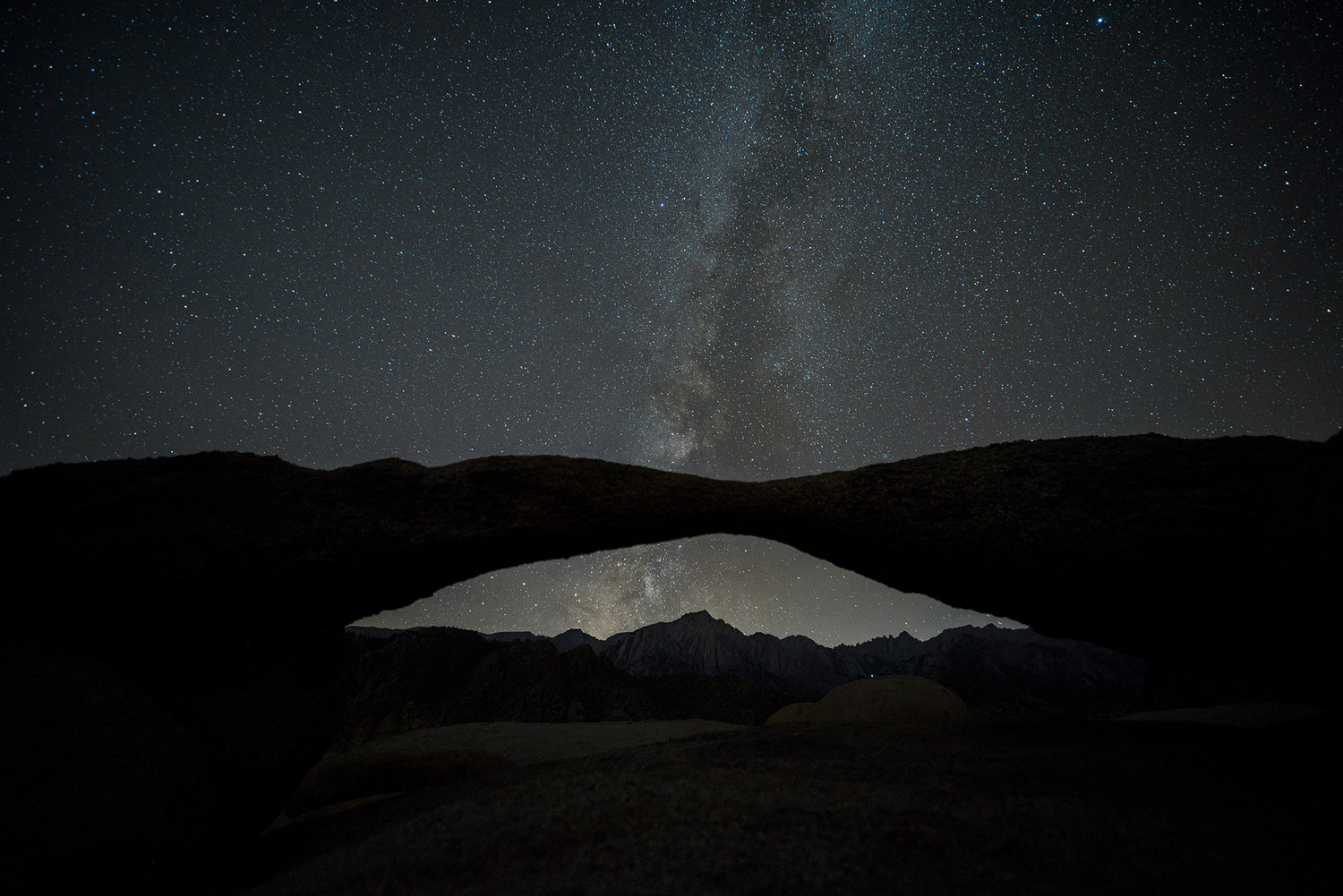
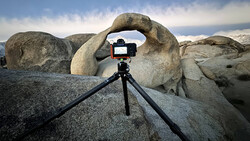
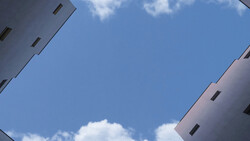
Yes, night photographers also use focus stacking, just as day photographers do. And it's for the same reason: we cannot get the scene in focus from a single exposure. Instead, we blend two or more photos together. The above photo only uses two photos, one focused on the sky, and the other focused on the nearby arch. Blending them together creates a photo where both elements are in focus, resulting in a more pleasing image that is more like how we remembered the scene.
Star Trails
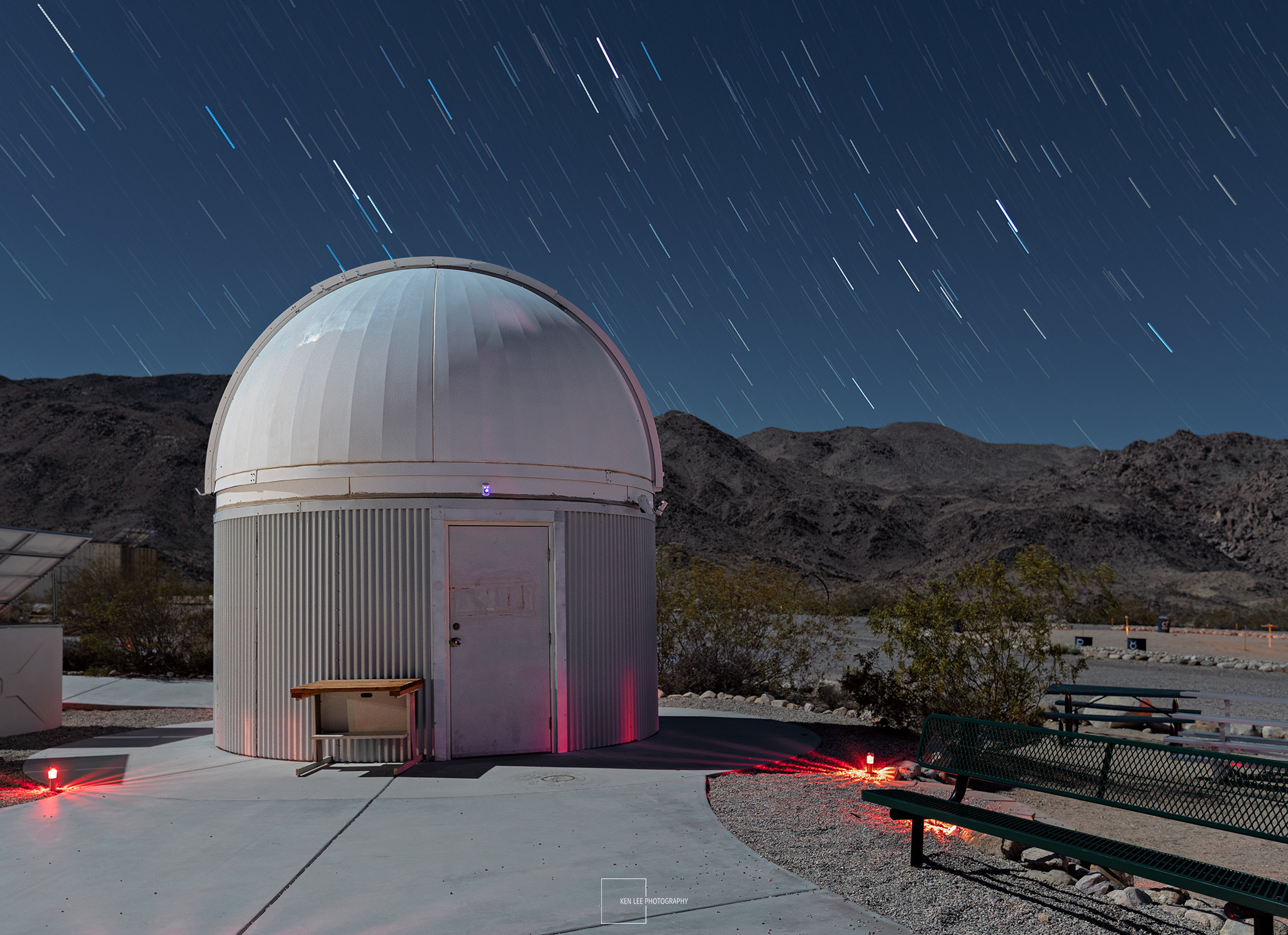
Night photographers will take photos in succession, one right after another. Then we "stack" them in a program later, allowing the brightest parts of each photo to shine through. We then blend this into a single image that shows the apparent movement of the stars in the sky, created by the rotation of the Earth. This method is much less noisy than a single exposure image and offers more flexibility. It's also easy to do. You can read about how to create star trails easily in Photoshop here.
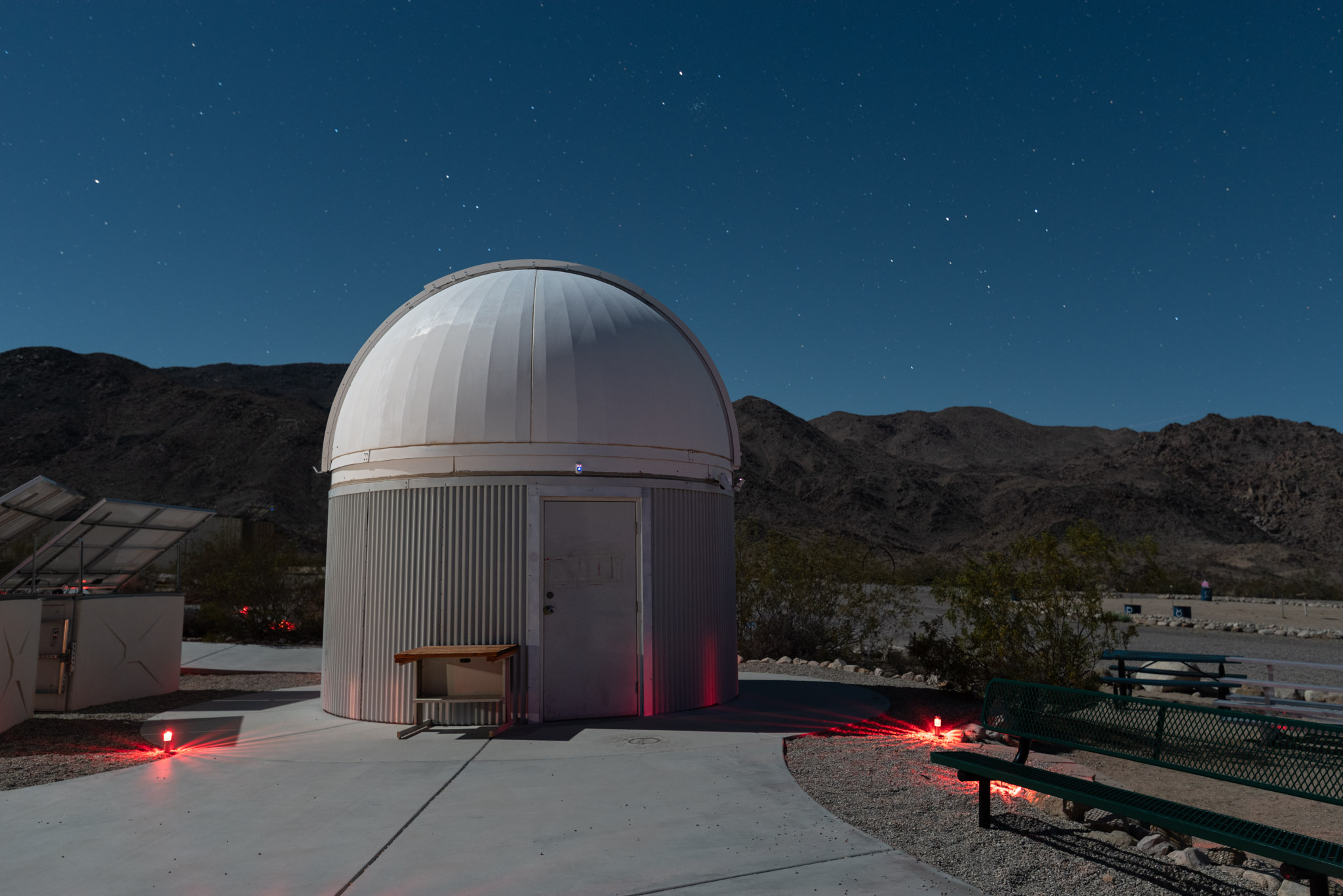
The Philosophy Between Blending and Compositing
When we blend, we are using the same camera setup. We do this so we may address the dynamic range and limitations of the camera to try to recreate what you see and experience. Obviously, as with anything else, this can be done poorly or to excess, to where it no longer resembles anything in reality. But at that point, you can say that about any type of post-processing.
When we are compositing, we are using two different camera setups. This frequently involves cutting and pasting rather than using the blend modes that post-processing software offers.
Admittedly, the difference between compositing and blending can, well, blend together. After all, both can look somewhat similar if you are watching someone post-process. But I believe there’s enough fundamental difference to distinguish between the two. Certainly, many night photographers feel this way.

Join the Fstoppers community for free
-
Post comments and join in the discussions
-
Browse the site ad-free
-
Share your work and get featured in the community
-
Compete in the photo contests for fun and prizes
4 Comments
I have no problem at all with blended images. It's just using technology to overcome the hardware's limitations to show the dynamic range or focal depth range. But composites are a whole different ball game. Monstrosities of the "Ben and Len and Sheyenne" type are just not worth the effort to produce or to look at.
Well, that sort of thing is done for comical purposes such as profile photos and that sort of reason, not for any serious artistic purpose. But yes, right with you.
Somewhere, Peter Lik is shedding a single tear in his gallery of photoshopped prints 😂
Haha! He is welcome to join our conversation and explain how clouds can appear behind the moon in a photo. ;)