
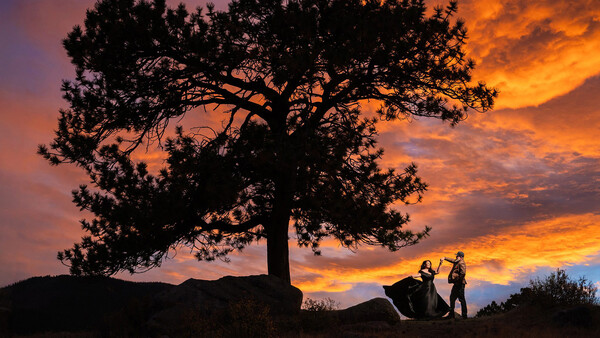
There’s something magical about photographing weddings or engagements in a national park. Depending on which of the 60+ national parks you find yourself in, the unique views from this one-of-a-kind “office for the day” might include famous peaks or endless dunes—and always wide-open skies.
For wedding photographers, it’s a perfect opportunity to flex our landscape photography skills while also capturing everything else that makes for timeless wedding imagery. Of course, this isn’t just another local gig. Mastering national park wedding photography requires special preparation, adaptability, and a strong sense of creativity. If you’re planning to take on a national park wedding or engagement shoot, here’s a quick look at what you need to know to make the most of these incredible environments.
All of the images in this article are used with permission by the photographers at Wedding Maps. Featured image by Jessie and Dallin at Rocky Mountain National Park, Colorado, USA.
1. Do Your Homework Before You Go
Permits
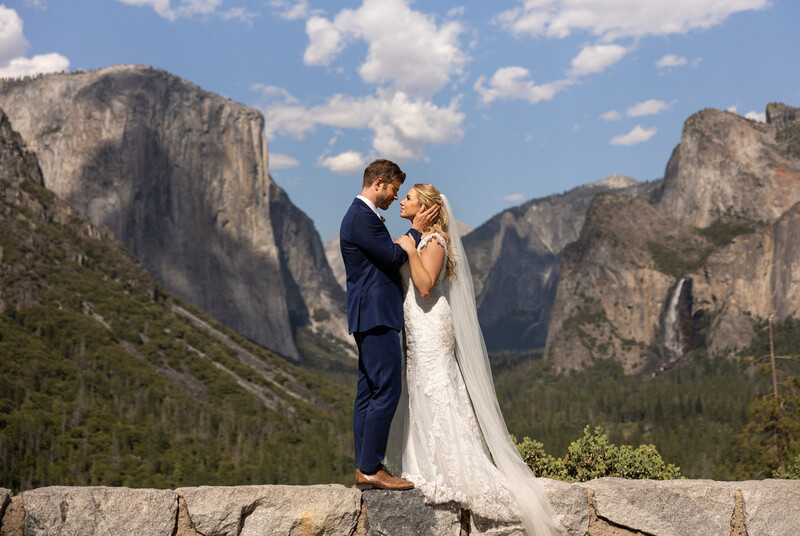
Photo by JCM Photography at Yosemite National Park, Mariposa, CA, USA
National parks aren’t like other venues where you can show up, scout a corner, and start shooting. They have strict rules about professional photography, including guidelines on where you can go, how you can use the space, and more. Most parks require a special-use permit, and it’s your job to make sure that’s squared away well before the wedding day. The process can take several weeks, and the cost varies, so check the park’s official site early on. Even if your clients handle the paperwork, verify everything yourself so there are no surprises.
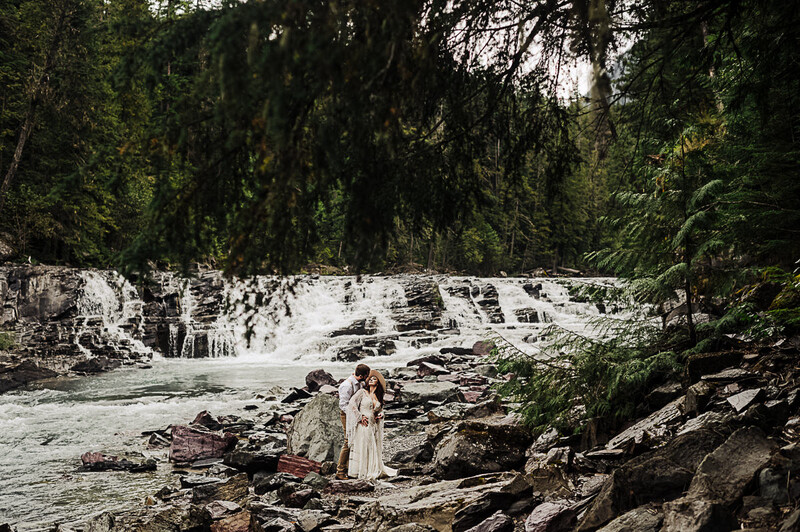
Photo by Green Apple Weddings, Glacier National Park, Montana, USA
Scouting
As with all weddings, scouting for national park weddings is crucial. Apps like PhotoPills or Sunseeker are great for planning where the sun will be at different times of day, but they might not alert you to unexpected closures, the best parking spots, or which trails are washed out.
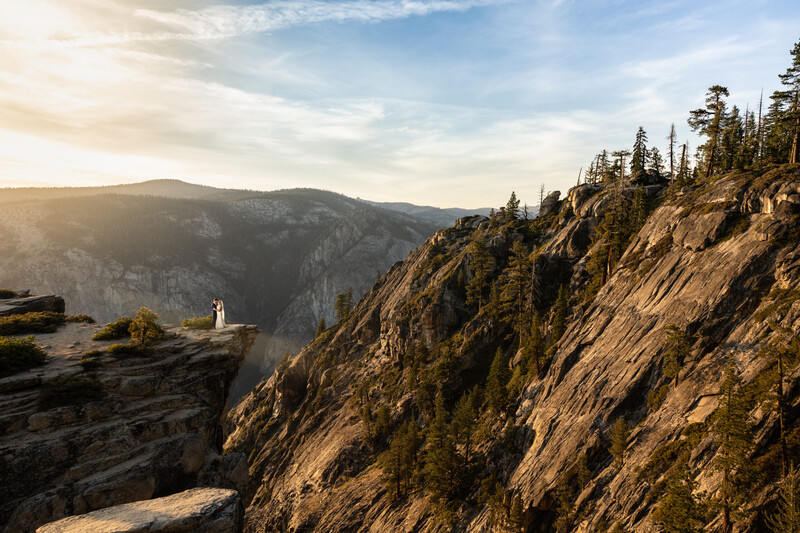
Photo by JCM Photography at Yosemite National Park, Mariposa, CA, USA
Try to arrive early, even if it’s just the day before, and walk through the locations you plan to use. Talk to rangers, ask questions, and take notes. These little details—like knowing which trail gives you a great view without an hour-long hike—can make or break your timeline.
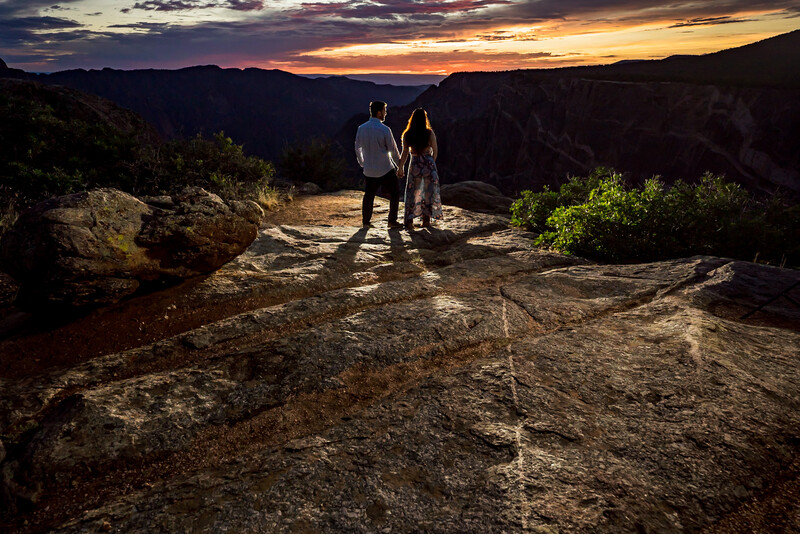
Photo by Bonnie Photo at Black Canyon of the Gunnison National Park, Colorado, USA
As you gain experience and get to know the parks you visit, your insight and intimate knowledge can greatly benefit your couples. While photographers generally work with planners to create a plan for using venues to capture portraits, things change when working in the great outdoors. The couple will likely rely on you entirely to ensure they get portraits taken at all of the best spots at the best times of day.
2. Pack Smart and Plan for the Terrain
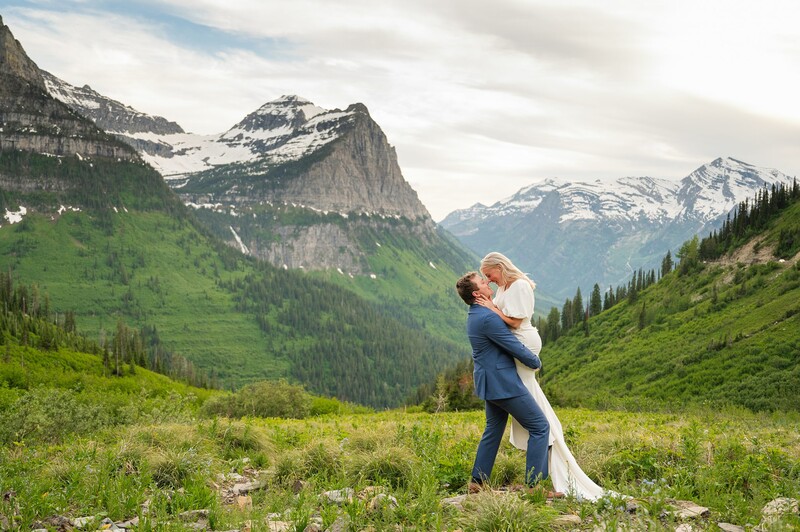
Photo by Jessie and Dallin at Glacier National Park, Montana, USA
Gear choices matter more than you might expect. When you’re hiking to a viewpoint or shooting on uneven ground, lugging your entire kit will slow you down. Instead, think through what you really need. A versatile zoom, a wide prime for sweeping landscapes, and a lightweight tripod often cover most scenarios.
And don’t forget about the weather. Bring layers, rain protection for your gear, and a backup plan if the weather shifts unexpectedly. Conditions can change fast in the mountains or deserts, so be ready to adapt.
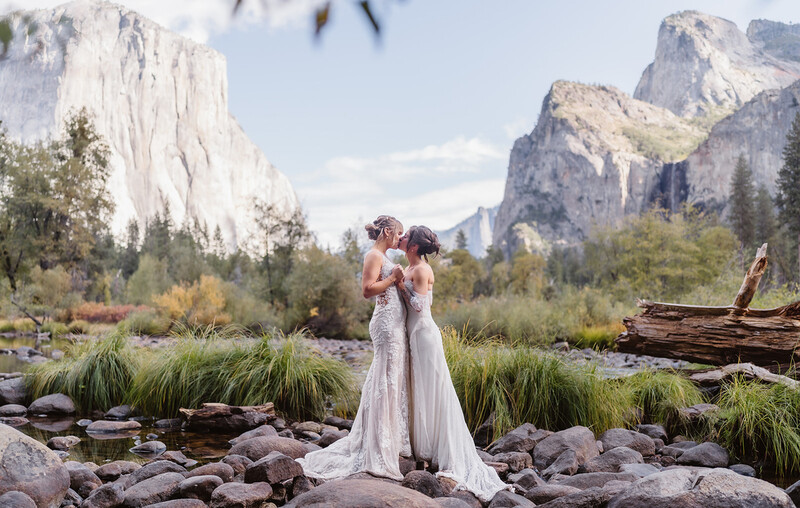
Photo by Vows and Peaks at Yosemite National Park, California, USA
Also, consider the logistics of the day. Some locations require long hikes, early starts, or shuttle rides. Build extra time into the schedule and communicate all of this with your clients ahead of time. Nothing kills the mood like realizing you’re late for golden hour because you’re still waiting for a park bus.
3. Work With the Light, Not Against It
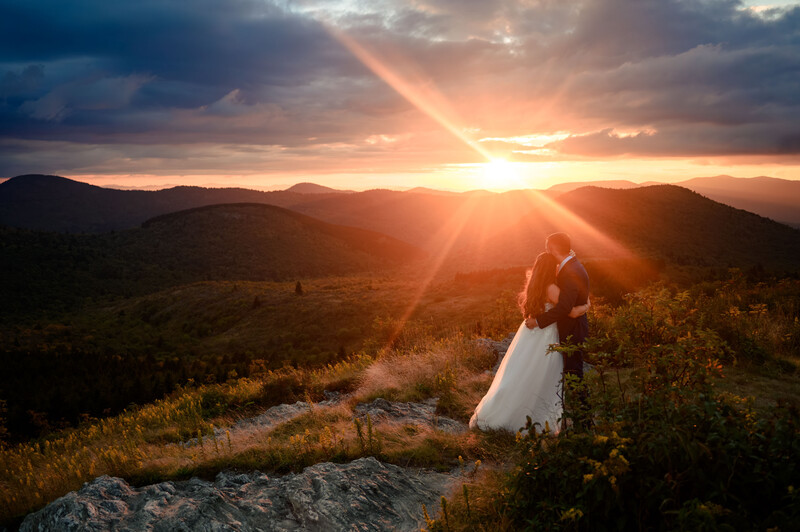
Photo by Michael Freas at Pisgah National Forest - Shining Rock Wilderness, Asheville, NC, USA
Lighting in national parks can be both a gift and a challenge. During the golden hour, light can spill across the landscape in the most flattering way possible. This is why most people love this time of day for photos. While sunset is the most popular time to take advantage of this lighting, sunrise is often even better, with soft light and fewer tourists, which can help the couple feel more comfortable in front of the camera.
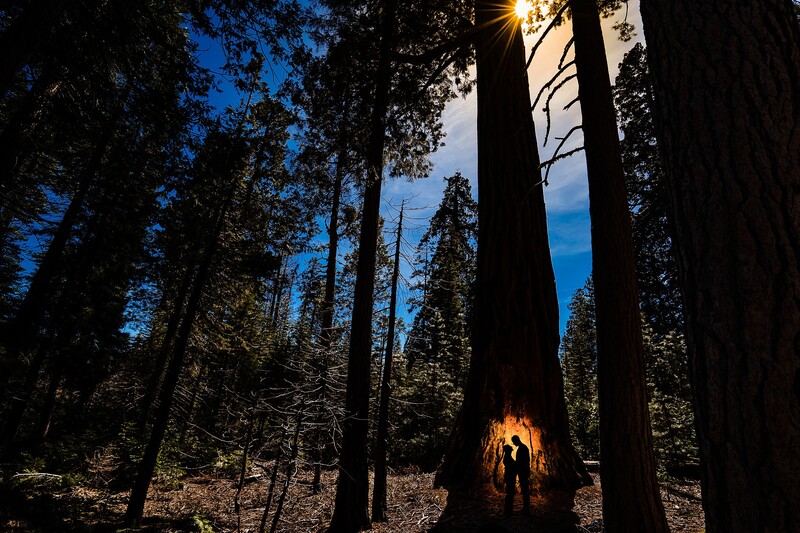
Photo by SMJ Photography at Yosemite National Park, California, USA
Midday sun can be harsh, but it’s not unusable. It has a bad reputation, but don’t let that stop you from using it. Position your subjects with the sun behind them, use natural reflectors, or find shaded spots where the light is even. This is also a good time to use an off-camera flash and get creative with silhouettes or other lighting setups.
The key is to adapt to whatever you’re given. Embrace backlighting, play with silhouettes at dusk, and look for opportunities to use the park itself—trees, cliffs, or even a 5-in-1 scrim—to soften the light.
4. Tell a Story Beyond the Landscape
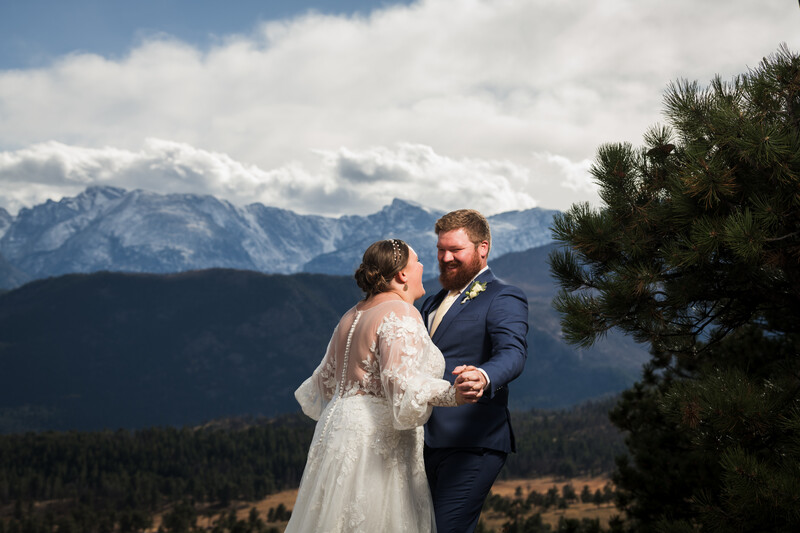
Photo by Gretchen Troop at Rocky Mountain National Park, Estes Park, Colorado, USA
It’s easy to focus only on the big, sweeping shots, but the most memorable images often blend the couple’s connection with the grandeur around them. Capture the iconic landmarks, yes, but also look for the in-between moments: laughter on the trail, the wind catching a dress, or the quiet pause before the ceremony. These shots give context and emotion to the epic scenery.
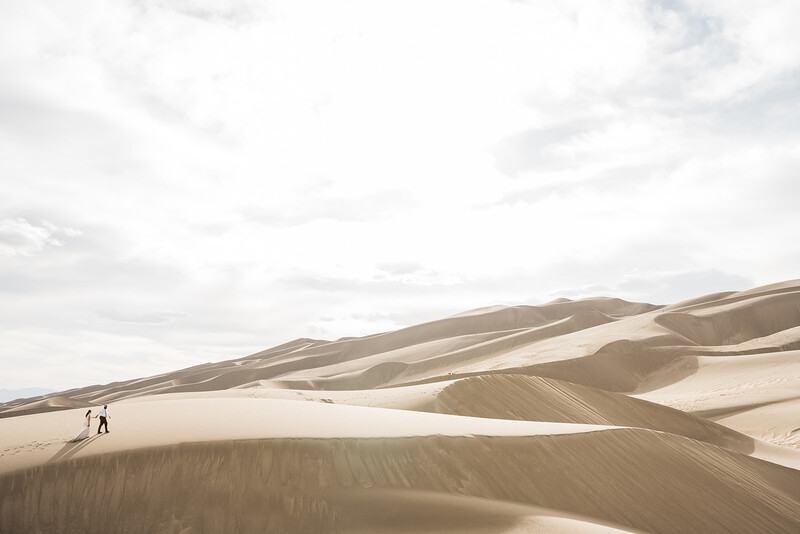
Photo by We, The Light Photography at Great Sand Dunes National Park, Colorado, USA
Of course, include those epic landscape portraits as well. When composing, think about scale. Place the couple small against a massive mountain face or open dunes to highlight the adventure, then switch it up and fill the frame with intimate details.
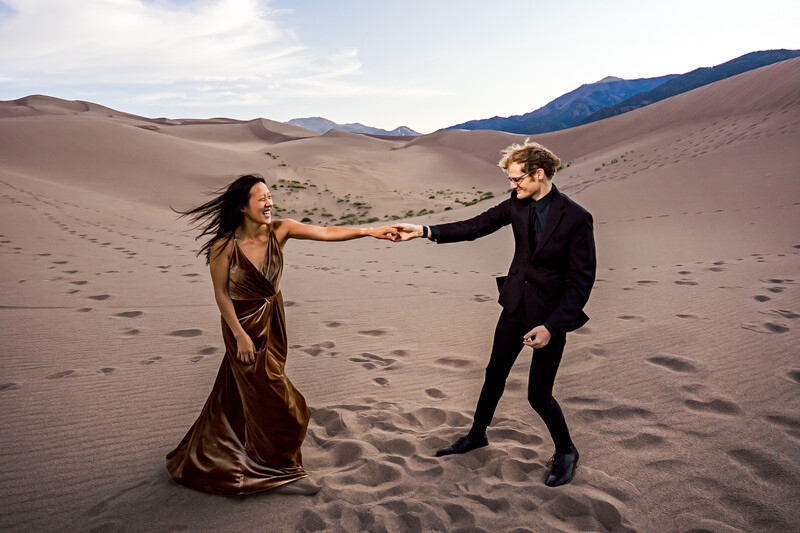
Photo by Bonnie Photo at Great Sand Dunes National Park, Colorado, USA
Look for leading lines from trails or rivers to guide the eye, and keep an eye out for reflections in lakes or puddles to add depth. The more variety you capture, the more complete the story will feel.
5. Respect the Environment You’re Shooting In
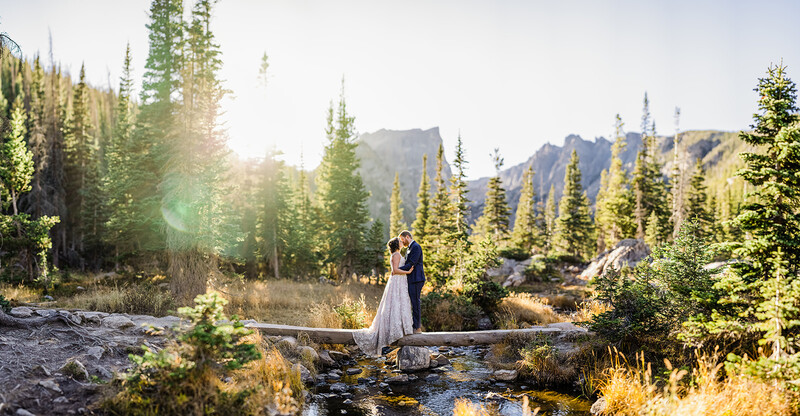
Photo by We, The Light Photography at Rocky Mountain National Park, Colorado, USA
This one should go without saying, but it needs to be said. National parks are protected for a reason, and it’s up to you to respect that. Stick to marked trails, avoid stepping into fragile areas, and follow Leave No Trace principles. Not only does this protect the landscape, but it also ensures that these places remain accessible to future couples and photographers. Educate your clients about this, too—they’ll often follow your lead.
6. Embrace the Adventure
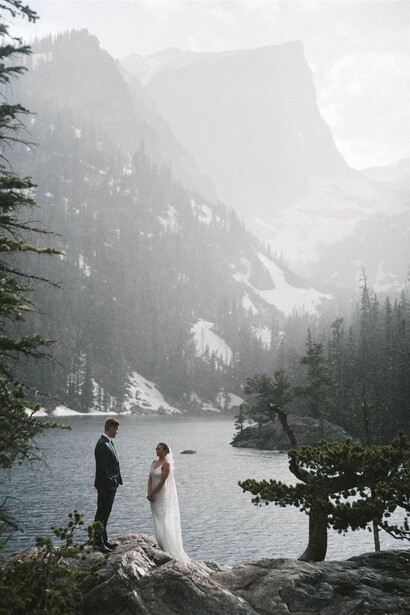
Photo by Francis Sylvest at Rocky Mountain National Park, Colorado, USA
Shooting a wedding or engagement in a national park is not for the faint of heart. You can expect to deal with unpredictable weather, long hikes, and possibly a few surprise hurdles. But you’ll also have the chance to create images that feel larger than life, with backdrops no venue could ever match. The experience itself becomes part of the story, and when you’re prepared, flexible, and ready to create, the results can be extraordinary.
Final Thoughts and Inspiration
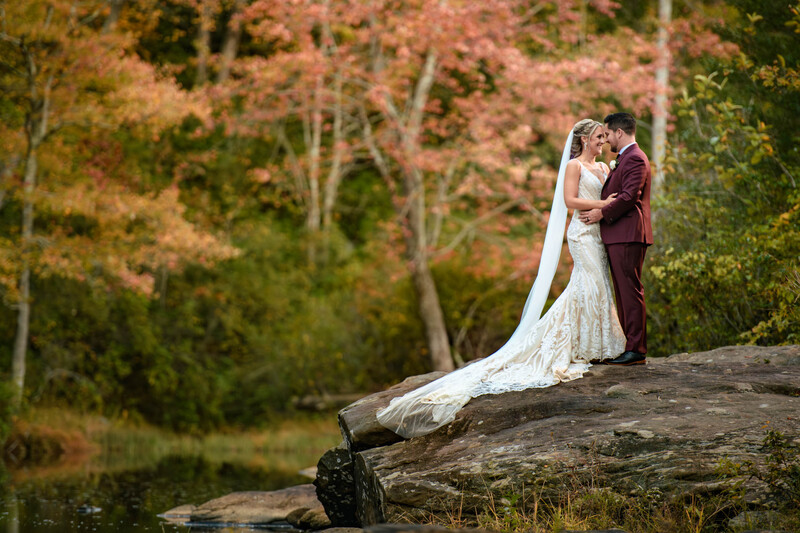
Photo by Michael Freas at Prince William Forest Park, Washington, DC, USA
For photographers, national park wedding shoots are some of the most rewarding you’ll ever do. They challenge your technical skills, push your creativity, and allow you to connect with your clients. Just remember to pack smart, plan ahead, and get ready to capture the kind of images that will define your portfolio.
Here are some additional national park wedding photos for inspiration:
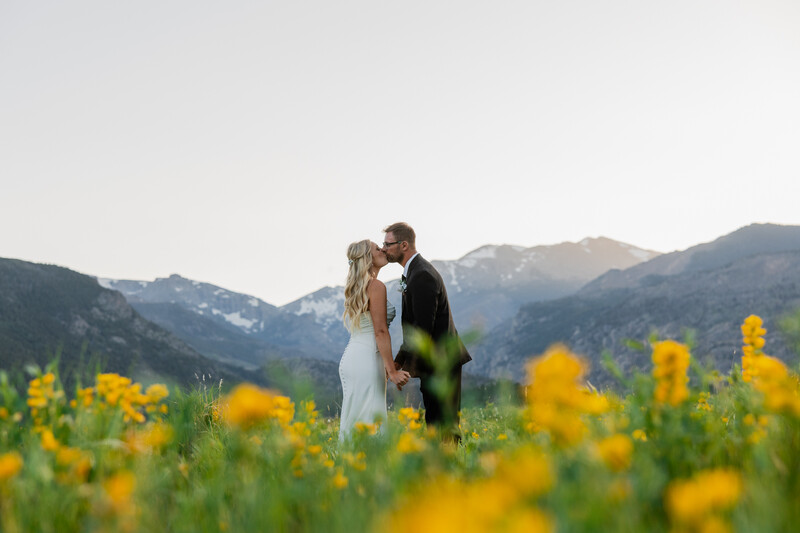
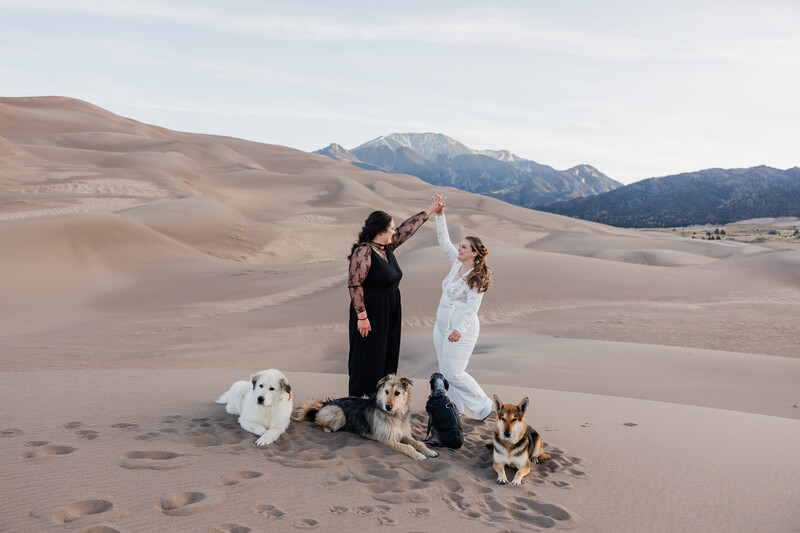
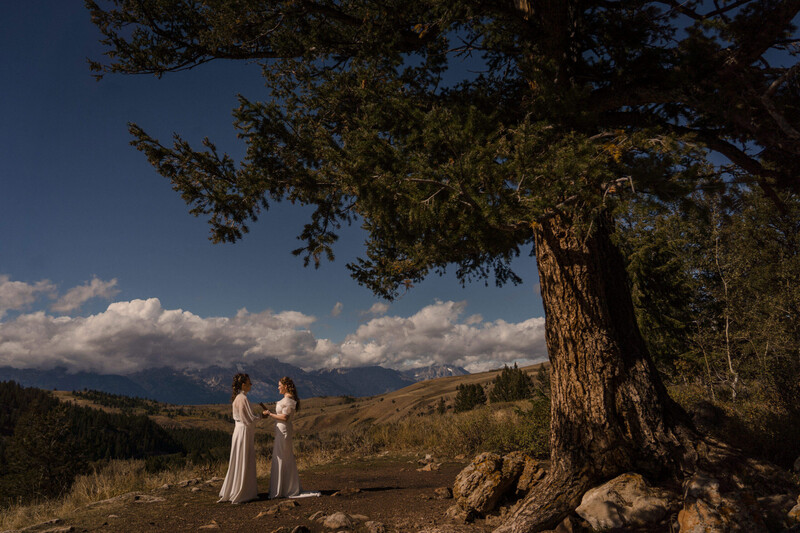
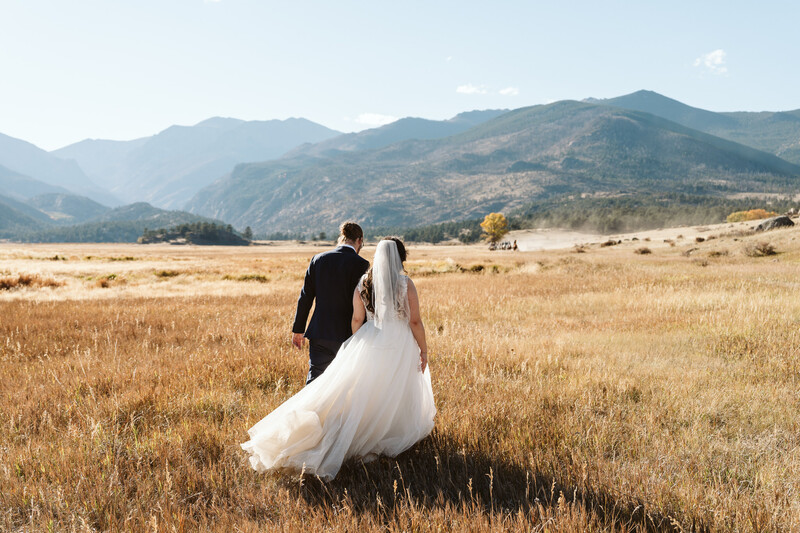
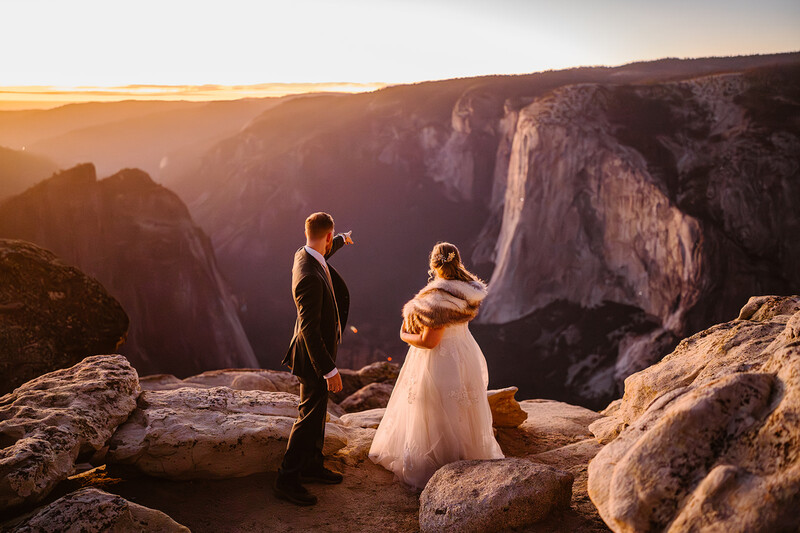
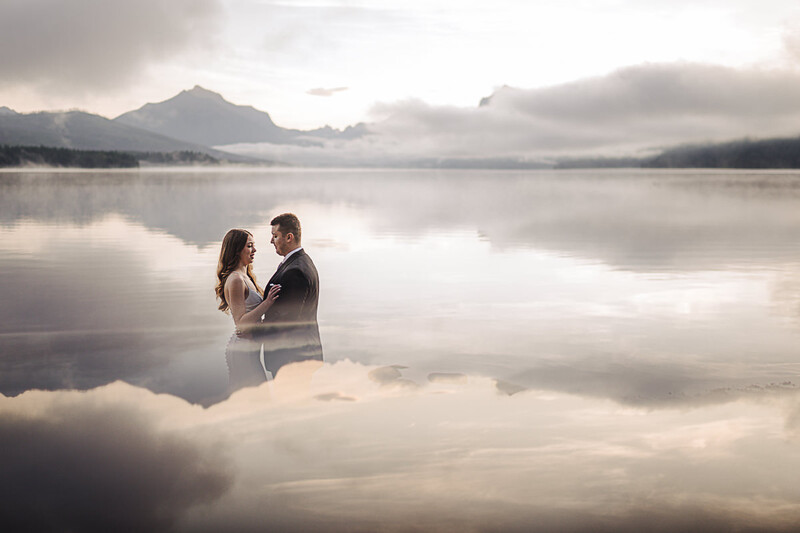
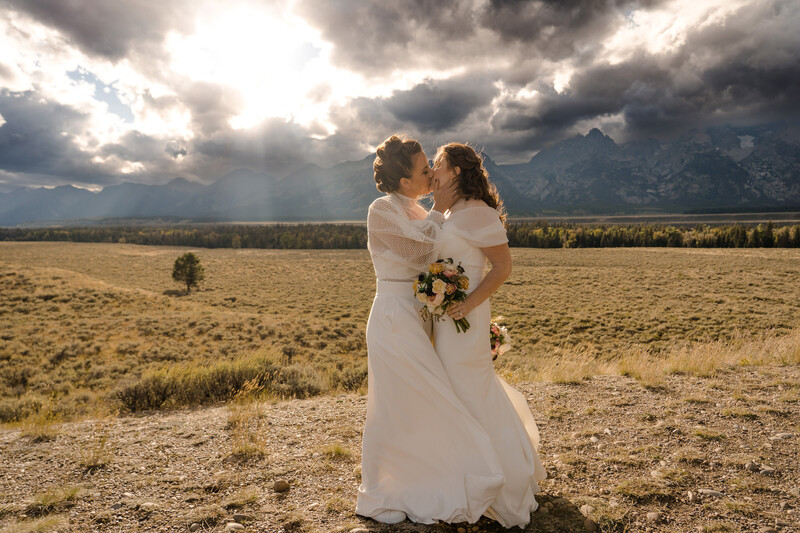
Photo by Buffy Goodman at Grand Teton National Park, Jackson Hole, Wyoming, USA
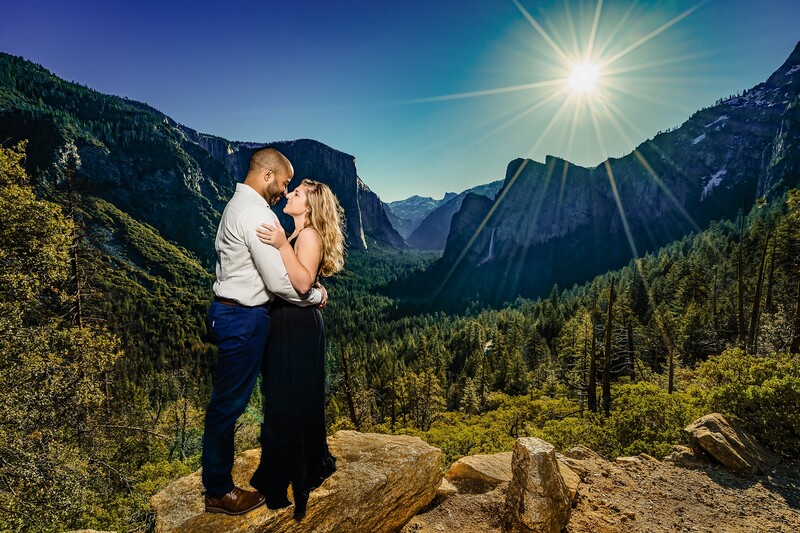
Photo by SMJ Photography at Yosemite National Park, California, USA
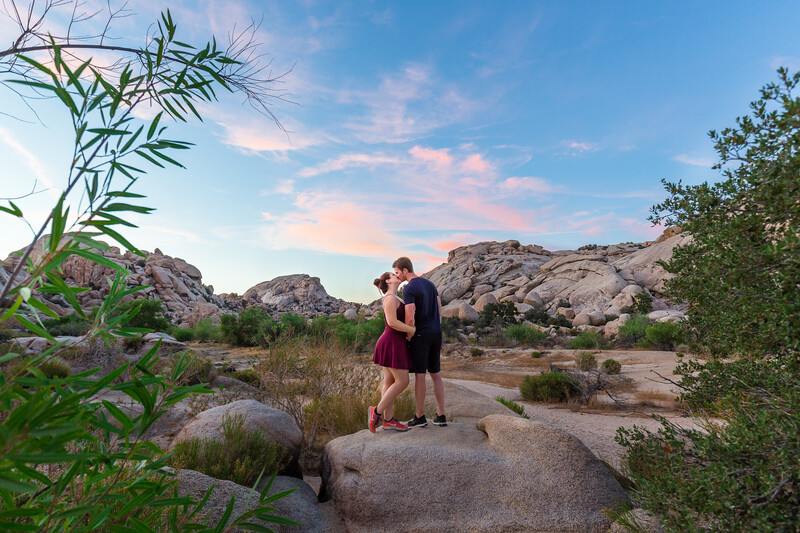
Photo by Stefani Ciotti at Joshua Tree National Park, Southern California, USA
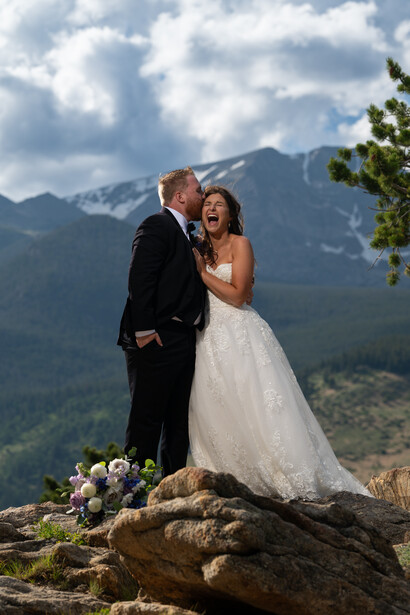
Photo by Gretchen Troop at Rocky Mountain National Park, Estes Park, Colorado, USA
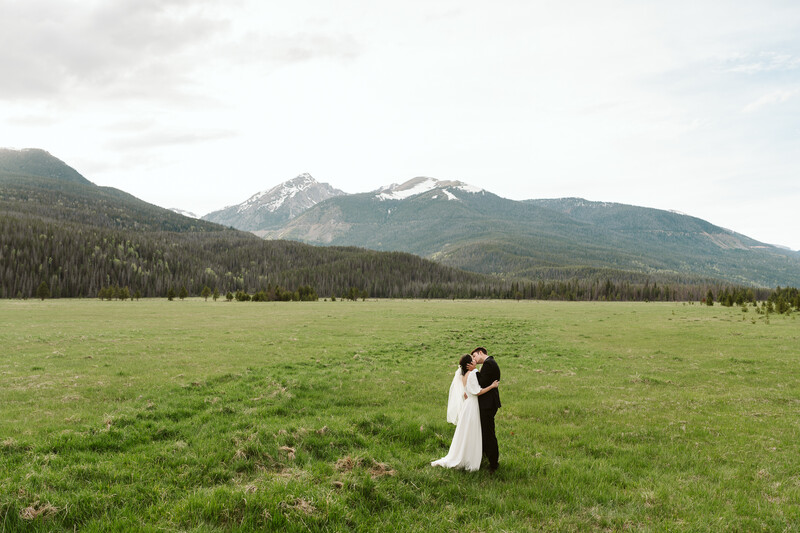
Photo by Larsen Photo Co at Rocky Mountain National Park, Grand Lake, CO, USA
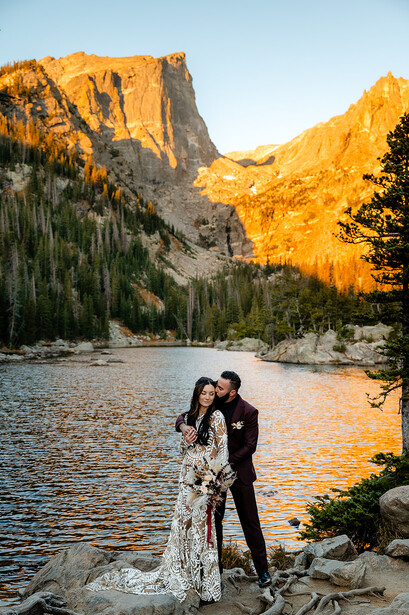
Photo by Authentic Collective at Rocky Mountain National Park, Colorado, USA
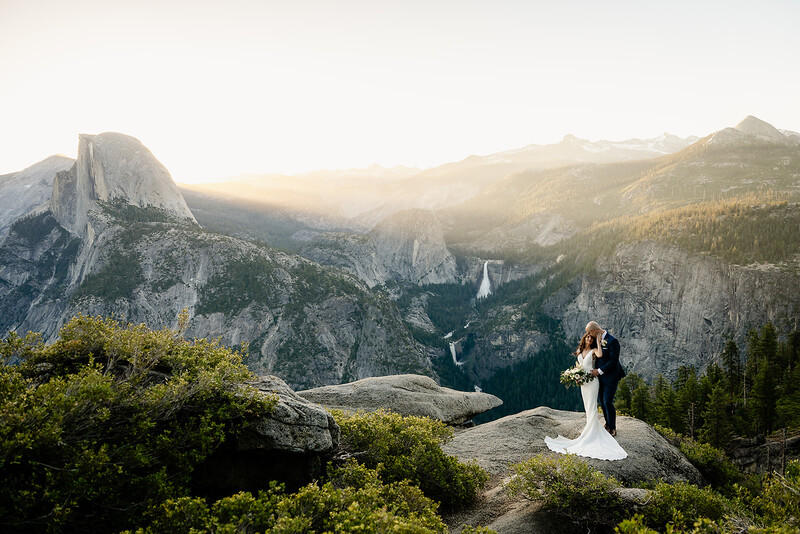
Photo by Authentic Collective at Yosemite National Park, California, USA
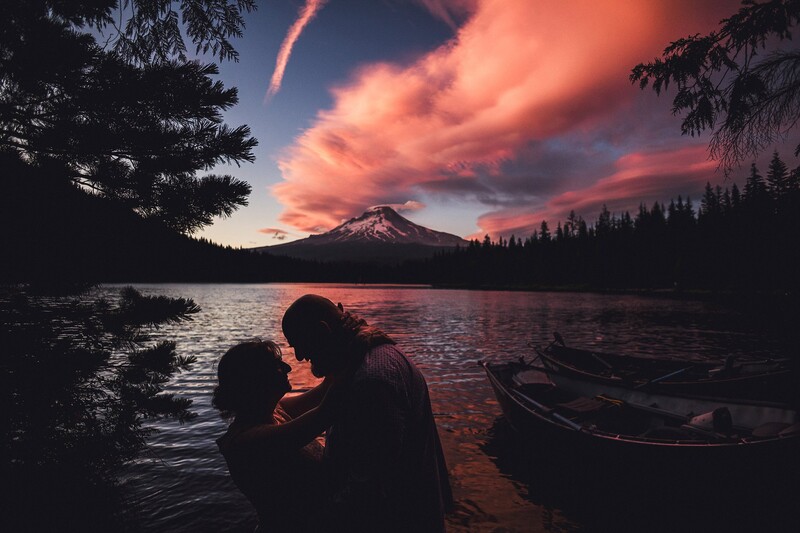
Photo by Tekoa Rose Photo at Trillium Lake, Mt. Hood National Forest, Mt. Hood, Oregon, USA
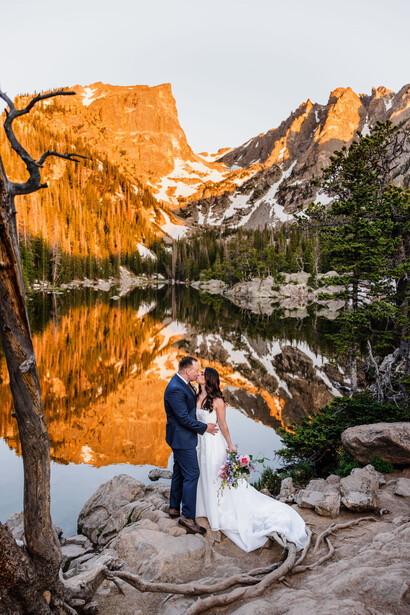
Photo by Vow of the Wild at Rocky Mountain National Park , Estes Park, Colorado, USA
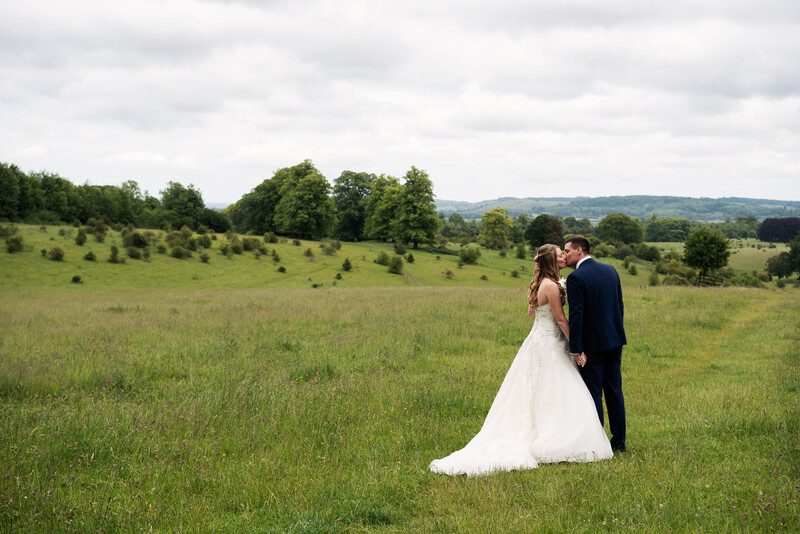
Photo by Andy Sidders Photography at Tring Park, Hertfordshire, UK
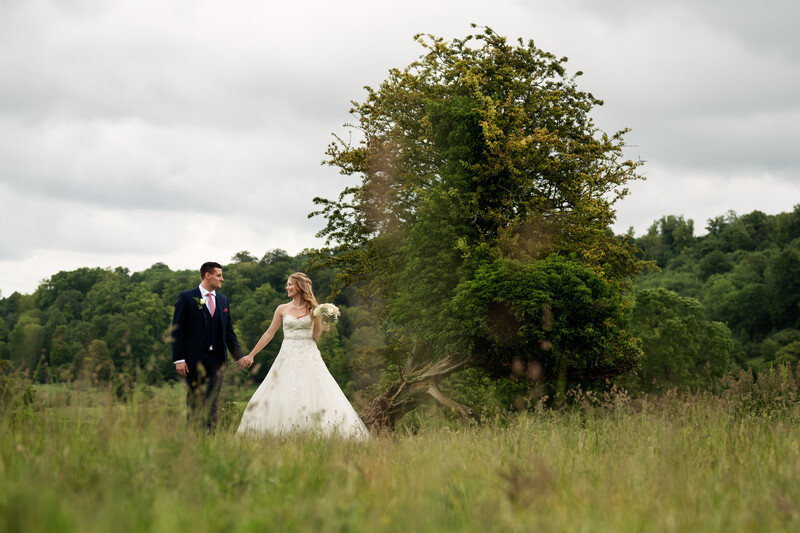
Photo by Andy Sidders Photography at Tring Park, Hertfordshire, UK
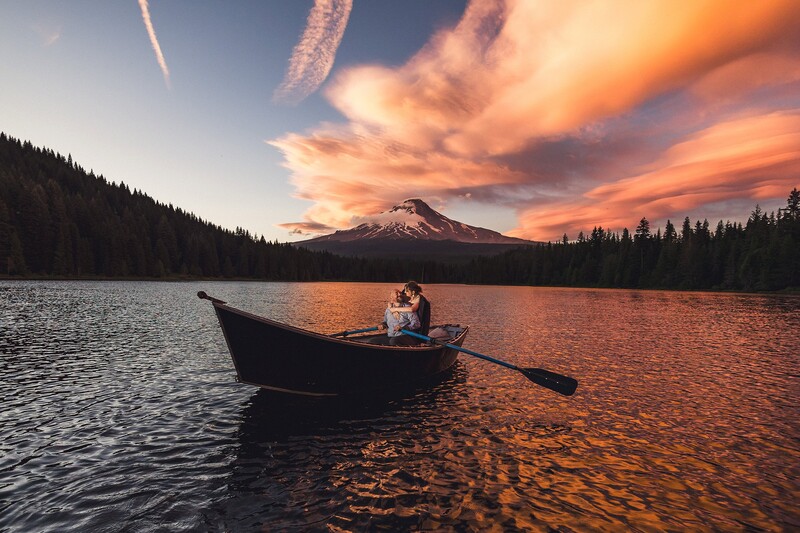
Photo by Tekoa Rose Photo at Trillium Lake, Mt. Hood National Forest, Mt. Hood, Oregon, USA
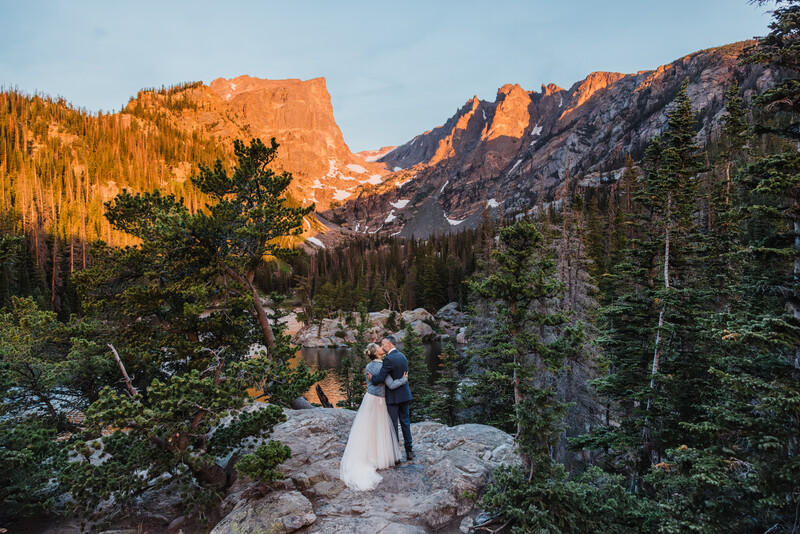
Photo by Vow of the Wild at Rocky Mountain National Park, Estes Park, Colorado, USA




Join the Fstoppers community for free
-
Post comments and join in the discussions
-
Browse the site ad-free
-
Share your work and get featured in the community
-
Compete in the photo contests for fun and prizes
4 Comments
The most important section of the article was the first one, the one about permits.
What was not mentioned in that section is that legally, the photographer will need to have a business license for each state in which he/she will be shooting.
So if you are going to shoot wedding photos in Yellowstone, and you are charging for your services, then in addition to the Special Use Permit from the park itself, you will also need a Business License from the state of either Wyoming, Montana, or both, depending on which location(s) you will be photographing at.
I thought point 1 changed with the EXPLORE Act: https://petapixel.com/2025/01/06/biden-signs-law-making-it-easier-to-ph…
What an excellent observation! After reading the details, it appears that this would mean that no type of wedding photography in a national park would ever be subject to permit requirements. I think the author, Pye Jirsa, must have been completely unaware of this when he wrote this article.
One should be aware that many state parks are still subject to stringent permit requirements, and that state business licenses are still required for a photographer to conduct any commercial activity anywhere within a state, whether it is in a national park, national forest, state park, on private land, art fair in a public place, etc.
Great point! I missed this update. You're right. It appears that as long as the team consists of 5 or fewer members (including photographers and videographers, which can quickly build up a team of 5-6), no permit will be required. This also depends on other factors, like accessing exclusive spots, using extensive gear, and so on. Good to know. I'll look into updating this point in the article. Thanks for the info/link!