
There have been plenty of times over the years when I have had to say the same thing to myself.
Wake up. Get out of your funk. Go do something different.
Sometimes I say it after weeks of shooting the same type of image. Other times it comes after feeling strangely disconnected from photography altogether. The camera still comes with me, the locations are still good, and technically the photographs are perfectly fine, but something feels missing.
I think most photographers experience this at some stage, whether they admit it or not.
The dangerous part about a photography rut is that it often develops quietly. You do not suddenly wake up one morning completely uninspired. Instead, things slowly become repetitive. You revisit the same locations, use the same focal lengths, edit the same way, and eventually stop challenging yourself creatively.
The problem is not only that your photography stops progressing. Often your mindset does too.
That might sound dramatic, but I genuinely believe photography and personal growth are closely connected. The way we approach challenges behind the camera often reflects how we approach challenges in life generally. If we constantly avoid discomfort, avoid risk, or avoid trying something unfamiliar, eventually we stop growing altogether.
I know that sounds like one of those motivational quotes people throw around online, but I have seen the truth of it repeatedly in my own photography journey.
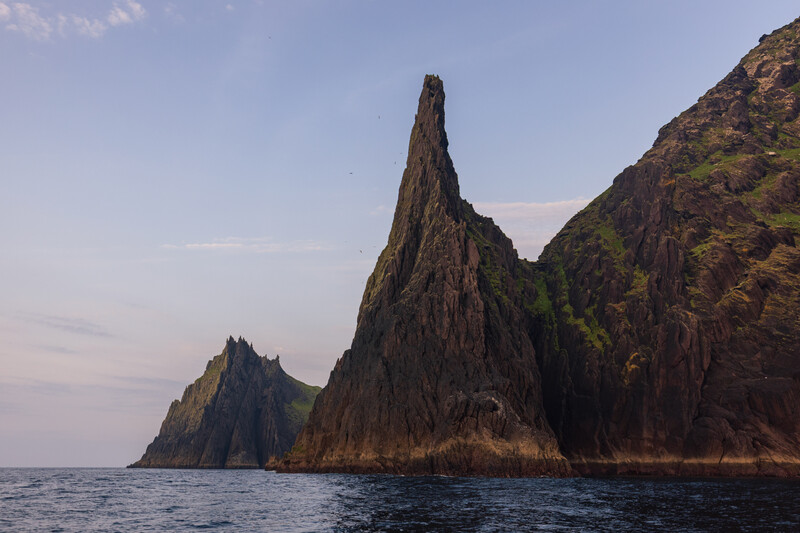
“Do Something Every Day That Scares You”
Most people have heard the phrase before: do something every day that scares you.
The first time I heard it, I assumed it meant doing extreme things or constantly pushing yourself into uncomfortable situations. The older I get, the more I realize the idea is actually much simpler than that.
It is about deliberately stepping outside of your comfort zone often enough that you continue learning and adapting rather than becoming stagnant.
That discomfort does not need to be dramatic.
Sometimes it is as simple as trying a new style of photography. Photographing people instead of landscapes. Using a focal length you normally avoid. Visiting a location in conditions you would usually stay home in. Even showing your work publicly for the first time can feel uncomfortable for some photographers.
The point is not fear itself. The point is growth.
The reason this matters so much in photography is that photography naturally exposes weaknesses in our confidence and habits. The camera becomes a mirror for how willing we are to experiment, fail, and adapt.
I have learned far more from situations where I felt uncertain than from situations where everything felt easy.
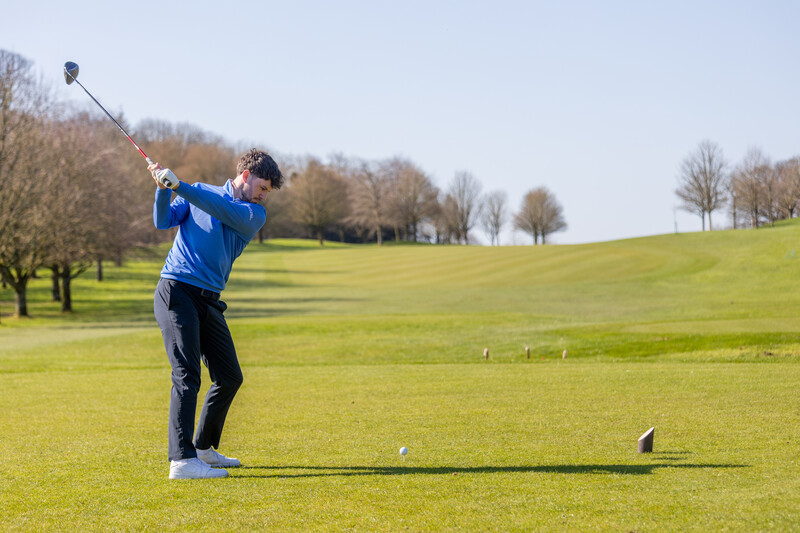
Comfort Zones Are Useful Until They Become Permanent
One thing I noticed in my own photography was how easy it became to repeat familiar routines.
Landscape photography especially can fall into predictable habits very quickly. You learn your preferred locations, your favorite compositions, and the conditions you are comfortable working in. Before long, you start operating almost entirely within that safe space.
There is nothing inherently wrong with familiarity. Experience matters, and returning to locations repeatedly can absolutely improve your understanding of them.
The issue begins when familiarity turns into avoidance.
If you stop trying new things because you are worried you might not be good at them immediately, then growth slows down very quickly.
I think a lot of photographers unknowingly reach that stage. They continue taking photographs, but creatively they are standing still. The excitement begins fading because there is no challenge involved anymore.
That is usually when photography starts feeling repetitive rather than fulfilling.
Photography Is Actually an Incredible Tool for Personal Growth
One thing I genuinely believe is that photography teaches far more than camera settings and composition.
Every genre of photography develops problem-solving skills in different ways.
Wedding photographers learn how to adapt quickly under pressure because no wedding day ever goes completely to plan. Portrait photographers learn communication and confidence because working with people requires both. Wildlife photographers learn patience and observation because nature rarely cooperates on demand.
Landscape photography teaches resilience in a different way.
You can plan everything perfectly and still fail because conditions simply do not align. You can drive for hours, climb hills in bad weather, wake up at ridiculous hours, and still come home with nothing portfolio-worthy. That unpredictability teaches patience and adaptability whether you realize it or not.
The interesting thing is that many of those skills transfer into completely different areas of life and photography.
That became very obvious to me the first time I seriously photographed people.
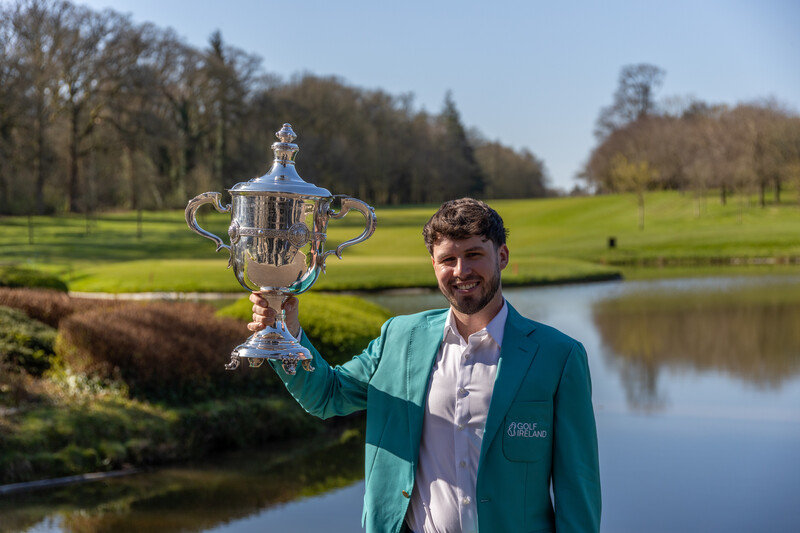
The Portrait Photography Experience That Changed My Perspective
For years I joked that I only photographed landscapes because rocks do not need posing.
Honestly, I fully believed that too.
I had convinced myself that portrait photography simply was not for me. Landscapes felt comfortable because they suited my personality and my working style. I understood light, composition, and natural environments. Photographing people felt far outside my comfort zone.
Then I was asked to photograph my niece.
My first instinct was to say no immediately because I genuinely did not think I could do it properly. But because I was expected to at least try, I decided to give it a go rather than avoid it completely.
What surprised me most was realizing that the skills I had developed through landscape photography still mattered.
Understanding light still mattered. Composition still mattered. Positioning subjects within the environment still mattered. Even reading weather and background conditions transferred naturally into portrait work. If you want to build real confidence with people in front of the lens, a structured resource like the Skin Retouching Course for Beauty, Fashion, and Portrait Photography can shorten the learning curve considerably.
Was I suddenly a professional portrait photographer afterward? Of course not.
But I realized something important that day. The comfort zone I had built around landscape photography was partly artificial. I had assumed my skills only applied within one specific discipline because I had never challenged that assumption properly.
More importantly, I actually enjoyed the process.
That single experience pushed me into trying other forms of photography afterward that I previously would have avoided entirely.
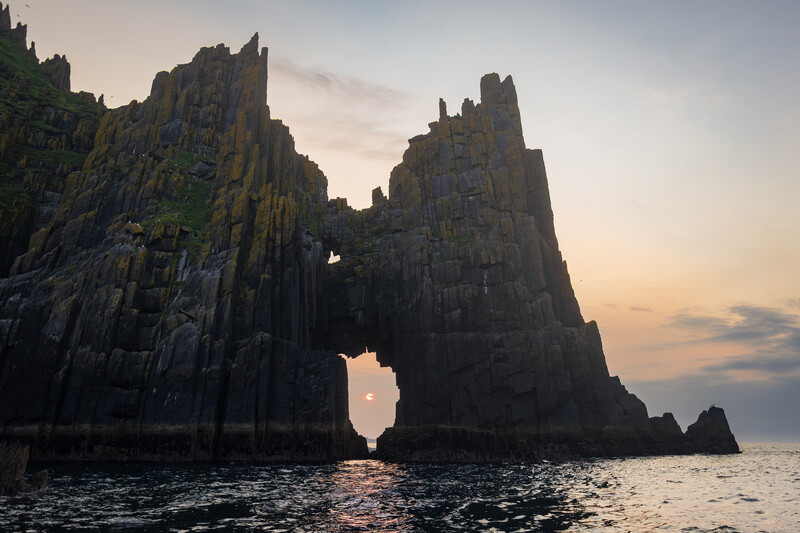
Routine Is Comfortable, but It Can Also Become a Trap
I think routines are dangerous when they become automatic.
The easiest example is travel. A lot of people return to the exact same holiday destination every single year because it feels safe and familiar. They know the restaurants, the roads, and the surroundings, so there is very little uncertainty involved.
Photography can become exactly the same.
You revisit the same compositions because you know they work. You shoot the same focal lengths because they feel familiar. You edit the same way because the results are predictable.
Eventually, though, predictability often becomes boredom.
Some of the biggest creative breakthroughs I have had came from situations where I initially felt uncomfortable or uncertain. New locations, difficult weather, unfamiliar subjects, or different styles of photography all forced me to think differently.
That challenge is healthy.
Without it, photography can quietly become more about repetition than curiosity.
Failure Is Usually Part of the Process
One reason photographers avoid trying new things is that beginners rarely produce their best work immediately.
That sounds obvious, but ego often gets in the way.
Once you become reasonably competent within one genre of photography, it can feel uncomfortable being inexperienced again somewhere else. You suddenly lose the confidence that familiarity provides.
I felt exactly that when trying portrait photography initially.
The important thing is understanding that temporary discomfort is often the price of growth.
Every photographer you admire was once inexperienced. Every skill you currently have once felt awkward and unfamiliar too.
I think photographers sometimes forget that.
The goal is not to immediately master every new challenge. The goal is simply to keep stretching your perspective often enough that you continue evolving creatively.
Photography Ruts Usually Need Action, Not Motivation
One thing I have learned over time is that waiting to “feel inspired” again rarely works.
Action usually comes first.
Some of my most enjoyable photography experiences happened because I forced myself out with the camera even when motivation was low. Sometimes the simple act of trying something different is enough to break the cycle completely.
Try macro photography for a day. Photograph local wildlife. Shoot black and white only. Visit a location you normally ignore. Leave your favorite lens at home. Photograph a familiar place in terrible weather instead of ideal conditions.
The actual activity matters less than disrupting routine.
Creativity often returns once movement returns.
Henry Ford Probably Had a Point
There is a quote often attributed to Henry Ford that says: "If you always do what you've always done, you'll always get what you've always got."
Whether discussing photography or life generally, I think there is a lot of truth in that idea.
Growth usually requires some level of discomfort, uncertainty, or experimentation. If we constantly stay within familiar boundaries, results become predictable very quickly.
Photography should challenge us occasionally.
Not because struggle itself is valuable, but because challenge forces adaptation, and adaptation is where learning happens.
Are You Stuck?
If you feel stuck in photography right now, the solution may not be new gear, better locations, or more editing tutorials.
Sometimes the answer is simply doing something different.
That could mean trying a new genre, revisiting photography after time away, experimenting with uncomfortable conditions, or just approaching familiar subjects differently.
For me, the biggest periods of growth always came after moments where I pushed beyond what felt safe or familiar.
The uncomfortable part rarely lasts long. But the lessons you learn from it often stay with you for years.
Photography has an incredible ability to reveal things about ourselves if we allow it to.
Sometimes all it takes is getting up, picking up the camera again, and giving yourself permission to be uncomfortable for a while.
That is usually where progress begins.
Let's continue this conversation in the comments below.
Join the Fstoppers community for free
-
Post comments and join in the discussions
-
Browse the site ad-free
-
Share your work and get featured in the community
-
Compete in the photo contests for fun and prizes
No comments yet