
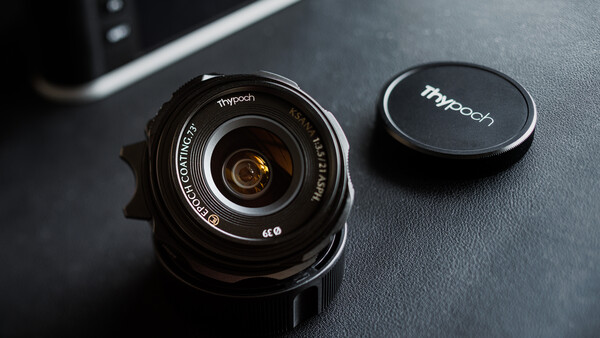
Thypoch has been slowly making a name for itself in the industry and is no stranger today to creating modern manual lenses that pay homage to classic lenses—starting with the Simera, Eureka, and now the Ksana. The 21mm f/3.5 Asph is Thypoch's first entry in the new "Ksana" series, designed to be an ultra-light and compact everyday lens with vintage rendering. If you must know, the name Ksana comes from the Sanskrit word Kṣaṇa (क्षण /ˈksɑːnə/), representing the eastern concept of the "instant" or the duration of a sudden enlightenment.
Build Quality
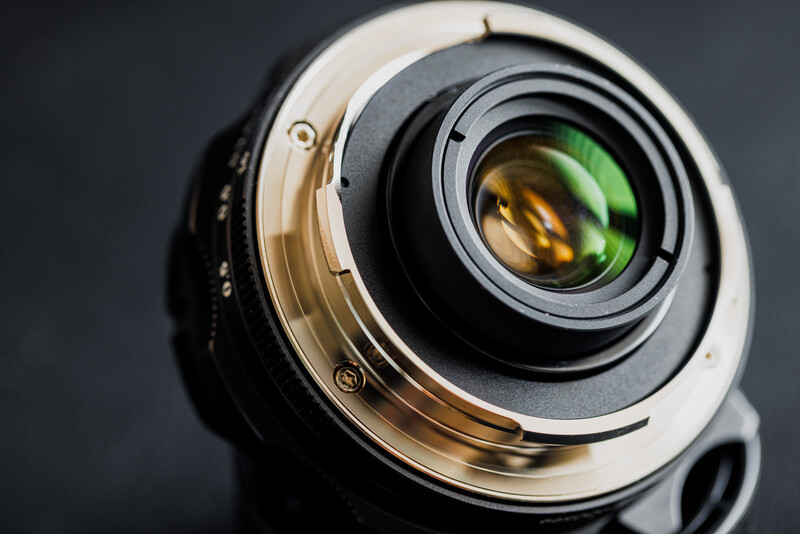
You can feel the amount of effort that went into designing the lens the first time you handle it. Starting with the packaging itself, it arrives in a nicely designed box, setting the tone for how seriously this lens should be taken. The Ksana 21mm is designed to match its ultra-compact, simple, and lightweight philosophy while still being solidly built, as there are visibly no plastic parts here—even the lens cap is made of metal. While Thypoch did not reveal its construction material, my best guess is that the barrel is made of black-anodized aluminum and a chrome brass rear mount.
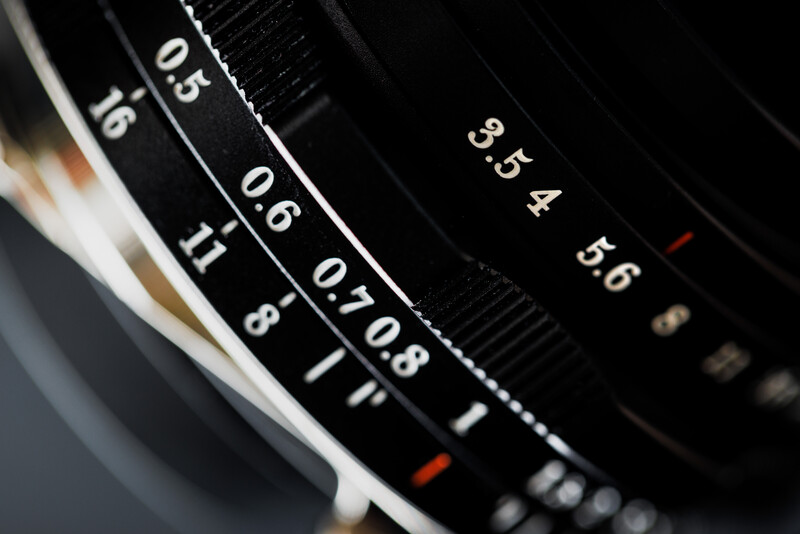
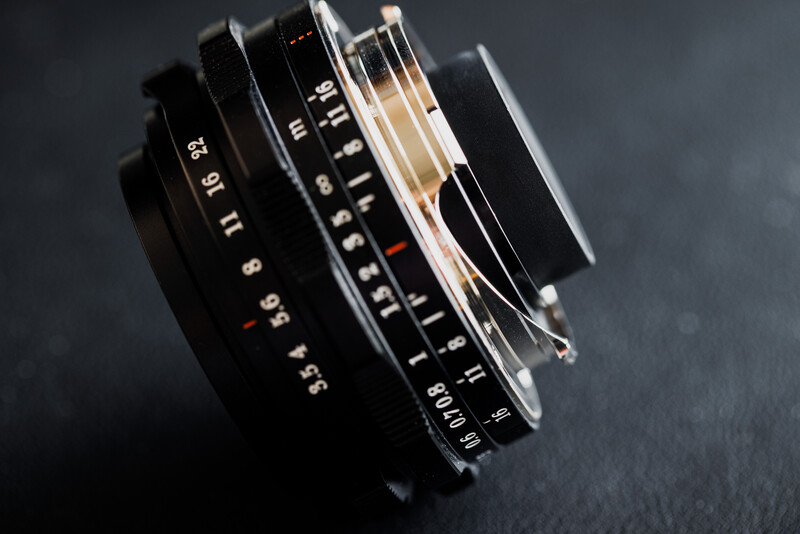
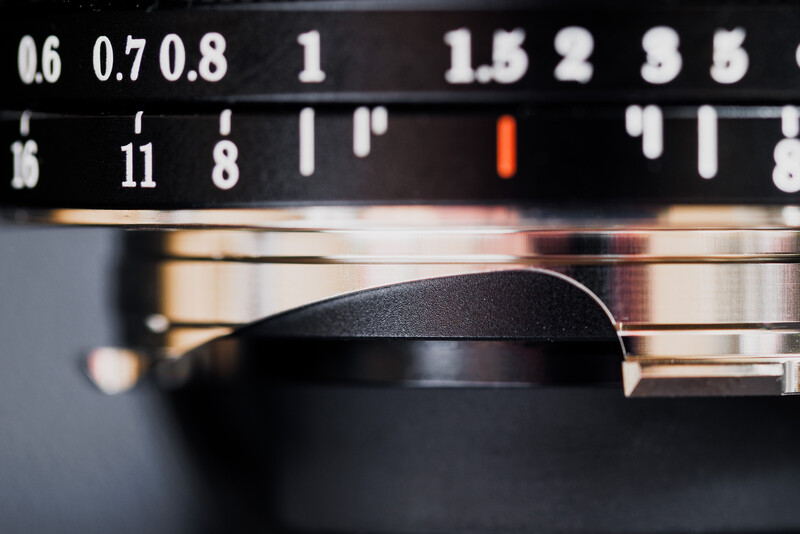
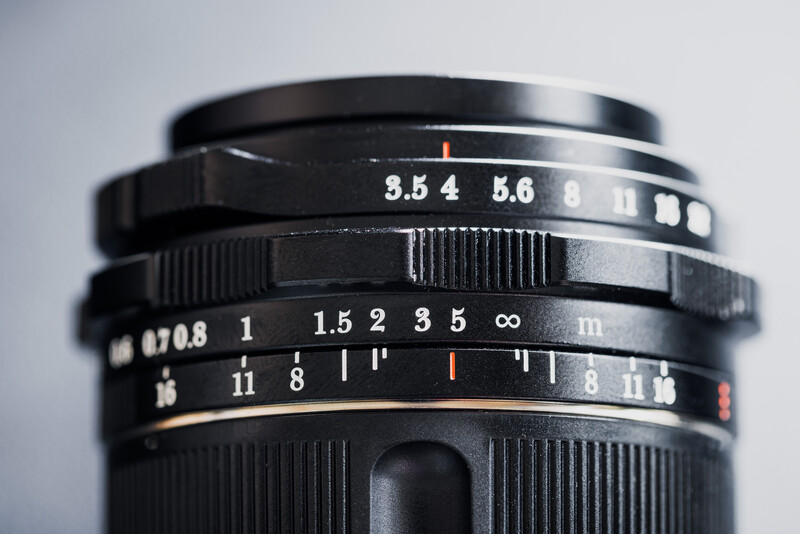
The lens cap itself is friction-held and has just the right amount of resistance for it to not fall off—it feels very satisfying to put on. On the body of the lens, you can also find the focus scale, focus distance, and aperture reading engraved onto the barrel, which further contributes to the premium look. Though I have to say, I am not really a fan of the unusual font used on the lens markings—it feels a little playful.
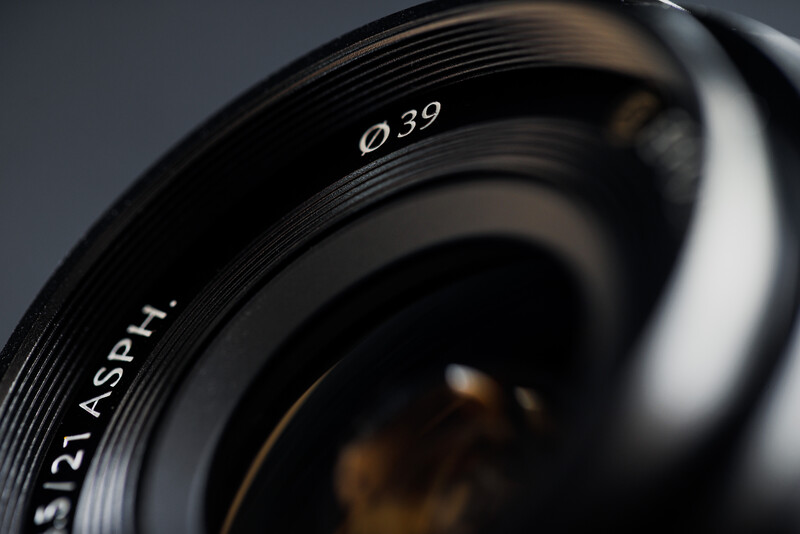
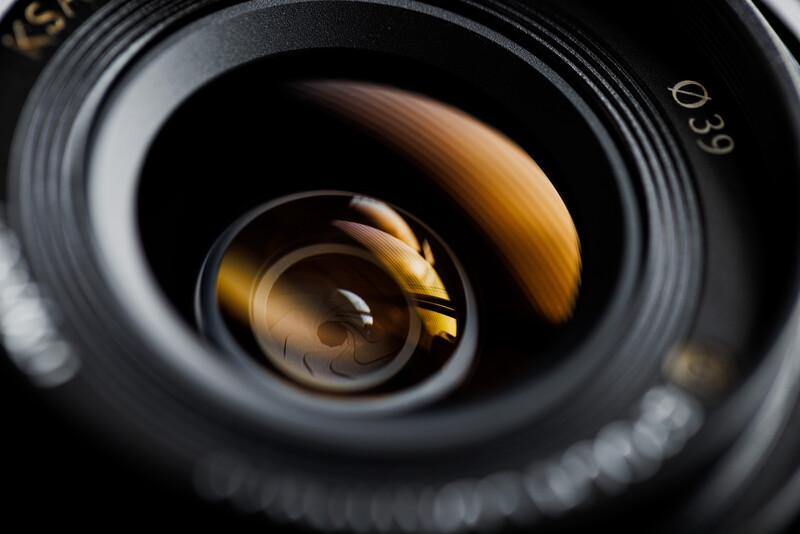
Size is where the Thypoch Ksana 21mm f/3.5 Asph really shines. It is genuinely tiny for a lens that covers a full frame sensor, measuring only about 1.65 inches in width and 1.07 inches in thickness. When mounted on a Leica M rangefinder, it only protrudes roughly 27 mm. Combined with a weight of just 131 g, this is the kind of lens you can effortlessly leave on your camera all day without ever thinking about it. The 39mm filter thread is another practical decision. Filters in this size are common for rangefinder lenses and are easy to find if you need any.
This is also an internal focusing lens; externally, there are no other moving parts other than the scalloped focusing barrel and aperture adjustment ring. Since the lens is quite compact, both the focus and aperture rings are also quite narrow and almost identical in diameter. Therefore, it's easy to accidentally grab the wrong ring while adjusting the other. Though I have to say, the scalloped focusing ring is great for focus adjustments when you are not using the focusing tab, as it adds enough surface area to confidently hold onto the barrel.
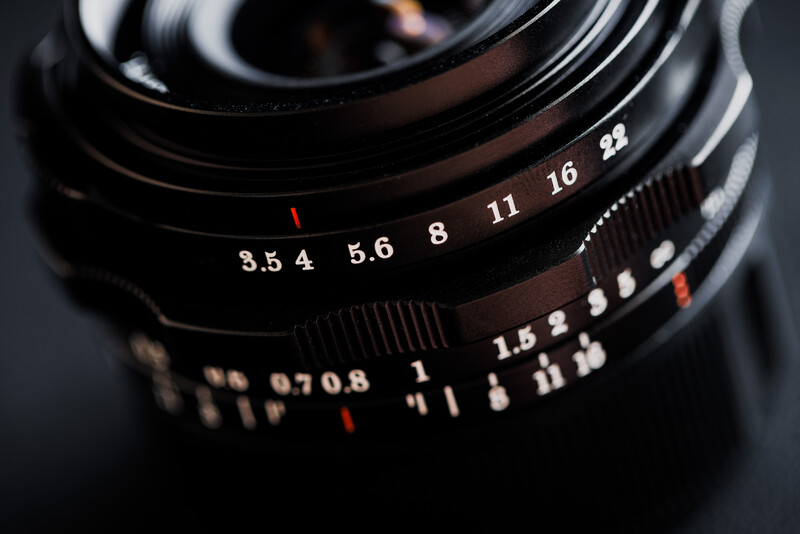
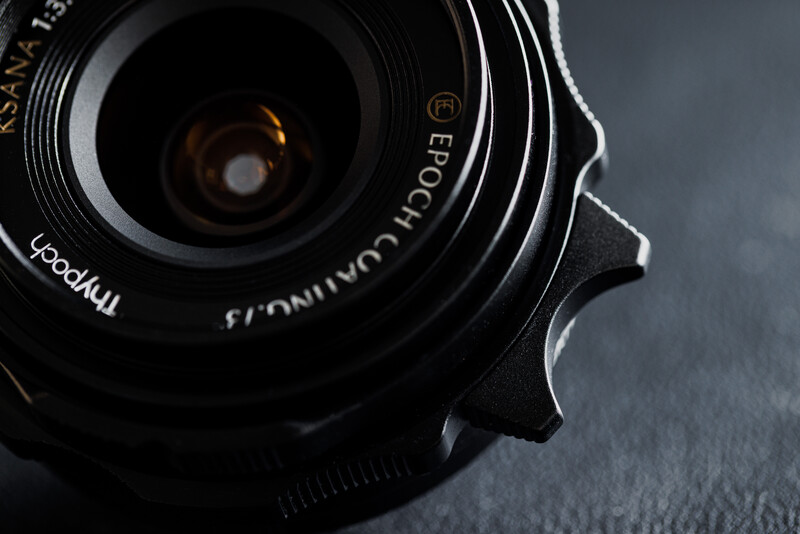
This is also where things get a little nuanced. As the lens is so slim, it does not provide enough non-moving surface area to grip when mounting or unmounting. In practice, you will most likely end up rotating the focus ring all the way to the end to leverage the scalloped barrel to mount the lens. Over time, I can't help but feel this might not be the best thing for the internal helicoid, especially with repeated use. My unit has already developed some play after a few rounds of mounting. Luckily, it does not affect the actual focusing yet.
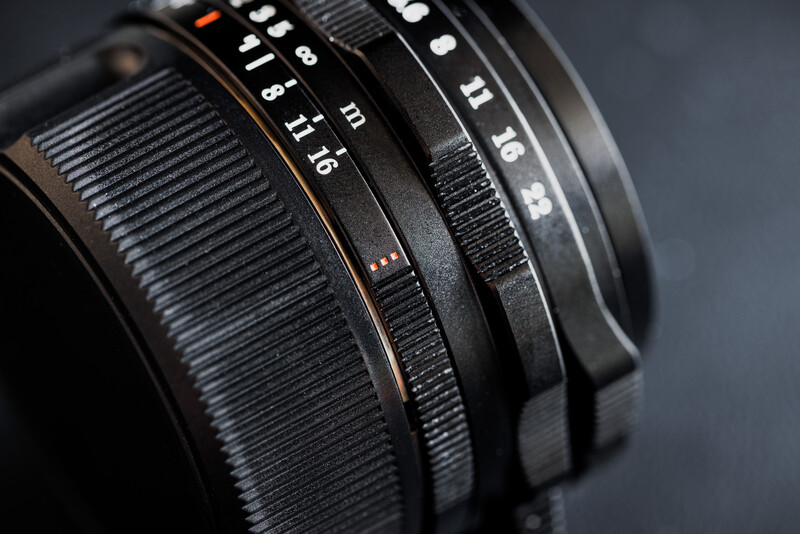
To improve things and keep it aesthetically pleasing, I would suggest Thypoch keep the focusing tab, replace the scalloped ring with a smooth one so that the focus distance scale can be moved upwards, and halve the focusing ring—that would effectively double the non-moving surface area for better gripping. For a small lens like this with a small focus throw, we will most likely be relying on the focus tab. My second suggestion would be to extend the non-moving surface upwards while leaving a gap for focus scale reading and make the focusing barrel rotate underneath. That way, we get to keep the scalloped rings, but the lens may not look as sleek.
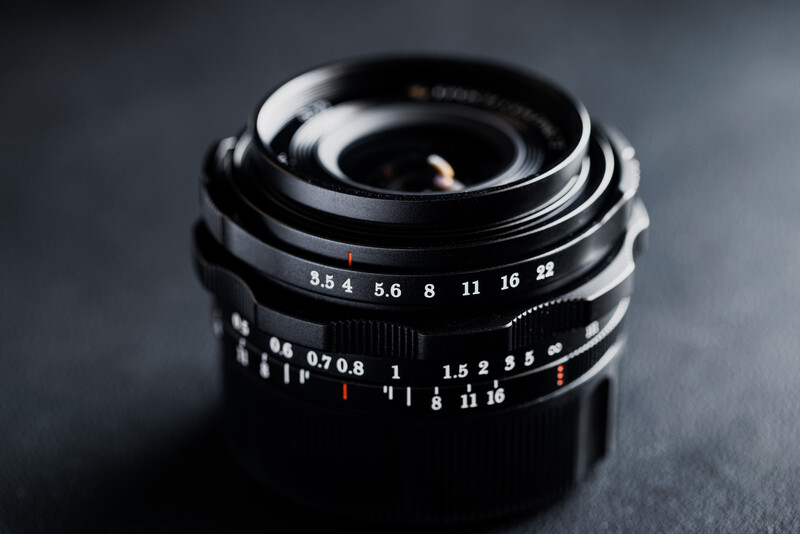
That said, on the mechanical side of things, there is something worth praising. The barrel is smooth with just the right amount of damping. It's loose enough to allow quick focus adjustments, but not so loose that you lose precision. It strikes a really nice balance—arguably exactly how a manual focus lens should feel. The aperture ring uses a one-stop indicator with solid, equidistant, clickable half-stop increments. One thing worth noting is that the rear element does protrude more than you might expect, which is something to be aware of depending on how you handle or store the lens.
Features
At its core, the Ksana 21mm is a full manual focus lens embracing the classical workflow, offering a 90.6° horizontal field of view on a full frame camera, which is impressively wide considering its size. Focusing is where things get a bit more interesting, especially for a rangefinder lens. The lens focuses down to 0.5 m, which is actually quite decent for an M-mount lens, which usually stops at 0.7 m. But for a 21mm lens in general, it's not particularly groundbreaking, as many will go even closer. Practically, I don't really see myself needing more than 0.5 m on a lens this wide because, realistically, there will not be any dramatic magnification here. It is still 21mm after all.
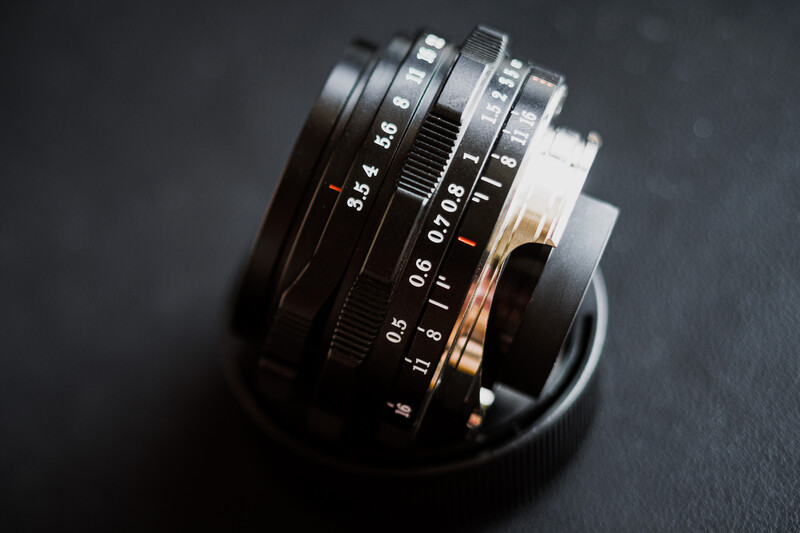
For rangefinder users, Thypoch thoughtfully included a tactile click at 0.7 m to act as a reminder to switch over to EVF or live view at the point where the rangefinder coupling ends. The click itself is subtle but noticeable enough not to be intrusive, especially if you are adapting this lens to a mirrorless system. Though I think those using a rangefinder would appreciate a deeper click, closer to the tactile feedback you get from the aperture ring. The focus throw is about 100° from the minimum focus distance to infinity, which is just nice for using the focusing tab for quick adjustments.
Optically, this lens leans more toward a modern design philosophy. It uses an eight-element, six-group construction, which includes one aspherical element, two extra-low dispersion elements, and three high refractive index elements. On paper, this lens configuration is all about controlling chromatic aberrations and maintaining consistent sharpness across the frame. This allows you to get high-quality results with good contrast and resolution, even at maximum aperture.
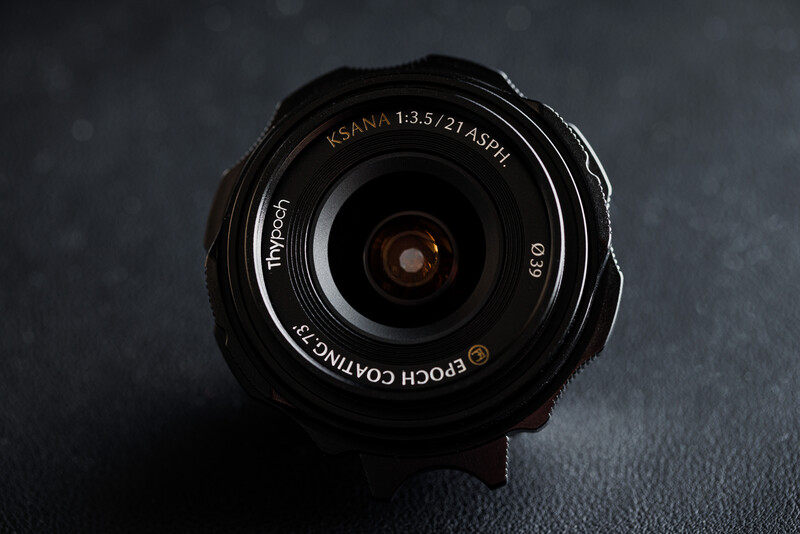
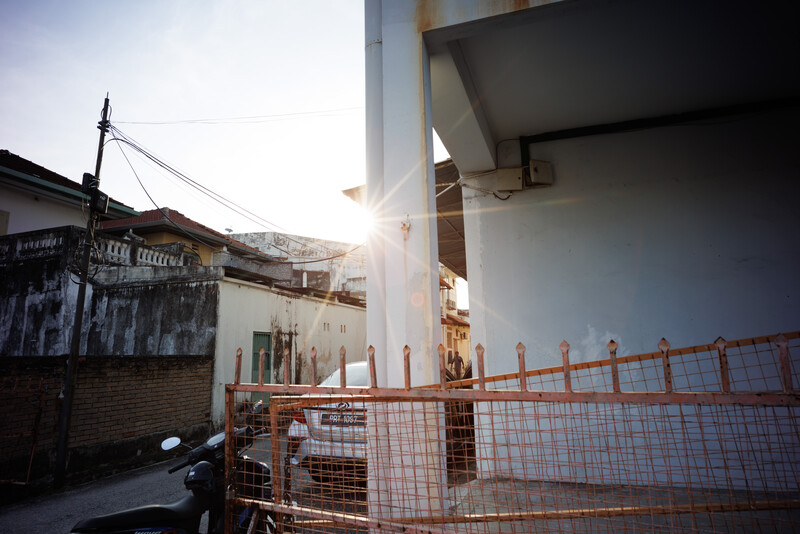
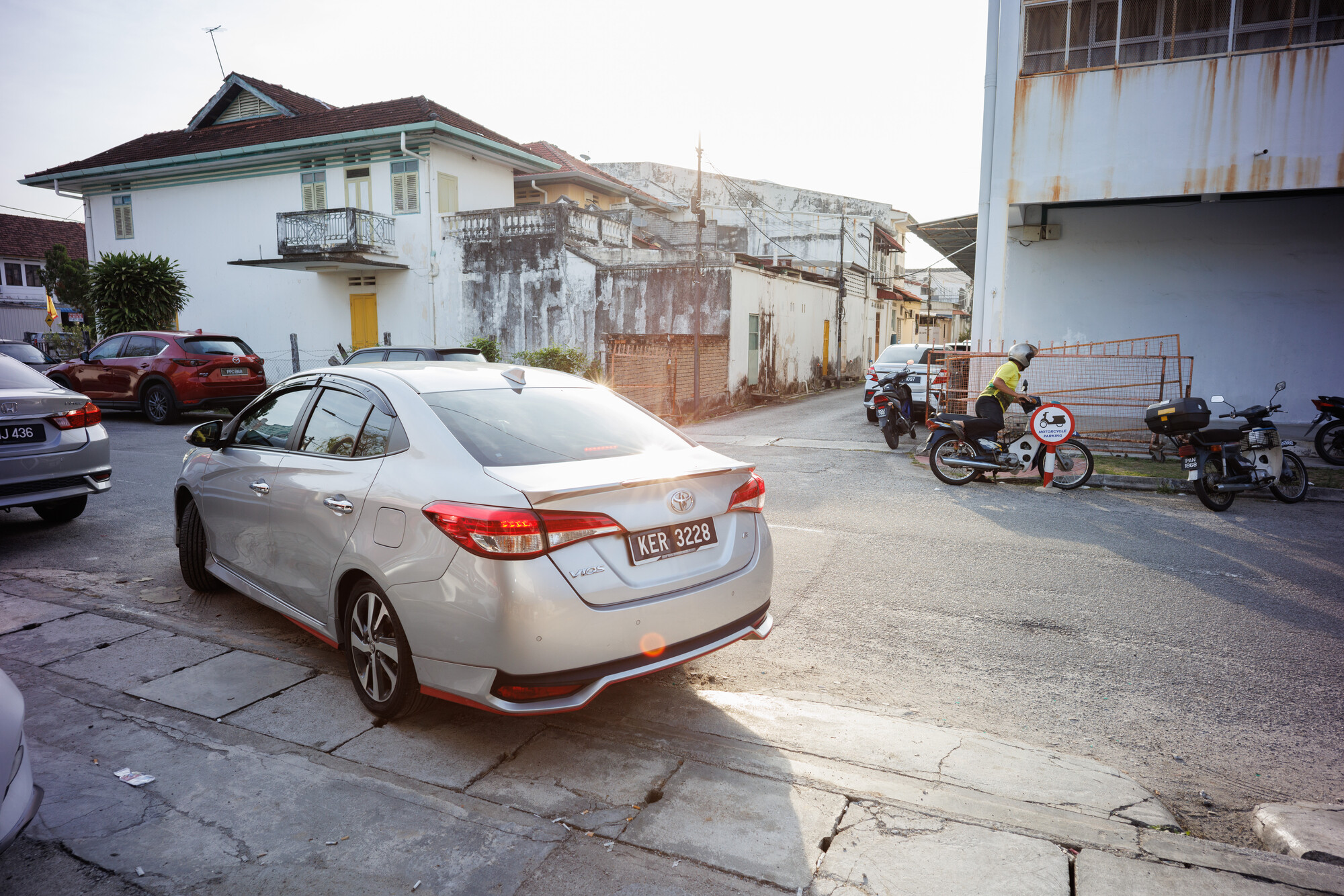
Now, this is what the Ksana 21mm is built for. At the front of the lens, you are going to notice the distinctive warm golden coating, and it is Thypoch's latest coating, which they call the Epoch Coating 73. This coating is supposedly inspired by Canon's FD lenses from 1973. The idea here is to produce warmer lens flare under certain lighting conditions to give the image some character through the coating. When combined with the 9-blade aperture, the lens is capable of producing very pleasing sunstars, especially from f/4 onwards. This is definitely one of those lenses that inspires you to go out shooting, as it blends modern optical performance with a few deliberate nods to older rendering characteristics.
Real-World User Experience
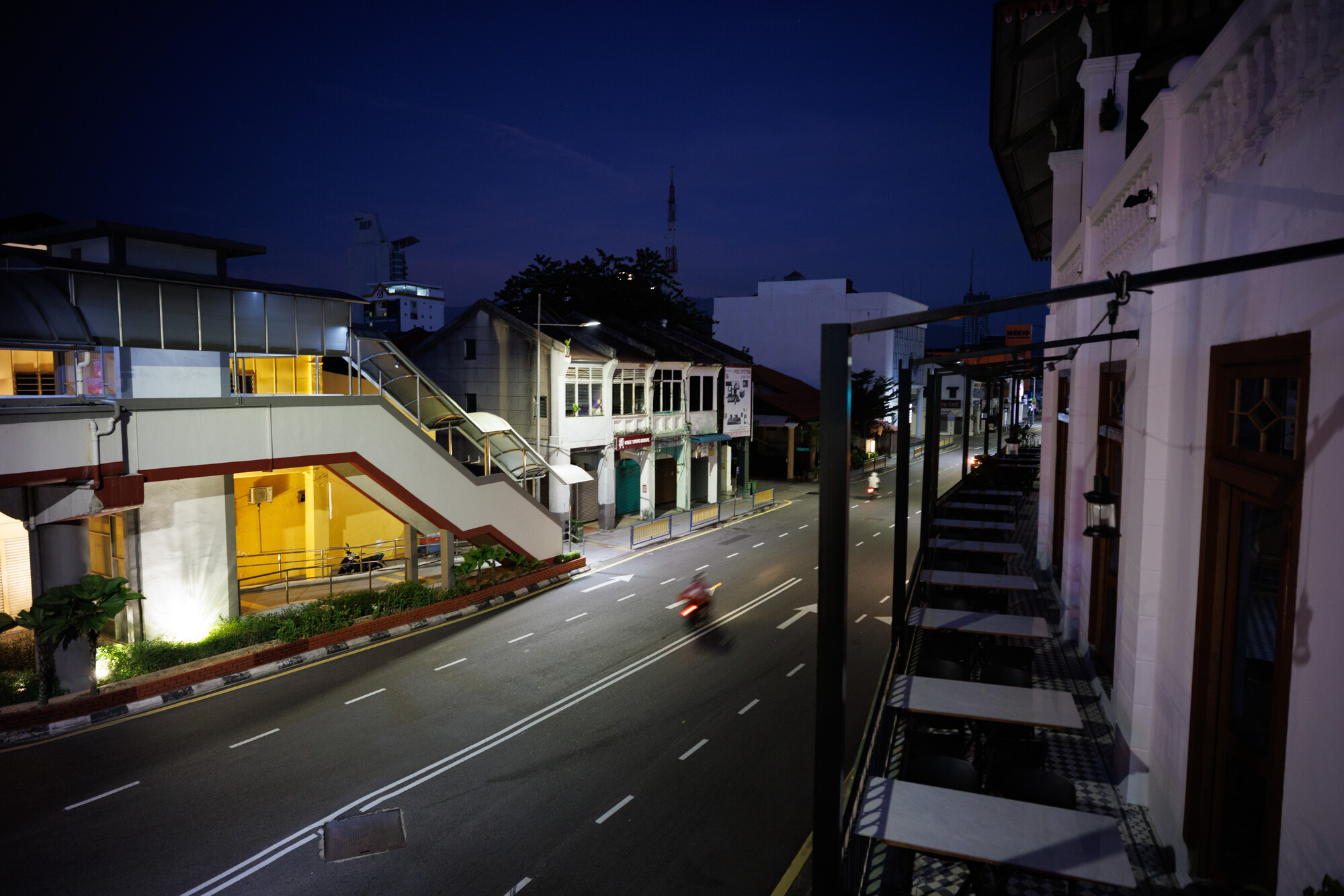
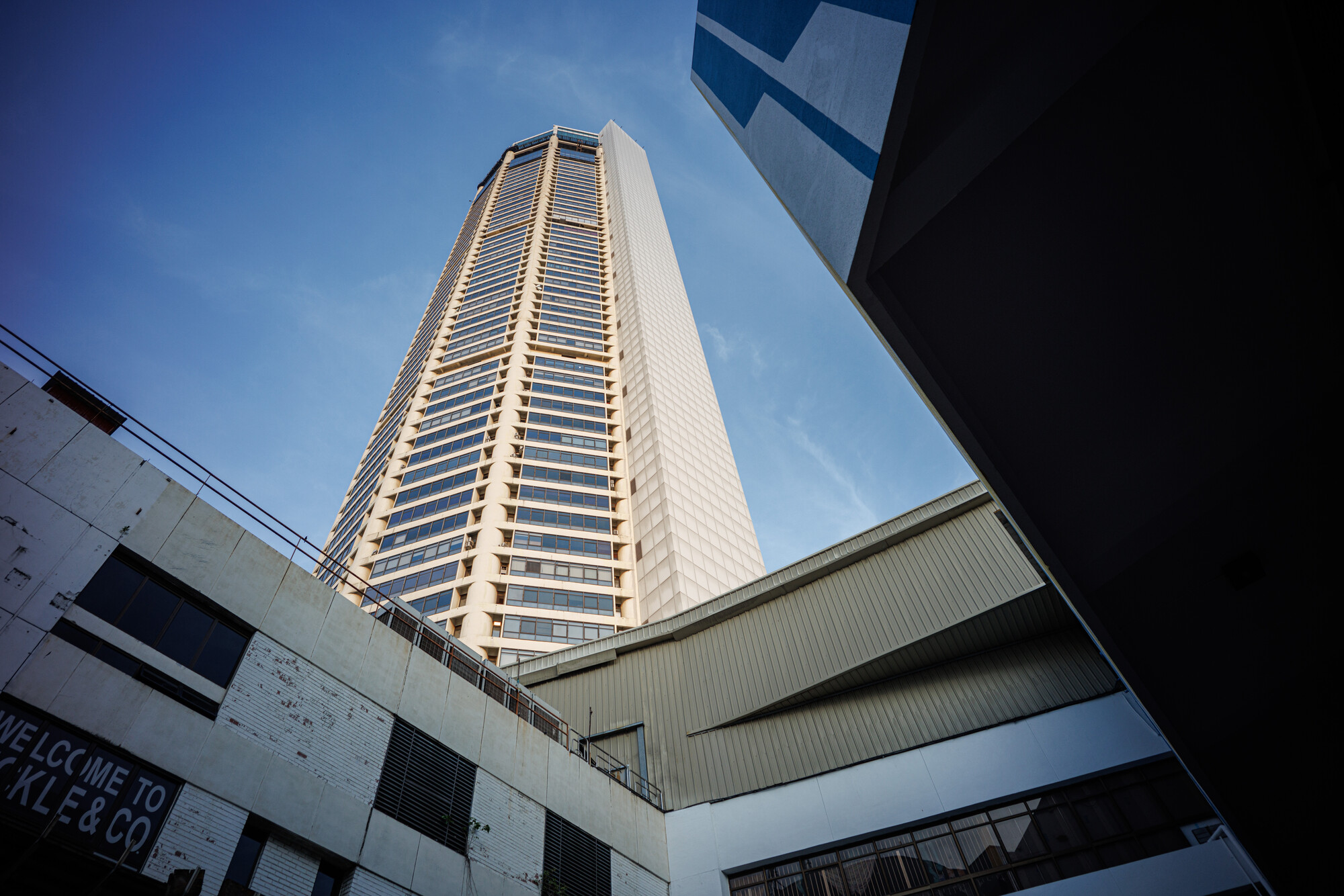
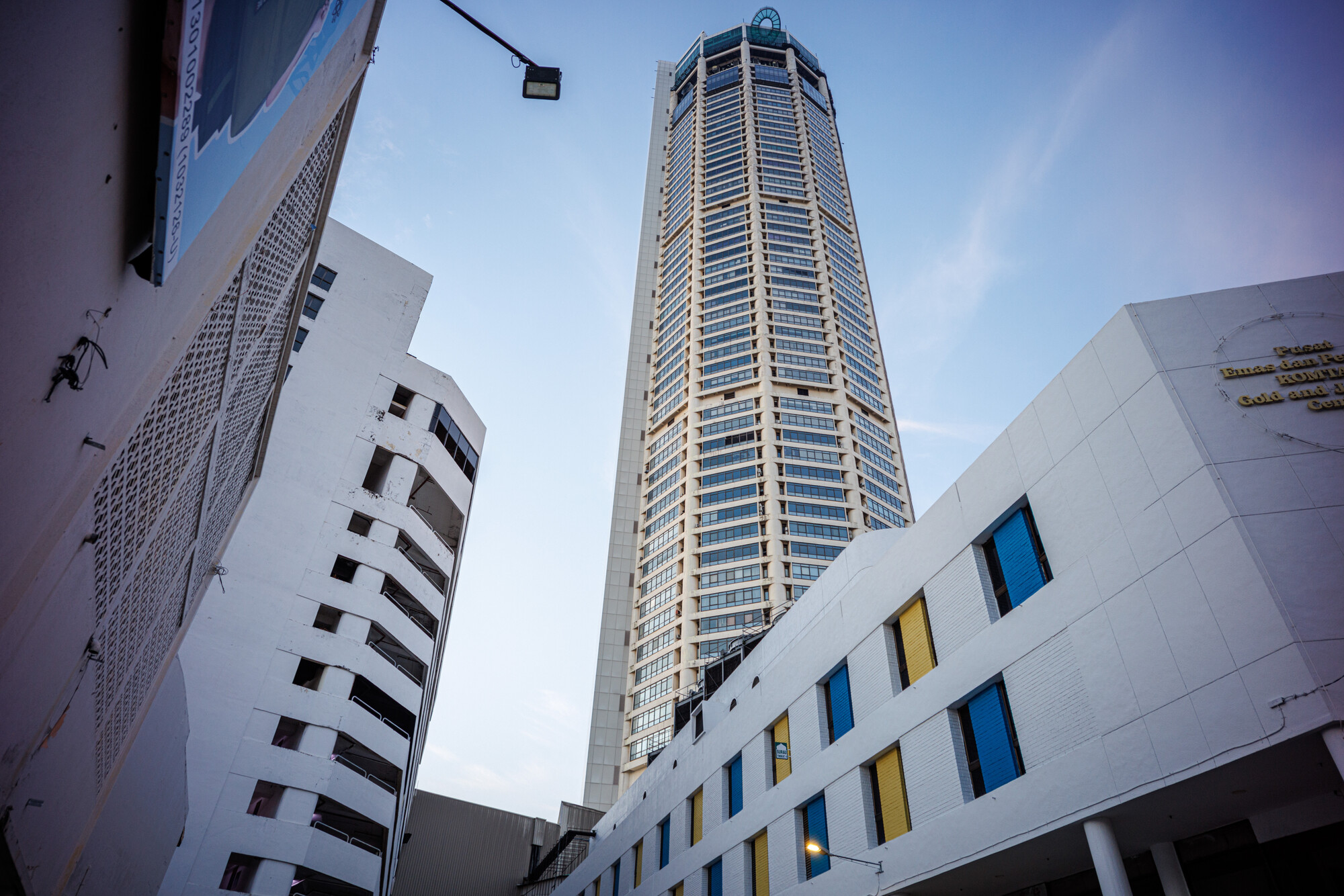
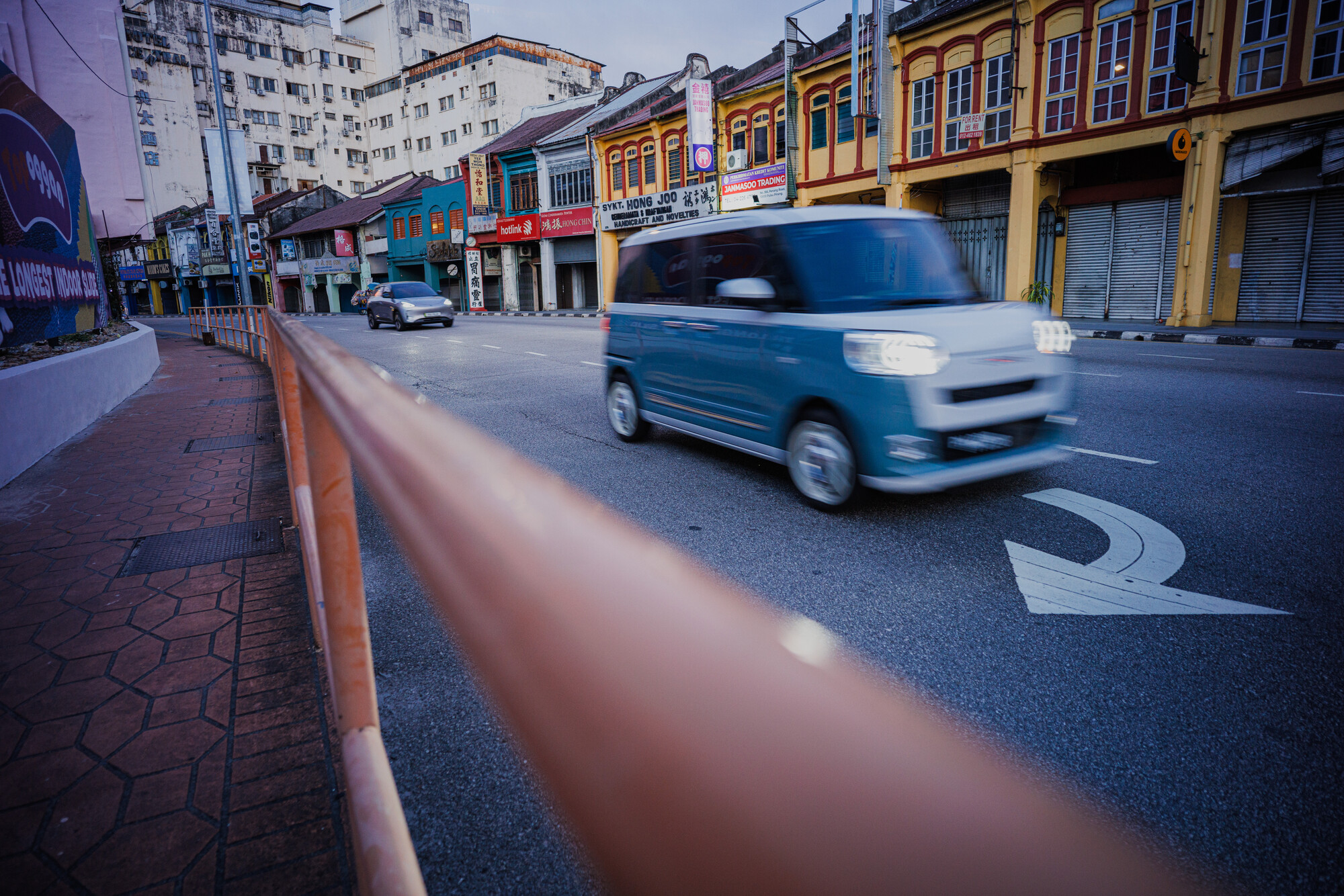
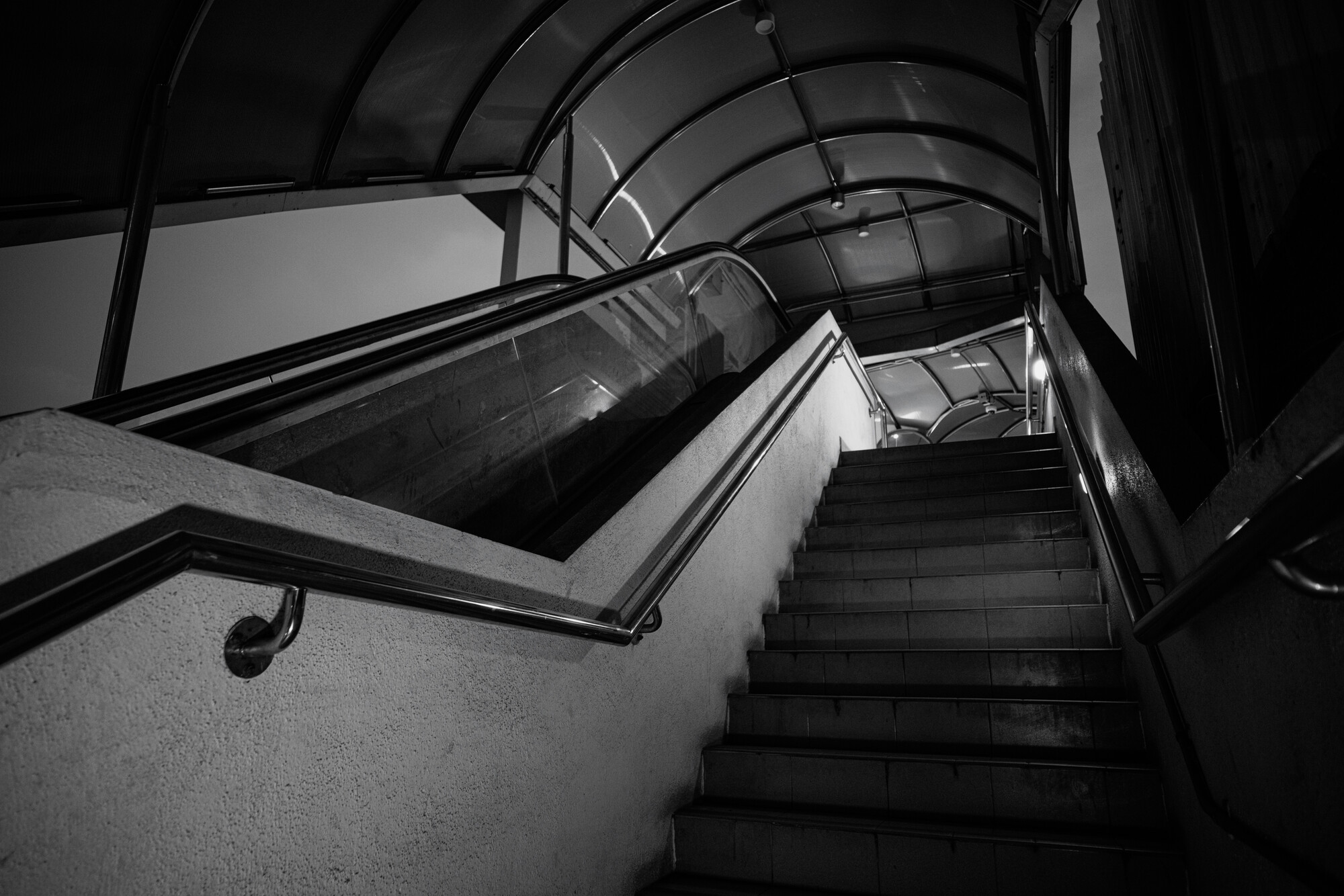
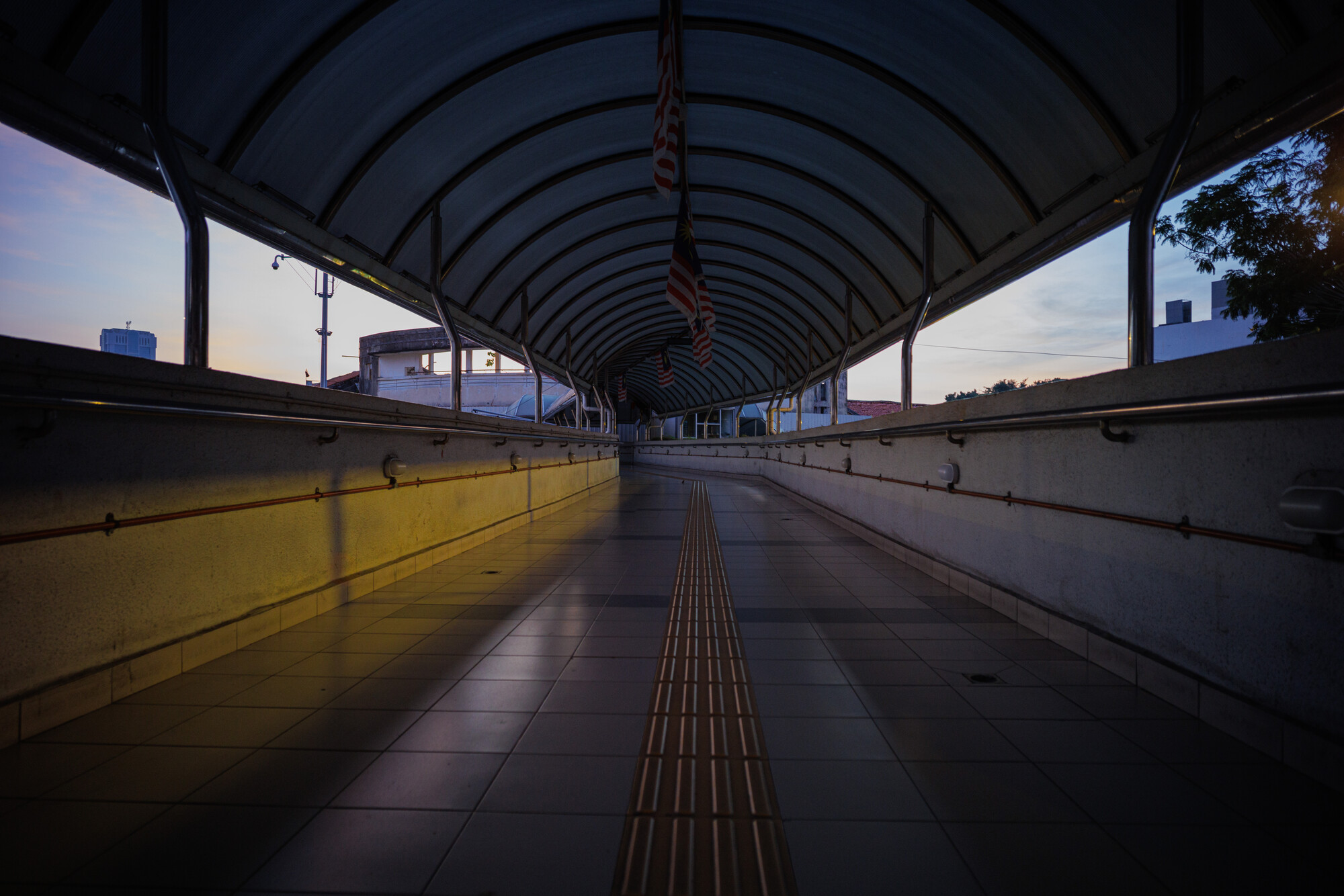
In my hands, the Ksana 21mm feels surprisingly natural and very easy to work with. I suspect a big part of that comes from how close it is to our peripheral vision. It is wide enough, but not in a way that feels overly exaggerated. There is some form of distortion, but it's minimal and barely noticeable. As long as you keep your camera level, you can comfortably use it uncorrected.
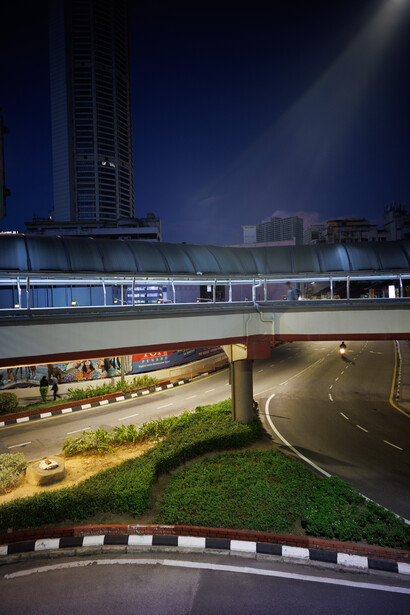
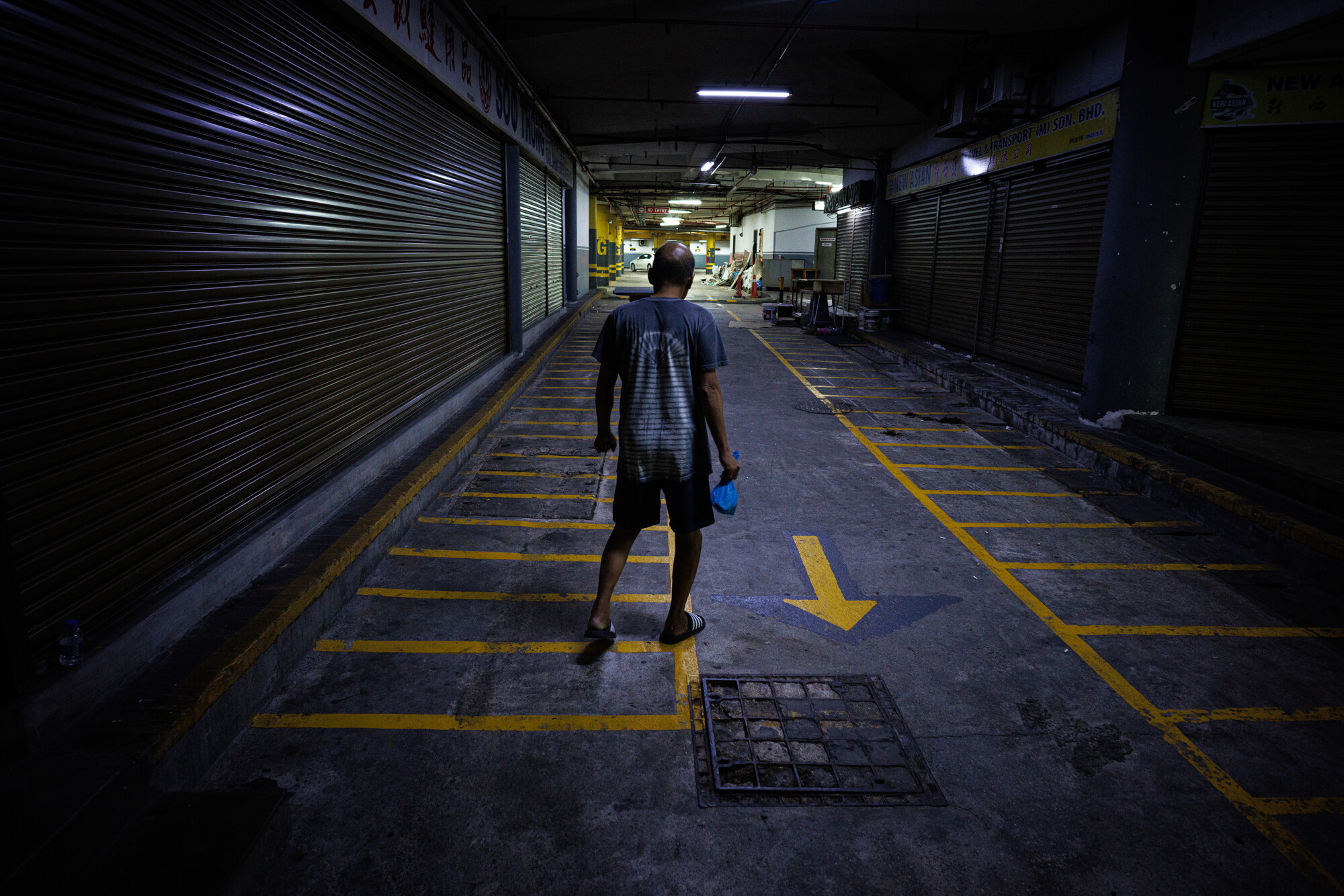
Optically, it's a bit of a mixed bag—but in a very intentional way. Microcontrast is decent enough, though slightly lower than what I'm personally used to, and only if you can get the focus critically spot on. That also means you will most likely always need to zoom in at 100% and navigate with the short focus throw. Personally, it doesn't bother me at all; if anything, it adds to the image by giving it a less clinical look.
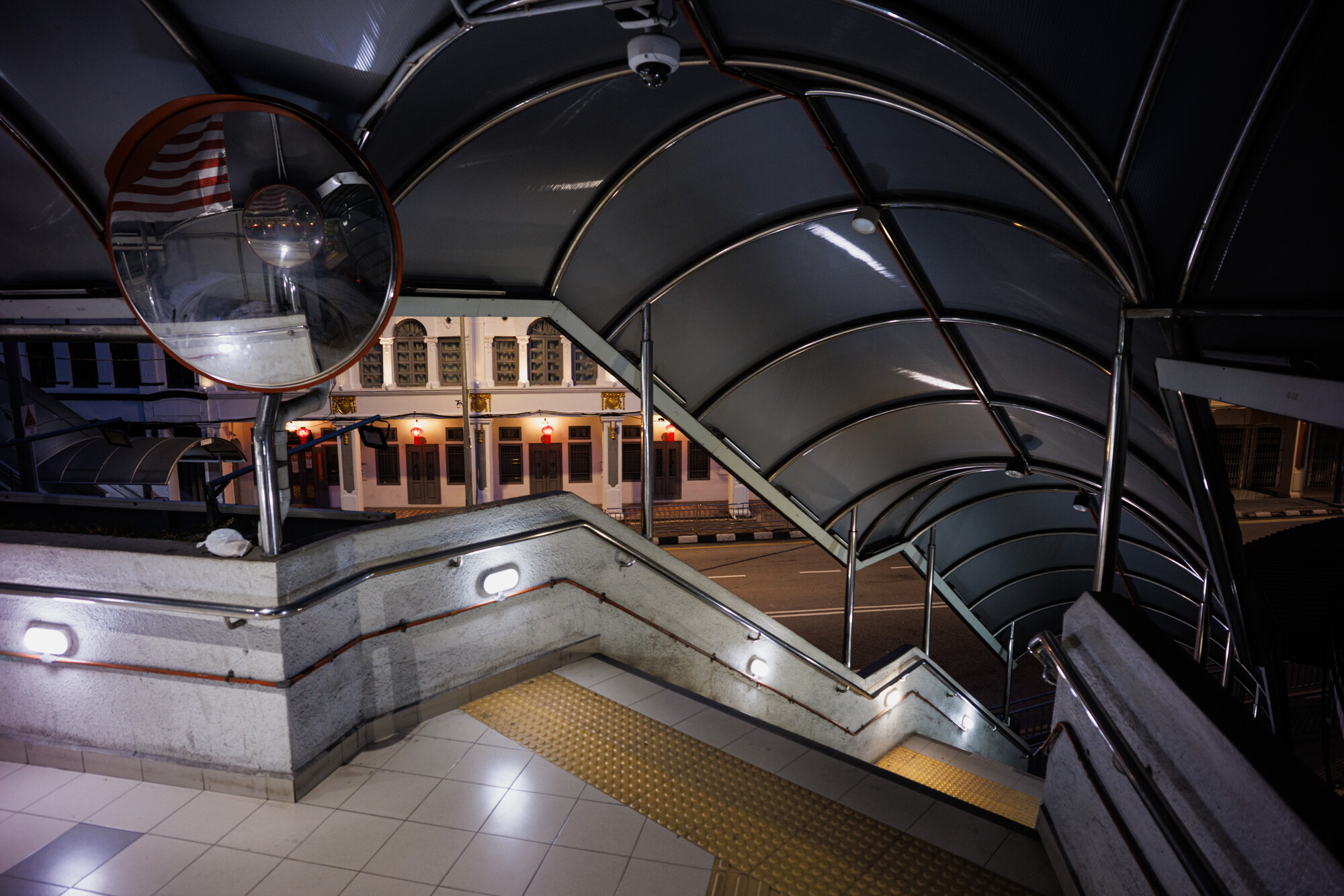
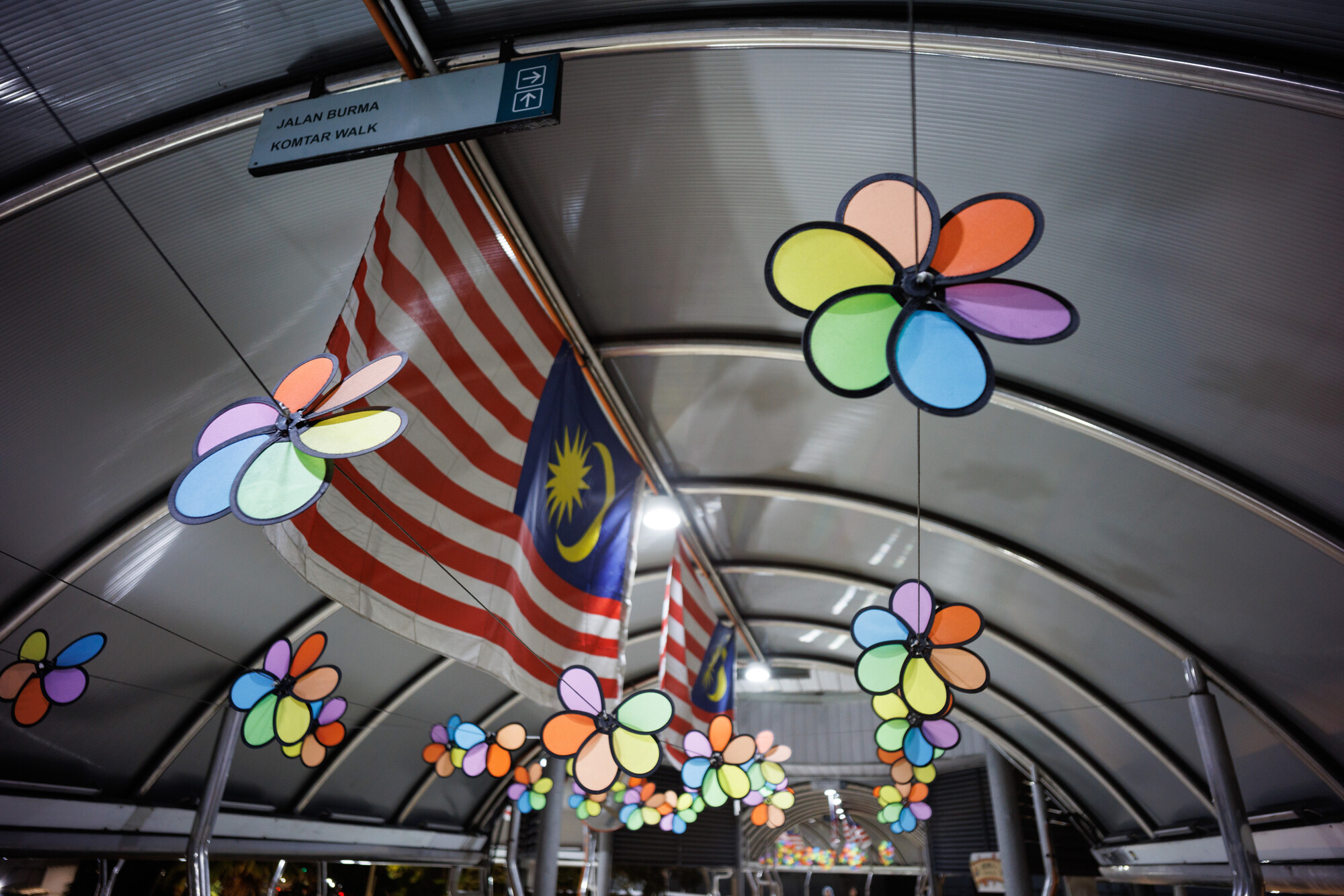
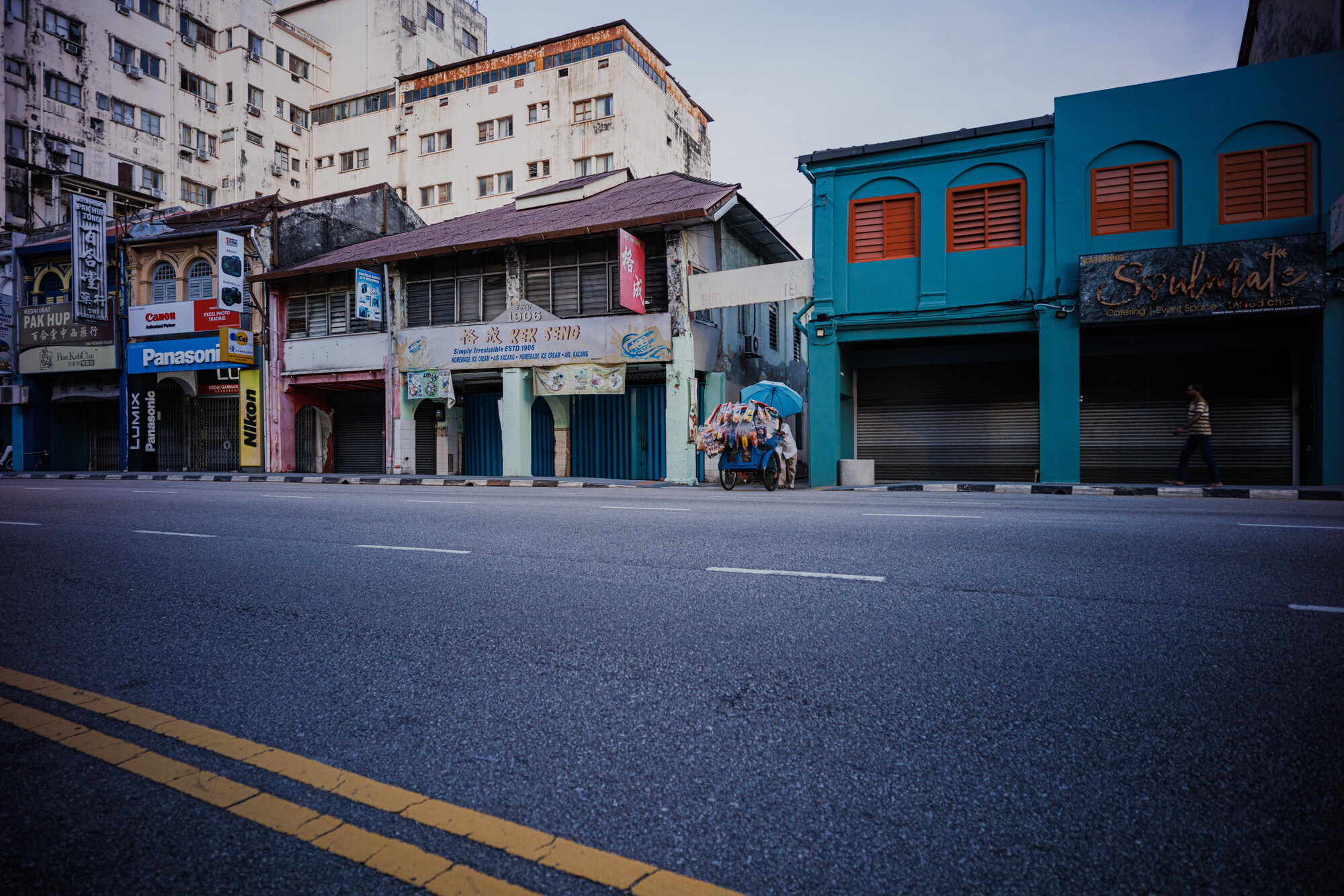
Colors are a little muted too, though overall contrast remains decent, likely helped by the coatings. I would say the rendering leans more toward having a distinct character than technical perfection—and to its credit, it manages to do so without sacrificing image quality. Sharpness and resolving power are decent even on high-resolution sensors, with the center being sharp wide open, and the edges catch up nicely by around f/5.6. There's no strange smearing on the out-of-focus transition edges either. Everything resolves cleanly across the frame throughout the focus distance.
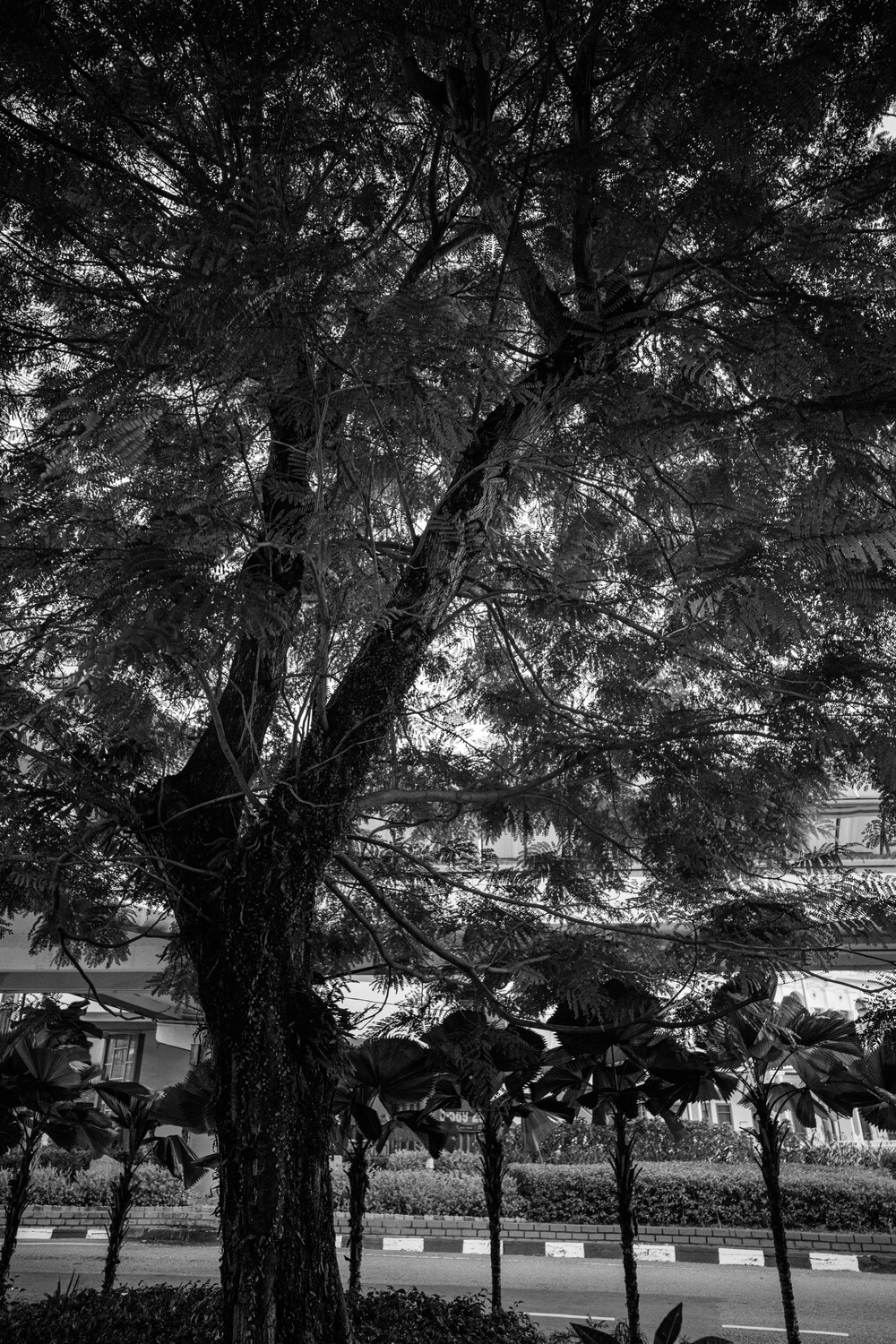
Out-of-focus rendering is quite natural and has a pleasing roll-off—that is, if you can get any subject separation. The depth of field, however, is exactly what you would expect from a 21mm f/3.5 lens. Based on the focusing scale, you will already be at hyperfocal distance from 2 m onwards, even at the widest aperture setting. That said, getting meaningful subject separation from such a wide lens is going to be difficult.
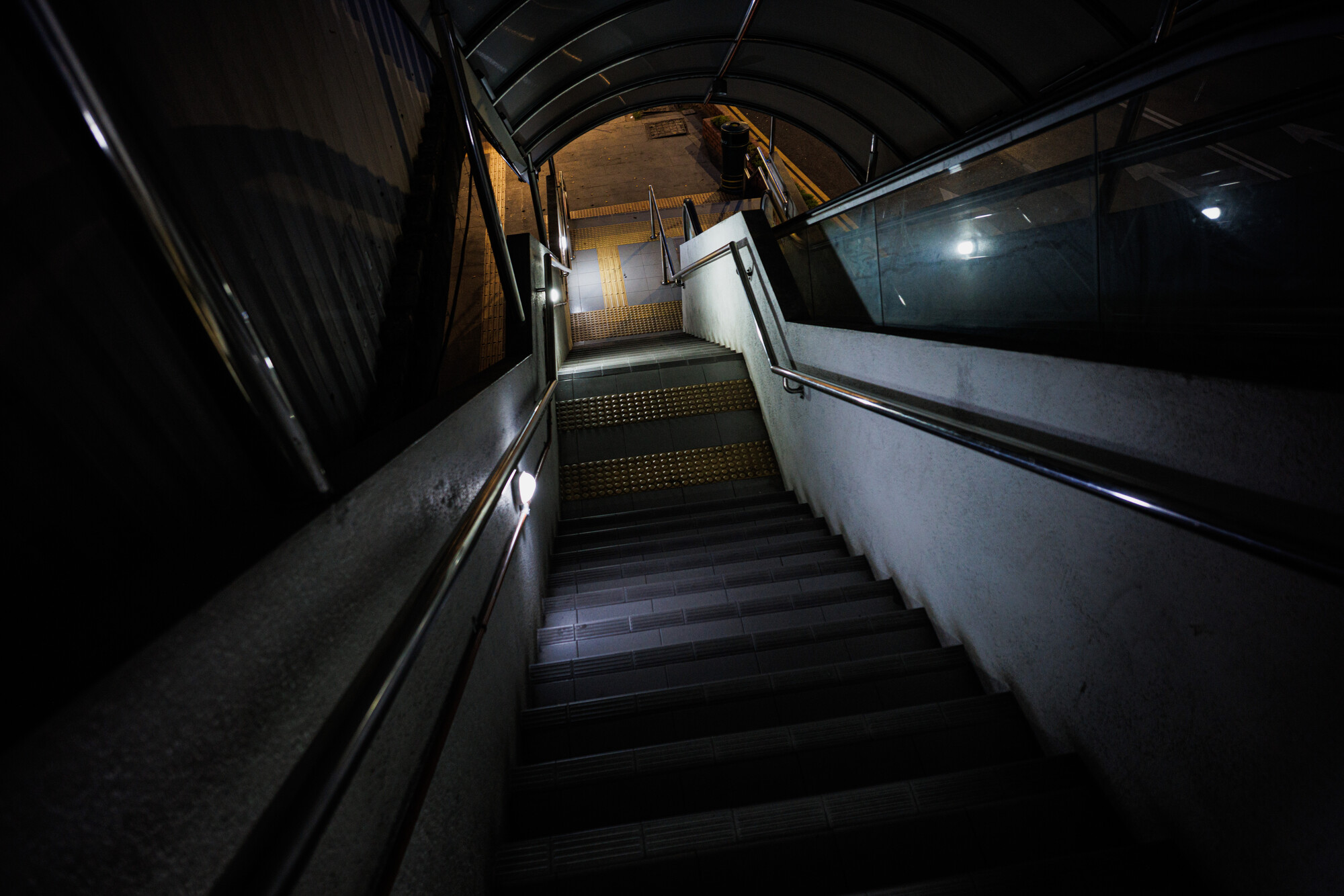
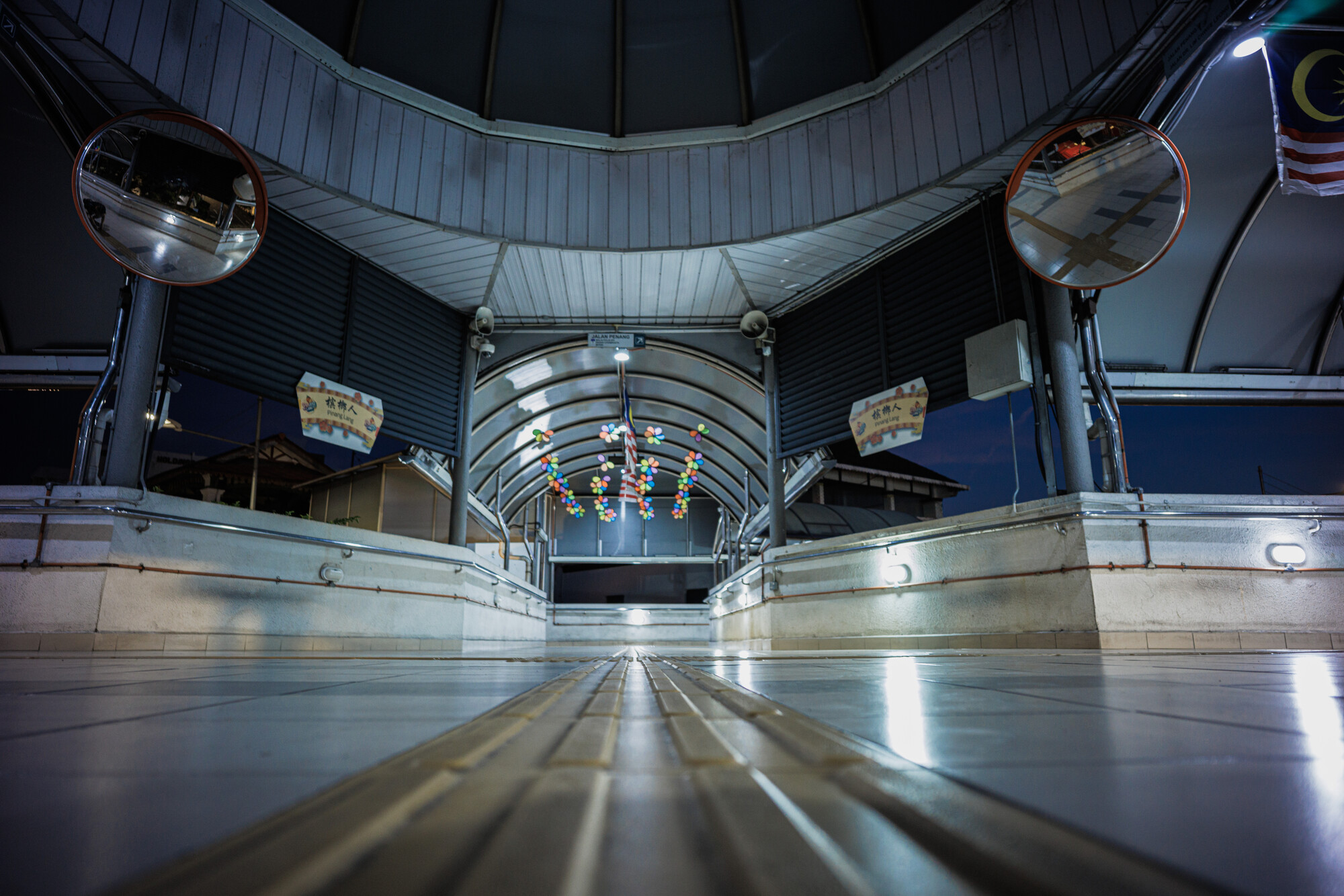
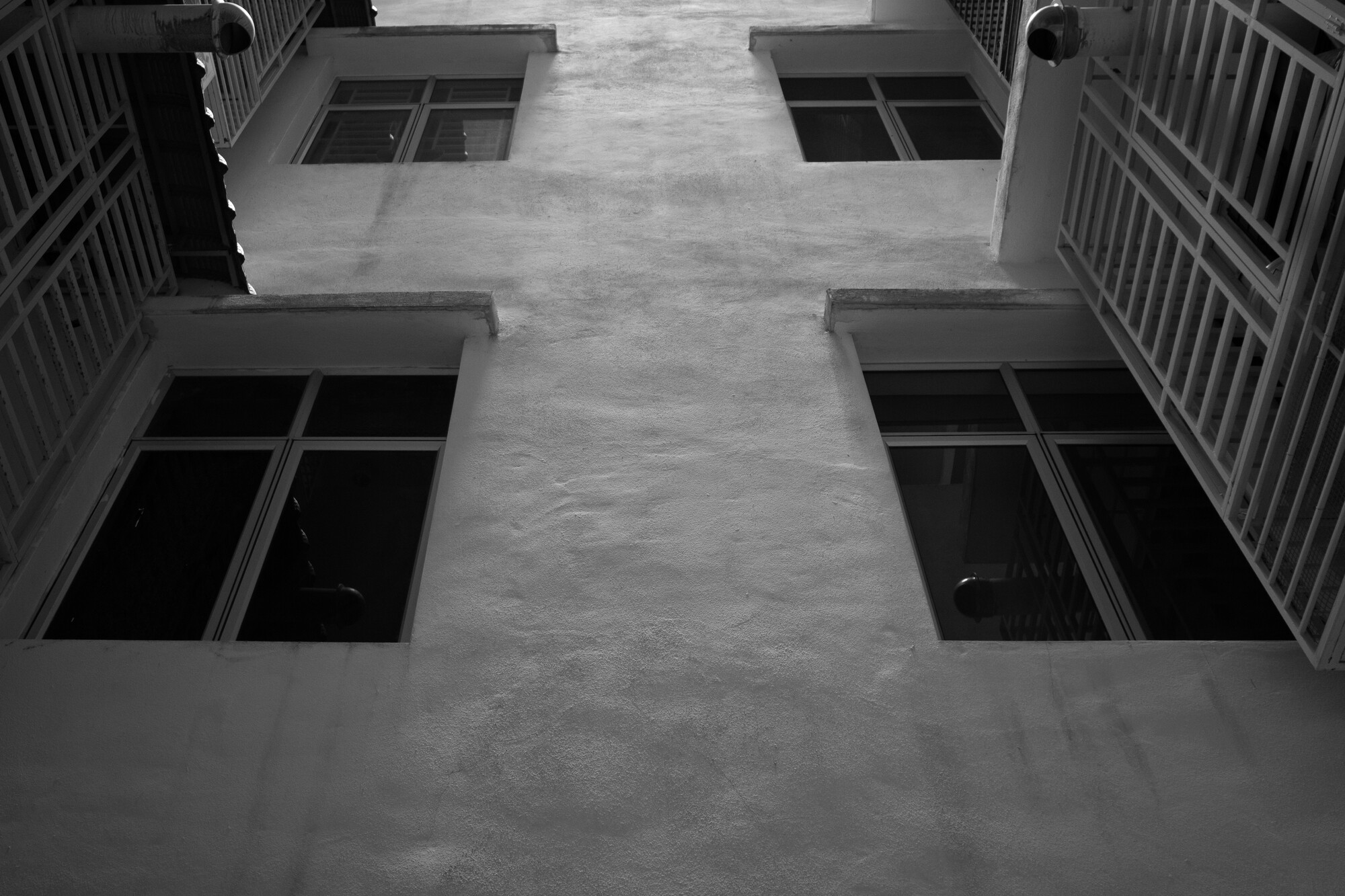
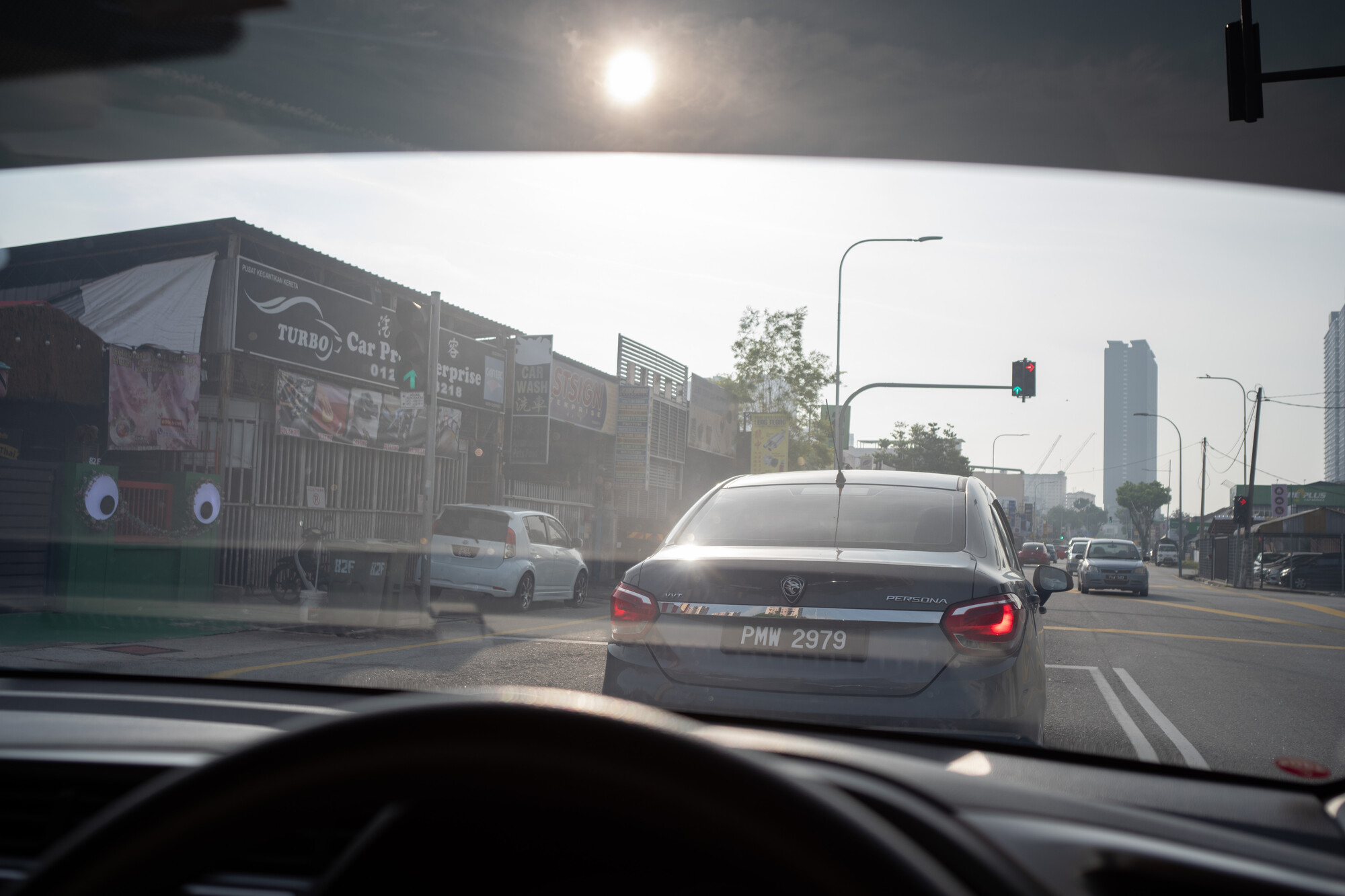
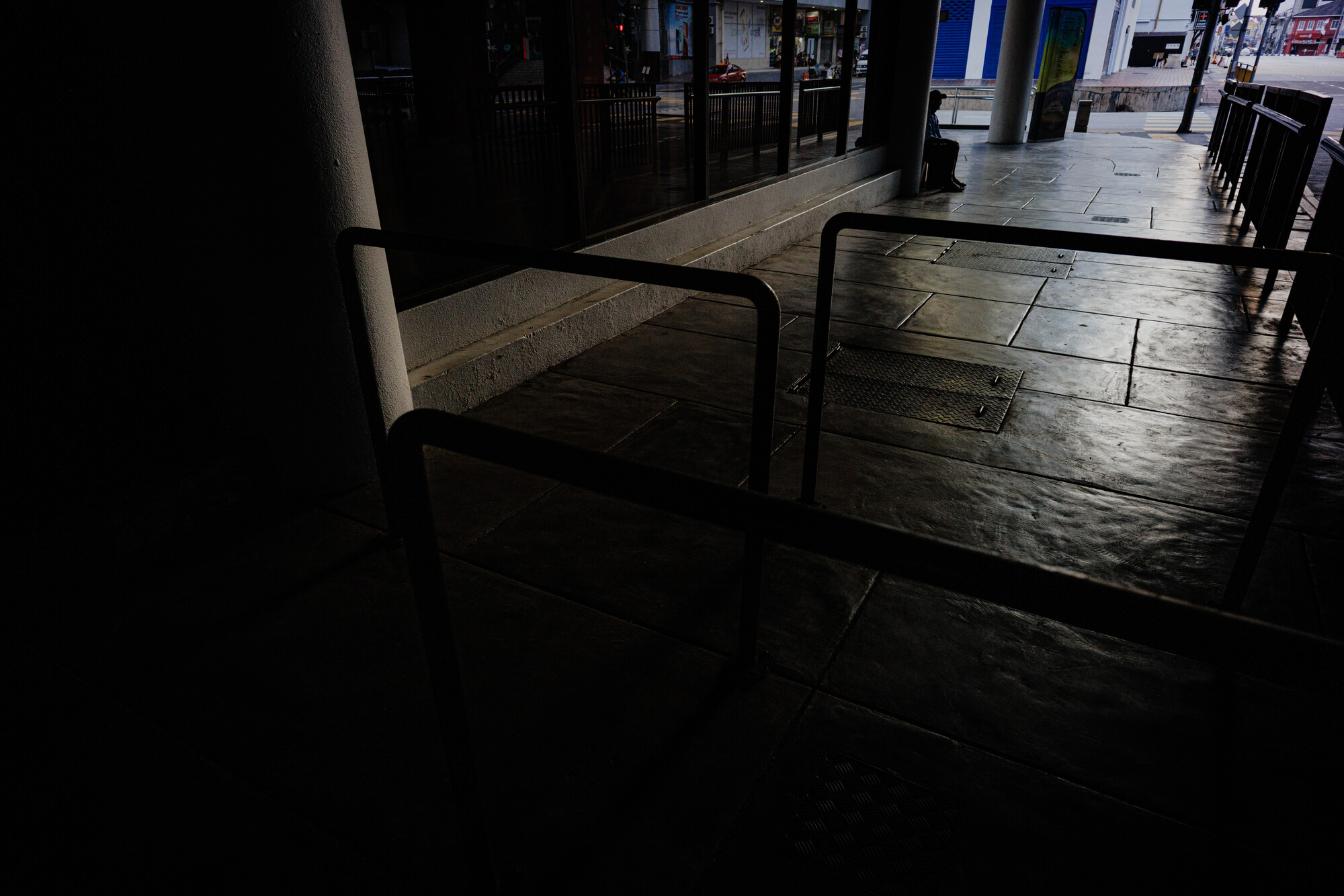
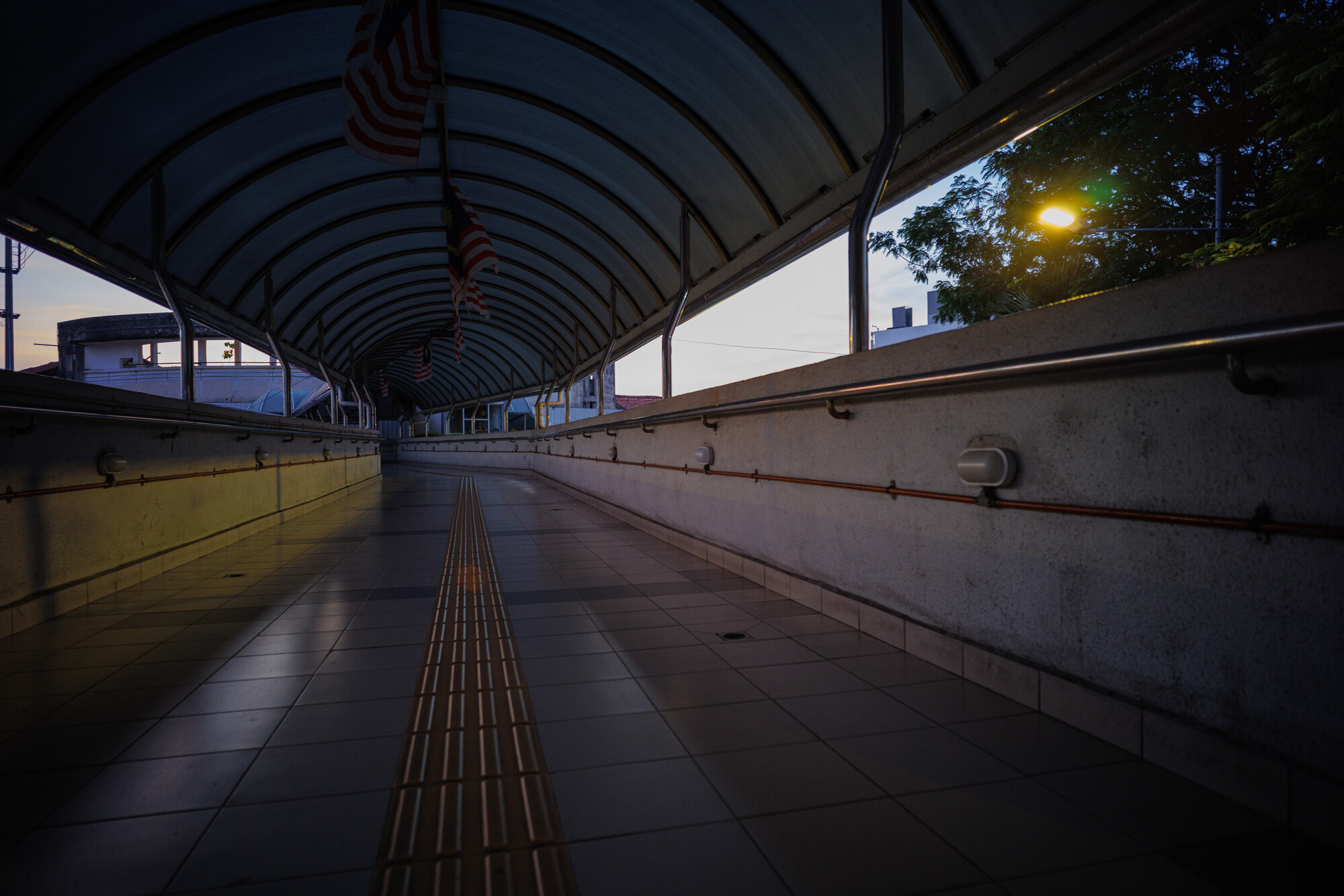
Vignetting on the Ksana 21mm is quite noticeable and never goes away, even at f/8, which isn’t surprising given the size of the lens. Personally, I don't mind it, as it adds to the vintage look that is coming out of this lens. Though you should note that you may also notice some purple color shifts toward the periphery of the frame. This is due to the extreme ray exit angles interacting with sensor microlenses, and it's a known behavior of some M-mount lenses that are wider than 28mm. Some cameras handle this better than others, especially those with thinner sensor cover glass or offset microlenses like the later Sony BSI sensor, and Nikon Z cameras tend to perform better, while higher resolution sensors with thicker cover glass can make it more obvious. On APS-C bodies like the Leica CL, it's essentially a non-issue since you're cropping out the problematic edges. It also tends to be more pronounced on older sensors like the M9 or M240.
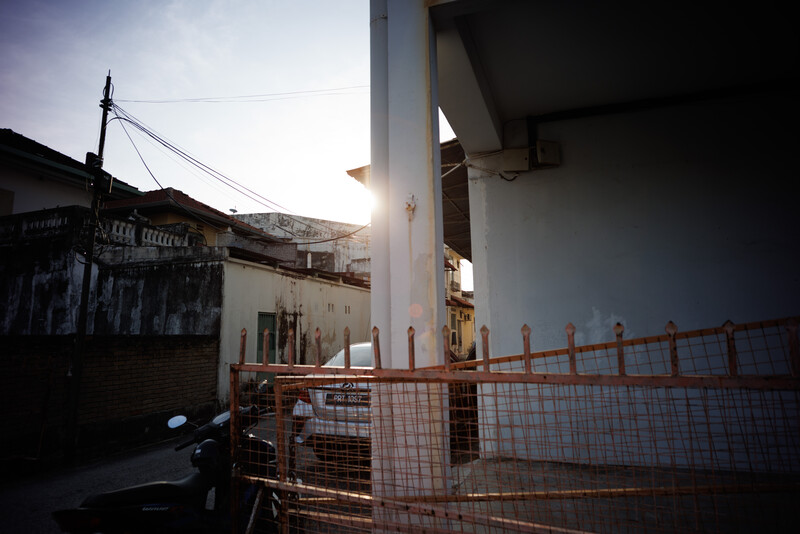
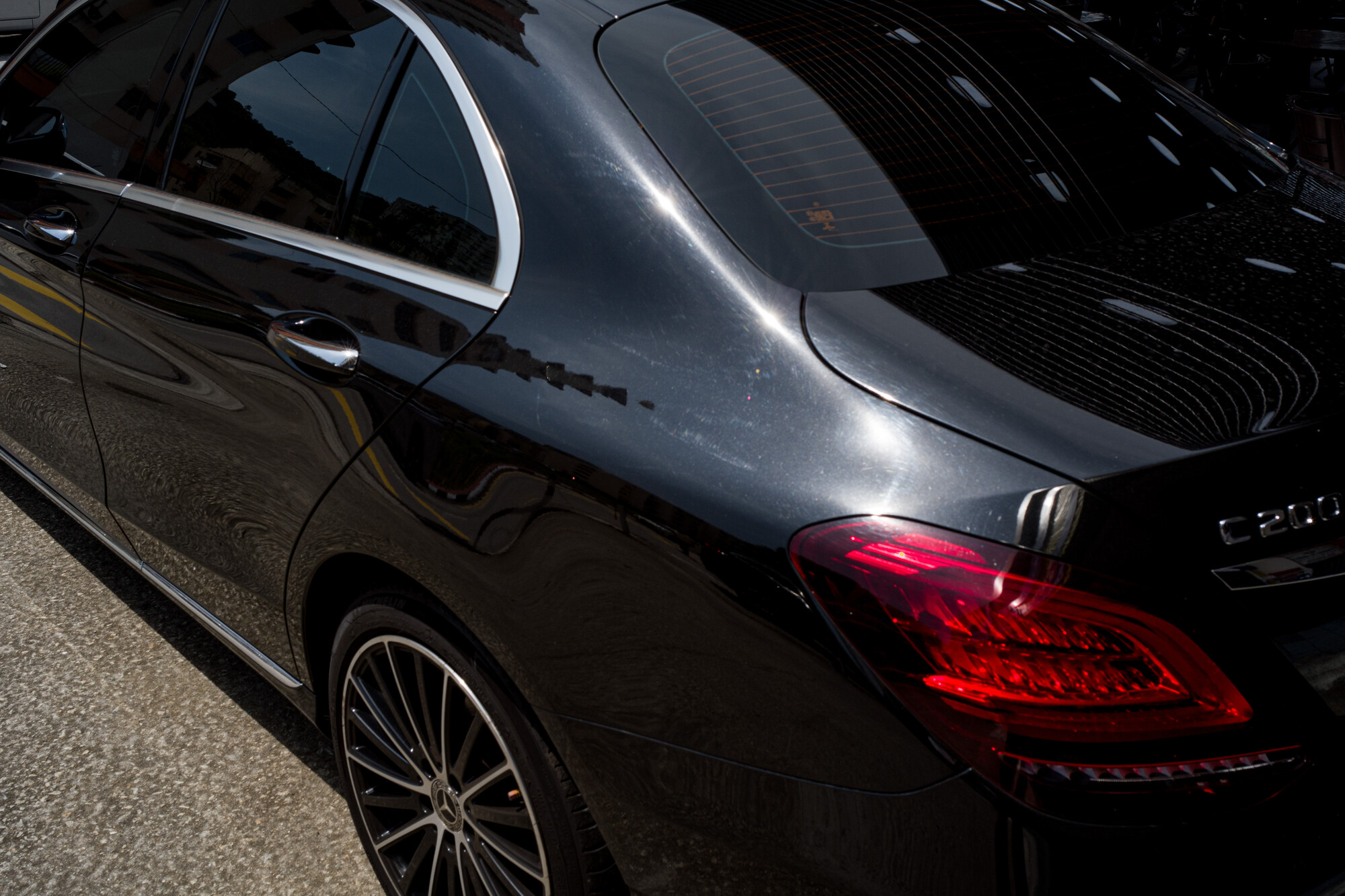
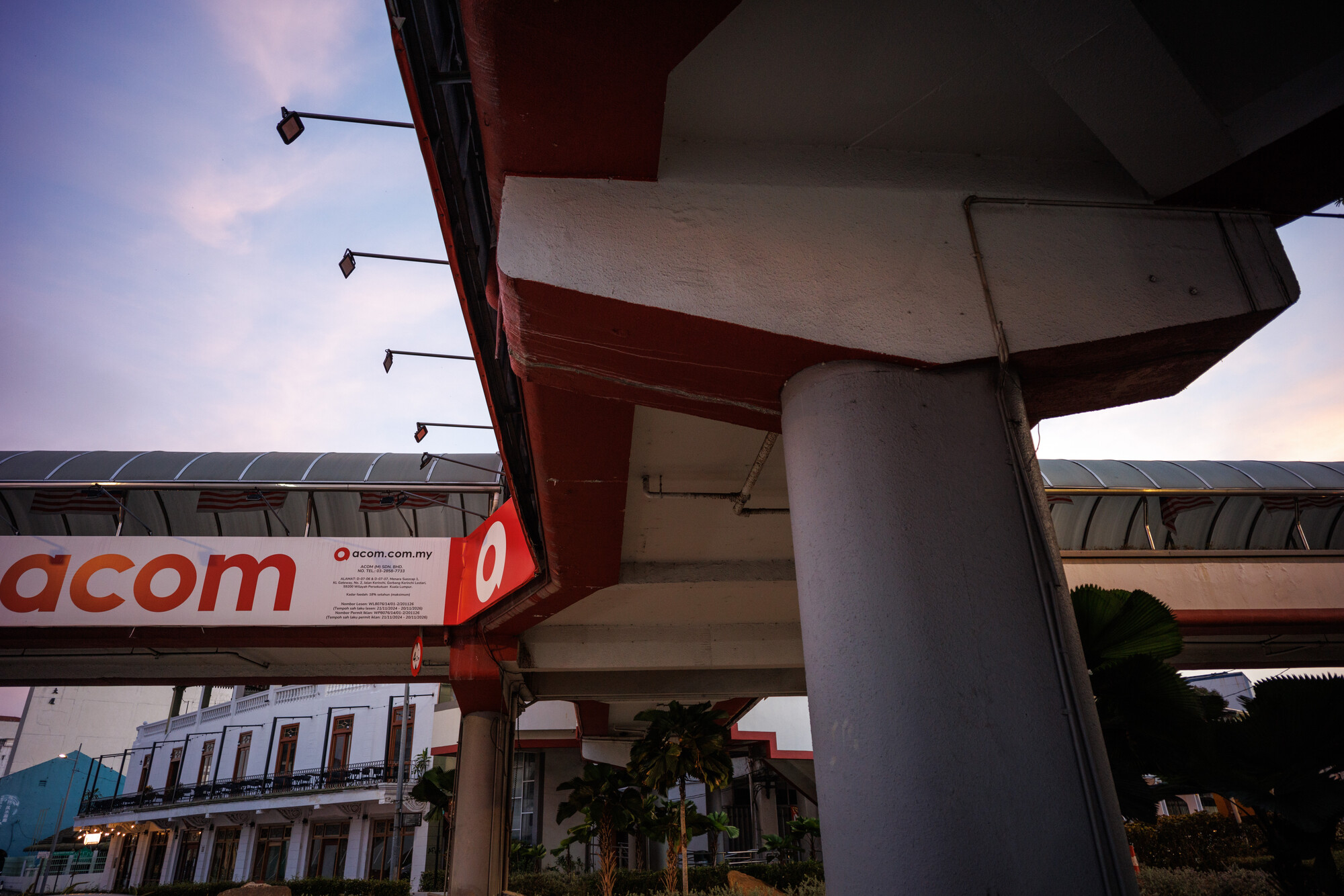
Flare is clearly part of this lens's identity. From my observations, Thypoch did deliver on the promise of warm, vintage-style flares, thanks to the Epoch coatings. Whether that's something you want on a wide angle lens is another question entirely. Personally, I'm still undecided. I can appreciate the intent and can see how it makes sense on portrait lenses, but for a wide angle typically used for landscapes, architecture, or street, it feels more like a niche choice. Unless you use it on an APS-C body, which gives you roughly a 1.5x crop factor, resulting in a 32mm equivalent field of view—making it quite suitable for everyday portraits. That said, I'm not a big fan of flare in general, and when it does appear, I prefer it to be subtle—and thankfully, this lens does deliver exactly that.
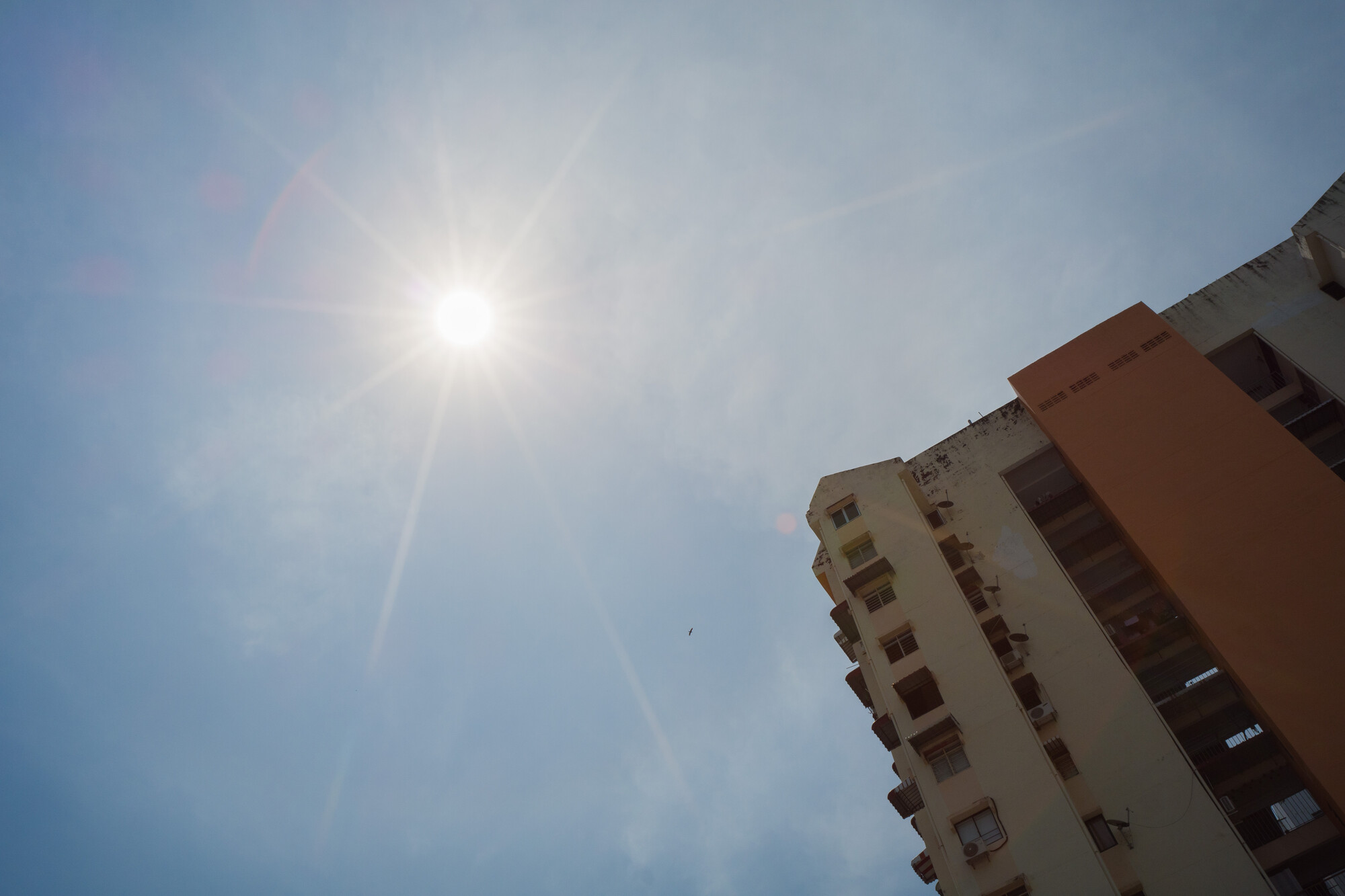
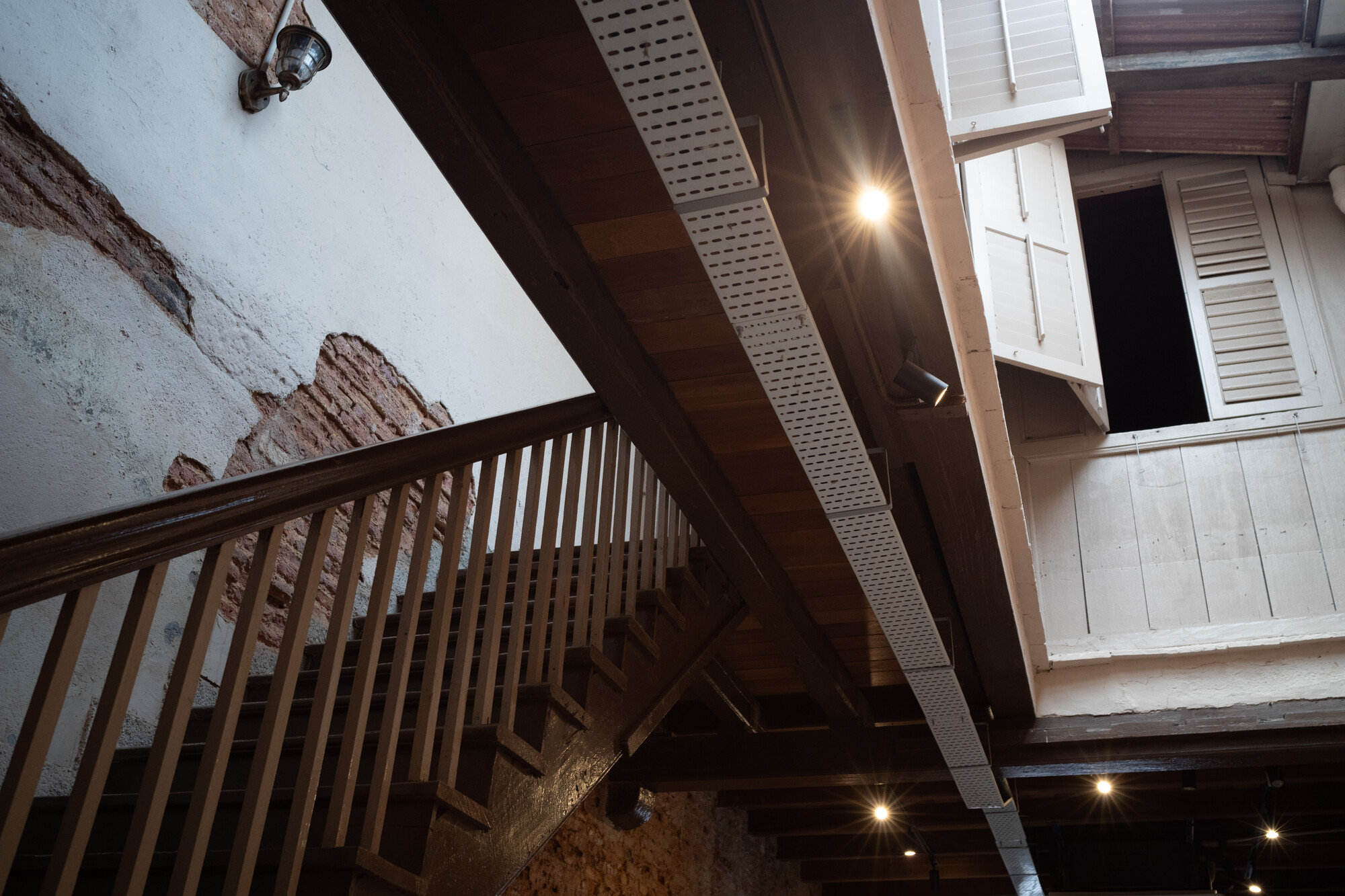
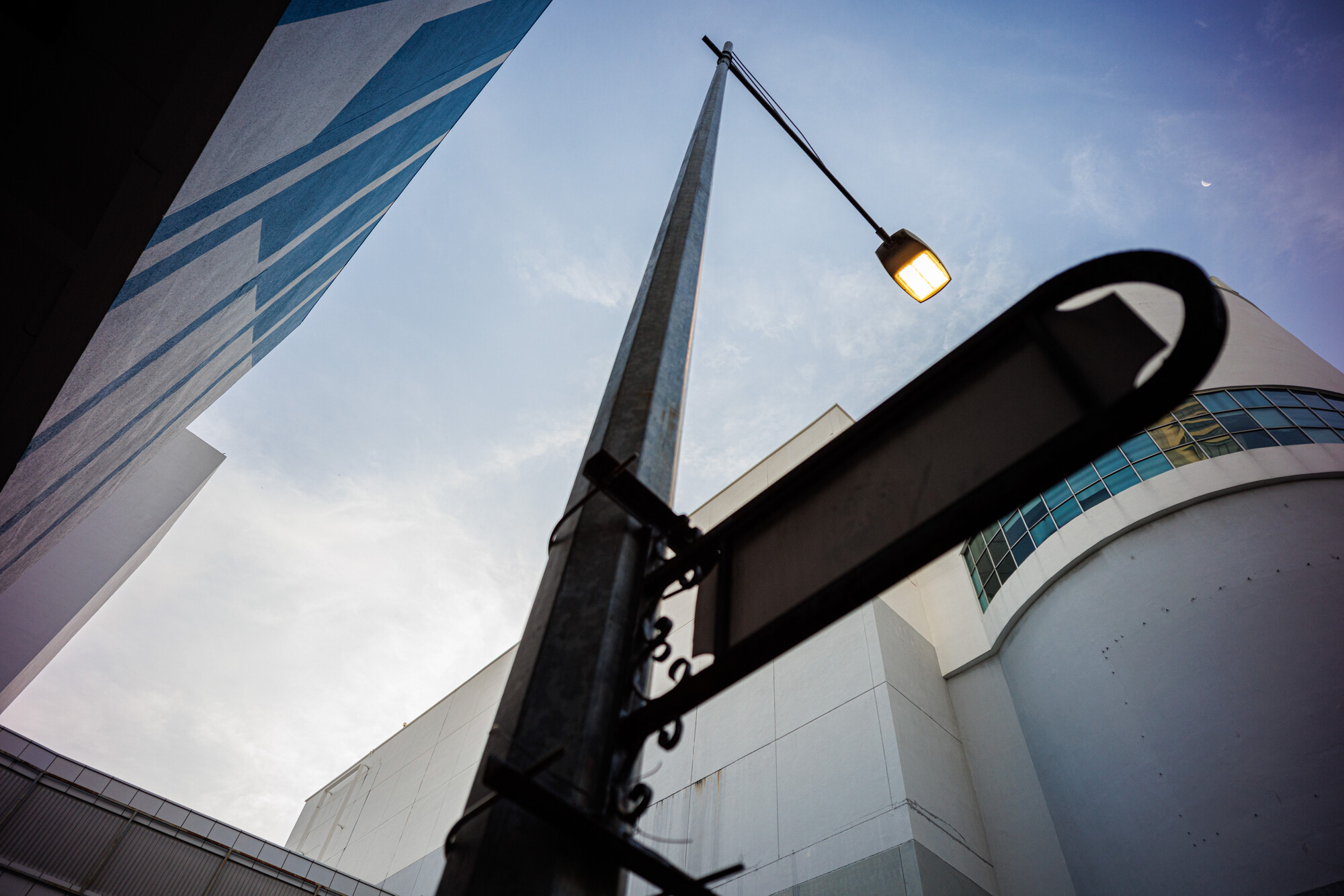
The Ksana 21mm does produce very nice sunstars. With 9 straight aperture blades, you will get 18-point stars—double the number of blades, and they appear as early as f/4. Though with an odd number of aperture blades, you should be very careful of your application. With smaller light sources, they're mostly symmetrical and quite pleasing, but they can get rather complex when there are a lot of point light sources. If that's not the look you desire, shooting at f/3.5 avoids it altogether.
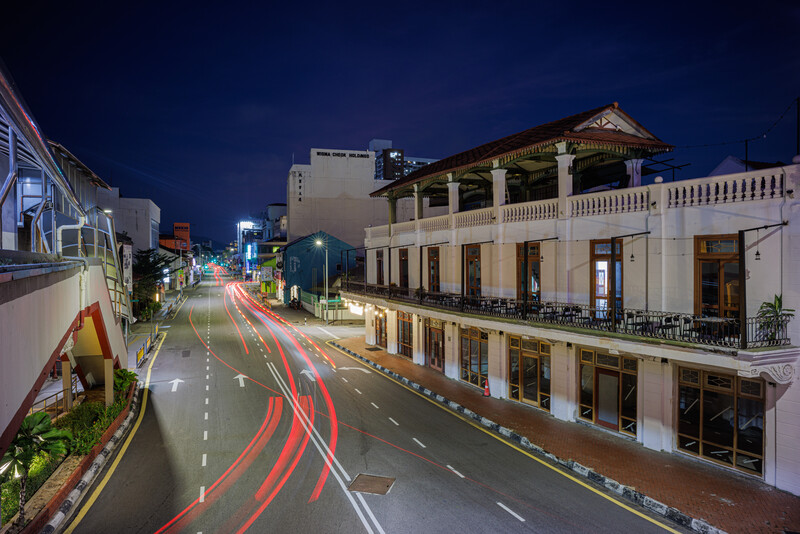
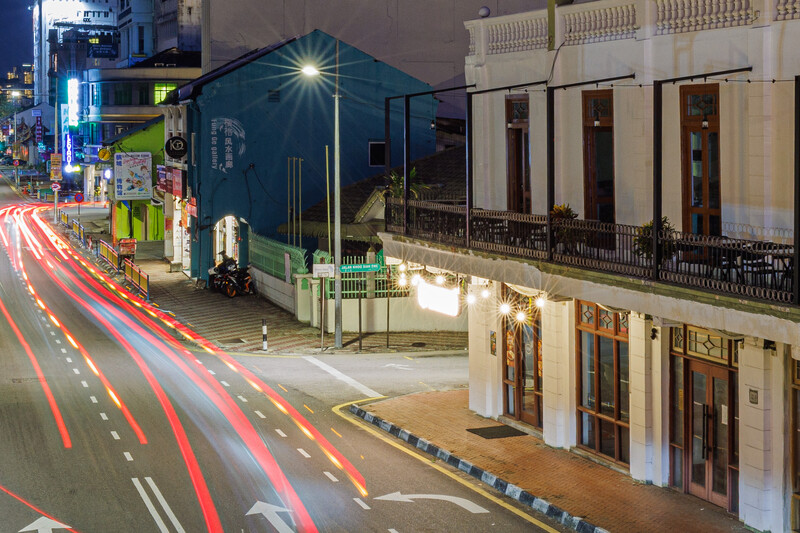
In terms of usability across systems, there are a few practical considerations. On film Leica M bodies, most viewfinders only go as wide as 28mm, so you will likely need an external viewfinder for proper framing. This is not an issue on digital M bodies and mirrorless bodies, where live view or EVF options are available. In case you are curious, I also briefly tested it on medium format, and the lens circle isn't wide enough to provide sufficient 44 mm x 33 mm coverage—not surprising given the focal length—so it's best kept for full frame use.
https://www.youtube.com/watch?v=sXQGydd5yTc




Summary
What I Liked
- Small size for a wide angle lens—genuinely easy to carry and live with
- Great build quality, feels solid and well thought out
- Smooth focusing barrel with just the right amount of traction
- Excellent chromatic aberration control
- Pleasing image rendering—has its own character without sacrificing image quality
What Could Be Improved
- Would love to see an f/2 or f/2.8 version
- Potential for weather sealing would be a nice addition
- More non-movable surface for easier mounting and unmounting
- Improve vignetting and color shift caused by extreme ray angles interacting with sensor microlenses
Final Thoughts
Lastly, if I am being honest, I did not go into this expecting strong optical performance. Given its focus on portability and that "vintage character" with 1970s-inspired rendering, I assumed there would be a more noticeable trade-off. But I'm happy to say it doesn't disappoint. Optically, it performs as well as you could reasonably expect from a modern lens, but with a vintage aesthetic when the light is right.
The slim profile and rather understated look also make it a suitable lens for documentary-style work. It doesn't draw attention, and it's easy to carry around all day. That said, the aperture does become limiting in low light, and being a wide angle, you really need to be decisive with your framing. Under that kind of environment, you will lose your subject very fast, even with slight hesitation.
All things considered, this feels like a lens with a fairly niche application. I would think it is made for those who want a wide angle with character but still expect a certain level of optical reliability. And perhaps that's the main takeaway for me—if a lens is going to flare, it might as well do it aesthetically. For those interested in giving it a try, get yours at $549. You can find the Thypoch Ksana 21mm f/3.5 Asph here.



Join the Fstoppers community for free
-
Post comments and join in the discussions
-
Browse the site ad-free
-
Share your work and get featured in the community
-
Compete in the photo contests for fun and prizes
No comments yet