
On one hand, it’s understandable to be territorial over the features in our technology and sensitive to change. But technology inherently demands change — and that change is demanded at the fastest rate possible. We can complain about it all day long, but if we stop complaining at the whims of our feelings and start thinking logically, we can and should start to feel better as we realize the true nature of our so-called upgrade-cycle and innovation-searching frustrations. In reality, the only thing lacking innovation is our expectation.
Media loves nothing more than punchy headlines. Headlines that claim Apple is on its way down and can’t innovate as Microsoft looks to beat it at its own game are nothing more than journalist-sanctioned click-bait gold, but make little sense for those actually interested in good journalism.
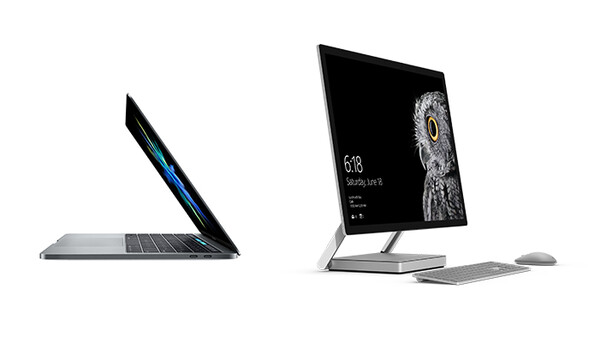
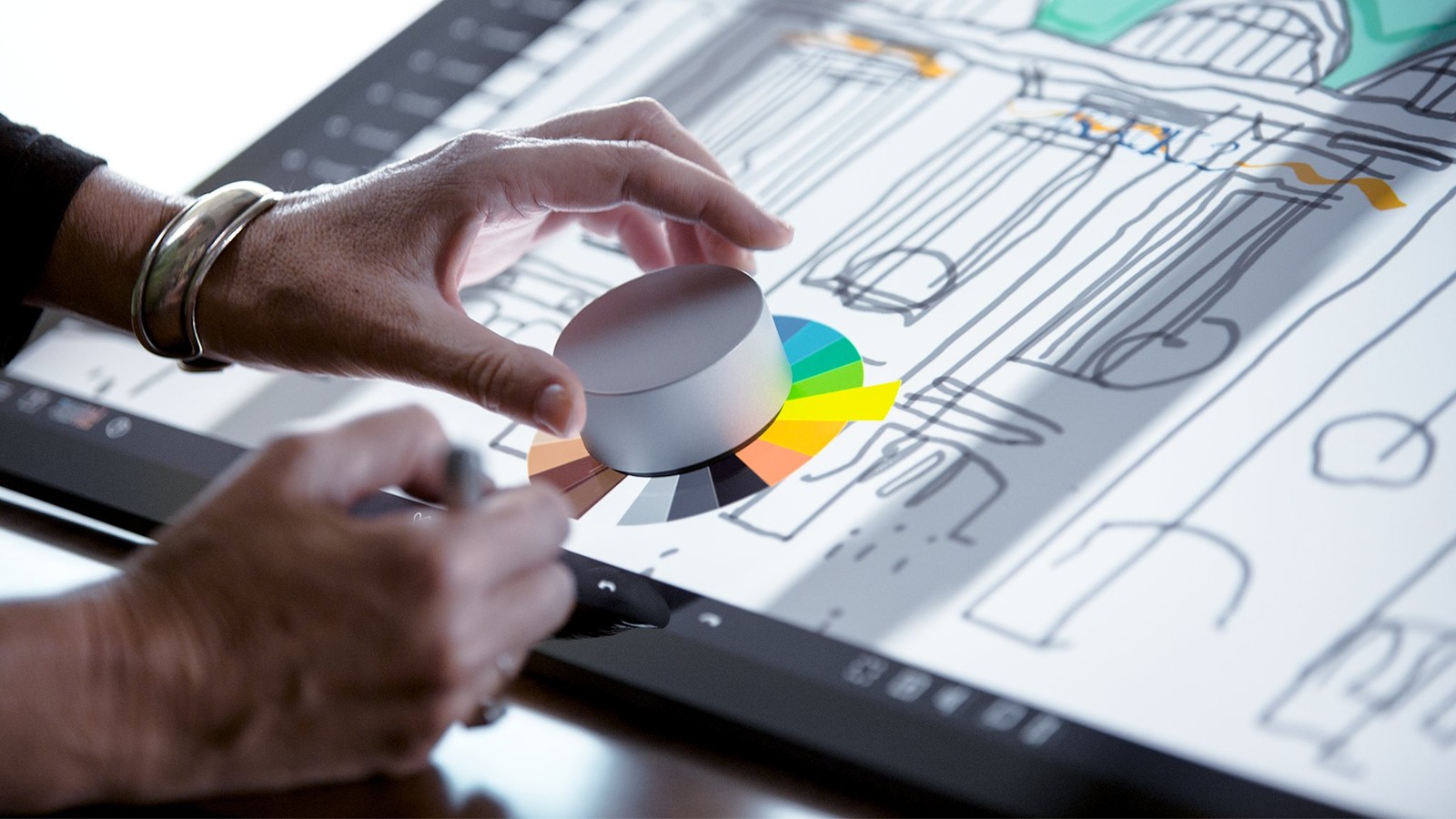
Sure, the Microsoft Surface Studio is flashy with its new rotating input device, but how practical is it, really, compared to other options that are or will become available? Time will tell, but as pretty and fun and swanky as it looks, there are a number of aspects to the device that make this one seem more like a gimmick than anything else. I'm not yet sold.
A Short and General History
Apple has a history not of being first to the market with various technologies, but of bringing features we need only when the technology to implement them is ready (though we, ourselves, are often not quite ready).
The Mac was far from the first desktop personal computer. The iPhone was far from the first smartphone. The iPad was far from the first tablet. But Apple launched each of these products with features that made perfect sense in the time and technological environment in which they were born.
The same thing happened with feature changes within these product lines. As data port technologies such as USB and Thunderbolt matured and improved, technology had to adopt these changes eventually. In some cases, Apple waited (such as with the advent of USB 3.0) for the peripheral market to catch up. In other cases (such as with the DVD drive and the iPhone’s headphone jack), Apple brazenly led the charge in ridding the world of a fading technology in favor of better, modern technologies.
These changes aren’t always easy to swallow, but Apple’s proven track record of doing what makes sense to give the world a little nudge forward should earn it a little slack. Many of Apple’s biggest fans chastised the company for dropping the DVD drive with the Retina MacBook Pro. And yet, looking back, Apple made this decision at the perfect time. Since Netflix and Amazon and iTunes have done such a great job of filling in the media market, no one actually needed a DVD drive anymore. Software was quickly becoming online-only (subscription-based software was yet another trend around the corner). And the DVD drive was obsolete. We just didn’t know it, yet. But Apple did. And we should trust Apple to know what it’s doing today.
Lack of Innovation
The entire “Can Apple innovate without Jobs?” question is a tired one. Unfortunately for the company, it’s hard to innovate when everyone is looking for ways to prove you’re not. But what is innovation? Some of us want to be wowed by another product category or a completely new type of electronic, as the iPhone was at the time of its introduction.
The only problem with that is that, again, the iPhone wasn’t that new. It was just the best incarnation of a device we’d been using for quite some time. It might seem rough to trivialize something that revolutionized the smartphone industry and changed our lives in such a big way. But it’s true. It didn’t invent how we spoke. And the entire idea of the device was to be the last portable electronic device we needed. So why are we still searching for something new and different that we don’t need?
The iPad is a great example of this. Everyone wants a new product, and Apple gives it to them in the form of the iPad. And yet, everyone complains that the iPad isn’t necessary. And if they like the iPad, they complain that the portable computer is no longer necessary.
In reality, this should all be OK without the need for complaints. Not everyone needs one device or another. The iPhone is designed to be and should be the only one-device-fits-all product. As for the rest, make your decision, buy what you need, and enjoy the rest of your life without freaking out if or when something new comes out.
The New MacBook Pros and System Performance
Of course, technology still needs to move forward. And it’s fair to expect regular updates as technology improves. Apple did wait quite some time to introduce new laptops this time around, but the reality is that Intel took quite some time to release new processors that would make it worth the upgrade. They even announced an entire change in the rate at which they would progress with their manufacturing processes.
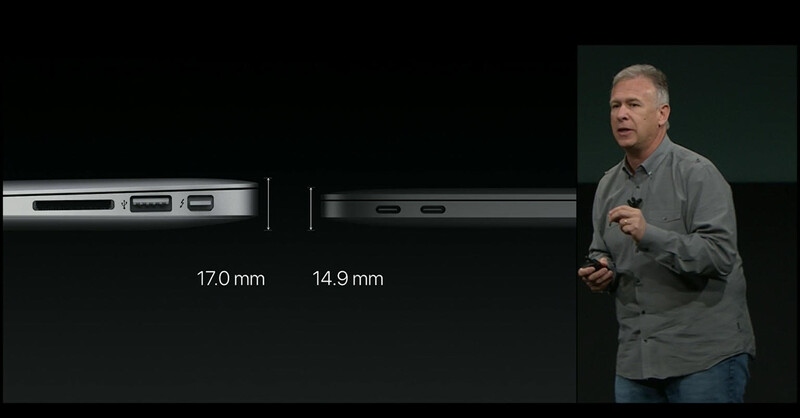
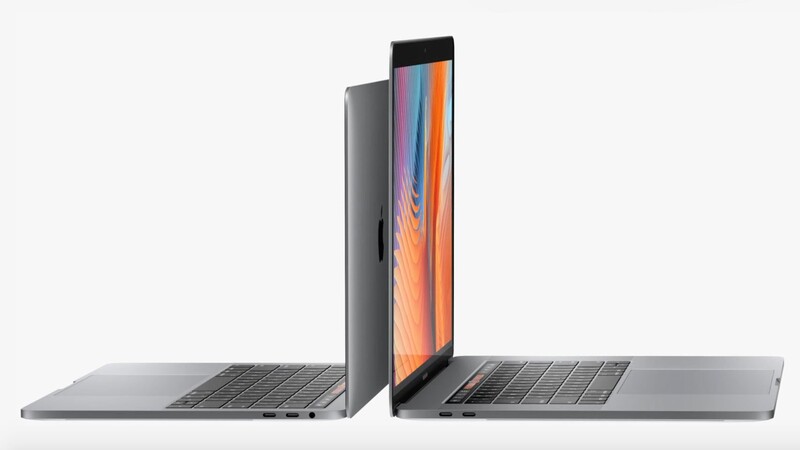
Still, if we pause to take a look at what Apple really accomplished in these new computers, it’s hard to see how they aren’t amazing. They’re thinner than and as light as a MacBook Air, but perform at levels good enough to edit 4K video, run multiple 5K screens, and transfer data at more than three gigabytes per second — more than six times the rate of most of today’s high-end solid state drives. Battery life remains unchanged, and we get up to four, lightning-fast, state-of-the-art Thunderbolt 3 ports that can handle anything you throw at them with greater expandability and flexibility than any other port — ever. And if you want to complain about processor speed or other specs, just remember numbers aren’t everything (this iPhone versus Galaxy test shows how great hardware-software integration can make lower-featured devices outperform those that feature over-killed specifications).
Sure, there are some caveats. You need to get an adapter or two for most of your devices (for now). The SD card slot is missing. And there’s no dedicated HDMI out. But can we be real about the practicality of these features for just a moment?
None of this is anything new. Ports have been improving and changing rapidly in the last 10 years. We already need, have, and use cables between all of our peripherals. What’s the difference between using a few different cables than the ones we have? Soon enough, our peripherals will ship with the same ports, too, and all of this will be a distant memory.
The SD card isn’t necessarily going to be as ubiquitous as we think it is. The organization that manages the Compact Flash standard threw its support behind the XQD format with the newly announced CFexpress format to likely be backwards-compatible with XQD. For the professionals such as a lot of us that really need fast transfer rates, our cameras support a variety of different technologies (from CFAST to CF to SD and XQD), so many of us are using separate, dedicated readers anyway. And for a good chunk of the general public, most consumer cameras feature wireless image transfer, which will only become more and more common with time. The absence of the SD card slot is Apple's way of saying, "It just won't matter for that much longer, anyway."
And HDMI out? Really? I could have gone without this port a lot sooner, especially considering the frequency with which I actually used it. Thunderbolt 3 and the way that it paves for the future is brighter than any of these. Now, everyone has the flexibility and expandability for anything they could ever want. Your I/O ports are no longer suited to only a handful of people who happen to need those exact ports just perfectly. Everyone has the ability to get one adapter that perfectly suits them.
Apples and Oranges
Getting back to Microsoft and its supposed overshadowing of Apple’s keynote event, Microsoft’s greatest innovation is simply the fact that it made another computer and is continuing to make them in general. As great of a job as their team did with the sturdiness of the design and the implementation the true-to-life display size (12-point font on the screen of the Microsoft Surface Studio is the same size as when printed on a sheet of paper), it’s just a big touchscreen desktop with a new input device from which only professional designers will really benefit.
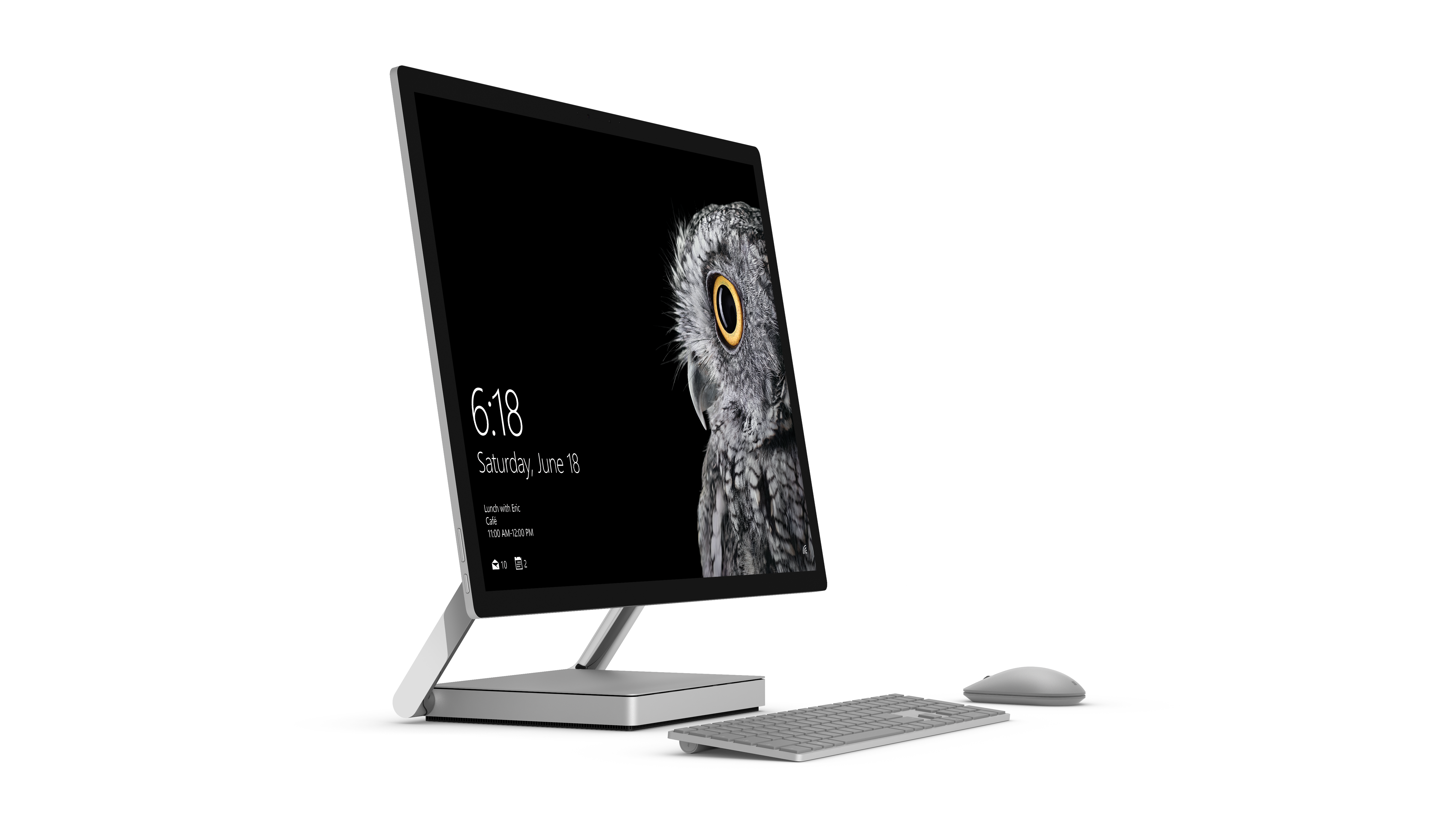
Meanwhile, the comparison between the two rivals’ events is moot, since so many seem to forget the fact that Microsoft is releasing a professional desktop for designers while Apple is releasing portable notebooks fit for anyone that wants a step up to the on-the-go power-user. The two devices are in completely different categories.
Naturally, desktop fans are still waiting for Apple to revamp the iMac — and rightly so. The iMac, too, hasn’t seen a meaningful update in far too long. And I won’t get you all started on the lack of refreshes for the Mac Pro. But with new processor releases from Intel around the corner, I wouldn’t be surprised if there’s more to follow soon.
Not at all to take away from Microsoft, but to sit around and say Apple is slacking and Microsoft is blowing away the competition is absurd. Look at the performance really being offered and the subsequently improved portability. It’s impressive — period.
In a few months, the media will likely sing the same song — at least until Apple can please its investors with record profits once again, as is largely expected next quarter. Yet the general public will be more or less silently loving their new MacBook Pros because they really are the best computers around.
Meanwhile, for PC lovers, Microsoft is doing a great job of producing some competition-worthy computers for its professional users. Why is everyone in such a hurry to get in another fight over all of this?



Join the Fstoppers community for free
-
Post comments and join in the discussions
-
Browse the site ad-free
-
Share your work and get featured in the community
-
Compete in the photo contests for fun and prizes
103 Comments
I'm sorry but Razers new line of laptops embarrasses the apple "pro" line.. MS Surface Studio is an amazing new product that you, an apple fanboy, are jealous of plain and simple. New Razer Blade min specs = i7 6700HQ (4 core 8 thread), GTX 1060 desktop gpu, 16GB RAM, 14" 1080p screen, 256GB SSD, Thunderbolt 3, USB 3, HDMI, 70 wh battery... all better don't you think. The mac is 3mm (17.9mm vs 14.9mm) thinner that's it.
"from which only professional designers will really benefit." Nailed it.... apple has forgotten the professionals and cater to the mass market. Sure, business move, 9/10 people will not buy a mac pro tower. They have forgotten and pushed aside the professionals who were the base for their business.
After 10 years on a mac or some sort, I just moved back to windows and actually really do love the move!!
The Apple Fanboy is strong with this one...
PC has been ahead of Mac for years. People just like their shiny objects and drinking the kool-aid. Mac users get so utterly defensive whenever PC "might" beat them, which is hilarious because the "might" was never a factor. I always get the same excuse all the time too..."But, but but, more people buy MAC!", yeah, and that line of thinking got us Donald Trump as President.
Point is, use whatever you like to edit, just realize your spending usually double, and often triple getting Mac for the same specs over PC.