You spend hours dragging sliders when you would rather be out shooting. Cutting that processing time in half starts at the moment you press the shutter. Treating capture as a deliberate commitment instead of a casual tap changes how consistent your files are and how long you stay stuck at the computer.
Coming to you from Craig Roberts with e6 Vlogs, this practical video pushes you away from the idea that the camera’s JPEG is a safe shortcut. You see what actually happens when the camera bakes in color, contrast, sharpening, and presets, leaving you with a file that falls apart when pushed. Roberts argues that if you lean on that too much, you are not using the real capability of your modern mirrorless camera and might as well be relying on your phone. The focus is on why raw files give you control without forcing you into complex, technical editing. You start to see raw not as extra work but as a flexible starting point that rewards intention at capture.
Roberts takes this further by treating every raw frame as if it were already final. Before pressing the shutter, there is a mental checklist: composition locked in, exposure verified with the histogram, contrast and color considered, subject placement and edges checked. You decide the depth of field you want, anticipate the white balance you will choose later, and frame to your intended aspect ratio instead of planning to crop everything afterward. When you work this way, you avoid spraying hundreds of casual frames and instead come away with a tight set of deliberate captures that need minimal adjustment. The video shows how this mindset alone strips out a huge chunk of your editing time.
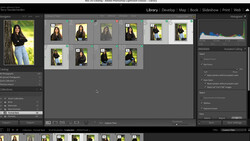
What gives this approach weight is how simple the actual processing becomes once the capture is handled with intent. Most images only need a few minutes: minor exposure and contrast tweaks, gentle color refinement, bringing out detail already there in the file. Because you are not fixing sloppy framing or rescuing badly exposed shots, you do not need heavy local adjustments or complicated layers, and tools like a graduated filter are used in the field instead of faked on screen. The result is a workflow where the computer is a finishing station, not the main creative stage, and the pressure shifts back onto the moment you decide to press the button. This video does not hand over every step of Roberts’ checklist or exact settings, so you are left with clear principles and a strong reason to refine your own routine by watching how he builds his. Check out the video above for the full rundown from Roberts.





Join the Fstoppers community for free
-
Post comments and join in the discussions
-
Browse the site ad-free
-
Share your work and get featured in the community
-
Compete in the photo contests for fun and prizes
No comments yet