Choosing between the Canon RF 100-500mm f/4.5-7.1L IS USM and the RF 200-800mm f/6.3-9 IS USM can feel like trying to choose between power and practicality. One gives you reach that borders on absurd, while the other makes every outing lighter and easier. The decision isn’t just about specs; it’s about how you shoot and what kind of day you want in the field.
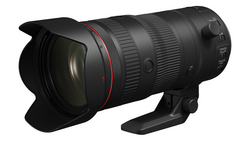
Coming to you from Jan Wegener, this detailed video breaks down the Canon RF 100-500mm f/4.5-7.1L IS USM and the Canon RF 200-800mm f/6.3-9 IS USM after extensive use. Wegener owns and regularly shoots with each one, sometimes side by side, so the insights come from real field experience. The 100-500mm stands out for its handling and build quality, as it’s smaller, lighter, and easier to operate. You can remove the tripod foot, the zoom action is smooth, and it slides easily into a backpack. The 200-800mm, on the other hand, feels bulkier and heavier, with a long zoom throw and a fixed lens foot that adds to the bulk. Still, the 200-800mm wins on price and reach. At around $2,000, it’s roughly a thousand dollars cheaper, and it delivers a native 800mm without needing a teleconverter.
The price difference matters less when you consider flexibility. With the Canon RF 1.4x Extender, the 100-500mm can reach 700mm, but once attached, you lose part of the zoom range. The teleconverter can’t be used below 300mm, so the practical zoom window shrinks to 420–700 mm. The 200-800mm doesn’t have that problem and still performs well even when extended further. You can use the 1.4x on it, hitting 1,120mm without the severe quality loss you might expect. That kind of reach makes it ideal when small, distant subjects are your focus.
Wegener also highlights the less measurable aspect: fun. The 200-800mm often becomes his go-to when he wants an easy, carefree shoot. It’s long enough to handle almost anything in the field and still small enough to handhold. Even compared to his Canon RF 600mm f/4L IS USM, the 200-800mm feels less conspicuous, which helps in crowded or public spots. But the 100-500mm pulls ahead in versatility. The 100mm wide end makes it more useful for environmental scenes or subjects that are closer. It also focuses more closely, so it can act as an emergency macro lens when needed.
In pure image quality, the 100-500mm is sharper and cleaner, with better coatings and less flaring. Cropped comparisons, though, blur the difference—literally. Once you match framing, the 200-800mm often looks just as good or better because you aren’t cropping as hard. Autofocus and image stabilization are solid in both, but the 100-500mm is faster, especially in low light. It’s weather-sealed to Canon’s L-series standard, while the 200-800mm’s sealing is more limited. Durability reports have raised eyebrows too, as some users have experienced the 200-800mm breaking under impact, something unheard of with the 100-500mm. Check out the video above for the full rundown from Wegener.



Join the Fstoppers community for free
-
Post comments and join in the discussions
-
Browse the site ad-free
-
Share your work and get featured in the community
-
Compete in the photo contests for fun and prizes
1 Comment
Are either of these “super zooms”? I would call them super telephoto zooms.