The Canon EOS R50 V takes a different approach from what you might expect at its price. It’s compact, lightweight, and aimed squarely at content creators who want strong video performance without hauling around a heavy setup. Its balance of portability and image performance make it worth a look.
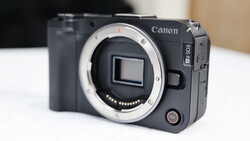
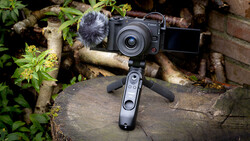
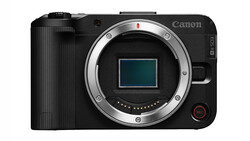
Coming to you from James Reader, this detailed video takes you through the strengths and trade-offs of the Canon EOS R50 V mirrorless camera. It’s built for video-first users, with a body weighing only 370 g with battery and card, a fully articulating 3-inch screen, a front-facing record button, and a tally lamp. The control layout is smartly done, with dedicated buttons for key settings and a rear scroll wheel that doubles as a D-pad for quick adjustments. There’s also a power zoom function when paired with the right kit lens. On the downside, the plastic build feels less premium, there’s no viewfinder, and only one card slot. The grip is small enough that using heavier lenses can feel awkward, but that size could be a plus for those who want maximum portability.
Image quality is a pleasant surprise. The R50 V records oversampled 4K from 6K up to 30p in 10-bit, producing sharp, clean footage that feels closer to higher-end Canon models. Colors, contrast, and skin tones come out naturally, even with minimal grading when shooting in Canon Log 3. Lens performance is strong, with both APS-C and full frame RF glass delivering solid results. The RF 24mm f/1.8 and RF 16-28mm f/2.8 pair especially well, offering a balance of compactness and quality.
Key Specs
-
Sensor Resolution: 24.2 MP APS-C CMOS
-
Video: 4K up to 59.94 fps, Full HD up to 120 fps
-
Internal Recording: XF-AVC S/XF-HEVC S 8/10-Bit
-
ISO: 100–32,000 (51,200 extended)
-
Continuous Shooting: Up to 15 fps
-
Display: 3-inch articulating touchscreen LCD
-
Weight: 370 g (with battery and card)
-
Connectivity: Wi-Fi 5, Bluetooth 4.2
-
Battery: LP-E17, approx. 90 min continuous 4K recording
Reader points out some trade-offs. Slow motion at 50/60p comes with a 1.5x additional crop on top of the APS-C crop, making wide shots harder. There’s no in-body stabilization, so you’ll need to rely on optical IS from lenses or digital stabilization, which works best for static or subtle movement shots. Low-light performance drops off past ISO 3,200, where noise and loss of detail become noticeable.
Dynamic range holds up surprisingly well, even compared side-by-side with the EOS R6 Mark II in challenging lighting. Overheating doesn’t seem to be a concern, with the camera running 90 minutes of 4K recording without a warning, though the battery will give out before you can go much longer. Photo quality is sharp and detailed with the right lenses, and the camera can produce images that belie its price point. Check out the video above for the full rundown from Reader.



Join the Fstoppers community for free
-
Post comments and join in the discussions
-
Browse the site ad-free
-
Share your work and get featured in the community
-
Compete in the photo contests for fun and prizes
No comments yet