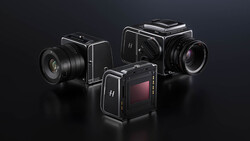
Medium format cameras have always occupied a unique space in the imaging world, offering unparalleled image quality at a premium price point. The Hasselblad 907X and CFV 100C represents a fascinating blend of heritage design and cutting-edge technology that challenges how you think about camera ergonomics.
Coming to you from Joe Allam, this thoughtful video explores what it's really like to shoot with a camera that deliberately slows you down, namely the Hasselblad 907X and CFV 100C. Allam spent over a month testing this distinctive medium format system around Japan, taking it to viewpoints in Osaka and Tokyo to capture everything from abstract crossroad patterns to rushing Shinkansen trains. The 907X's box-style design forces a completely different shooting approach than traditional cameras. You'll find yourself composing at waist level, looking down at the large touchscreen rather than through a viewfinder. This isn't a limitation but rather a deliberate design choice that connects to Hasselblad's film camera heritage.
The modular nature of this system sets it apart from conventional cameras. The thin 907X section serves as the lens mount, while the substantial CFV 100C digital back houses the massive 100-megapixel sensor. What makes this particularly interesting is that you can attach the CFV 100C to older Hasselblad film cameras, instantly converting vintage bodies into digital powerhouses. Allam demonstrates how this translates to real-world shooting, showing the camera's impressive crop modes including the ultra-wide Xpan ratio. The raw files from this 16-bit sensor are substantial, weighing in around 200 MB each, but they offer incredible flexibility in post-processing.
Key Specs
- 43.8 x 32.9 mm BSI CMOS sensor producing 100 effective megapixels
- 16-bit image capture with 4:3 aspect ratio
- Native ISO range of 64 to 25,600
- Electronic shutter: 1/6,000 s to 68 minutes, mechanical shutter: 1/4,000 s to 68 minutes
- 294 phase detection autofocus points
- Built-in 1 TB SSD plus single CFexpress Type B card slot
- 3.2-inch tilting touchscreen displaying 2,360,000 dots
- Hasselblad X lens mount with 0.79x crop factor
- Aluminum body construction weighing 1.4 pounds
- Dimensions: 4 x 3.6 x 3.3 inches
- 7.2V, 3400 mAh rechargeable battery
- Wi-Fi connectivity with iOS app support
- No video recording capabilities
Allam's honest assessment reveals both the camera's strengths and limitations. While the image quality is exceptional and the user interface rivals smartphones in responsiveness, the ergonomics don't suit every shooting style. The lack of weather-sealing becomes a concern given the premium price point of around $10,000 with a lens. Battery management also presents challenges, particularly when using the Bluetooth connection to a phone, which can drain power faster than expected. The absence of a dedicated battery charger means you're stuck charging through USB-C, which can be inconvenient for active shooters. Check out the video above for the full rundown from Allam.





Join the Fstoppers community for free
-
Post comments and join in the discussions
-
Browse the site ad-free
-
Share your work and get featured in the community
-
Compete in the photo contests for fun and prizes
3 Comments
Excellent review. Always been fascinated by that camera but (even if I could afford one!) I don’t think I could live with a non-weather-sealed camera these days.
Thanks for sharing my video! Always appreciative of the extra reach! 🙌
Nice design but very bad service and many problems with their sensors. Especially the H series which did not have the support it deserved and was badly discontinued. The company could design a new camera that accepts the lenses belonging to the H series and increase support for the H system. On the other hand, professional photographers choose Fujifilm which has direct and cheap service, the right models and an excellent resale network in Europe. Hasselblad, in addition to the nice design and advertising, did not invest as much as Fujifilm in service and promotion. At least here in Europe, this is what professional photographers and serious amateurs tell us. and resellers. The same problems with burnt sensors are observed in the 100mpx X series with a return to corresponding Fujifilm models. Too bad, it can try harder because all this does injustice to its history and those who still choose it.