Shooting a real, paid elopement on a Hasselblad X2D II is a very different thing than shooting still life or controlled portraits with one. The autofocus questions, the low-light tradeoffs, the raw file quality compared to cameras like the Sony a7R V — those only get answered when you're actually working.
Coming to you from Benj Haisch, this candid video follows Haisch taking the Hasselblad X2D II and the Hasselblad XCD 35–100mm f/2.8–4 out on an actual elopement shoot, independently and without Hasselblad's involvement. He'd previously done contracted work with the brand but wanted to go back and use the system on a real job with no strings attached. One of the first things he addresses is the size comparison between the Hasselblad zoom and his usual workhorse, the Sony FE 28–70mm f/2 G Master. Both lenses share 86mm filter threads and are surprisingly close in physical size, which matters if you're thinking about how this system fits into an existing kit.
Haisch also spent time at a real wedding to evaluate autofocus, and his conclusion is specific: he reviewed every frame from that day and didn't come away with a single out-of-focus shot of someone walking toward him or alongside him. He's not calling it a sports camera, as he actually spent about a decade shooting for the Seattle Seahawks and makes the distinction clearly. For wedding-pace movement, the X2D II holds up. He puts it above the Leica SL2 series in autofocus reliability, while being honest that it doesn't touch Sony's AI-driven systems. That's a useful bracket to know about.
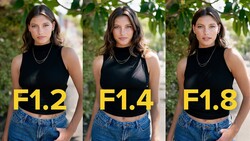
On the file quality side, Haisch shot the elopement alongside a Leica M11 and the Sony a7R V. The 16-bit raw files from the Hasselblad stood out immediately — more malleable, slightly more dynamic range, and a bit easier to get where he wanted them to go in post. He describes it as a small but consistent advantage, somewhere in the 2–5% range over already excellent sensors. Where things get more complicated is low light. Coming from fast primes at f/1.4 or f/1.2, the jump to a variable aperture zoom that tops out at f/2.8 and narrows to f/4 means ISO climbs faster than you'd expect, especially moving from outdoor to indoor environments. Haisch flags this as something to plan around if you're considering this lens as your primary option indoors.
Check out the video above for the full rundown from Haisch, including the real elopement images and his final take on whether the 35–100mm zoom earns a permanent spot in his kit.




2 Comments
2.8 on a "medium format" is basicaly 2 on full frame so what is the fuzz anyway. The difference is too small to make a point out of it.
2.8 is 2.8 when it comes to light, which was the point.