The Nikon Z 14-30mm f/4 S and the Tamron 16-30mm f/2.8 G2 both cover the wide angle range you need for landscapes, travel, and even astro work. Deciding between them matters because the choice affects not only sharpness and weight but also what conditions you can shoot in without carrying multiple lenses.
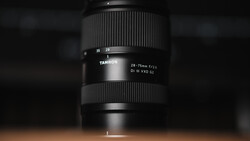
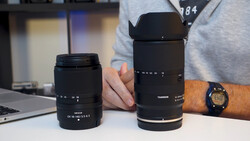
Coming to you from Adrian Alford Photography, this detailed video puts the Nikon Z 14-30mm f/4 S and the Tamron 16-30mm f/2.8 G2 side by side and shows exactly how they differ in real-world use. The Nikon is slightly shorter when retracted, but once extended at 14mm, it actually becomes longer than the Tamron. That matters because the Tamron uses an internal zoom design, which makes it better at keeping out dust and moisture. Alford explains how external zoom barrels like the Nikon’s can draw in fine particles, something you’ll notice over time if you’re working in dry or gritty environments. At the same time, he points out the Tamron’s front element does shift, so you’ll still want to protect it with a filter.
Size and weight differences may seem minor, but they add up. The Nikon weighs 485 grams, while the Tamron comes in lighter at 450 grams. Aperture is another clear dividing line. The Nikon runs from f/4 to f/22, while the Tamron opens to f/2.8 and stops at f/16. That extra light-gathering ability shows itself in minimum focus tests. At 16mm, the Tamron focuses as close as 19 cm, letting you create stronger background blur compared to Nikon’s constant 28 cm across the zoom range. When you step up to 30mm, the Nikon closes the gap slightly by focusing 2 cm closer than the Tamron, but the difference in bokeh still favors the faster lens.
Another surprising detail comes in field of view. The Nikon only goes 2mm wider at 14mm, but the difference is visible. Side-by-side examples make it clear that even those small numbers translate into noticeably more coverage, which matters for landscapes or real estate interiors where every bit of width counts. Autofocus speed is nearly identical, though Alford thought the Tamron snapped just a touch quicker from foreground to background. Filter sizes are less about performance and more about cost and convenience. The Nikon requires 82mm filters, while Tamron continues its consistent 67mm thread across the G2 series. That makes sharing filters between multiple Tamron lenses much easier, while Nikon owners may need step-up rings if they don’t want to buy several filter sizes.
Sharpness tests showed both lenses performing well, with the Nikon possibly just edging ahead when wide open, but not by a large margin. Price, however, is harder to ignore. The Tamron is a strong value from the start. Alford notes that for his own kit, he keeps the Nikon, but if he were starting fresh, he would lean toward the Tamron because its f/2.8 aperture makes it more versatile for astro, events, and travel without needing another wide lens in the bag. Check out the video above for the full rundown from Alford.



Join the Fstoppers community for free
-
Post comments and join in the discussions
-
Browse the site ad-free
-
Share your work and get featured in the community
-
Compete in the photo contests for fun and prizes
No comments yet