Design that pulls a film-era shooting posture into a modern body changes how you work from the first frame. If you chase detail and prefer to slow down, this camera forces intention at the point of capture without the usual digital shortcuts.
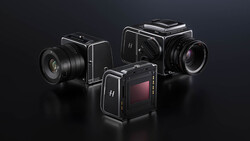
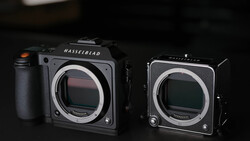
Coming to you from Evan Ranft, this thoughtful video examines how the Hasselblad 907X & CFV 100C Medium Format Mirrorless Camera pushes a slower, more intentional approach that favors composition and exposure discipline over speed. The flip-up screen and waist-level view echo classic V-system behavior, so you frame from above and think before you press the shutter. Menus live on the touchscreen and the main dial carries most of the work, which trims excess controls and nudges you to plan your shot. You trade convenience for clarity and feel that shift every time you set exposure or move a focus point.
Fast-paced street shooting exposes the mismatch at first. You try to work quickly and the camera resists, not with lag, but with design that rewards patience. Move indoors and the logic clicks. Manual mode gives you consistent exposures and tighter control over highlight rolloff. The 100-megapixel sensor is unforgiving in a good way, revealing texture in metal, fabric, and skin that smaller sensors smear or hide. Switch Lightroom to the Hasselblad camera profile rather than Adobe Color to keep tonal transitions cleaner and maintain the brand’s color signature without fighting sliders.
Key Specs
-
Lens mount: Hasselblad X
-
Sensor: 43.8 x 32.9 mm BSI CMOS, effective 100 megapixel
-
ISO: 64 to 25,600 native
-
Stabilization: No
-
Shutters: Leaf and electronic up to 1/6,000 second, 1/4,000 second mechanical
-
Storage: Single CFexpress Type B slot, 1 TB internal
-
Display: Tilting 3.2" touchscreen LCD, 1,024 x 768 (2,360,000 dot)
-
Wireless: Wi-Fi, Phocus Mobile 2 (iOS) for remote and file access
-
File formats: HEIF, JPEG, raw at 16-bit
-
Battery: 7.2 VDC, 3,400 mAh (included)
-
Body: Aluminum, 4 x 3.6 x 3.3", 1.4 lb, 1/4"-20 tripod mount
Tripod work on a rainy morning shows where this design feels at home. Waist-level viewing slows your steps and turns framing into a deliberate sequence rather than a reflex. You place the camera, wait for a subject to enter the scene, and press once instead of spraying. Shooting fewer frames makes culling faster and storage saner, which matters when every file is heavy and the internal 1 TB tempts you to keep rolling. The experience invites you to think in squares or minimal compositions and step outside usual habits.
You can take it back to city work if you adjust expectations. Treat it like a compact medium format box that rewards timing rather than speed and it holds up in street and architectural scenarios. The detail ceiling is high enough to print large without stress, and dynamic range helps when scenes mix bright signage with deep shadow. It’s not a hybrid body and doesn’t chase video, and that clarity of purpose keeps your attention on the still image and the craft of making it. If your day relies on rapid AF tracking and long bursts, the pace here will feel like driving a manual in traffic.
Price stirs debate, but the value argument rests on experience plus output rather than feature lists. If your work thrives on methodical setups, tripod sessions, and precise color, this system aligns with that practice. If your schedule runs on events, sports, or reactive moments, a faster all-rounder makes more sense. The appeal lives in the way the body pushes you to choose a composition, confirm focus, and own the exposure rather than fix it later in post. Check out the video above for the full rundown from Ranft.

Join the Fstoppers community for free
-
Post comments and join in the discussions
-
Browse the site ad-free
-
Share your work and get featured in the community
-
Compete in the photo contests for fun and prizes
No comments yet