Walking into a wedding as the only person handling both photo and video is a gamble that hinges entirely on the light waiting for you. The decision to add a highlight film wasn't made in advance; it was made on arrival, after the conditions turned out to be forgiving enough to pull it off.
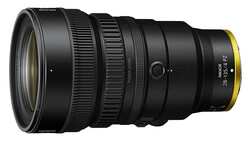
Taylor Jackson walks through a full solo wedding day shot on a Sony kit built around the Sony 50-150mm f/2, the lens he leaned on from getting ready through sunset. Jackson also carried the Sony 24mm GM for the tight rooms and the chaotic dance floor moments, plus a Ricoh R1s film camera that lives in his back pocket and throws light leaks across faces at random. His reasoning for the 50-150mm over the lighter, cheaper Tamron 35-150mm comes down to how f/2 looks at 150mm, and he's honest that the cost gap only makes sense for him because pro glass holds its resale value. The internal zoom and short throw let him move from 50mm to 150mm with one finger without tipping off the couple.
The technical spine of the day is the Sony a7 V shooting 4K 60p with no crop, a jump from the a7 IV, which forces an APS-C crop at that frame rate and turns a 50-150mm into a far less useful 75mm-plus range. Jackson runs active stabilization all day rather than dynamic, which crops in hard and strips away the wide end he needs. He also skips ND filters entirely, breaking the 180-degree shutter rule most video shooters treat as gospel. His workaround is simple: keep the camera still, set up a shot like a photograph, hit record, and let the motion happen inside the frame.
The crop-mode point deserves a closer look for anyone weighing megapixels against reach. Jackson maps his C2 button to jump straight into crop mode, dropping his 33-megapixel files to around 14 megapixels for extra effective focal length. On a 4K monitor, he can't tell the cropped frame from the full-resolution one, and 14 megapixels still prints large. This lines up with a quieter shift in wedding work over the past few years, where photographers have stopped chasing raw resolution and started prioritizing the light, the lens, and the moment. A full frame sensor gives you room to crop in-camera or in post without penalty, which means the 24-to-33-megapixel range covers almost any real delivery. If you've been talked into believing you need 45 or 60 megapixels to shoot weddings, this is a useful reality check on where the actual limits sit.
On the business side, Jackson makes a case for outsourcing your video edit early instead of learning to grade footage yourself while you're already buried. He points to a 14-day delivery window during most of the year for the highlight edit, which stretches to roughly two months at worst during peak season. That turnaround becomes something you can market directly to couples who've heard the horror stories about films arriving six months late. His advice for adding video to your services is measured: message booked couples a month out, offer a one-minute highlight for your first attempts, and don't commit to a three-minute film before you've made one.
The video above shows Jackson reading the light, scouting sunset, and pulling off the whole day on a single lens, so press play to see how the footage actually turned out.


Join the Fstoppers community for free
-
Post comments and join in the discussions
-
Browse the site ad-free
-
Share your work and get featured in the community
-
Compete in the photo contests for fun and prizes
No comments yet