
Fstoppers Reviews the Zenitar 50mm f/1.2 S
The Zenitar 50mm f/1.2 S is a hodgepodge of vintage lens design brought into the modern world in order to marry the delight of swirly bokeh with the convenience of a modern lens mount.
The Zenitar 50mm f/1.2 S is a hodgepodge of vintage lens design brought into the modern world in order to marry the delight of swirly bokeh with the convenience of a modern lens mount.
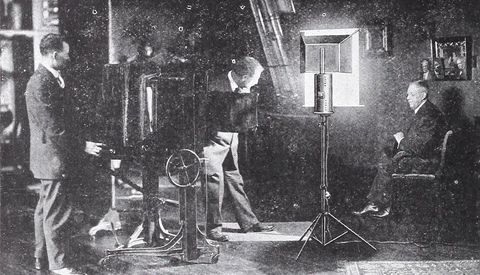
On April 3, 2013, one company turned off the lights in more than 2,000 portrait studios in a single day. CPI Corp. ran the Sears Portrait Studios and the PictureMe studios tucked inside Walmart, and when it collapsed it took the mottled blue backdrop, the laser-beam background, and the sheet of wallet-size prints down with it.
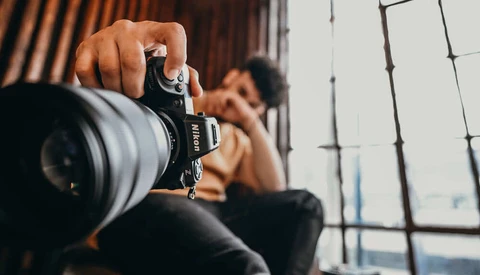
Buying your first interchangeable-lens camera is a harder decision than it should be, because the marketing pushes you toward the wrong questions. It wants you comparing megapixels and burst rates between bodies. Those numbers barely matter for a beginner.
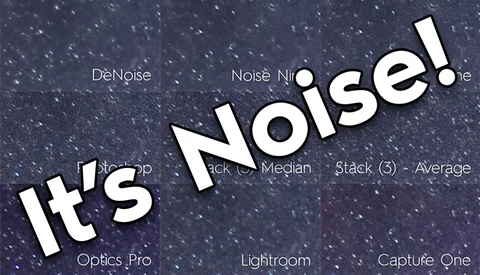
Imagine yourself under a starry night sky. Wouldn’t it be great to capture the Milky Way to show it at home or on the web? Unfortunately, you are left with a black frame after you’ve pointed the camera upwards at settings you are used to. It's time to open up the aperture, lengthen the exposure, and bump up the ISO. You will introduce noise, but do you really care?
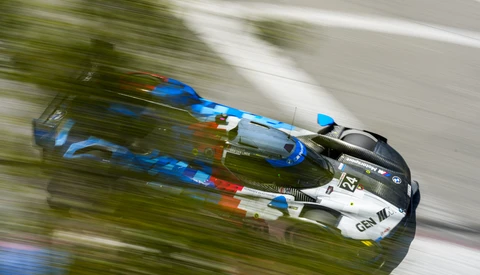
Panning is an integral part of sports and action photography, but mastering the technique can add interest and intrigue to many genres. I am going to break down the five things I consider when trying to create a good panning image.
Check the active imaging area specified for the sensor inside a Sony RX100 and you get 13.2 x 8.8 mm, with a diagonal of about 15.86 mm. That is close to 16 mm, not the 25.4 mm that an inch is supposed to be.
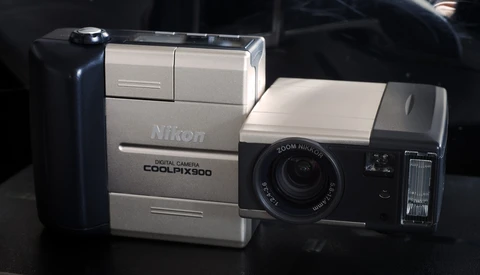
Shoot past frame 9,999, and the camera does not run out of numbers. It closes the folder it has been writing to, opens the next one, and starts again at 0001, which is how two shoots two years apart both end up holding a file called IMG_0473.CR2.

For first time travelers to Kyoto, it can be a bit confusing to choose where to shoot. Unlike my previous posts on Madrid and Barcelona which are about three-hour photo walks, this article will be similar to my Tokyo article which involves five different locations. Here is a link to a great website to give you a better overview of each location and other locations worth a look.

There are a couple of composition rules for photography that often work great for landscape images. These rules are used for placing a subject in the best possible location in the frame. It can be difficult to find a clear subject, though. I believe Gestalt Theory can help in this regard.

For you photographers who have always been curious about the Leica look, this article is specially written for you.
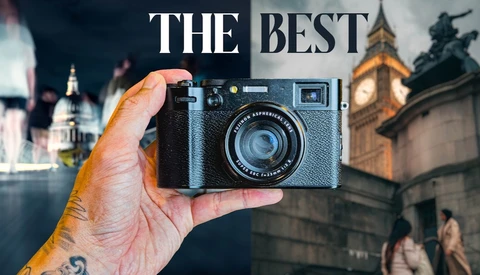
The Fujifilm X100VI is the kind of camera people buy to carry everywhere, and that only works if it keeps delivering once the light fades and the rain starts. A fixed 23mm lens and a body small enough for a coat pocket come with real limits compared with a larger interchangeable lens kit.

The Canon EF 85mm f/1.8 USM lens is the oldest piece of kit in my work camera bag. As I get ready to upgrade all of my gear, I thought a lifetime review was in order.
I am essentially a one-man photo department for a 135-year-old newspaper. On top of that, I shoot portraits and events professionally, and have for over a decade.
Gear doesn't sit on a shelf for very long. It has to put in work and earn its keep.
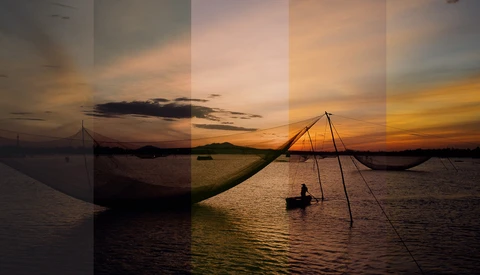
Late last year, Really Nice Images released their latest Lightroom preset pack, All Films 5. I've spent the last couple of months experimenting with it and will share my experience with it so far. I'll dig into the flagship features of creative profiles, native fading, and highlight protection to see if they are all they're cracked up to be.

Mirrorless camera gimbals have become some of the most popular filmmaking accessories. With smaller, lighter cameras becoming more capable than ever before, many creatives are now opting for lightweight setups. For this reason, we compared two gimbals from Zhiyun to determine which is the best.
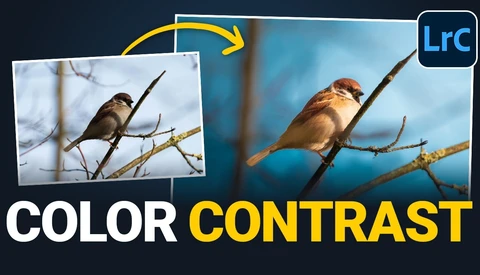
Bird photography is brutally unforgiving when it comes to editing. A dull background, clashing colors, or a flat-looking subject can kill an otherwise great shot, and getting it right in Lightroom takes a specific sequence of decisions that most people skip.

Adobe Lightroom Classic still scares people off in 2026, mostly because the first 10 minutes feel like a wall of buttons and empty panels. If you shoot a lot, you need a setup that keeps files predictable and edits reversible, not a messy pile of “final_final_2” exports.
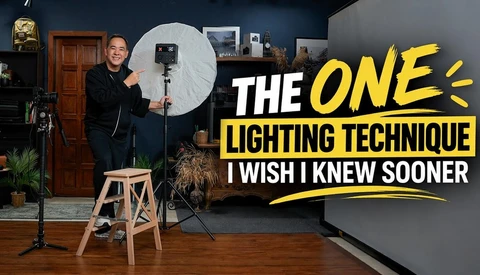
A white wall behind your subject can go pure black in the final frame, even when the light never moves. You can get two completely different portraits from one setup in a room the size of a spare bedroom if you know how to use the light already in the room and how to shut it out.

Photographers have been pitched AI from every angle by now. It will edit faster, cull smarter, retouch cleaner, and somehow save us from our own workflow. Most of those promises stay inside the image itself.
That is not where I found the real value.

You don’t get good fast prime lenses at a bargain price—definitely not below $400. That’s what we thought. But this lens from Sirui seems to be an absolute hidden gem that we need to talk about.
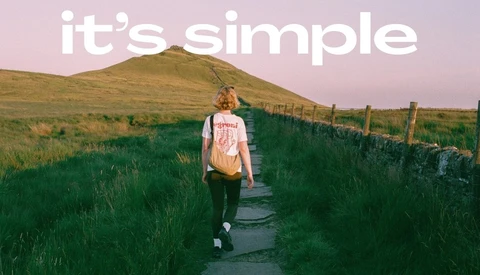
You keep taking pictures of anything that catches your eye, and back home they look off without any obvious reason why. Crowds pile up, harsh sun bites, and the frame reads as noise instead of a subject.
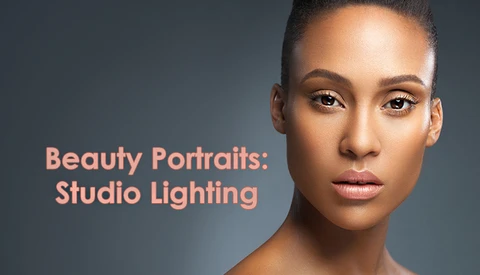
In this article I would like to share some of the basics and tips for those of you who enjoy shooting beauty portraits with controlled artificial lighting.

The Canon Cinema EOS C50 is a compact cinema camera aimed squarely at solo shooters and traveling videographers who want cinema-quality footage without hauling a full-size rig. If you already own a Canon Cinema EOS C80 and wonder whether the smaller body is worth the trade-offs, the answer is more interesting than you'd expect.
Four handmade photo books arrived in one week, and each one circled the same feeling: nostalgia, and the ache of things passing. That thread runs through this entire round of submissions, and it turns a simple show-and-tell into a quiet lesson on how personal work holds together.
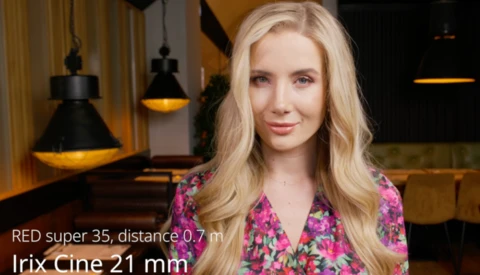
Pull focus on a video clip from a near subject to a far one and watch the edges of the frame. On many lenses, the image seems to subtly zoom in or out as the focus shifts, as if the lens is quietly inhaling and exhaling. That is focus breathing, and once you have noticed it you cannot unsee it. For photographers it is usually a footnote.