
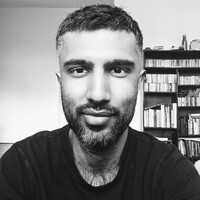


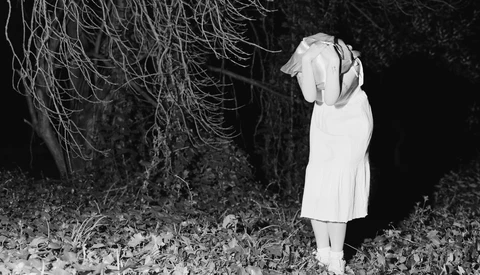
We Interview Rhy Dyball: Understanding the Human Condition Through the Uncanny
Rhy Dyball is a photographer and artist working with themes uncanny and eerie images.
Rhy Dyball is a photographer and artist working with themes uncanny and eerie images.
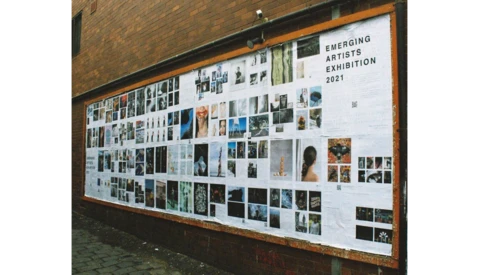
Exhibition opportunities are often few and far between for artists.
Sure, galleries might do open calls; similarly, there might be open calls for festivals. Alternatively, you might approach a publisher or self-publish a photo book. The biggest hurdle with many of these is managing expectations between the various stakeholders.
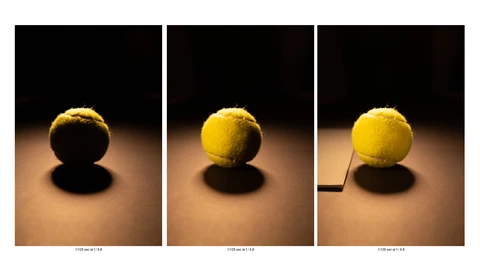
Photography is quite literally painting with light. As such, it’s important for a photographer to be able to see and shape light.
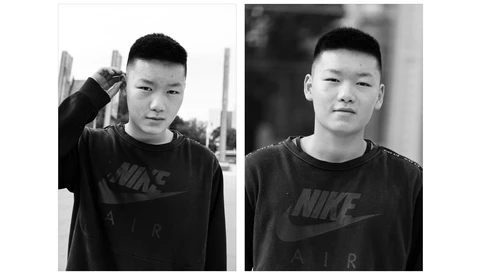
Choosing a lens which will give you desired results for a particular portrait assignment is an integral part of being a photographer.
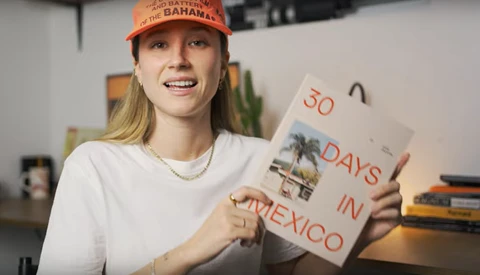
Making a photo zine can be a great way to present a body of work or, alternatively, re-contextualize a series of images which may exist elsewhere, such as on your website.
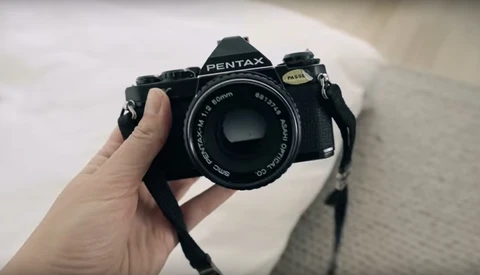
There are some aspects of film photographs that can’t be replicated with digital.
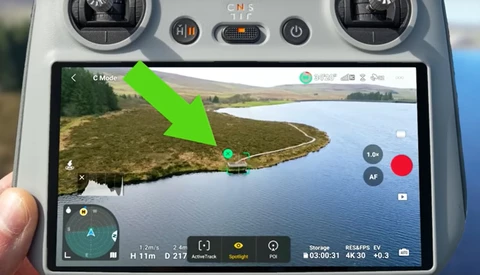
Videography, unsurprisingly, has the added element of needing to not only frame a shot but consider how a camera might move within the space for the duration of the video.
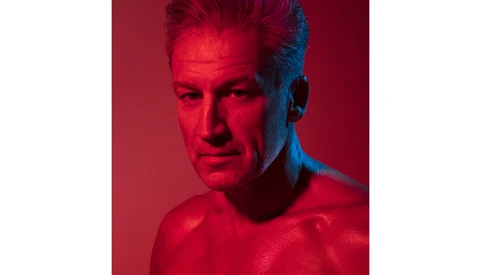
I consider myself a Canon shooter through and through. This article isn’t about one camera manufacturer being objectively better or worse than another.
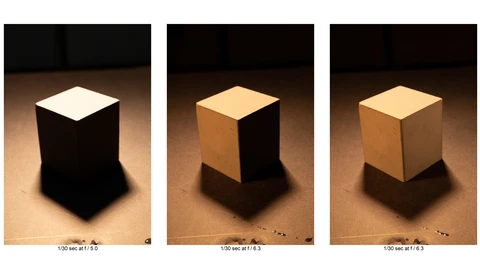
A fundamental lesson in photography is the exposure triangle. Learning about ISO, shutter speed, and aperture is something all photographers should do.
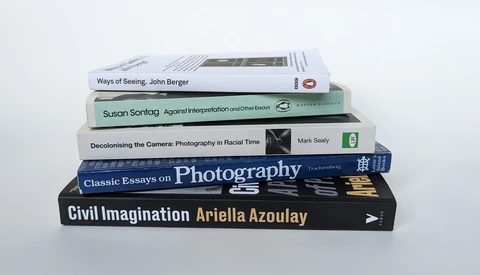
Reading is what? FUN-damental! Ok, my bad dad joke aside, books are a great way to gain a deeper perspective on a topic from those making great strides within a field.
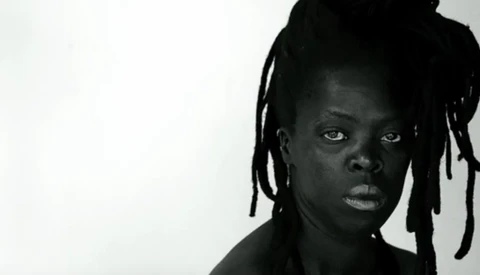
Photo festivals are a great way to show work outside of where you live. Many of them, such as Arles or Photo 2022, have open calls to pitch work. Since these festivals often show early career artists with established names, they offer deeper insight into current ways within photography.
Painting is an art form. So are music, prose, and dance. No one argues otherwise. But photography, since its very inception, has had to justify itself as a legitimate art form.

Around 2010, I upgraded computers and was very disappointed that I’d lost my CD of Photoshop. I was even more disappointed when I went to the store and remembered how expensive it was. Begrudgingly, I did re-purchase Photoshop.
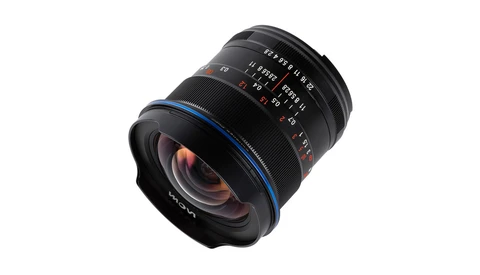
Certain tools, including lenses, are often intended to be used in specific ways. However, by working in an unintended manner, you can create something unique and unexpected.
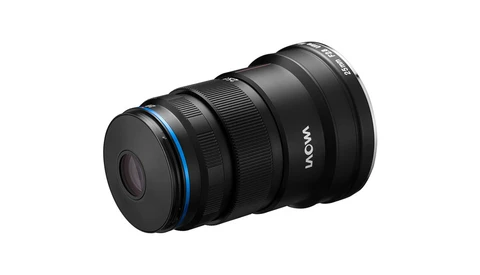
The past few years, Venus Optics has been making great strides in affordable, niche lenses. In this video, photographer Markus Hofstätter shares his experience with the Laowa 25mm f/2.8 2.5-5X Ultra Macro lens.
As a medium, photography is all about sight. If you can’t see it, you can’t really take a photograph of it. The alternative is, of course, things like art, music, or prose where you don’t need to see something to make something about it.
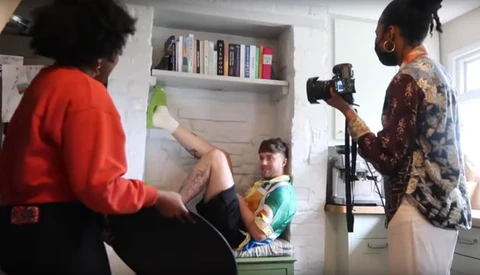
An editorial shoot, like any type of photography, requires a perfect blend of planning and play. Timing is critical, especially when working with a celebrity. In this video, London-based photographer Ejatu Shaw shares a behind-the-scenes look of her shoot with radio host Roman Kemp.
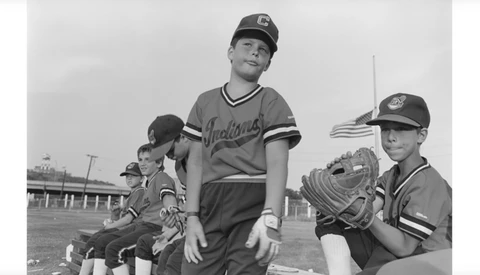
As the adage goes, “you have to run before you can walk.” This also applies to photography. Once you’ve learned how to consistently make a good image within your camera, what is the next step?
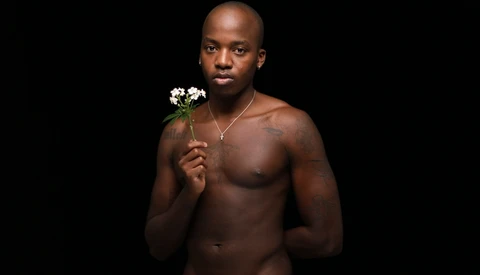
I have a photographer friend who consistently gets flagged on Instagram for posting images which violate Instagram’s terms of usage. The reasoning: he photographs mostly nudes.
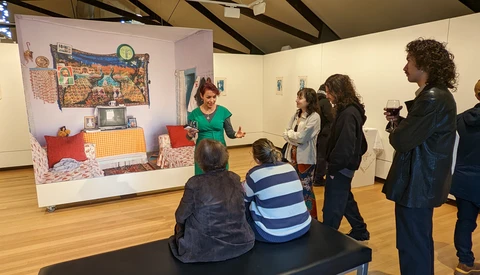
As a photographer who works primarily within an art context, I often find myself seeking opportunities to share my work. In saying that, I would imagine being able to convincingly write and communicate about your work is a skill all photographers might find useful.
Photographing headshots can be a great entry point into a career as a professional photographer. Or if you have a few years under your belt, they can be an excellent source of additional income alongside your main field in photography.
One of the first things any portrait photographer should learn is how to create soft, flattering light.
The claim is that NFTs got rid of gatekeeping in photography. Anyone can pick up a camera, mint a few NFTs, and make money. But what does this actually mean?
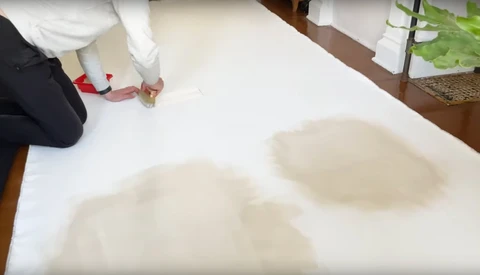
Custom-made, hand-painted backdrops were all the rage a few years back. I personally could never justify the price of one, but that doesn’t mean I haven’t wanted to try it out.
It can be frustrating when, as a new photographer, you want to work with models. You put your little ad up on Facebook and… nothing. What do you do?
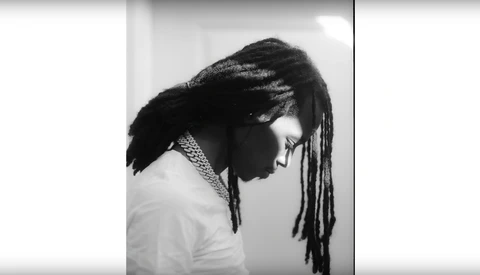
Photography authorship has historically been very one-sided. In this video, Vuhlandes is quick to confess that making photographs has historically been a medium for those few people who had the resources by way of money and time to make images.
In his video, Vuhlandes focuses on macro work and harkens to a hypothetical type of photographer who creates macro images.
When I was first starting out, I got deeply into conversations about style. What is this thing that will get me hired? How do I get it? Recently, I’ve realized that a photographic style isn’t the be-all and end-all magical thing that many beginner photographers think it is.
The age-old question resurfaces: is film better than digital? In this video, the victor is crowned once and for all.
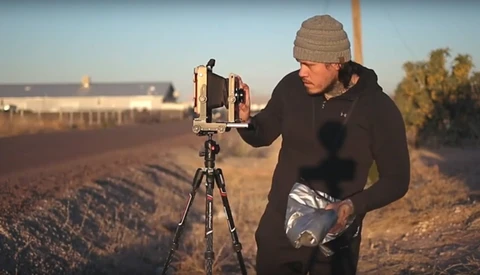
Photography is a high. The magic that some of those first images a photographer takes is difficult to put into words. The joy that comes from image-making hooks you, and often, there is no turning back.
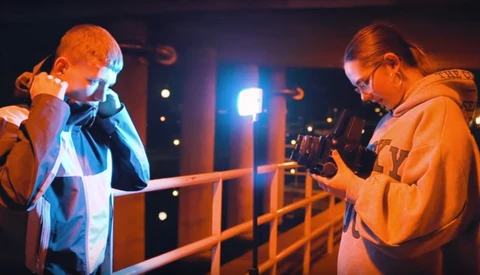
Being a photographer means being able to adapt to any given lighting situation to create images that are remarkable. In this video, Sophia Carey shares some of her insights with a behind-the-scenes look at a night portrait shoot on film.
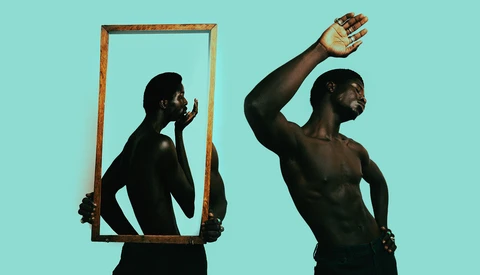
Jordan Blake is a black artist originally from Nigeria. He has lived in Baltimore, USA for several years. After finishing college, he made the move to New York to better figure out and explore who he is and what type of images he wants to create. Of course, it doesn’t go unnoticed that New York also offers greater opportunities for collaboration and sharing of work.
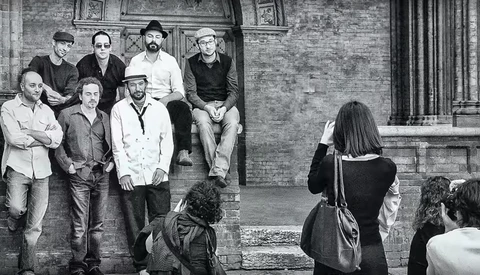
As you get better and better at photography, you learn more and more. This has the negative effect that there then exist fewer and fewer new things to learn since you already know most of them. I was surprised to find this video by Alex Kilbee where he shares some lesser-known photographic phenomena.
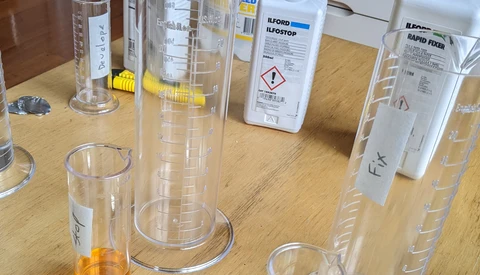
In an age where content is king, it can feel overwhelming to constantly churn out post after post ad nauseam. Is there an alternative?
The Power of Saying No in a Culture Where Content is KingSocial media is a beast. You need to feed it every day with content.
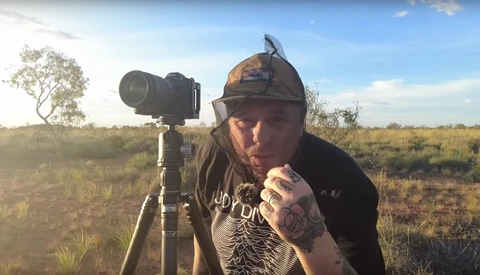
Growing as a photographer means finding new and more creative ways to shoot. The best way to do this is to challenge how you normally do things and mix it up with small changes, such as shooting at a different time of day.
In digital photography, chimping is when you take a photograph, look at the LCD screen, and then adjust your exposure settings (ISO, aperture, shutter speed) if they are a bit off. In this article, I will tell you why you shouldn’t be doing this.