
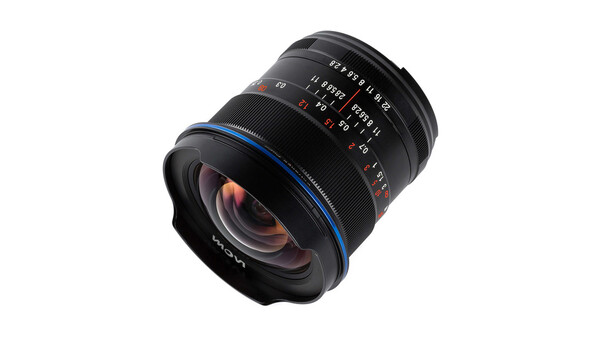
Certain tools, including lenses, are often intended to be used in specific ways. However, by working in an unintended manner, you can create something unique and unexpected.
Working as Intended
For example, there are certain lenses which just innately work well for certain things. From my own kit of lenses, I usually lean on my 85mm for portraits. This is because it is wide enough and long enough to work on location, and whether on location or in studio, it offers a type of image which shows off the subject as “true to life.” Alternatively, if I am wanting to get a similar effect but am in a tighter space or want to show more of the subject, I’ll pull out my 50mm lens.
As one final example, neither of these really work if I want to shoot close-up beauty work which shows off all the beautiful skin textures of the subject.
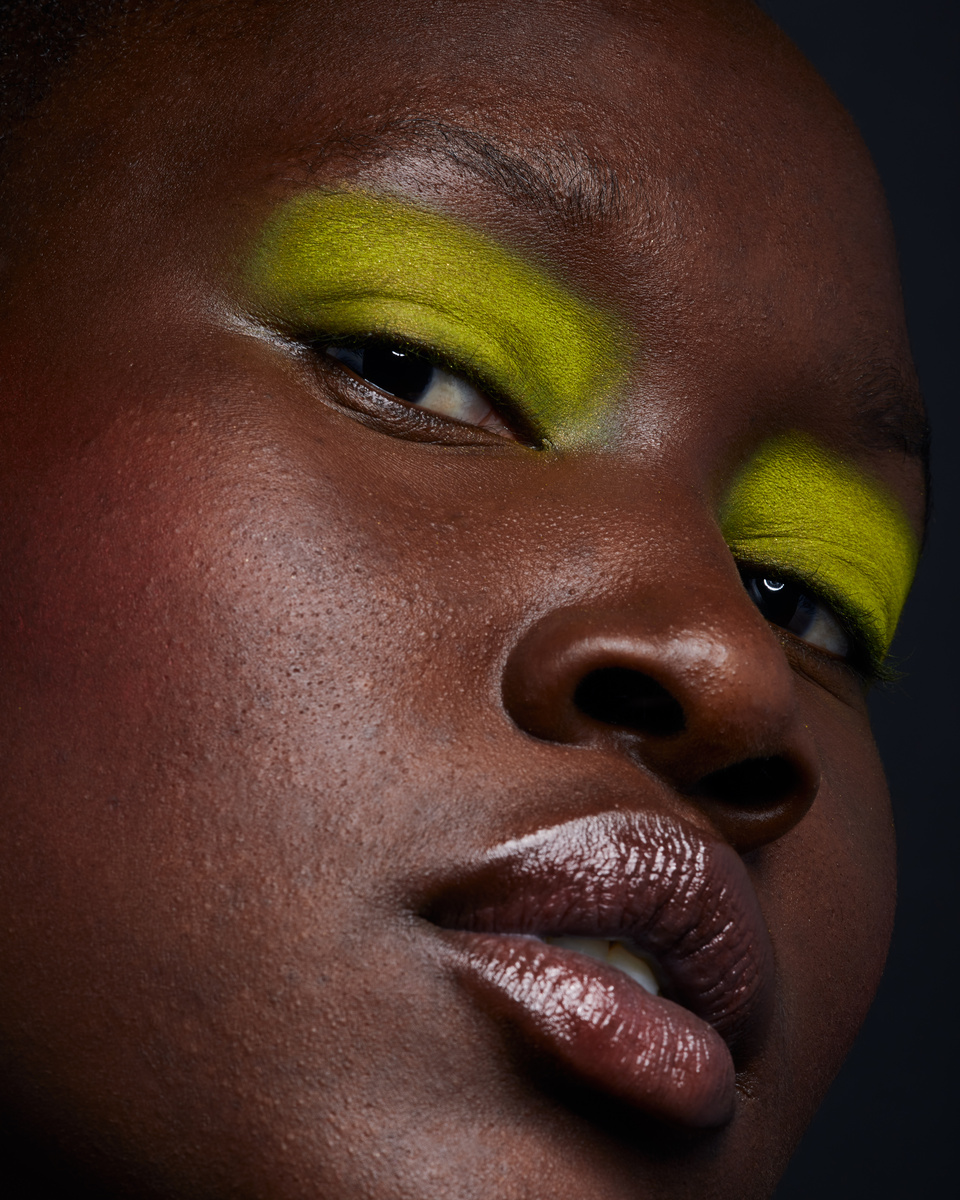
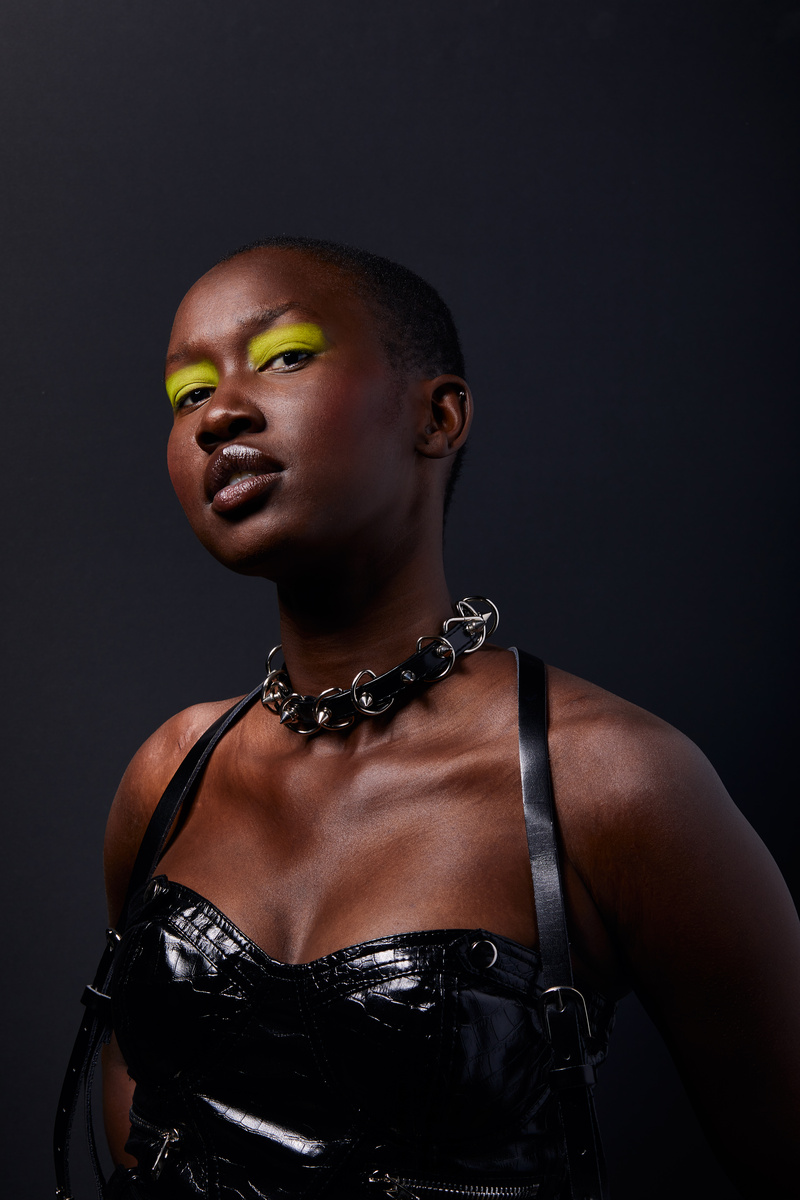
My point is: certain lenses are just better for certain jobs. I wouldn’t eat spaghetti with a spoon, and I wouldn’t eat soup with a fork. I could, but it would just be making things harder for myself. But the thing is, photography isn’t eating food. As a creative exercise, knowing the specifics of a lens and how to use it is great. But the other side of this example is that you can also break these "rules" to find images which provide a different perspective or point of view.
Distortion
All lenses distort. An image is just that: a facsimile or copy of the real world. The key factor is knowing how a specific lens distorts and to what degree.
Certain lenses, as mentioned, work well for certain things. Most short lenses, such as the Laowa 12mm f/2.8 ZERO-D, tend to distort images so they become more and more "fish-eyed." The center of the images bulges larger and the edges become increasingly compressed. As an example, Tim Walker recently used a fish-eye lens to great effect to photograph musician Harry Styles.
The 12mm Laowa, by contrast, is a rectilinear lens. Instead of distorting straight lines to curve and bend, it keeps everything linear. There is distortion still. The center of the image seems smaller and further away, and the edges stretch out as if falling out of the frame.
To quote the makers themselves:
…this is an ideal lens for a variety types of photography. From landscape, architecture, interior, travel to the most important, astrophotography.
Breaking the Rules
To use this lens for portraits seems so wrong. As with anything, knowing what a lens does is an important first step.
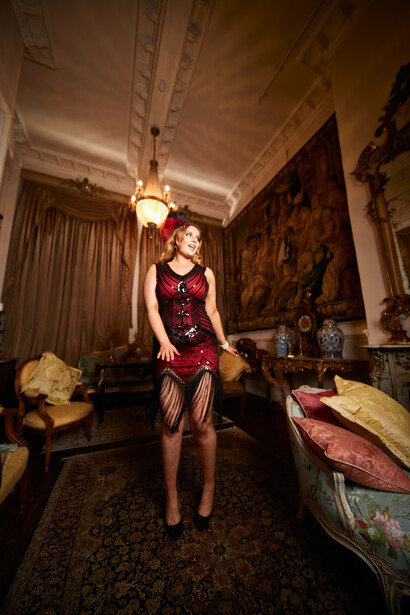
For this shoot, I worked on location in a rented studio set up to look like a Parisian parlor. There were elaborate tapestries and amazing furniture. But the space was tiny. Shorter lenses are usually fish-eyed, and so, there is a trope that if they are shot in a small space, we feel as if the space is actually small. By working with a rectilinear lens, I was able to show a lot more of the location but break the trope that most fisheye lenses offer.
Secondly, I didn’t fight what the lens does. I know it stretches out the edges of the frame. I used this to creative effect and put body parts towards the edges to intentionally stretch them out.
For a standing model, this makes them look even taller. And for those sitting or in other poses, it stretches out and elongates limbs to offer an image which is more eye-catching than if things were more correctly proportioned.
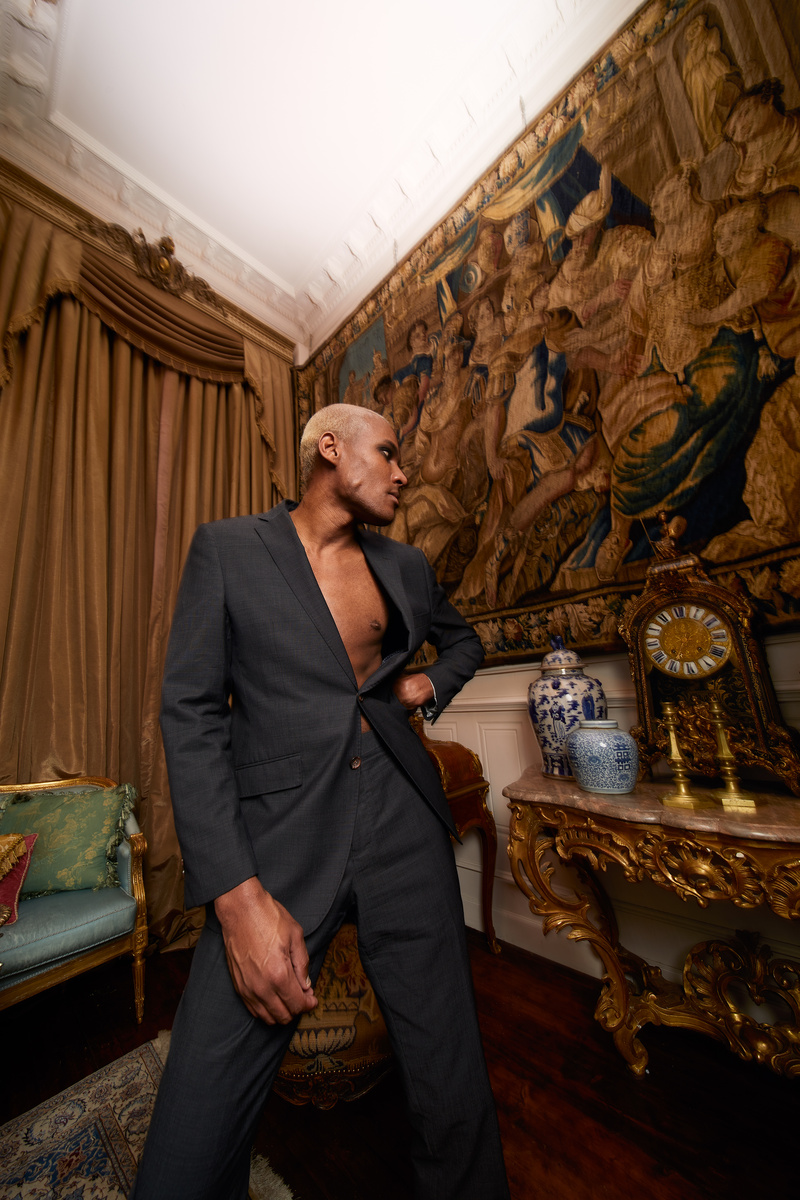
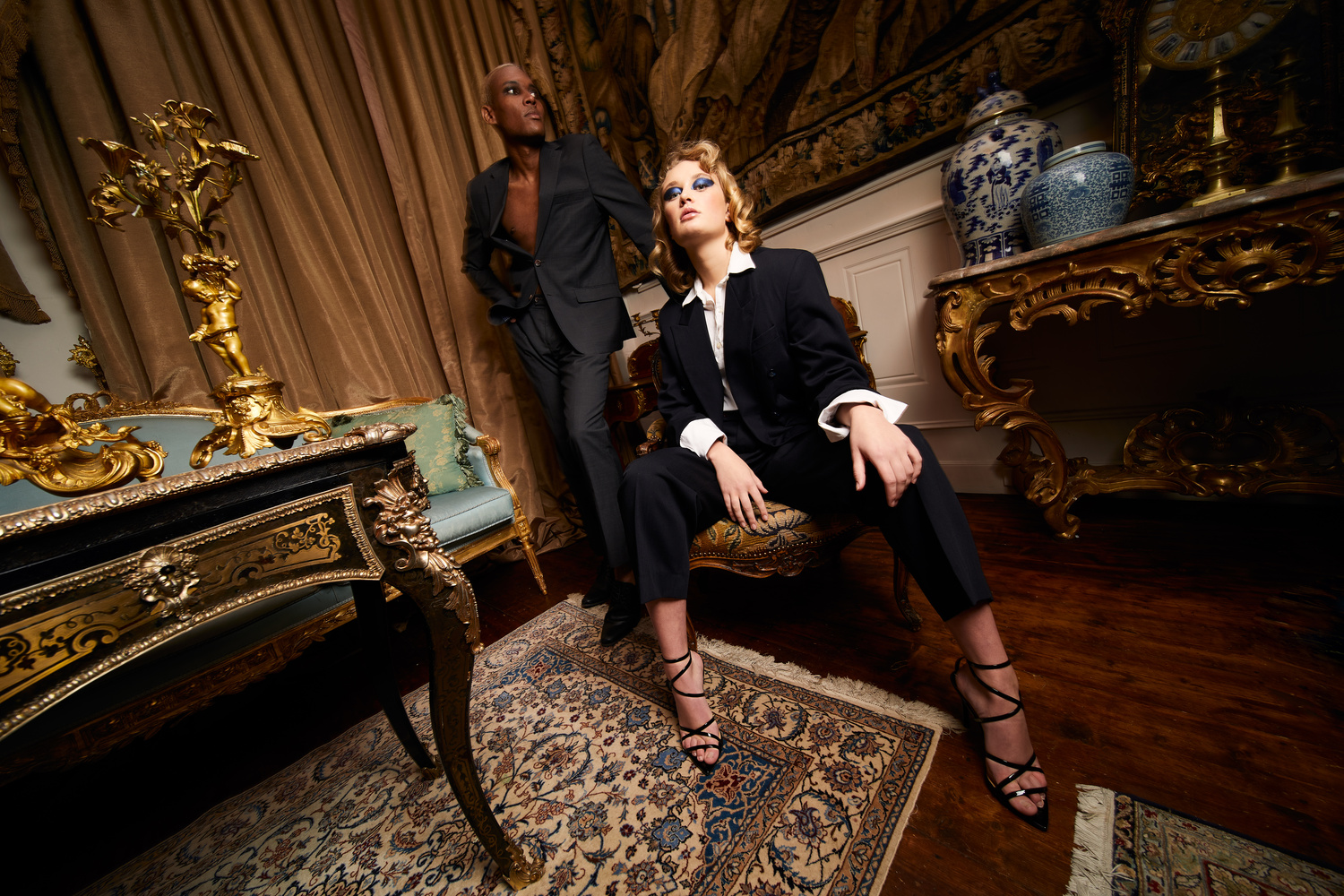
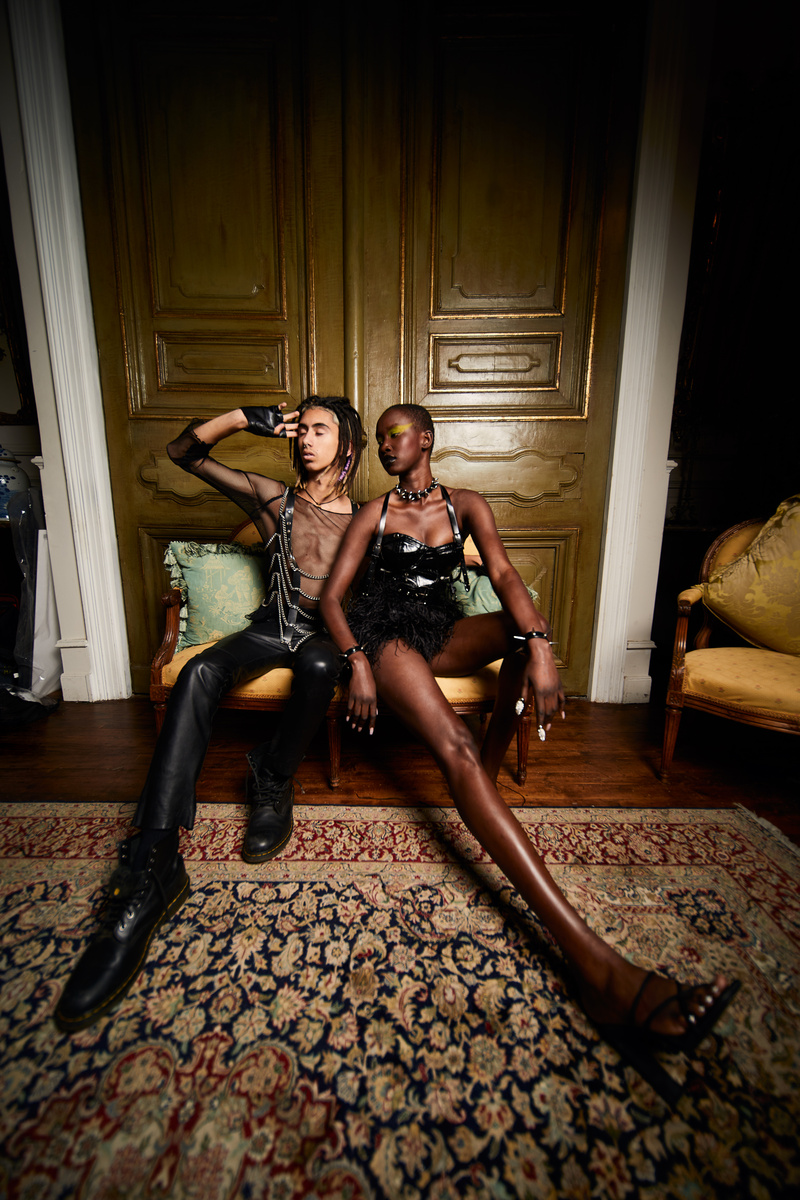
These few images are part of a larger editorial of images, and so, I didn’t just use this one lens to photograph everything. But by interspersing images on this lens with some of the other lenses in my kit, I was able to create a body of images which offer this otherworldly, dreamlike story, which was my intention all along.

Join the Fstoppers community for free
-
Post comments and join in the discussions
-
Browse the site ad-free
-
Share your work and get featured in the community
-
Compete in the photo contests for fun and prizes
2 Comments
Very cool perspectives with the rectilinear wide-angle lens in your photos! I have used a fisheye 8mm to achieve a certain exaggerated look of the landscape similar to a Mars rover several times. But with human subjects, the type of distortion achieved with this rectilinear lens seems minimal to the subjects as long as they are in the center of the frame. I am hoping one day for a lens that could be adjusted between fisheye and rectilinear mechanically, or perhaps a range of lens correction in camera lens profile selection that ranges from curvilinear to rectilinear.
A wide angle lens user and using for portraits is kind of weird to me as well as not knowing how to aim which gets those old fisheye looks. Always aim at the corners and your subject(s) closer. The main reason for the ultra wides is two part a subject story close and another story behind some distance getting a panorama like capture in the backstory.
A smart use of the 12mm also the 10mm is for a landscape wide view like a panorama but with the bottom and top part included and in those cases remember things will be very far away and using f/8 to f/11 everything will be sharp close to far and unlike a panorama where each section with clouds has to be edited somewhat to merge/combined in post. That is the joy of it, but if using a filter for sky with either you must use the rule of thumb as to where the sun is other wise you will get the hanging blue hump.
Indoors with round rooms very good if multi floors included like a sky with many cloud layers #1 captured with the Sony E10-18mm F4 OSS in full frame mode at 12mm. Outdoors is good for also the multi level story #2 and #3 captured with Voigtlander Heliar-Hyper Wide 10mm f/5.6 Aspherical Lens.
The biggest trap many fall for is the "get it all in" trap were there are no two stories to tell "the close and far away" for like a tourist capturing a vastness like the Grand Canyon where a a telephoto up close shot of rock wall texture may be better.
Lastly Astro Milky Way captures if used in landscape #4 captured with the Laowa 10mm f/2.8 Zero-D 5-Blade Autofocus Lens (Sony FE) shows where the trail in the stars is no matter straight across and not in a rainbow like Arch, just info photo. You need to do a Panorama to get the arch look, the key plus in the 10mm or 12mm first is used in portrait view doing a panorama with either you will capture more sky that is not only high but also over your head and a little beyond so when putting all frames together you have more pinpoint stars above and due to Pegasus looking so small you can even crop in some for more detail, as an additional note at night you can use the f/2.8 and not have to use f/8 for detail near and far for at night at f/2.8 you will have sharpness from the ground right in front of your tripod, say seashells, all the way to the horizon, say a buoy or even a hotel room/sign on the horizon if you zoom at 300+ % in post just make sure the stars are in focus!
I got involved with my E 10-18mm using at 12mm in full frame mode way back in 2015 but always had a foreground driftwood with a sky full of stars and the path from side to side but not till 2017 did I get to know about panoramas with a $100 pano rig and discovered the rainbow of stars in the night sky with many subjects below that dreams are made of.
Also Sony A7 mode 1's and 2's have a pano selection on the upper dial to play with if you dare.
# 2 was captured due to panorama photographers were standing on the very edge doing multi row panoramas but I had the 10mm on my A7RM2 and got a safer capture # 3 was in the Florida caves and tripods not allowed but using a bungee cord to my belt I was the tripod and before I got the A7RM2 with IBIS and the 10mm got more than any post card!