

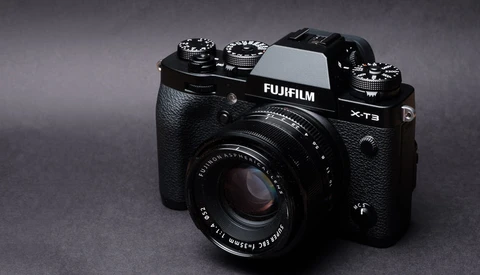
Fstoppers Reviews the Fujifilm X-T3 Camera
The X-T3 brings a host of changes and improvements over previous X-series cameras. Its new sensor and processor enable much faster performance and significant feature enhancements for both stills and video.
The X-T3 brings a host of changes and improvements over previous X-series cameras. Its new sensor and processor enable much faster performance and significant feature enhancements for both stills and video.

As photographers, we need to put our best foot forward, especially if we're hoping to get clients to hire us or even simply aim for a quick dopamine hit on Instagram. However, one of the most beneficial exercises I have done is to look at the process of getting to my own favorite images and the process others follow to get to theirs.
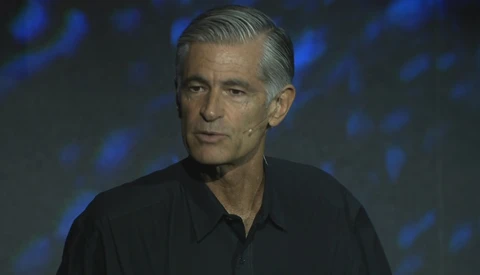
Powerful photojournalism and the service the press provides in raising awareness of issues is no longer held in the regard that it once was. In his 2007 TED Prize acceptance speech, James Nachtwey not only displayed some of his haunting imagery and talked about its meaning, but discussed the duty the press has. It seems more and more relevant as time passes.
The Fujifilm X community of photographers are a loyal bunch, sometimes to a fault. It’s understandable, though, as Fujifilm provides consistent updates, even for cameras of previous generations. But recently, this seems to have become a crutch, and the X-T3 has inspired me to write this open letter.
Dear Fujifilm,
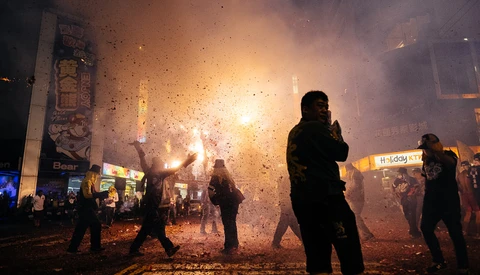
Welcome to the second part of Choosing a Lens for Visual Storytelling in Photography. This week, we’re going to look at the way in which lenses help you to express distance and intimacy and dive deeper into the story you want to tell.
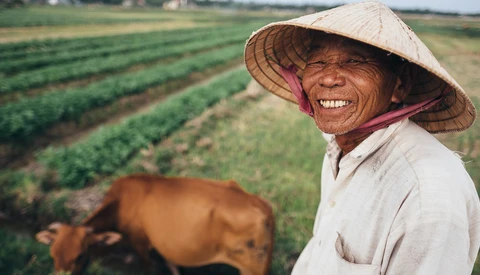
We often spend time choosing a lens for its technical qualities but there’s something more important. The sharpest lens in the world isn’t going to save you if you can’t convey something to your viewer with it.
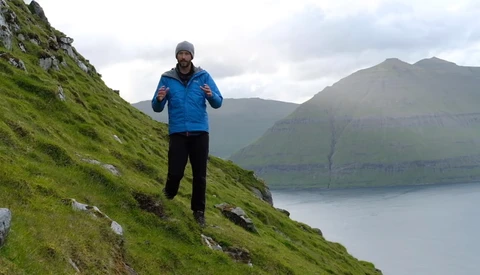
Panoramic images are a great way to increase the output resolution of your photographs, give a more compressed and less distorted feeling to your wide-angle images, or use a narrow depth of field and a wide angle-of-view in the same frame. They can be a great tool to have in your arsenal and are well worth learning to make.
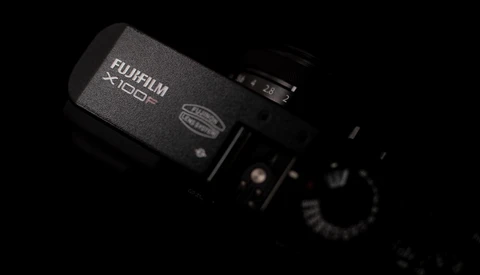
With all the excitement in recent weeks about the release of the new Nikon mirrorless camera and its homage to the history of a great camera company, I thought I would take a moment to look back at the evolution of the Fujifilm X100 series into its current form and talk about why it still isn’t truly a mature camera.

One of the most difficult parts of any art is learning to express the things you feel through the medium you are working with. Today we’ll look at one way of approaching this in photography.
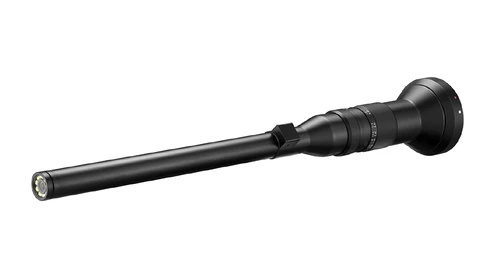
Calling it the “weirdest and most genius macro lens ever,” lens manufacturer Venus Optics (Laowa) has launched a 24mm macro lens. Not only is it a macro lens, the probe design offers a very different set of possibilities compared to standard macro lenses.

As professional photographers, we spend a great deal of time in post-production making our images look their best. Sometimes, we spend too much time there. So, let’s look at five quick tips to keep your Lightroom workflow efficient and effective.

Wide-angle lenses are among the most difficult lenses to use in photography and videography. The wider you go, the more difficult they become to handle. Let’s talk today about how to make the best use of wide and ultra-wide lenses.
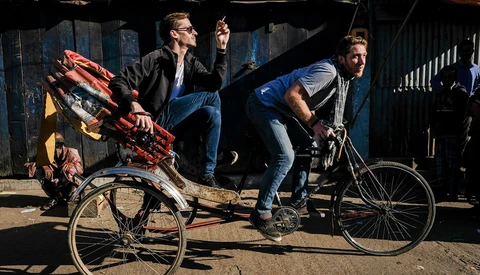
As photographers, many of us do tend to take ourselves a little too seriously. We spend a great deal of time making sure we’re perceived the way we want to be and that people know who we are. In this tongue-in-cheek article, Etienne Bossot of Pics of Asia lays out your path to becoming a famous travel photographer.
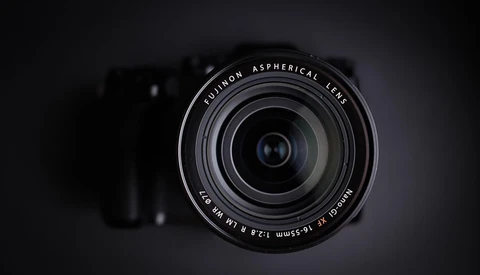
The Fujifilm XF 16-55mm f/2.8 R LM WR lens fills a gap in the Fujifilm lens lineup that was previously unfilled. With its red badge that denotes Fujifilm’s top-of-the-line lenses, this standard zoom equivalent for the Fujifilm X system is squarely aimed at the working professional.
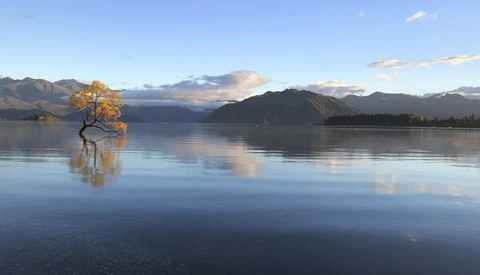
How do you go about photographing something as frequently photographed as the Wanaka Tree in New Zealand? Like many of the world's sights, the Wanaka Tree has seen slews of photographers trying for their version of the tree. But how can you make it your own?
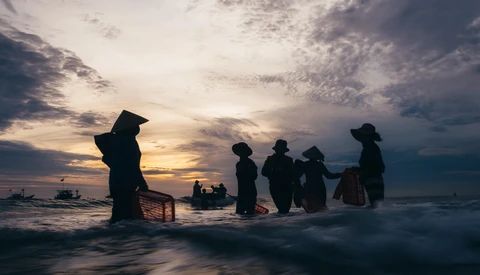
One of the most beneficial activities I have partaken in in my time as a photographer and something I encourage everyone to do is seek critique of your work. It’s a great way to learn about your own work from others and develop your craft with intention.

One of the defining photographers of our time, and recently one of the most controversial, is without a doubt Steve McCurry. His strong use of color and ability to tell a story visually have won him places in some of the world's most celebrated magazines, galleries, and photographic collections, and his image "Afghan Girl" is among his most well-known works.
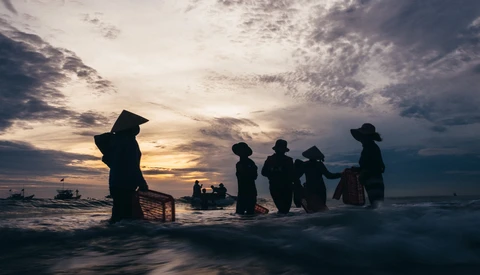
Sunrise and sunset are often beautiful times for photography and we go out of our way to make shoots happen at those times. Once we get there, however, how is it that we best make use of that light?
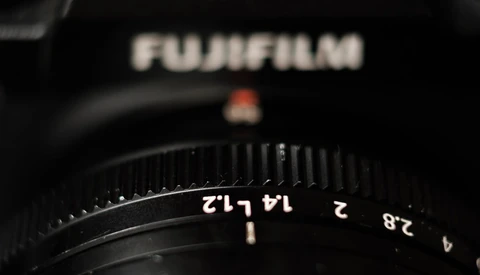
Of the basic settings that our cameras have, potentially the easiest to get creative with is the aperture of your lens. Today, let’s take a look at five simple ways you can make creative images using your aperture.
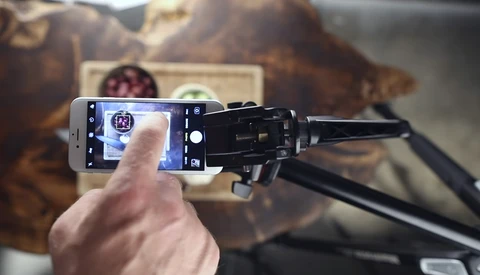
Photography can get very expensive very quickly. Once you've invested in a body and a couple of lenses, don't expect it to stop there. For those interested in artificial lighting, the who process starts again with lights, stands, modifiers, and triggering systems. But is it all necessary?
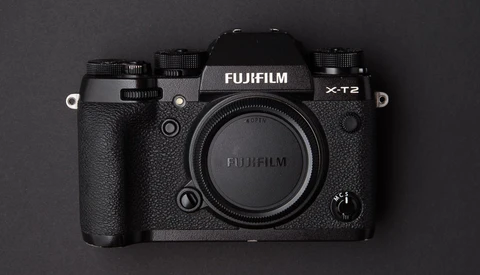
On May 8th, Fujifilm released their updated firmware for the X-T2 mirrorless camera. This takes the current firmware to version 4.0 and embodies Fujifilm’s Kaizen philosophy by making enormous changes to what the camera is able to do. Let’s take a look at it here.
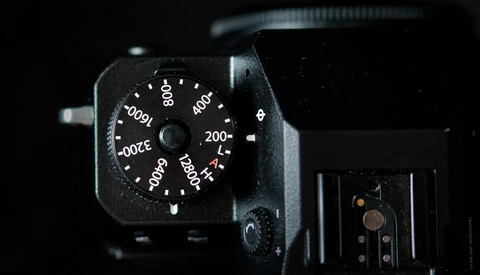
One feature of our digital cameras that evolves with every single generation of sensors and processors is ISO performance. With astronomical ISO numbers now available, just how high should you push your ISO?
In recent years, camera technology has been evolving at an extremely fast pace. There are many players with a plethora of options on the market at any given time, so just how do we choose a camera for photography in 2018?
I think we can all agree that in order to be successful, a photograph needs to connect with its viewers on an emotional level. That emotion could be awe, desire, sadness, longing, or any number of the plethora of human emotions, but there needs to be an emotion.
Composition is one of the hardest things we deal with as photographers. It is complex and can seem like a neverending pursuit. Today, we’ll look at five simple ways we can approach a scene and come away with an effective composition.

I first got in touch with Yuribert Capetillo Hardy of YoSoyVideo when I found his breathtaking short film Roller Coaster chosen as a Staff Pick over on Vimeo. Since then I have been watching in the hope that there would be another gorgeous short coming out of his editing room. With the release of Strained Lebanon, it was the perfect time to reach out for an interview.
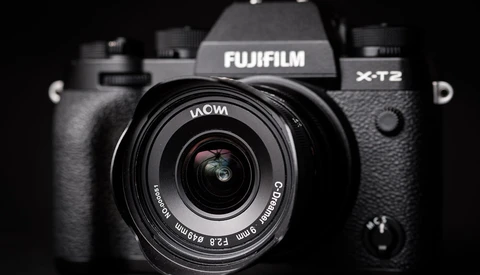
Now that the Fujifilm X system is more mature, plenty of lenses are available not only from Fujifilm themselves but third-party manufacturers are also starting to provide quality options. One such company that has just released it’s first native Fujifilm X mount offering is Venus Optics with their ultra-wide Laowa 9mm f/2.8 Zero-D.
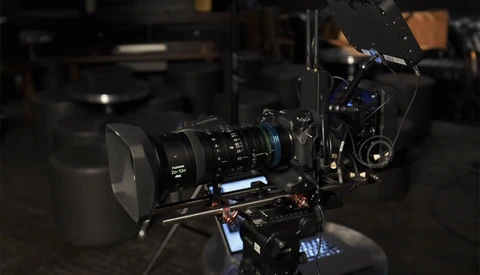
Fujifilm's brand new X-H1 mirrorless camera is the company's first serious attempt at making a body that is capable as both a stills and video camera. It has been causing quite a stir in the photography community recently. Just who is it for? What is it capable of? Would it be a good addition to your kit? This video will show you what it can accomplish.
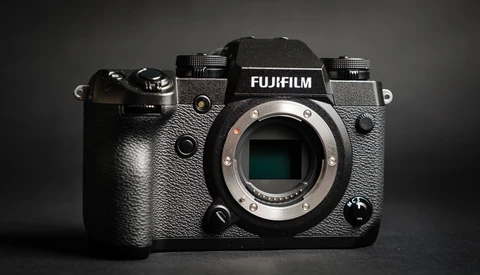
Fujifilm has once again revolutionized the X-series with its latest release, the Fujifilm X-H1. Since its humble beginnings with the original X100 and X-Pro1, Fuji has taken aim at the professional content creators market.
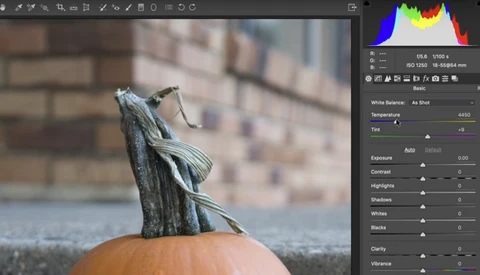
I remember starting out with my first DSLR and learning what a raw file was. Someone told me I could push and pull a file every which way if I shot raw instead of JPEG. You had better believe I tested that theory. Some horrible manipulations resulted from those experiments. I was using JASC PaintShop Pro at the time. Then I moved to Camera Raw and finally into Lightroom.
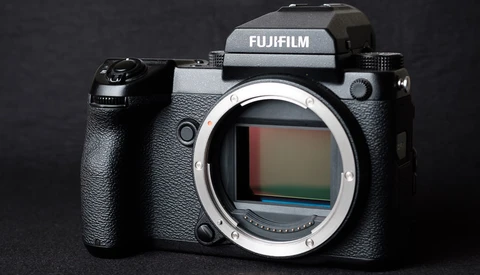
It has been just over a year since the release of Fujifilm’s entry into the digital medium format market, the Fujifilm GFX 50s. Fstoppers reviewed the camera a few months later, and I talked about it as a travel and portrait camera a while later. It’s an exceptional machine, there’s no doubting that. But after a few solid months of using it, how do I feel about it?
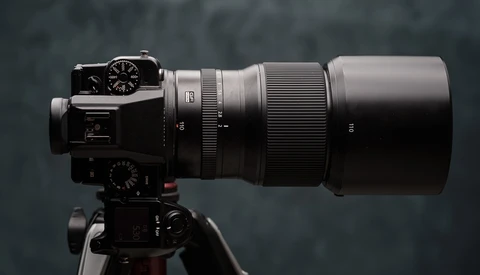
Fujifilm set the bar for APS-C portrait lenses with their phenomenal XF 56mm f/1.2 a few years back and they have done the same for digital medium format with the GF 110mm f/2 R LM WR. The GFX system is an exceptional fit for those shooting high-end portraiture and the GF 110mm f/2 is quite possibly the perfect portrait lens for this application.

There are all kinds of photographers out there. Those who shoot fashion, products, street, editorial, and all manner of other genres. There are those who trust Canon, those who worship Sony, and those who swear a Leica is the only camera you need. We all have our different gear and varied subjects, but there is one thing that unifies us all. We all make photographs.

CalDigit, a company known for its high-quality devices aimed at working professionals, have just released the latest update to their popular Thunderbolt Station line of products. Fstoppers took a look at the last iteration, the Thunderbolt Station 3, in August of last year and it was a good device that lacked a few simple things that would make it a great device.
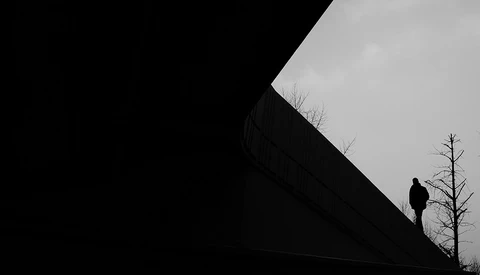
Photography is complex. I’ve mentioned it before and I’ll state it again: it is not easy. There’s so much to learn in order to become proficient in the art. Cameras, composition, light, and subject interaction. These are just some of the things that will decide if you’re able to do well. The key to learning each of these things is time.