

How G.A.S. Failed Me
We've all heard of it: Gear Acquisition Syndrome (G.A.S.). I'd wager that a fair few of us have suffered from it at one time or another. I mean, really, what Nikon portrait shooter doesn't want the new Nikkor 105mm f/1.4?
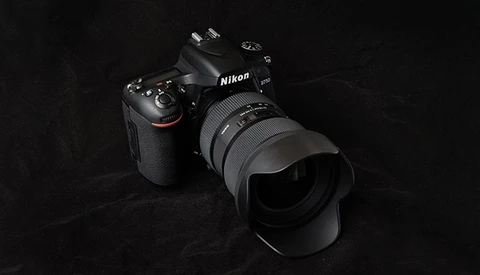
The world's fastest zoom lens for 35mm full frame cameras is the Sigma 24-35mm f/2, and it's one way to follow up from making the world's fastest zoom for APS-C. Sigma has been making hit after hit for a few years now, leaving their "budget" lens brand stigma in the dust behind them.
As a solo business owner, I find a good portion of my time has me tethered to a screen. For me, that means being at home in my office as I work on a desktop. I prefer having a large monitor to work on and the cost/performance ratio of laptops was prohibitive when looking at a primary machine.
With the recent flooding of the market with battery-powered monolights, it might seem as if the humble speedlight will only ever be found on top of the photojournalist's camera from now on. The Profoto B1 and B2, the Broncolor Siros, and offerings from various small brands have given us options for high-powered flashes in much smaller packages than before.
A few months back, I explored the idea of asking for what you want, and the worst that can come from that. We talked about your desire to shoot, and the only thing really stopping you being yourself. The power of letting go of your insecurities, and stepping up to the plate is liberating and will drive changes in your photography that no shiny new piece of equipment can give you.
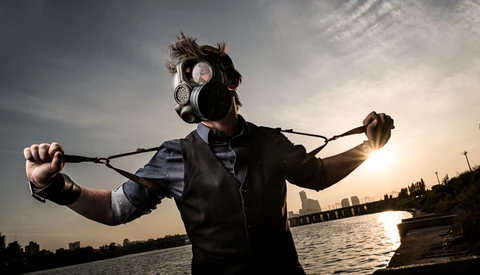
Learning is a process that takes time. Malcolm Gladwell's 10,000 hour rule applies to the so-called mastery of anything. By working hard on our craft, we are able to become proficient in the tools and techniques required to make the end product we desire. We go through stages of understanding and breaking our understanding.
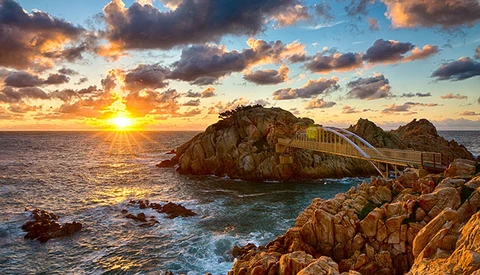
If you haven’t been living under a rock, you’ve probably seen a cinemagraph or two floating around the Internet. You know the ones, those cool animated stills that you see on people’s Facebook profiles and online ads. You may have even seen people making animated portraits for weddings or that one time a guy took a selfie.
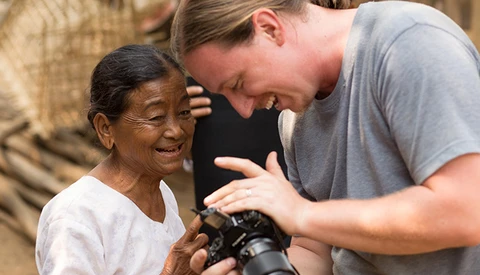
I love Fujifilm's X Series cameras. They're small, light, quick, and have wonderful image quality. The lens collection is at the top of the game, especially the primes. I went back and forth for quite some time in the lead-up to my recent personal work trip to Myanmar. I would be creating a book and needed to choose carefully. Which gear should I take?
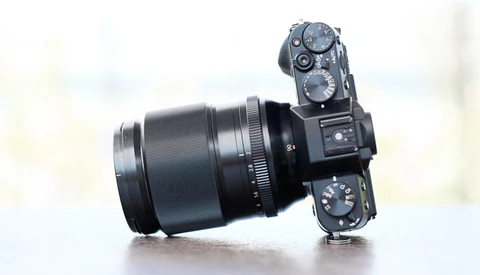
Much to the excitement of the Fujifilm community, Fuji released their XF 90mm f/2 WR in the middle of 2015. Many a voice hailed it Fuji's best yet, and pixel-peepers rejoiced. Some claimed it had the nicest bokeh from a Fuji lens yet, and others the fastest autofocus. Just how good is this latest prime offering from Fuji?
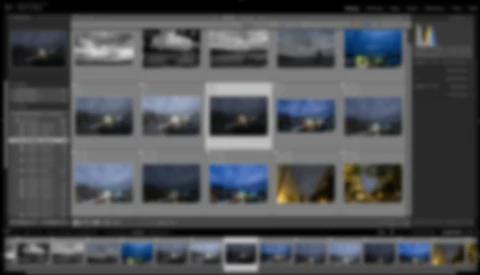
Adobe Lightroom was a game changer for me when it was introduced. I used to spend hours in Photoshop tweaking this and that, creating actions to batch a set of images I had shot, and output different resolutions from the giant PSD files I was working in.
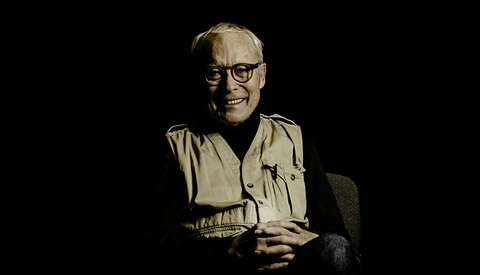
Photography, at its core, is a tool for communicating meaning between human beings. We use it to advertise, share memories, and occasionally Photoshop an aeroplane in to add to the meaning we've already captured. In the right hands, photography can be an extremely powerful tool to do good in the world.
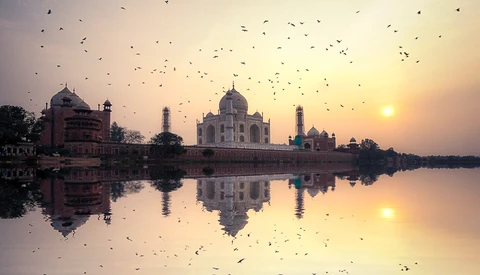
The jump from hobbyist or part-time to full-time photographer can be a daunting experience. About three years ago, I took the plunge into full-time photography. Overnight, I dropped my career as a teacher and decided to pursue this creative art. It was one of the most difficult decisions I have made and one of the most rewarding.

Finding the best quality of light is most of our job as photographers, and a great place to start looking is window light, especially north-facing window light. This type of light creates a soft transition from light to shadow, and can be very flattering on our subjects.
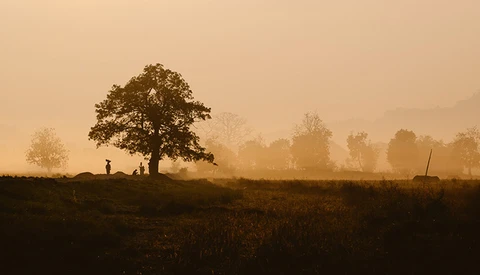
A few weeks back, we discussed the idea that you really need to know your gear so that it will get out of the way for you. The next step is to know what to use when. The old adage goes that you can't fit a square peg in a round hole. As much as this applies to misfits or carpenters, it also applies to the art and craft of making images.
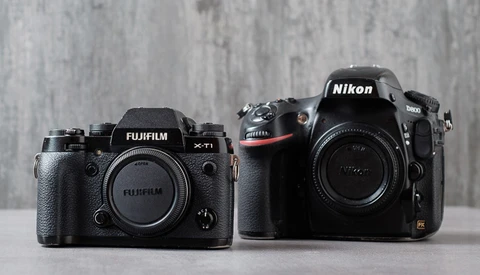
Late last year, I wrote here about choosing your next lens for photography. In the comments, I was asked to write a similar guide about cameras. So today, we will be discussing the important factors in choosing a new camera body, or if you are just getting into the world of interchangeable lens systems, your first camera body.
One of the great documentary photographers of the 20th century, Mary Ellen Mark, is featured in this short documentary by Profoto. It contains so many small truths and pointers that we can all learn from.
First and foremost, gear is not the be all and end all. Creativity will bring the most out of the simplest of gear. We stand on the shoulders of giants now. Remember that it was only a few years ago that high ISOs were all but unusable and that once you'd shot a black and white frame, it stayed black and white.
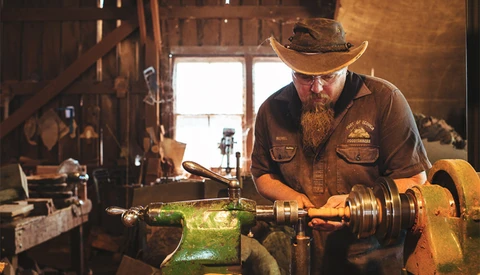
In a recent discussion with a friend over coffee, I was asked how it is that I gain access to photograph so many different people, specifically about the portraits that I have set up for some of my personal projects regarding artists and craftspeople.
In my last article on flash photography, I gave you a few simple techniques for keeping your flash looking natural and allowing it to blend in with your existing light without calling attention to itself.
John P. Hess, over at FilmmakerIQ.com has launched a second video about lens technology this week. This time dealing with the properties of camera lenses. The information contained relates to both still photography and cinematography, and also details the subtle differences between the two as they relate to lenses.
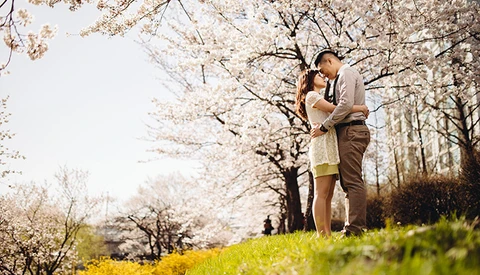
Flash can be an exceptional tool for creatively lighting our images. Whether it be speedlights or high-powered studio strobes, there are infinite ways to create or augment light in our photographs.
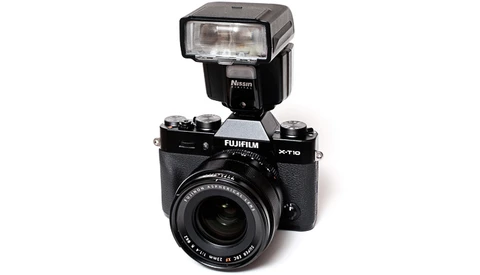
As I use my Fujifilm X-Series cameras more and more for event work, I've needed fill flash here and there to enhance some of the portraits I'm asked to take on the fly. With there being very few good options for the Fuji system at the moment, I picked up a Nissin i40 back in April.
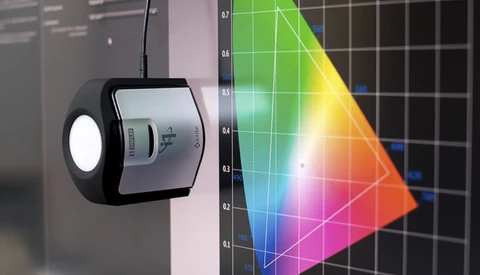
Reading Bill Peppas' recent article here on Fstoppers got me thinking about calibration again. For the most part, it's a fairly simple process to improve the accuracy of colors on your display. A good many of us simply need to invest in a Spyder or ColorMunki system and allow it to do its job.
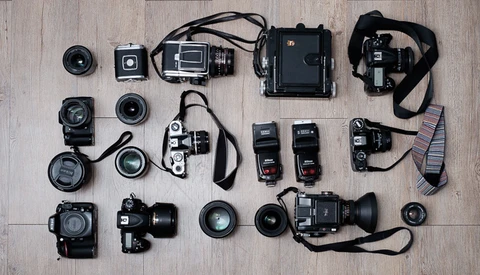
Holiday season is upon us, that curious time of year when money we don't have gets spent on so many things we don't need. Sale after sale is already bombarding us, convincing us to buy the next shiny thing. The world of photography is an expensive one, and sales can convince photographers to go that step further in acquiring the extra gear and accessories they think they need.
At some point or another, most of us photographers will have a chance to work a job that requires us to hire help. It may be a one-off, or perhaps your studio has come to a point where hiring a full-time assistant makes sense. There are so many factors that go into hiring another person, even full-time.
In many of the world's cultures, the coming of a new year is celebrated as a time of renewal and reflection. It is a time to share with family and friends, a time to celebrate, and for some, a time of contemplation. Although it can be a hectic time for many of us, with so many preparations and celebrations, it is also a great time to look back.
As mirrorless cameras get better and better, the temptation to lose the weight and bulk of the DSLR is becoming very large for many photographers. Wedding photographers like V Opoku are opting for the smaller footprint of the Fujifilm X-Series, as is famed Music and Editorial Photographer Zack Arias.
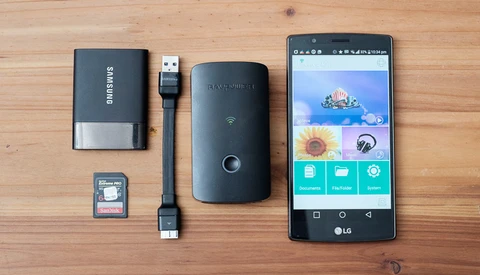
With some lengthy upcoming trips for personal work, I have been doing some research into ways to keep my photographs and video footage backed up in the field. One of these trips involves a three-week stint in remote villages. A particular concern on this trip is data loss; so, I have been working to create a backup system that is durable and can run without access to mains power.
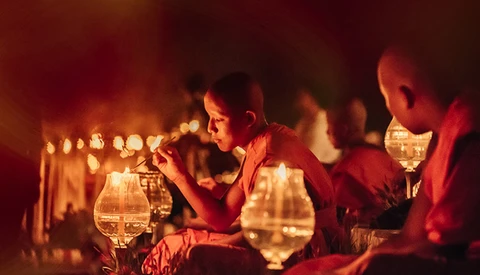
Photography is tough. There's no doubt about that. The gear and the numbers are the easy parts. These can be practiced, learned, and applied over time. Creativity is at the core of what we do as photographers and that's the tricky part. Jose Rosado's article here on Fstoppers talks about bridging the creative gap and pushing through challenges.
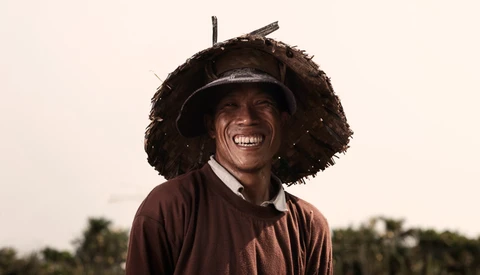
In the digital age, we spend a lot of time in front of screens. Many of us retouch our own work, distribute it digitally, and even only have a digital portfolio. Some sell prints of client work, or fine art prints. And, some get published in magazines.
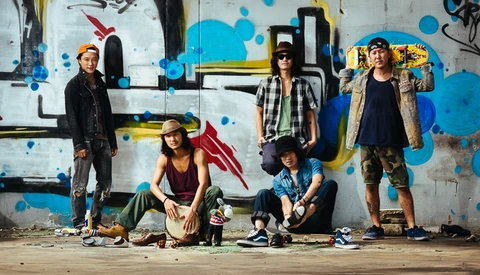
Editorial photography is a wonderful place to flex your muscles and test your abilities. You don't often get to shoot such variety and have such control on a single assignment. Over the past couple of weeks, we've discussed ways to approach the photography of your first assignment. Check those out here and here.
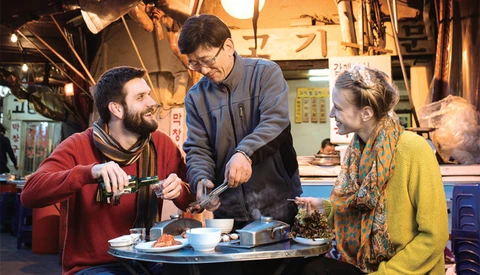
Welcome back to this series on editorial photography. Last week, we discussed the basics of preparing yourself for your first editorial assignment and shooting individual frames in a variety of different ways. There were a couple of questions in the comments, which I will be addressing in next week's post. This week, we will focus on multiple frames and making them work together.