After years of creating landscape photography videos, tutorials, and behind-the-scenes content, I have learned one undeniable truth: reliable audio is just as important as the camera itself. In this review, I am putting both versions of the new DJI Mic Mini 2S through their paces to see how they perform in real-world outdoor conditions.
Over the years, video has naturally grown to play a massive role in my journey. Between YouTube uploads, instructional tutorials, gear reviews, and talking-head segments, I find myself using my video setup almost as much as my still camera.
And naturally, that means I need audio to match.
When viewers watch video content, they are surprisingly forgiving. If a shot is slightly out of focus, has some natural camera movement, or even misses a transition, the story usually carries them through. Audio is entirely different. If the sound is poor, the wind overpowers your voice, the volume shifts, or you struggle to hear, engagement drops instantly. Good audio isn't just about crisp sound; it is about confidence. It is knowing that when you press record, your gear is doing its job so you can focus entirely on your craft.
The Realities of Outdoor Recording
Anyone filming outdoors knows the challenges. Waves crashing, changing weather, and stubborn wind can quickly overwhelm a standard camera microphone.
My early solution was using a lavalier microphone paired with an external recorder. While it handled ambient noise well, it introduced a new headache: extra equipment. Another battery to charge, another file to manage, and another cumbersome step in post-production. If I forgot to hit record on that separate audio deck, the moment was simply gone. And in landscape photography, we rarely get a second chance. A fleeting sunrise or a passing storm happens once.
That is why I believe technology should be seamless enough that you forget it is even there. You shouldn't be stressing over whether your mic is recording; you should be thinking entirely about the story you want to tell.
Closing the Gap: Internal Recording and 32-Bit Float
I have used the original DJI Mic Mini since its release, and it has never let me down. Its audio quality rivals much larger systems, including the DJI Mic 2 that came with my Osmo Pocket 3 Creator Combo. However, the original Mini lacked one crucial feature: internal recording.
With the DJI Mic Mini 2S, DJI has closed that gap.
Before getting into the hardware, it is worth highlighting what 32-bit float recording actually means for creators. Simply put, it gives you immense flexibility with shifting sound levels. If you suddenly speak louder, move closer to the mic, or encounter unexpected volume spikes, 32-bit float captures enough data to let you recover and balance the audio during editing. When you are filming outdoors, conditions are rarely static. Having that safety net means you are less likely to lose usable audio to an unexpected change in volume or an animated outburst when the light finally breaks.
The Power of a Built-In Backup
The biggest update here is the addition of internal recording. Wireless freedom is incredible, but there is always a quiet worry in the back of your mind: What if the connection drops?
The Mic Mini 2S removes that anxiety by letting the transmitter record internally while simultaneously transmitting wirelessly to your camera or phone. With 14.5 GB of internal storage, the recording continues uninterrupted even if the wireless signal drops.
Using the DJI Mimo app, you can choose between processed files, which are ready to use right away, or raw files for maximum editing control. It is a thoughtful touch that accommodates different creator workflows.
Versions for Different Creators
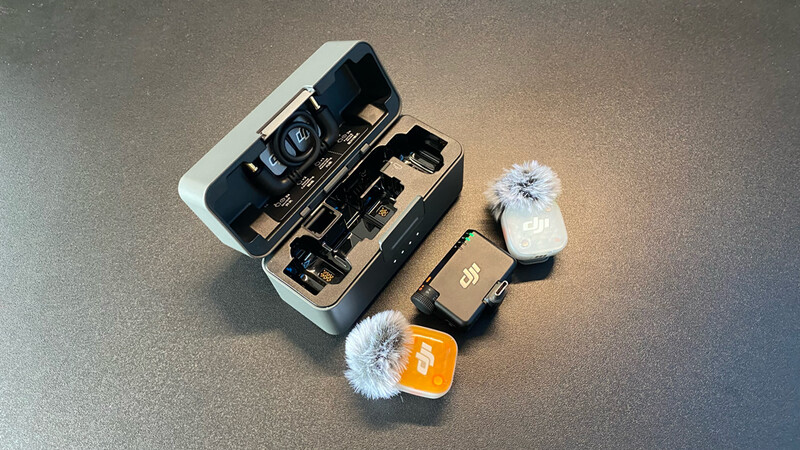
DJI clearly understands that not everybody works the same way. Rather than trying to force one standard setup on everyone, the company offers several configurations. I tested two of them:
1. The Dual-Transmitter Camera Kit (€189)
This package includes two transmitters, a receiver, and a charging case. For my workflow, this is the ideal setup. Most of the time, I only need a single transmitter mounted to my shirt when talking through a composition. But having a second transmitter ready means I can seamlessly record a workshop student, conduct an interview, or collaborate with a guest without changing my gear bag.
Furthermore, the updated receiver can connect with up to four transmitters simultaneously. While overkill for a solo landscape photographer, it is a fantastic addition for podcasts, interviews, or small-group shoots.
Note: If you use compatible DJI cameras, you can connect the transmitters directly without needing the receiver at all, keeping your kit wonderfully lightweight.
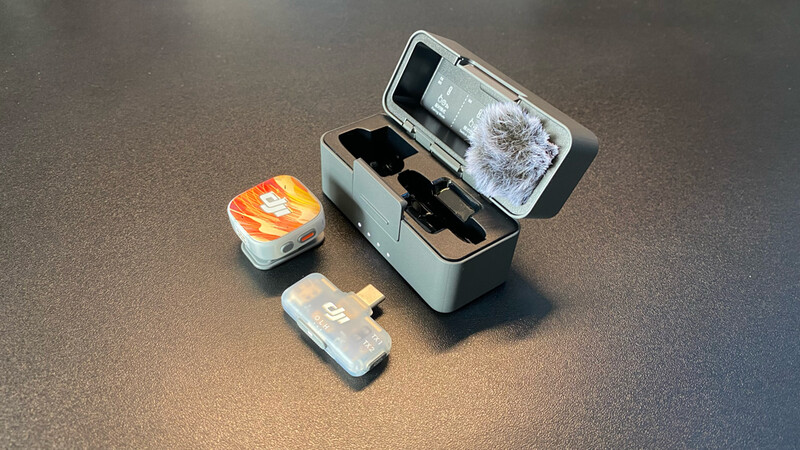
2. The Mobile Kit (€99)
Aimed squarely at smartphone creators, this version pairs a mobile receiver with a single transmitter. It offers ultimate simplicity: plug the receiver into your phone, attach the mic, and start shooting. For travel vloggers and social media creators who want to travel light without sacrificing audio fidelity, it is a brilliantly practical solution.
Features That Stay Out of Your Way
What impressed me most about the Mic Mini 2S is how much of its technology works quietly in the background:
- AI Noise Cancellation: Coastal environments are loud. While you want the natural atmosphere of crashing waves and wind to tell the story, sometimes it overpowers your voice. The updated noise cancellation offers adjustable levels so you can tame harsh winds without making your voice sound artificial.
- Voice Tones and Auto Gain: The mic offers standard, brighter, and warmer profiles if you want a finished sound straight out of the box. Meanwhile, the automatic gain control helps manage sudden shifts in your speaking volume.
- Magnetic Mounting: This remains one of my favorite features. It lets you quickly secure the mic to any clothing setup or hide it discreetly inside your shirt for a cleaner visual look.
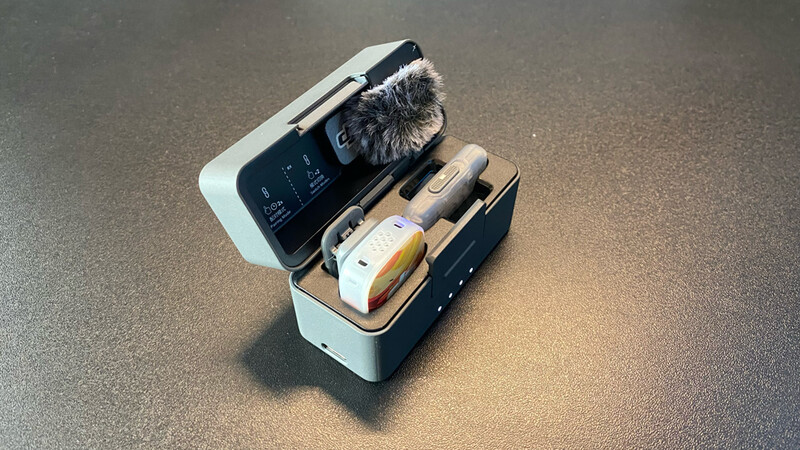
- Battery Life and Charging Case: The battery easily handles a full day of field shooting, and the intelligent case keeps everything organized while allowing file transfers from the transmitters.
What Could Be Improved?
- Easy to Lose: At just 12 g, or 15 g with the magnet, the transmitter is so lightweight that you might genuinely forget you are wearing it, meaning it could easily be left behind on a rocky shoreline if you aren't careful.
- Button Layout: While the side buttons are functional, remembering which shortcut controls noise reduction versus internal recording takes some practice. Using the large logo area as a simple tap-to-record surface in future iterations would be a welcome ergonomic tweak, I feel.
- Branding Visibility: The prominent DJI logo makes the mic stand out when worn externally. Many people would prefer a more discreet, stealthy aesthetic, though slipping it inside my shirt solves this nicely.
Final Thoughts
The DJI Mic Mini 2S feels like a piece of gear designed by people who actually spend time in the field. By adding internal recording, 32-bit float audio, and a more versatile receiver to an already stellar, ultra-compact footprint, DJI has elevated this microphone to another level.
At €189 for the dual-camera kit and €99 for the mobile version, the value for money is exceptional. It strips away technical anxiety, protects you from unpredictable outdoor conditions, and simply lets you focus on creating.
It has officially earned a permanent place in my camera bag, and for a working photographer, that is the highest praise I can give the DJI Mic Mini 2S.




Join the Fstoppers community for free
-
Post comments and join in the discussions
-
Browse the site ad-free
-
Share your work and get featured in the community
-
Compete in the photo contests for fun and prizes
No comments yet