

Picture this: A new photographer finishes building their portfolio, registers their LLC, files their DBA paperwork, and suddenly announces to the world, "I need a brand." They spend $500 on a beautiful, scripty logo from a designer on Fiverr or 99designs. They pick some carefully curated "moody" color presets for their Lightroom catalog. They commission a sleek website with parallax scrolling and a cool animated loading screen. They launch their Instagram with a consistent grid aesthetic. They call it a day, sit back, and wait for the high-end clients to roll in.
They don't roll in. The inquiries they do get are price shoppers asking if they can "just get the digitals" for $200. Frustrated, they look at their beautiful logo, their cohesive Instagram feed, their professional website, and wonder what went wrong. They did everything the YouTube gurus told them to do. They have a "brand," right?
Here's the hard truth: They don't have a brand. They have brand identity. These are not the same thing, and this confusion is exactly why so many talented photographers struggle to book clients at prices that actually sustain a real business. Your logo is just a visual shortcut, a piece of clothing, a hat you wear. Your brand is your reputation. It's the intangible "gut feeling" a potential client has when they hear your name or stumble across your work. It's the promise you make before you ever pick up a camera, and it's the only thing that justifies charging $5,000 instead of $500.
Brand vs. Brand Identity: The Critical Distinction
Let's start by defining these two terms clearly, because understanding the difference is absolutely fundamental to building a photography business that can charge what you're worth. Think of it this way: If your business were a person, your brand identity would be the suit they're wearing. Your brand would be the person inside the suit, their character, their reputation, their entire history of how they treat people.
Brand identity is the "stuff." It's the tangible, visual part that you have direct control over. This includes your logo, obviously, but also your website design, your color palette (whether you're going for "dark and moody" or "light and airy"), your fonts, your editing style and presets, your Instagram aesthetic, your business cards, your email signature, and even the music you choose for your highlight reels. Brand identity is important. It's how you present yourself visually to the world, and in a visual medium like photography, it absolutely matters. Clean, consistent visuals communicate that you're serious about your craft and sweat the small stuff.
But brand identity is just packaging. Your brand, your actual brand, is the substance inside that packaging. It's your reputation, and reputation cannot be designed in Photoshop or purchased from a logo designer. Your brand is your professionalism, your communication style, your reliability, your creativity under pressure, and most importantly, the experience of actually working with you. It's whether you answer emails promptly or ghost potential clients for three days. It's whether you show up on time or keep people waiting. It's whether your clients feel relaxed and confident during a shoot or awkward and insecure. It's whether you deliver galleries on time or two weeks late with a string of excuses.
Here's the key point that every photographer needs to internalize: A great brand identity (a cool logo, a beautiful website) slapped onto a bad brand (flaky behavior, poor communication, unprofessional conduct) is just lipstick on a pig. It might fool someone once, but it won't build a sustainable business. Conversely, a strong brand built on reliability, exceptional client experience, and consistent quality can absolutely survive, and even thrive, with a mediocre or simple logo. Some of the most expensive photographers in the world have remarkably simple visual identities, because their reputation does all the heavy lifting.
Your Brand Defines What Makes You Worth Hiring
At its core, your brand is your unique selling proposition, but wrapped in emotion and promise. It's not just what you do, it's the specific problem you solve for a specific type of client. It's the answer to the only question that really matters in any competitive market: "Why should I hire you instead of the hundred other photographers in my city?"
Here's what a bad brand promise sounds like: "I'm a photographer who takes beautiful, high-quality photos." Congratulations, so does literally everyone else with a camera and a basic understanding of exposure. This isn't a brand, it's a job description. It's generic, forgettable, and gives a potential client zero reason to choose you over someone charging half your price. If your only selling point is "quality," you're in a race to the bottom, because there's always someone willing to work for less.
Good brand promises are specific, emotional, and solve a real problem. Consider these examples. "I am the photographer who makes even the most awkward, camera-shy people feel comfortable and look amazing." You're not selling photos here, you're selling confidence. You're speaking directly to the person who hates having their picture taken, who's anxious about their upcoming family session or headshot appointment, and you're promising them that you will make that experience painless and even enjoyable. That's a brand.
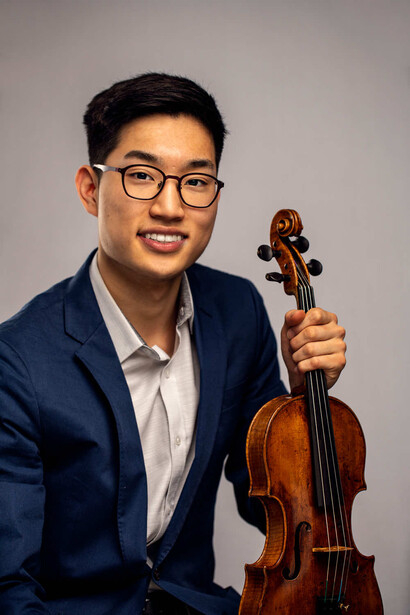
Here's one more: "I am the photographer who creates epic, adventurous, fine-art portraits for couples who hate 'normal' wedding photos." You're selling an identity here. You're speaking to couples who don't want to stand stiffly in front of a hedge, who want to hike to a mountaintop at sunrise, who want their photos to look like they belong in a gallery, not on a cookie-cutter wedding blog. You're telling them, "If you think traditional wedding photography is boring, I'm your person."
Your brand should be the one thing you want clients to tell their friends about you when they're giving a referral. When someone says, "Oh, you need a photographer? You have to call Sarah, she's amazing," what's the very next sentence? That next sentence is your brand. If it's something vague like "her photos are really good," you haven't built a brand yet. If it's something specific like "she made us feel so comfortable, we actually had fun," or "she was so organized, everything ran perfectly," or "she does these incredible adventure sessions," then you've built something real.
How a Brand Is Actually Built: The "Touchpoint" Checklist
A brand isn't built in a day, and it definitely isn't built by commissioning a logo and calling it done. A brand is built from every single interaction, or "touchpoint," that a client (or potential client) has with you and your business. Every email, every phone call, every Instagram post, every delivered gallery, every single moment contributes to the overall perception of who you are and what you stand for. This is where the real work happens, and this is where most photographers either succeed or fail without even realizing why.
Let's walk through the critical touchpoints in order, because this is the actionable part where you can actually improve your brand starting today.
Your Portfolio: This is your first promise, your opening statement to the world. Is your portfolio a "jack-of-all-trades" disaster, showing weddings, newborns, corporate headshots, real estate, and your friend's car meet, all on the same page? If so, your brand message is "I'll shoot anything for money," which might sound practical, but it actually signals "I don't know what I'm good at" or worse, "I'm desperate." A strong brand requires a curated portfolio that shows only the work you want to be hired for. If you want to shoot luxury weddings, your portfolio should show nothing but luxury weddings. Remove everything else. Yes, even if that senior portrait session was technically excellent. It's off-brand, and it's diluting your message. Your portfolio should make it immediately obvious who you are and who you serve.
Your Pricing: How you present your pricing is a massive brand signal that most photographers completely overlook. Is your pricing structure a beautifully designed, 20-page PDF magazine that outlines your packages, your process, your experience, and positions you as a premium service? Or is it a two-line text in an email that says "Weddings start at $2,500"? The format of your pricing communication is just as important as the numbers themselves. A high price, presented with confidence in a professional format, is a brand signal of luxury, expertise, and exclusivity. A low price, tossed off casually in a text, is a brand signal of "budget," "volume," and "commodity." Even if you're not ready to charge premium prices yet, how you present your pricing should reflect the level of professionalism you want to be known for.
Your First Reply: When someone fills out your contact form or sends you a DM, how fast do you respond? Is your reply warm, professional, and personalized, or is it a two-day-late generic "my price is $X, let me know if you want to book"? Speed matters. A fast response (ideally within a few hours, certainly within 24) signals that you're on top of your business, that you're excited about the inquiry, and that you respect their time. A slow response, or worse, no response at all, signals that you're disorganized, too busy, or just don't care that much. And the tone of that first reply sets the entire relationship. If you sound desperate or defensive about your pricing, that's your brand. If you sound confident, helpful, and genuinely interested in their story, that's your brand too.
The Consultation Call: Whether you do in-person consultations, phone calls, or video chats, this is where you either solidify or destroy everything you've built up to this point. Do you sound like a confident, calm expert who is actively listening to their problems, their concerns, their vision? Or do you sound nervous and immediately start listing your camera gear and how many megapixels it shoots? Do you ask thoughtful questions about what matters to them, or do you just pitch your packages and hope they pick one? The consultation is where clients decide if they trust you. Technical skill matters, but trust is built through communication. Your brand in this moment is whether they hang up thinking, "This person gets it," or "This person just wants my money."
The "In-Person" Vibe: How do you present yourself when you meet a client for the first time or show up for a shoot? Are you dressed appropriately for the type of photography you do? If you're shooting luxury weddings, are you showing up in ripped jeans and a stained t-shirt? Are you on time, or are you texting 15 minutes after the scheduled start time saying you're stuck in traffic? Do you arrive calm, organized, and ready to work, or do you show up frantic, digging through your bag for batteries, unsure of your shot list? Everything about your in-person presence either reinforces or contradicts your brand promise. If your brand is "professional and reliable," but you're consistently late and disorganized, you don't have a brand. You have a lie.
The Shoot Experience: This is the moment where everything comes together. Is the actual photography session fun, engaging, and confidence-building for your client? Do you make them feel like a superstar? Do you give clear direction, crack jokes, create a relaxed atmosphere? Or is it an awkward, silent, technical exercise where you're clearly just trying to get your shot list done so you can leave? The shoot experience is often what clients remember most vividly, and it's what they'll describe when they refer you to friends. "We had so much fun" is worth more than "the photos turned out nice." Both are ideal, obviously, but if you're struggling to build a referral-based business, the experience is where you need to focus.
The Delivery: Is your gallery delivered on time, or two weeks late with a string of apologetic excuses? Is the online gallery itself beautiful, easy to use, and mobile-friendly, or is it clunky and frustrating? Do you include any kind of personal note or "reveal" experience, or do you just send a Dropbox link with no context? Delivery is your final impression, your last opportunity to reinforce your brand. A late delivery, no matter how good the photos are, signals that you don't respect deadlines. A beautiful, thoughtfully presented gallery signals that you care about every detail of the client experience from start to finish.
Every single one of these touchpoints either builds or erodes your brand. You don't get to choose whether these things matter. Your clients are evaluating you at every stage, often unconsciously, and they're forming an overall impression of who you are. That impression, accumulated across all these interactions, is your brand.
Case Study: The $1,000 Photographer vs. The $10,000 Photographer
Let's bring this all together with a concrete example. Imagine two wedding photographers in the same city: Alex and Ben. Both have been shooting for about five years. Both have solid technical skills. Both understand exposure, composition, and light. If you put their photos side by side in a blind test, most people wouldn't be able to tell whose work was whose. And yet, Alex struggles to book weddings above $1,500, while Ben regularly books at $8,000 to $10,000. Why?
Alex has a cool logo. It's modern, minimalist, aesthetically pleasing. Alex's website is clean and loads fast. Alex's Instagram has a consistent filter and a nice grid. Alex has invested in brand identity. But Alex doesn't have a brand. Here's what a potential client experiences when they interact with Alex:
They find Alex's website and immediately see a portfolio that's a bit of everything: luxury weddings at nice venues, but also casual backyard weddings, engagement sessions at the local park, some family portraits, a few headshots. The message is unclear. Alex will shoot anything. When they fill out the contact form, Alex responds two days later with a brief email: "Hi! Thanks for reaching out. My full-day wedding coverage is $1,200. Let me know if you'd like to book!" It's friendly enough, but there's no warmth, no personalization, no indication that Alex even read their inquiry or cares about their specific wedding. The pricing is just a number in an email, no presentation, no context. When they do finally get on a call, Alex sounds a bit nervous and spends most of the time talking about camera equipment and backup gear. When the wedding day arrives, Alex is ten minutes late (traffic), seems a bit stressed, and while the photos are fine, the experience is just okay. The gallery arrives three weeks after the promised delivery date with a brief "sorry for the delay!" text. The photos are good. But the overall experience? Forgettable. Alex is a photographer for hire, interchangeable with dozens of others.
Now let's look at Ben. Ben's logo is simple, maybe just a strong, classic font, his name in a neutral typeface. Nothing fancy. But Ben has a brand. Here's what a potential client experiences with Ben:
They find Ben's website and every single portfolio image is from a luxury wedding at a high-end venue. Beautiful estates, elegant ballrooms, sophisticated couples in black-tie attire. The message is crystal clear: Ben shoots luxury weddings, period. When they fill out the contact form, Ben responds within three hours with a warm, personalized email that references specific details from their inquiry. "I saw you're getting married at the Grand Estate, I've shot there six times and I absolutely love that venue. I'd love to hear more about your vision for the day." Already, the client feels seen and understood. Ben's pricing guide arrives as a beautifully designed PDF magazine, 15 pages long, outlining not just package options but the entire experience: timeline planning assistance, vendor recommendations, a pre-wedding consultation, same-day sneak peeks, and a premium online gallery. The pricing itself is high, but it's presented with such confidence and context that it feels justified. The price isn't just for photos; it's for an experience.
When they get on a consultation call, Ben asks thoughtful questions, listens carefully, and positions himself as a partner in their wedding, not just a vendor they're hiring. Ben talks about logistics, about working with their planner, about understanding the flow of the day. Ben exudes calm expertise. On the wedding day, Ben arrives fifteen minutes early, impeccably dressed, organized, and radiates quiet confidence. The couple barely notices Ben during the day because everything flows so smoothly, but when they look at the photos, they realize Ben captured everything. The gallery arrives exactly on the promised delivery date with a personal video message from Ben thanking them for letting him be part of their day. The online gallery is stunning, easy to share, and includes a discount code for prints. The entire experience, from first email to final delivery, is seamless, professional, and memorable.
Here's the punchline: Alex and Ben's technical photography skills might be nearly identical. Both are technically competent photographers. They both understand light. But Ben gets $10,000 because Ben's brand commands it. Ben has built a reputation for being the photographer you hire when you want a luxury, expert, stress-free experience. Clients aren't just buying photos from Ben; they're buying peace of mind, status, and the confidence that everything will be handled perfectly. That's a brand. That's what justifies the price.
Your Brand Is Your Most Valuable Asset
Your logo is just a hat. It's a piece of visual shorthand that might look nice on a business card, but it doesn't build a business. Your brand, your actual reputation, is your most valuable business asset. It's what allows you to charge premium prices, attract ideal clients, and build a business on referrals instead of constantly hustling for the next booking on Facebook ads.
So stop obsessing over your logo redesign. Stop spending hours agonizing over your Instagram grid aesthetic. Those things matter, but they're the 10% that sits on top of the 90% that actually matters. Instead, obsess over your email response time. Obsess over your client experience at every touchpoint. Obsess over the one specific promise you make to your ideal client and then deliver on that promise, consistently, every single time. That's how you build a brand that's worth paying for. That's how you become the photographer everyone wants to book, even at prices that make other photographers gasp. Build the substance first. Polish the packaging second. You'll see the difference in both your bookings and your bottom line.





Join the Fstoppers community for free
-
Post comments and join in the discussions
-
Browse the site ad-free
-
Share your work and get featured in the community
-
Compete in the photo contests for fun and prizes
No comments yet