Historical Photography

Photography has a rich and complicated history — full of iconic images, pioneering figures, forgotten archives, and equipment that shaped how we see the world. This section digs into that history, from the earliest daguerreotypes to the defining photojournalism of the 20th century, exploring how the medium evolved and what we can still learn from it today.

5 Photography Gimmicks That Went Nowhere

Every few years, camera companies roll out something meant to grab attention. Sometimes, those ideas turn into revolutions: autofocus, in-body stabilization, and mirrorless mounts all began as risks that paid off.
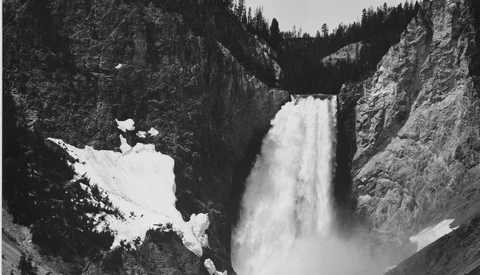
The Greatest DSLR Cameras Ever Made Are Dead

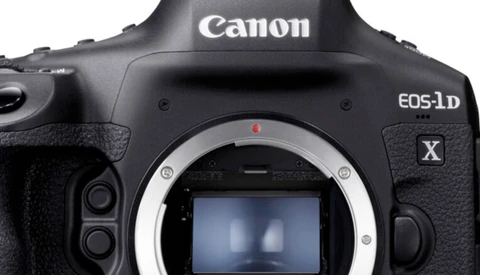
The news landed with the weight of a supertelephoto hitting the studio floor: Canon has discontinued the Canon EOS-1D X Mark III. Just like that, after 35 years of continuous evolution, the flagship DSLR line that defined professional photography for generations has reached its terminus.

Three Legendary Stories From Photography's History

Photography’s great revolutionaries didn’t just take pictures. They rewired how civilization sees truth, tragedy, and beauty. Capa risked death, Weegee stalked chaos, and Adams turned catastrophe into perfection, proving that the lens is both weapon and altar. 

Don McCullin: Palmyra and What War Destroys

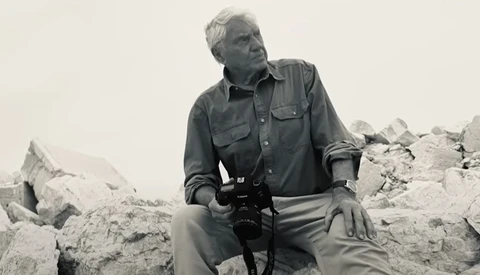
Few photographers have stared into the heart of conflict like Sir Don McCullin. For more than two decades, his black-and-white images defined what it meant to document war. Stark, empathetic portraits of soldiers, civilians, and refugees caught in the chaos of Vietnam, Cyprus, Biafra, and Northern Ireland with his unglamorous photographs.

The Film Camera That Refuses to Fade

The Nikon FE2 isn’t just another film camera sitting on a shelf. It’s one of those rare tools that carries history in its mechanics, a companion that shapes how you see the world through a viewfinder. Film cameras like this remind you that the way you shoot is often as important as the images you make. 
10 Camera Lenses So Ridiculously Extreme They Shouldn't Exist

When most photographers talk about extreme lenses, they're thinking about a fast 85mm f/1.4 or maybe an extra-wide 11mm rectilinear lens. But there's a whole other universe of optical madness where lenses weigh hundreds of pounds, cost more than houses, and push the boundaries of physics so hard they make normal photography look quaint. 

Why Waiting a Week for Photos Made Them More Precious

The most valuable photographs you've ever taken weren't the ones you saw immediately on your camera's LCD screen. They were the ones you had to wait for—sometimes a week, sometimes longer—wondering if that perfect moment you thought you captured actually materialized on film.

Chas Gerretsen: War Photographer Goes to Hollywood

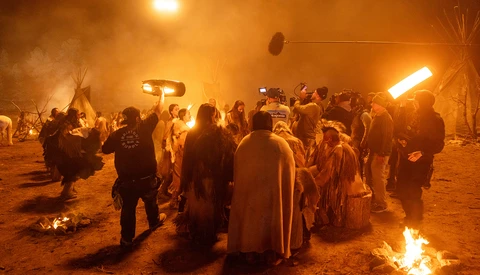
Renowned Dutch photojournalist Chas Gerretsen is best known for his raw and emotional war photography captured during the Vietnam War and the hostile and violent political turmoil in Chile. However, his career took an interesting turn when he found himself exhausted from covering global conflicts.

5 Camera Brands That Died Because They Couldn't Adapt

The photography industry witnessed one of business history's most dramatic upheavals during the digital revolution. Companies that dominated film photography for generations found themselves unprepared for fundamental changes in how images were captured, processed, and shared.

What It Felt Like to Use Your First 'Real' Camera

There's a lie we tell ourselves about photography equipment: that the camera doesn't matter. It's a comfortable fiction that lets us sleep at night, convinced that our artistic vision transcends mere machinery.

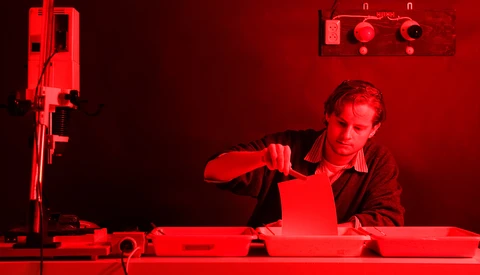
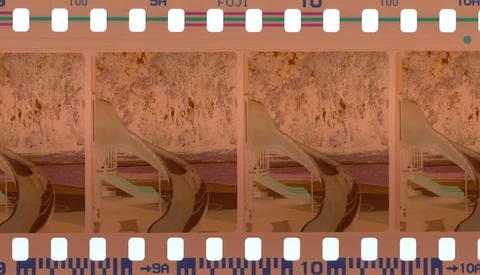
What It Was Like Getting Your First Roll of Film Developed

Sarah clutched the yellow Kodak mailer envelope like it contained state secrets. Inside, a single roll of Kodak Gold 200—thirty-six exposures of her life over the past three weeks, wound tight in its metallic canister.  

5 Lenses That Were Legendary But Are Now Forgotten

The photography industry has a short memory. Every few years, we collectively forget the tools that once defined professional image-making, replacing them with newer technologies that promise greater convenience, better performance, or simply different aesthetics.

Camera Features We Take for Granted That Were Once Revolutionary

Every photographer today carries in their camera bag technologies that would have seemed like science fiction to previous generations. Features we consider basic—automatic exposure, instant image review, face detection—represent decades of engineering breakthroughs that fundamentally transformed how photography works.

The Loss of Photography Store Culture

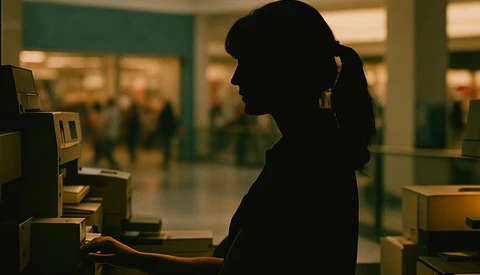
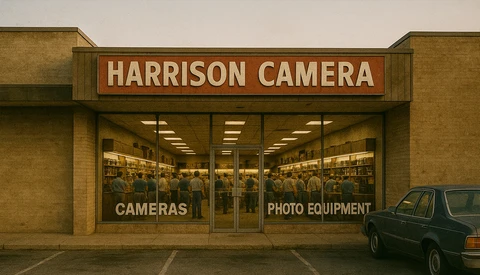
The bell above the door hadn't stopped ringing for twenty minutes. It was a Saturday afternoon in March 1985, and Harrison Camera on 47th Street was packed with its usual crowd: wedding photographers arguing about lens choices, art students pawing through used equipment bins, tourists asking endless questions about film types, and the regulars who came not to buy anything but simply to bel

What It Was Like to Be a Portrait Photographer in 1890

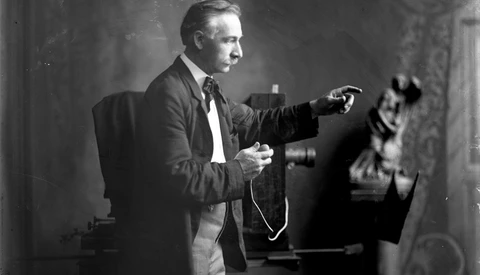
The chemical stains on Samuel McKinney's hands told the story of his profession before he ever opened his mouth. Fine brown flecks of silver nitrate freckled his fingertips; years of handling pyrogallic developer had yellowed his nails. His clothes reeked faintly of sulfur and ether no matter how many times his wife scrubbed them. 

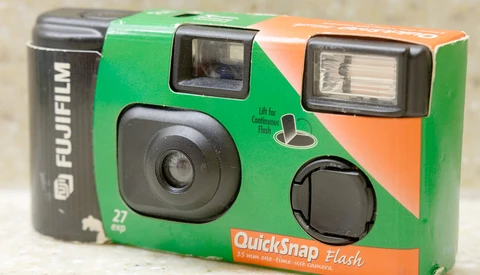
What It Was Like in 1995: The Lost World of Casual Photography

Imagine taking a photo and not seeing it for a week. Imagine every click of the shutter costing real money. Imagine gathering your family around the kitchen table to pass around actual printed photographs, holding them up to the light, flipping them over to read date stamps printed in orange numbers. 

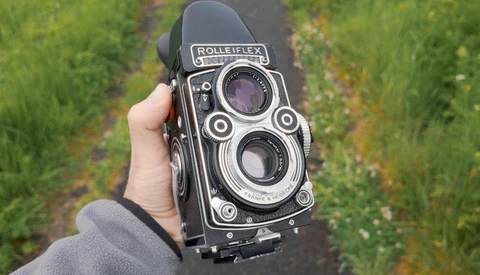
RolleiFlex Struggles: Vintage Camera Realities

The RolleiFlex 3.5F, with its classic Schneider lens, holds a special place in film photography—when it works. Reliability can be tough, but photographers keep coming back because when it's good, it’s outstanding. 

5 Moments When Photography Changed Human Behavior Forever

Photography didn't just evolve technologically—it fundamentally altered how humans behave, interact, and see themselves. These five moments didn't just introduce new features or platforms; they rewired our brains and created entirely new social behaviors that didn't exist before. Each represents a permanent shift in human psychology that we can never undo. 

5 Cameras That Changed Photography Forever

Photography has evolved dramatically over the past 50 years, but certain cameras didn't just capture images—they fundamentally altered the entire medium. These five cameras didn't just introduce new features; they sparked revolutions that are still shaping how we create and consume photography today. 

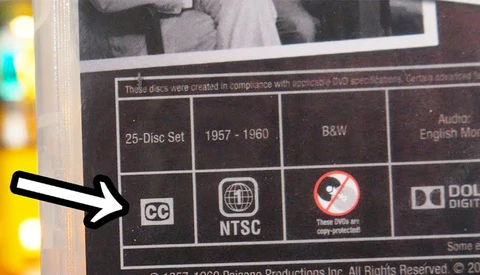
DVD Captions: What Modern Tech Forgot

Did you know that DVDs store captions in two fundamentally different ways? This isn't just trivia; understanding this matters if you're relying on older media for accessibility. 

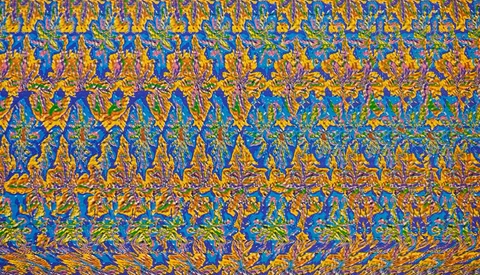
Inside the '90s Magic Eye Phenomenon and How It Was Created

Magic Eye stereograms swept through the 1990s as a cultural phenomenon, capturing imaginations with their ability to transform a flat image into a mesmerizing 3D scene. For many, they became an intriguing challenge that separated those who could instantly discern the hidden depth from those left squinting at a frustrating blur (aka me). 

Cameras That Failed Hard (And Why)

The camera industry is littered with the corpses of products that looked revolutionary on paper but crashed spectacularly in the real world. These aren't just minor missteps—these are epic failures that cost companies millions, confused consumers, and taught us valuable lessons about what not to do. Here are the cameras that failed hardest, and the brutal reasons why. 

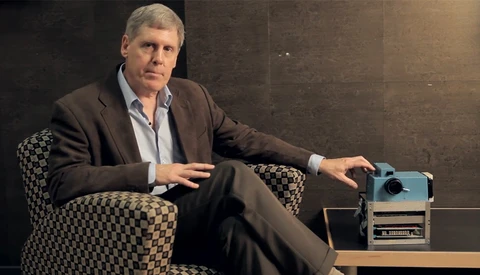
The Birth of the Digital Camera: From Film to Filmless Revolution

Photography has always been about capturing light to preserve moments. For over a century, that meant exposing a roll of film and then disappearing into a darkroom or waiting for a lab to develop the images. It’s easy to forget how different this process was before digital cameras came along. In the 1970s, the idea of instantly seeing a photo on a screen felt like science fiction.

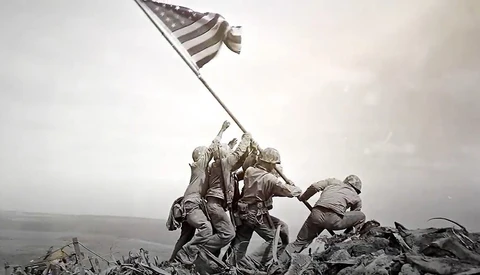
Joe Rosenthal: The Man Behind the Iwo Jima Flag Raising Photograph

On February 23, 1945, during the Battle of Iwo Jima, six men—five U.S. Marines and a U.S. Navy corpsman—raised an American flag atop Mount Suribachi. Joe Rosenthal, a photographer with the Associated Press, happened to put himself in the right place at the right time.

Creative Constraints: Shooting With a Fixed Lens

Limiting yourself to a single fixed lens can transform how you see and capture your surroundings. It's a deliberate constraint that makes you rethink every shot and pushes you to become more creative in your photography. 

A Connection to the Past: The Most Important Role of a Camera

As photographers, we can often get lost in the art of composition, lighting, and creative expression. We love the challenge of capturing a scene that tells a story, evokes an emotional response, or simply looks stunning. But beyond a camera's function as a creative tool, its most important role is its ability to preserve memories and offer a connection to the past. 

Why the World Never Got Smell-O-Vision

The idea of incorporating scent into entertainment isn't new, but it remains one of technology’s strangest endeavors. For creators and enthusiasts alike, adding smell to media has long been seen as a compelling, if peculiar, ambition. 

The Wonderfully Atmospheric Urban Landscapes of Greg Girard

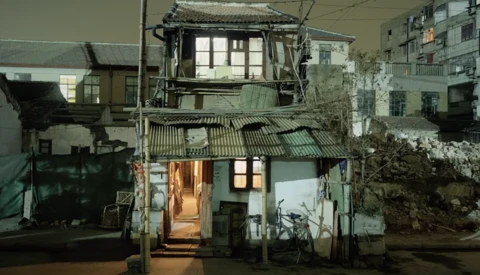
Canadian photographer Greg Girard left Vancouver in the 1970s to explore Southeast Asia with his camera. His colorful, atmospheric landscapes showed us a very different and unfamiliar part of the world that, for Westerners at that time, was much less traveled and even less well known. 

How a Pot of Coffee Started an Imaging Revolution

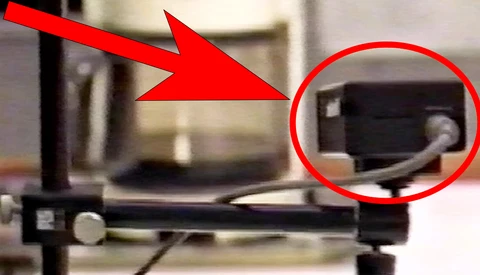
Before baby monitors and viral livestreams, a glitchy black-and-white camera pointed at an empty coffee pot ignited an internet revolution. This is the surprising tale of how a thirst for caffeine birthed the world’s very first webcam. 

Many Saw Vandalism, She Saw Art

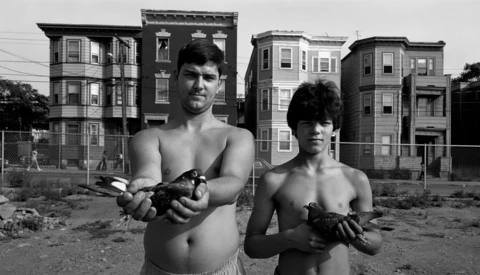
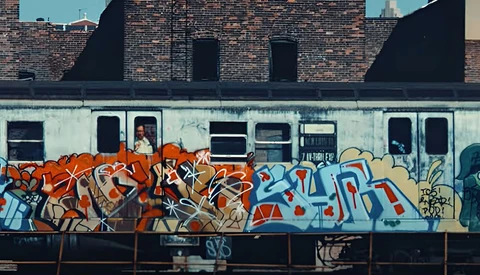
Photographer Martha Cooper has made a lasting impact on both the world of photography and the art world as a whole. Renowned for her documentation of urban street art and graffiti culture, Cooper's career reflects her deep passion for storytelling and her remarkable ability to capture everyday moments. Her work transcends photography, serving as historical records of cultural movements.